







centrifugal pump components
When they talk aboutcentrifugal pump components, many people immediately imagine a rotor or housing. But in practice, especially after years of working with different lines, from single-stage to multi-stage units, you understand that the key to reliability often lies in less obvious connections and interfaces. A common mistake is excessive attention to the specifications of pressure and flow when choosing, and almost complete ignorance of how exactly the internal components are assembled and interact. This is exactly what we constantly encounter in production and testing.
Rotor assembly: not only balancing
Yes, rotor balancing is sacred. But here’s a nuance that is rarely discussed in catalogs: how the assembled rotor assembly behaves after the first hundreds of hours of operation in real, non-ideal conditions. On our test benches, we specifically simulate light cavitation or the supply of abrasive media. And you can see how the gap in the seals changes, how the shaft can jam if the fits are calculated without reserve. This is not a theory, we have recorded this, especially on pumps for complex media.
By the way, about the shaft. Material is one thing, but the geometry of the seats for the impellers and bearings is a different story. There have been cases with pumps from other manufacturers where, after repairing and replacing a wheel, vibration began. It turned out that the shaft's seating surface had an unacceptable taper, only a couple of hundred square meters, but that was enough. At Zhejiang Yangzijiang Pumping Industry LLC, we pay close attention to this point in production; geometry control is a mandatory step before assembling criticalcentrifugal pump units.
And bearings. It seems that I took the bearing according to the dynamic load capacity, and that’s all. How is it placed in the body? The thermal expansion of a cast iron housing and a steel bearing bushing is different. If the correct tension or, conversely, clearance is not provided, unintended shaft displacement may occur when the pump warms up. This is a direct road to wear of the mechanical seals. We tested this scheme on our linear centrifugal pumps, selecting fits for specific operating temperature conditions.
Housing and flow part: where problems arise
The housing is not just a 'can' for the rotor. Its connector, especially in multistage pumps, is a potential weak point. Gaskets. It would seem like a small thing. But if the parting plane is not machined perfectly, or the force of the tie rods is distributed unevenly, it will leak. Not immediately, but after several heat cycles. We had a precedent when testing a self-priming pump: a microleak at the housing connector under variable operating conditions. We had to revise the assembly technology and stud control.
What about guide vanes in multistage pumps? Attaching them inside the case is a whole art. They should not 'play', but they should not be clamped 'tightly', so as not to cause warping when heated. Incorrect fixation leads to a change in the profile of the flow path, a drop in efficiency and an increase in vibration. When we launched our line of multistage pumps, this unit took a long time to perfect, selecting tolerances and the method of fixation.
And we must not forget about the seats for the suction and discharge flanges. They take loads from pipelines. If the hull does not have sufficient reinforcement or stiffeners in these areas, cracks may appear over time. This is especially critical for heavy submersible pumps or chemical pumps that operate with vibration. On our website yangtzeriverpump.ru in the products section you can see how these zones are structurally reinforced in, for example, plastic chemical pumps - this is not for beauty, this is a consequence of practical developments.
Sealing units: mechanical seals vs oil seals
The theme is eternal. The choice between a stuffing box seal and a mechanical seal is always a compromise. But a key point that is often missed when discussing thiscentrifugal pump assemblyThese are the installation conditions and the environment. You can install an expensive double mechanical seal, but if the shaft has runout or there are large abrasive particles in the fluid, it will fail very quickly.
From practice: for our pumps pumping suspensions, sometimes a high-quality stuffing box assembly with suitable packing and a suction system is more reliable. Yes, it requires maintenance, but it is more forgiving of operating conditions. But for clean aggressive environments, where leakage is unacceptable, of course, only a mechanical seal made of resistant materials. In our company, selecting a seal is a separate consultation with the client, and not just a tick in the options.
An error in installing the mechanical seal is a separate matter. You can't just slide it onto the shaft and tighten it. Ideal cleanliness, alignment, and axial clearance control are required. We have seen cases where a pump with a new seal leaked immediately after starting. The reason is the smallest grain of sand between the sealing rings or misalignment due to the uneven surface of the shaft. Therefore, in our installation instructions, this section is described in as much detail as possible, with an emphasis on critical steps.
Auxiliary and fastening elements
Lifting eyes, foundation feet, protective covers - these are all also part of the units, albeit auxiliary ones. A loose foundation foot that is corroded or undersized can cause the pump and motor to become misaligned. And this is already a serious accident. When producing equipment, we always reserve the thickness of the metal and the quality of the anti-corrosion coating on such elements. This can be seen if you look at our submersible or single screw pumps - the design is powerful, without 'saving' on the little things.
Fasteners Bolts, studs, nuts. It seems nonsense. But if you use standard fasteners in a chemical pump instead of ones that are resistant to a specific environment, it may break down after six months. Or lose the tightening force. We complete pumps for aggressive media with fasteners made of appropriate grades of stainless steel or even plastic. This is part of the overall reliabilitycentrifugal pump units.
Another point is the drainage and air holes in the case. Their location and execution. If they are clogged or made in the wrong place, air or residual media can accumulate in the cavities, leading to internal corrosion or starting problems. This seems obvious, but in the rush to optimize the design it is sometimes 'forgotten'. We do not practice this optimization at the expense of functionality.
Assembly, testing and final thoughts
All these nodes eventually come together at the assembly stage. And here, not only the qualifications of the assembler are important, but also the sequence of operations and the control tool. For example, the tightening torque of key connections. We use locking torque wrenches, especially on critical flanges and body connectors. Because 'by hand' means guaranteed scatter and potential leakage.
Tests are the final test of the interaction of all nodes. We test each pump on a hydraulic stand, take characteristics, check for vibration, bearing heating, and seal operation. This is the only way to be sure that all calculated gaps and fits work as they should in the assembly. This applies to all our products, from diaphragm pumps to powerful multi-stage units. Test information is a key part of our website yangtzeriverpump.ru; we show that the pump not only came off the assembly line, but was tested.
In the end, what would you like to say aboutcentrifugal pump components? This is a system. You cannot make a perfect rotor and save on the housing or fasteners. Reliability comes from the details and understanding how they will work together in real, less than ideal conditions. Experience, often bitter, and constant work on design is what allows a manufacturer such as our company Zhejiang Yangzijiang Pumping Industry Co., Ltd. to offer equipment that lasts a long time and without surprises. Not because we are geniuses, but because we have gone through many nuances and know what to look for.
Correspondingproducts
Related Products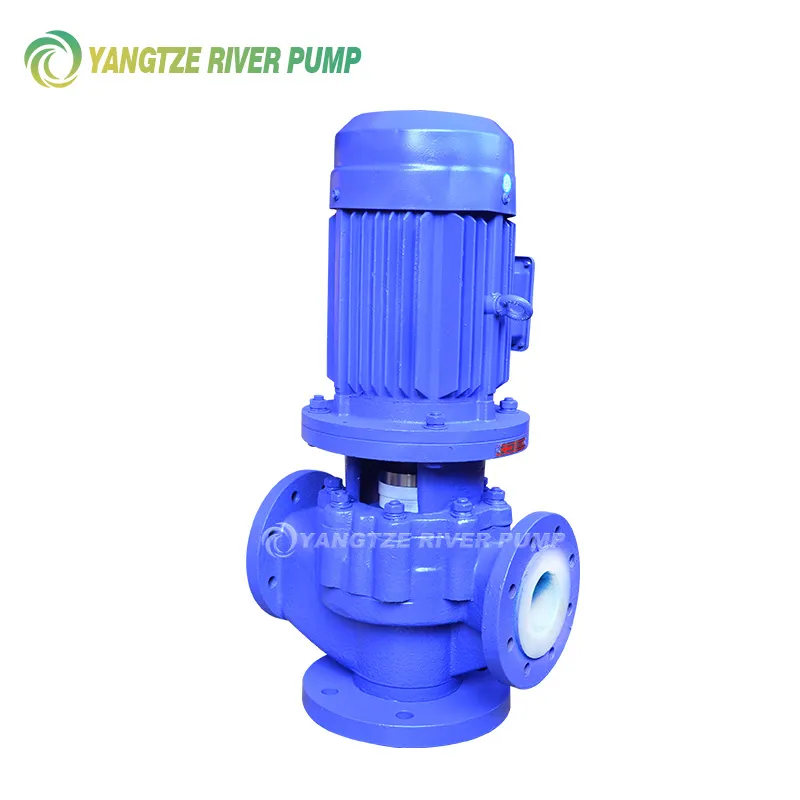
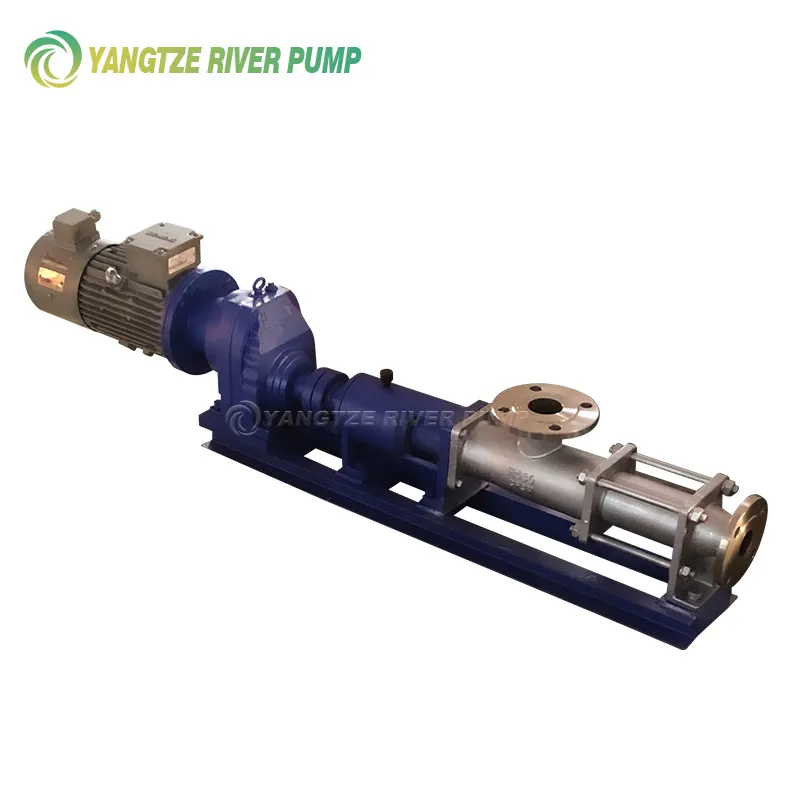
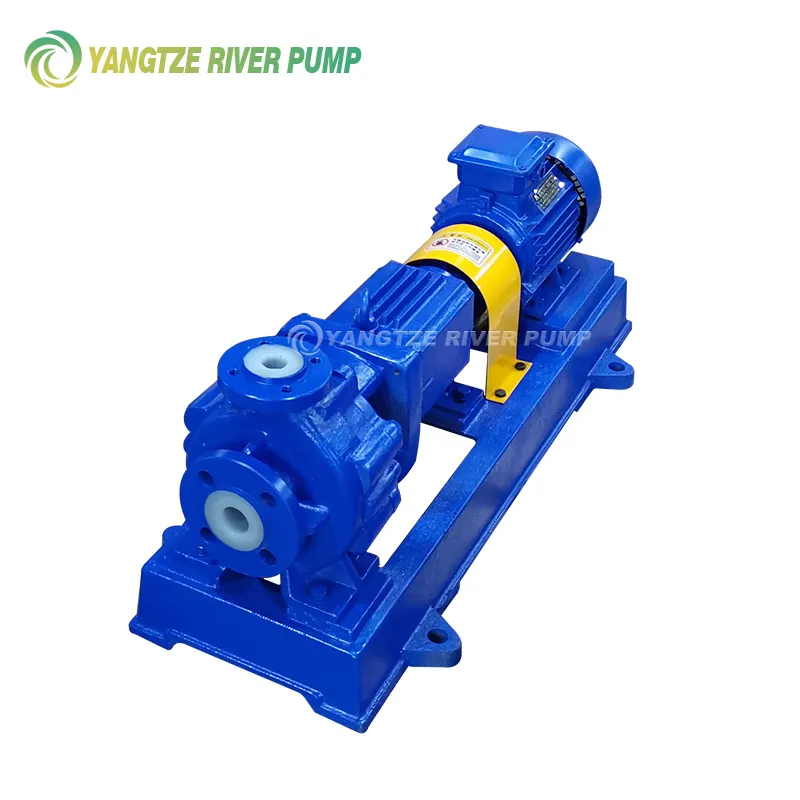
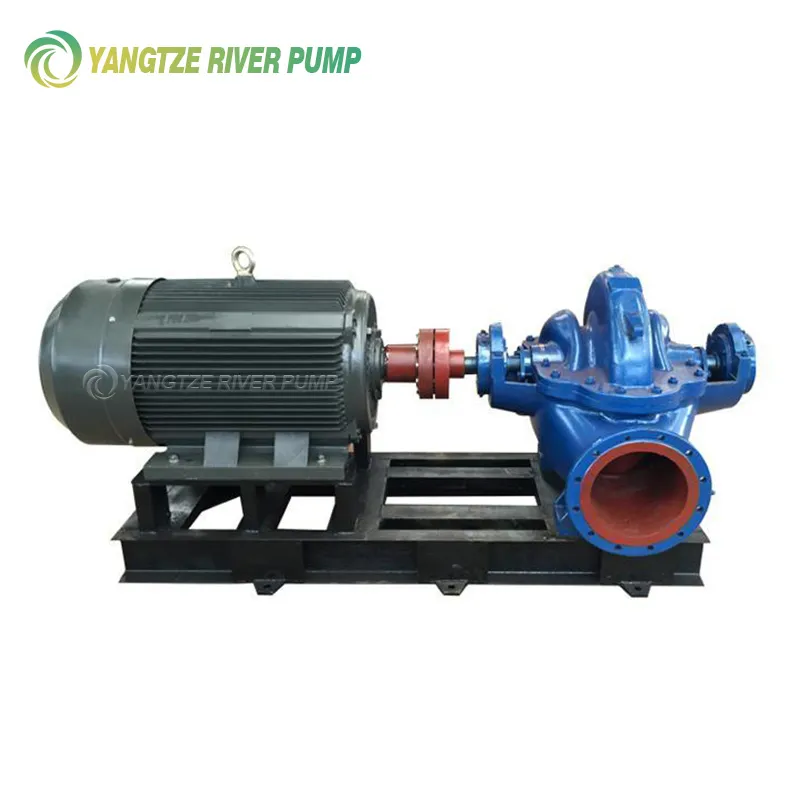
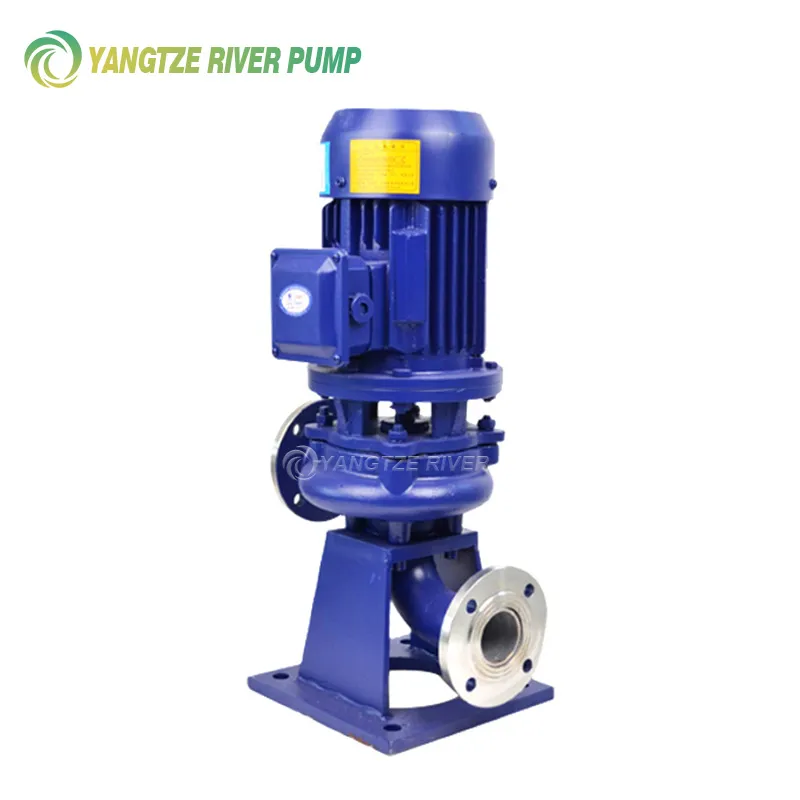
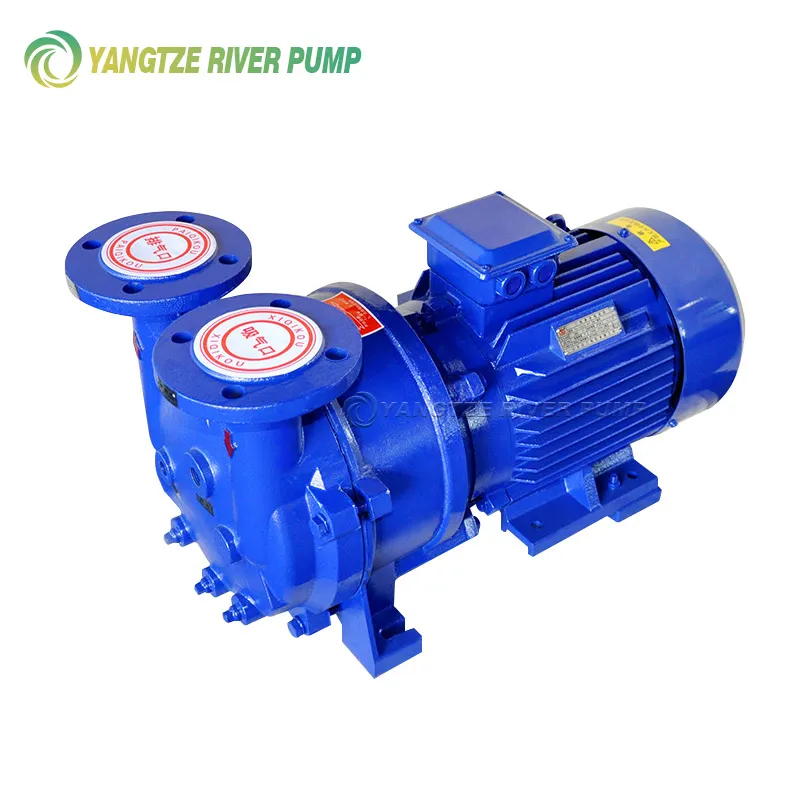
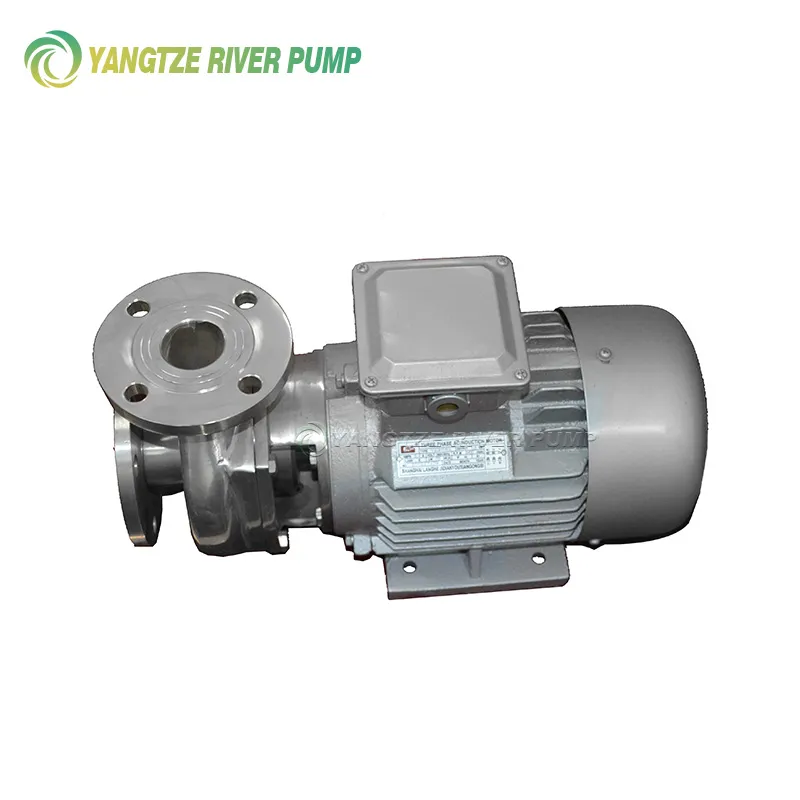
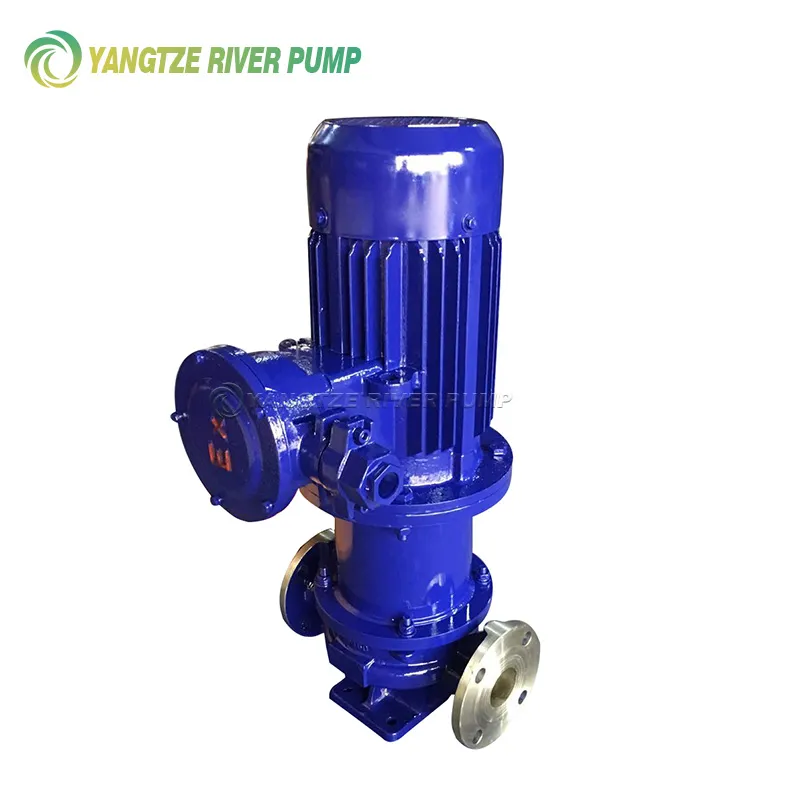

Best Sellingproducts
Best Selling Products-
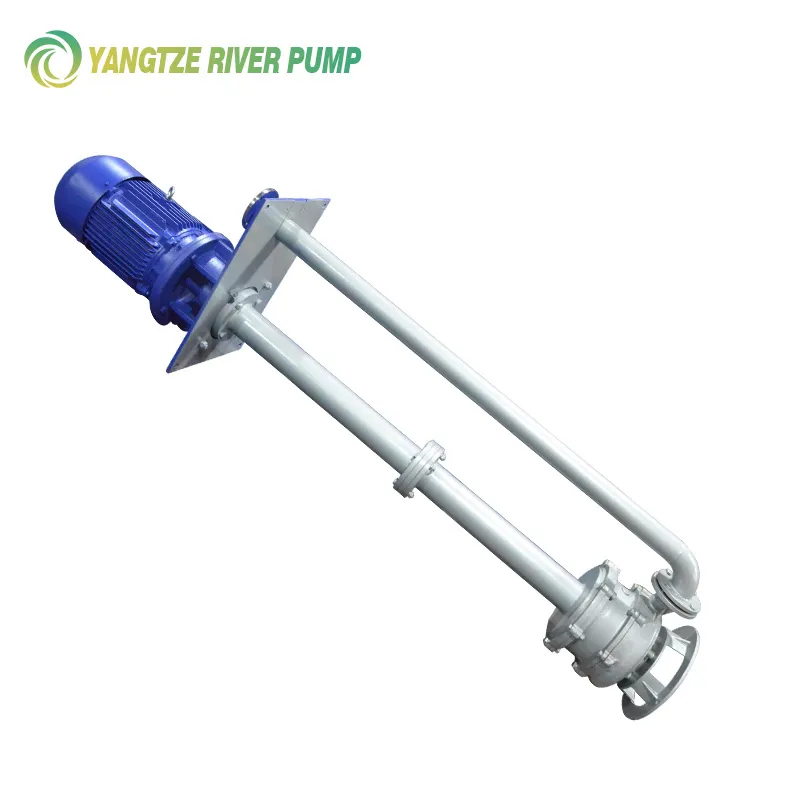 YW Vertical Submersible Sewage Pumps
-
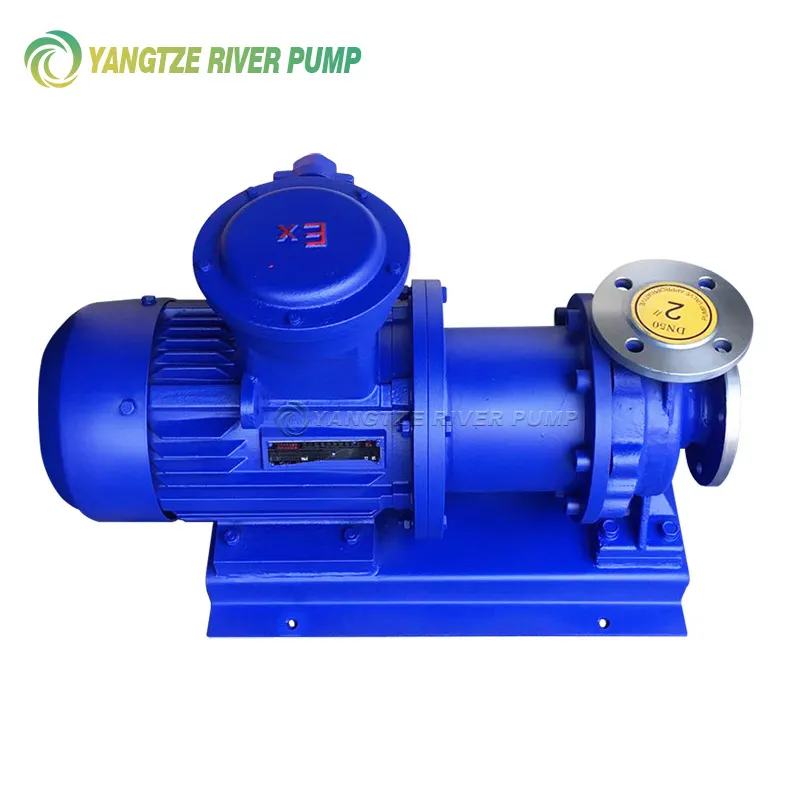 CQB Stainless Steel Magnetic Pumps
-
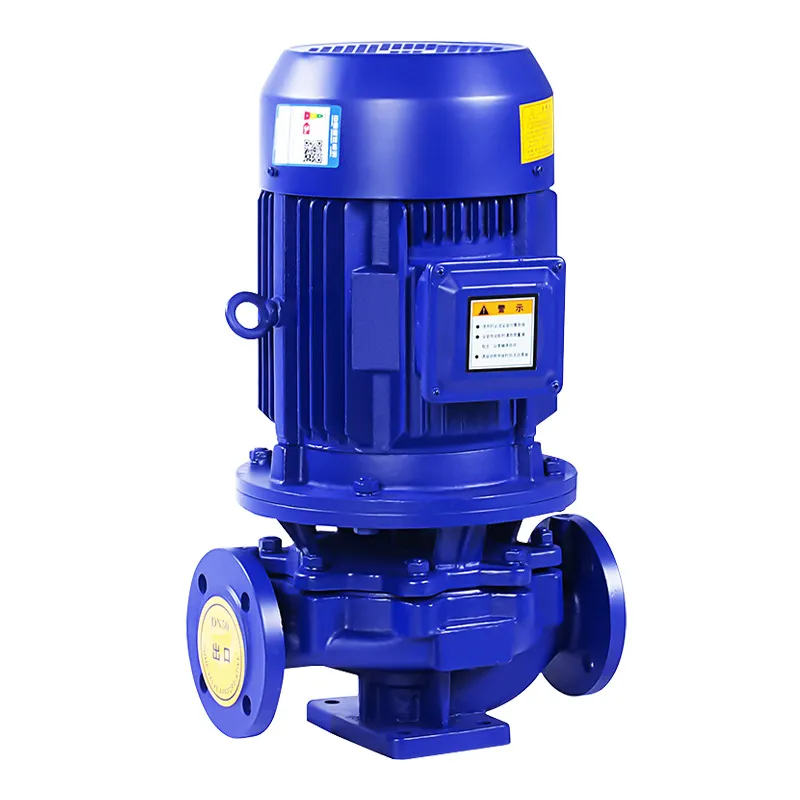 Vertical single-stage pipeline centrifugal pumps ISG and IHG
-
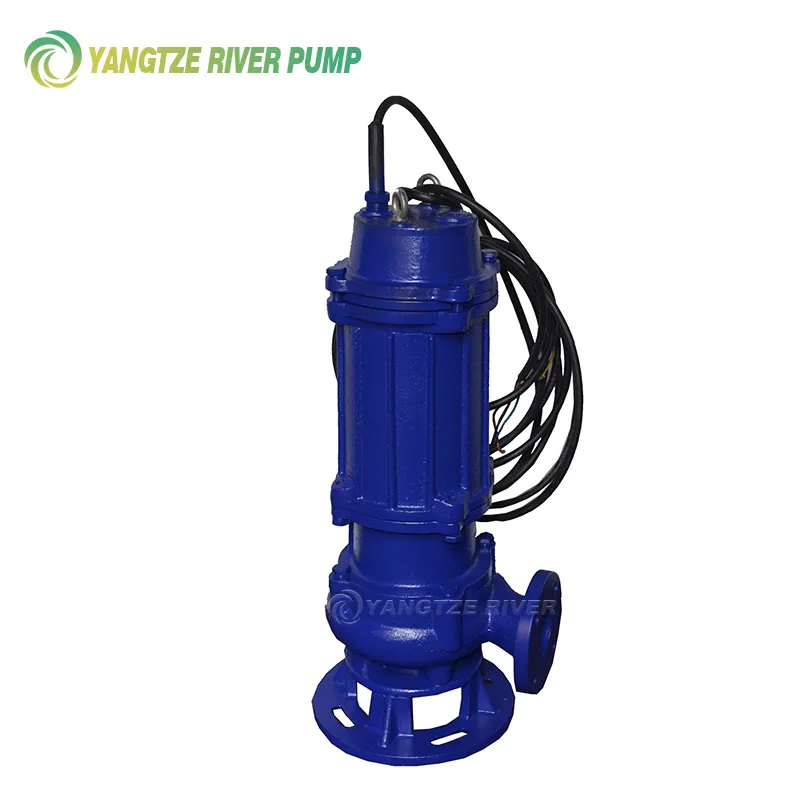 QW Non-clogging Submersible Sewage Pumps
-
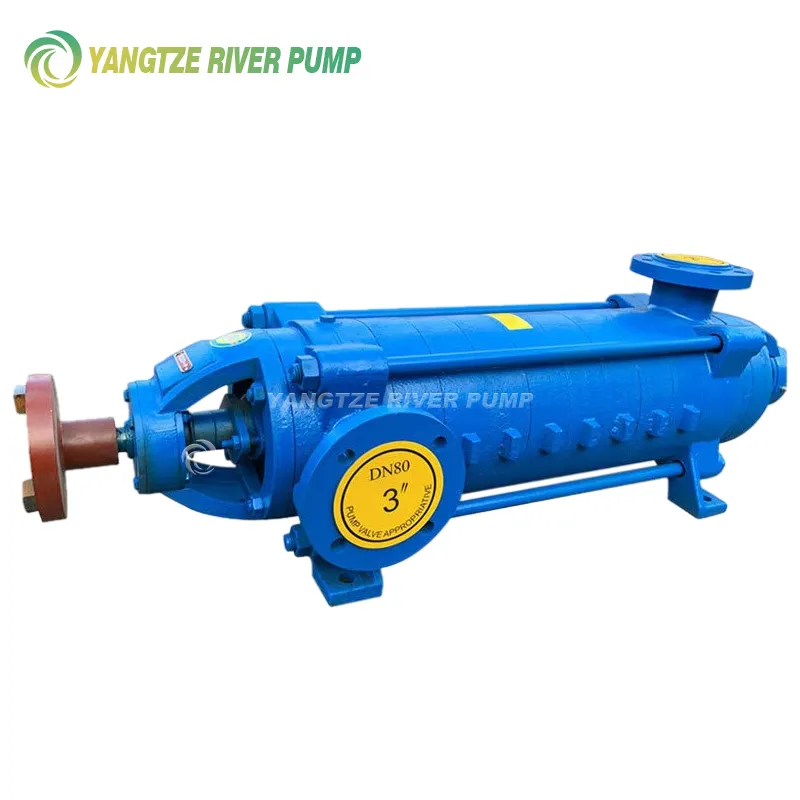 Horizontal multistage pumps for feeding DG boilers
-
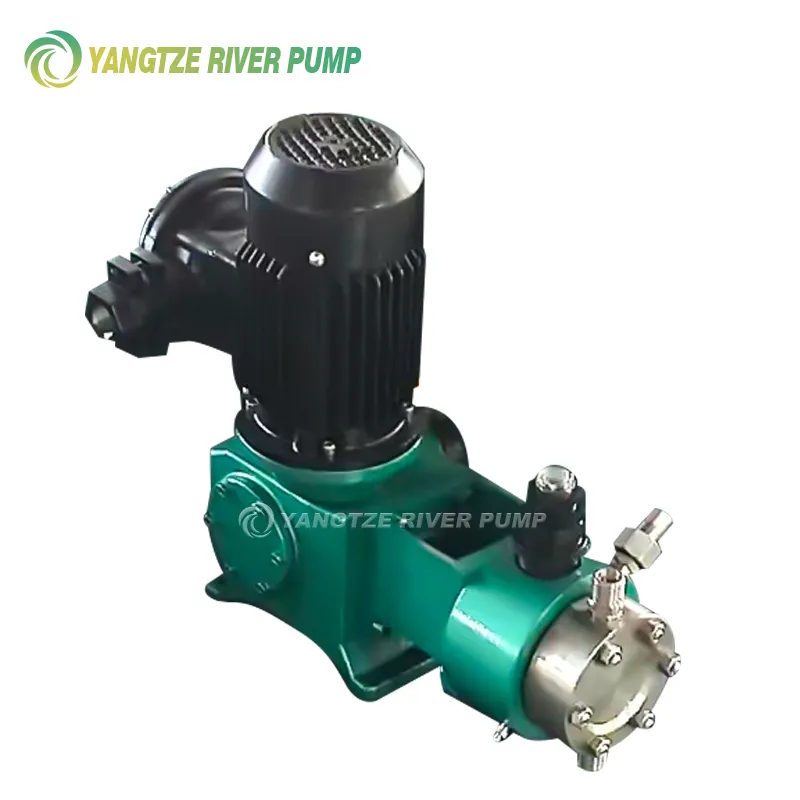 Plunger dosing pumps type DZ-X
-
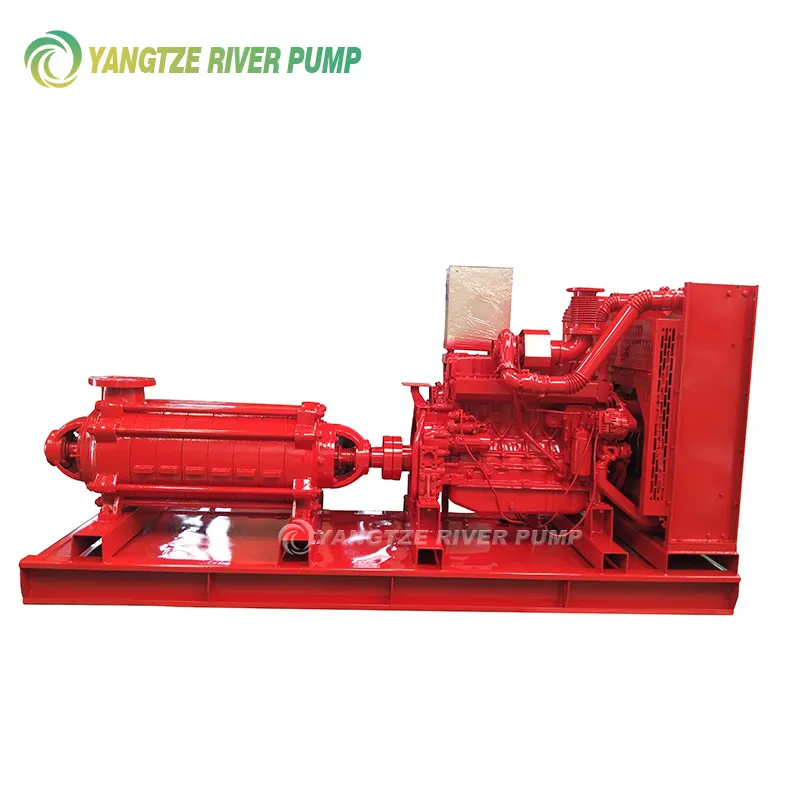 XBC Diesel Intelligent Fire Pumps
-
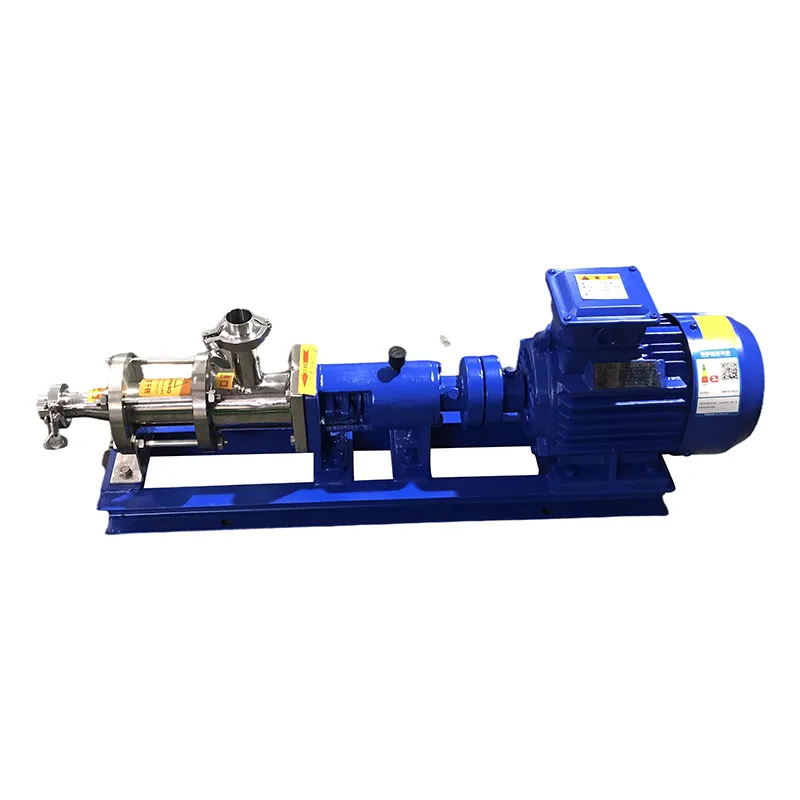 Sanitary screw pumps type GF
-
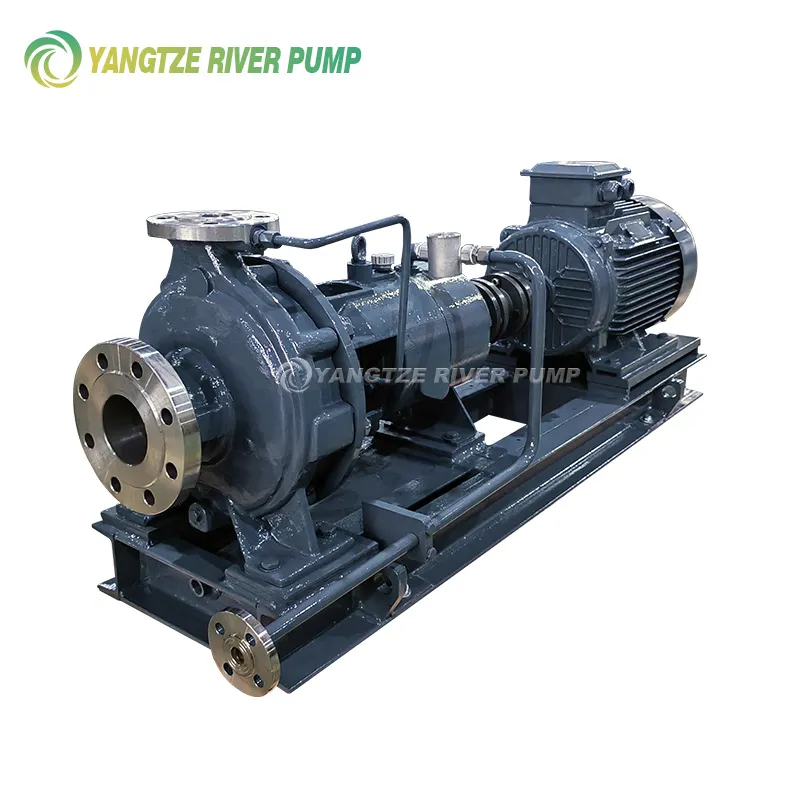 Petrochemical Process Pumps API 610 YZA
-
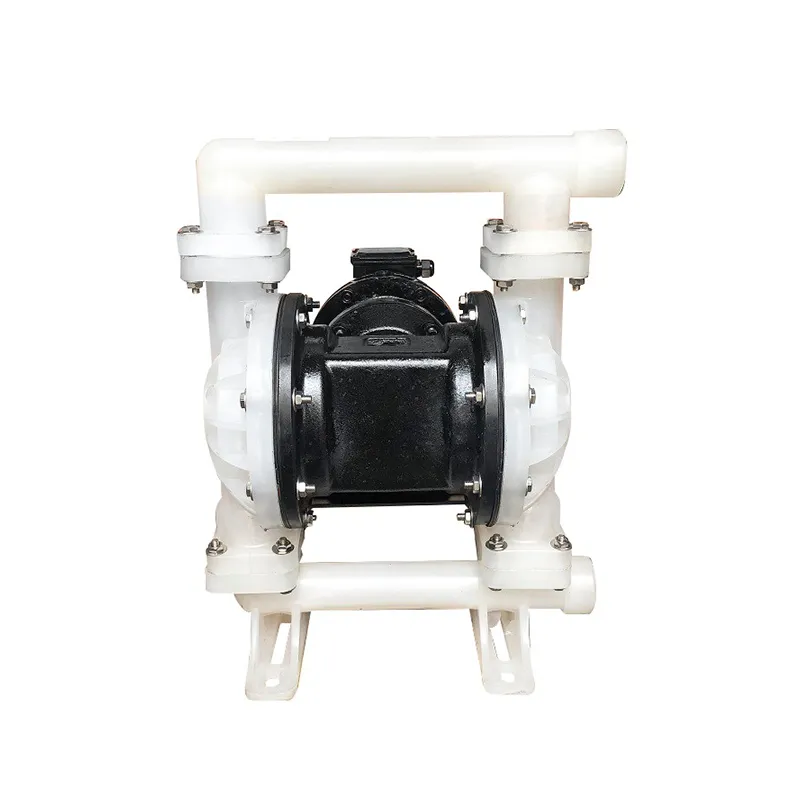 DBY Non-Metallic Electric Diaphragm Pumps
-
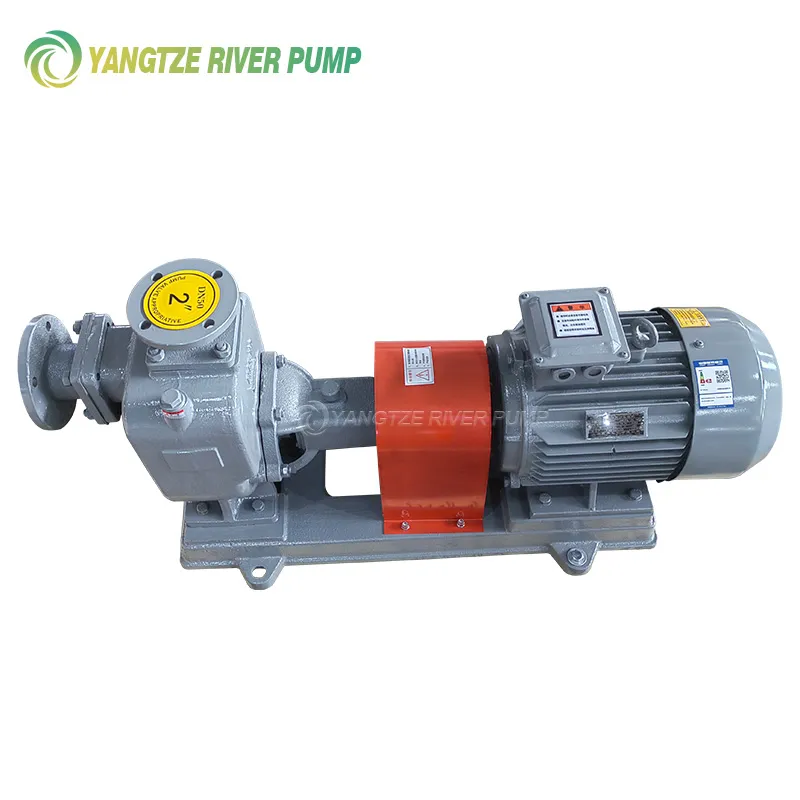 Non-clogging self-priming wastewater pumps ZW
-
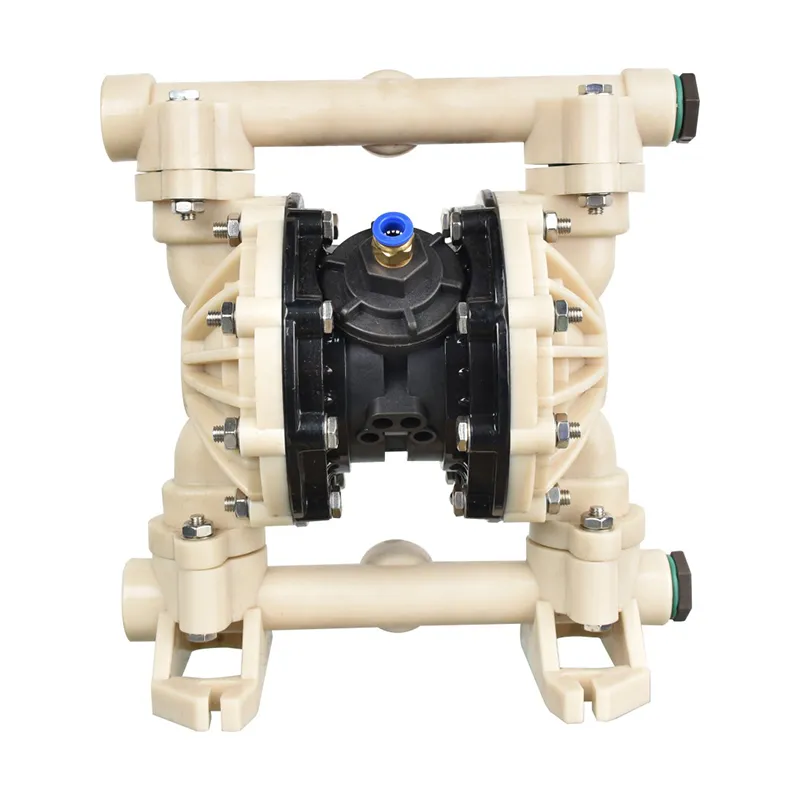 QBK Non-Metallic Air Operated Diaphragm Pumps