







submersible deep water pumps
When you hear “submersible deep water pumps?”, many people imagine just a long cylinder that is lowered into a well - and everything works. In fact, this is perhaps one of the most demanding types of equipment to select. An error of a couple of millimeters in diameter, an unaccounted for aggressiveness of the environment, or simply an attempt to save on housing material - and the pump will either not produce the required pressure or will fail after a season, leaving you without water. The most common mistake is to chase maximum power without assessing the actual flow rate of the well. The pump starts to "suffice" sand and silt, and now instead of clean water there is a suspension, and the impellers are erased into dust. That is why the choice is always a compromise between depth, required flow rate, casing diameter and, critically, water quality.
Design: What's inside matters
If you take it apart, the key thing issubmersible deep pump- this is, of course, a multi-stage section. Each stage has its own impeller and diffuser. The more there are, the higher the pressure with the same diameter. But here lies the trap: for wells with high sand content, multi-stage models with conventional plastic wheels are not the best choice. The abrasive eats them up very quickly. In such cases, it is sometimes wiser to look towards special, “sand-crushing” ones. modifications or, if the diameter allows, to single screw pumps. They have a completely different principle, but for viscous media or heavily sanded wells, this is often a salvation.
Material. AISI 304 stainless steel is almost the standard for a good device. But for truly aggressive environments, say, with increased mineralization, you need grade 316. And in some cases, especially in industry, they even switch to housings and shafts made of Inconel or Hastelloy. But this is a different price. In everyday life, you most often come across the fact that cheap pumps skimp on the material of the impellers - they use a technical polymer that does not withstand the impact of cavitation or simply cracks from temperature changes.
The cable and sealed lead-in are the point where fatal failures most often occur. Poor crimping of the cable entry leads to oil leakage from the engine or, worse, water entering the electric motor. I have seen cases where the pump “died” not because of wear, but because during installation the cable was bent or the clamp was overtightened. The moment seems like a small thing, but at a depth of 80 meters, every little thing is expensive.
Selection for the task: a story with two wells
Let me give you an example from practice. There was an object - a private house with two wells. One is artesian, 110 meters, the water is clean, the flow rate is good. The second is for limestone, 50 meters, but with high rigidity and small suspensions. For the first one we chose standardmultistage centrifugal pumpmade of stainless steel, with a headroom. It has been working for the sixth year without any complaints.
There was a problem with the second one. A conventional centrifugal pump became clogged with slurry approximately once every six months. Disassembly and washing are constant costs. The solution was found after going through several options. Stopped atsubmersible pumpwith semi-open impellers made of wear-resistant polymer - this design tolerates abrasive better. But I had to put up with slightly lower efficiency. A vortex pump was considered as an alternative, but it turned out to be too sensitive to the same sand. This is the case when theory and catalogs give way to experiment.
By the way, about catalogs. Passport characteristics are a useful thing, but they are given for ideal water. In reality, it is necessary to make allowances for hydraulic losses in the pipeline, for bends, and for fine filters. People often wonder why a pump with a 70-meter water column cannot lift water from a 60-meter well into their home. But because in addition to these 60 meters vertically, there are another 20 meters horizontally with turns, and each filter is a loss of another 0.5-1 bar of pressure.
Brands and production: where reliability is born
The market is flooded with offers. Outright consumer goods with unknown origins and brands that have maintained their brand for decades. I have long identified several key points for myself when evaluating a manufacturer. First, the full cycle. If the company controls everything: from casting housings and winding stators to final hydraulic tests, this is a serious plus. Like, for example,Zhejiang Yangzijiang Pumping Industry Co.,Ltd. Eight complete lines are not just words. This means that quality is built in at every stage, and is not assembled from components purchased externally with varying degrees of fine-tuning.
Their websiteyangtzeriverpump.ru, reflects this approach well. It is clear that this is not just a reseller, but a manufacturer with a wide range: from single-stage centrifugal to chemical plastic pumps. For me, as a specialist, it is important when in one place you can see the entire technological chain and understand what is forsubmersible pumpsThe same proven materials and controls are used as for other lines. It gives you confidence.
The second point is the availability of our own test benches. A pump that has not been tested under load on real water (and not just tested for “dry running?”) is a lottery. Especially for deep models, where repairs are comparable in price to buying a new one. When a manufacturer indicates that a product is being tested, this is not marketing, but a necessity.
Typical breakdowns and what is behind them
Why do even good pumps fail? Besides normal wear and tear, there are a few killers. The first is operation in low flow mode or, worse, “dry running”. Engine overheating is inevitable. Modern models often have built-in protection, but this adds to the cost. The second is water hammer when turning on/off. Without a check valve and a damper tank, a column of water falling back into the well can simply break the impeller. I saw the consequences - it’s impressive, but you won’t envy the owner.
The third point is electrical. Voltage surges in rural networks are common. A stabilizer or at least a high-quality pressure switch with protection against frequent starts prolongs the life of the pump significantly. Sometimes clients complain: “The pump hums, but does not pump?”. A common cause is a burned out winding due to a voltage drop. The engine rotates, but the torque has dropped and the pump cannot push the water to the required height.
And another story is chemical resistance. There was a case at a production facility where the well contained water with an unexpectedly high content of hydrogen sulfide. Regular 304 stainless steel began to corrode in spots after just a few months. I had to lift it and change it to a model with a body made ofchemical resistant plastic. Now, when making a selection, I always request a full chemical analysis of the water if there is the slightest doubt.
Service and prospects: not to sell, but to provide work
A good pump is half the battle. The second half is competent installation and the opportunity to receive service. Ideal when the manufacturer is the sameZhejiang Yangzijiang Pumping Industry Co.,Ltd, combines not only production and sales, but also service. Because when you need oil seal replacement or consultation on pressure drop, it is important to talk not with a sales manager, but with an engineer who understands the device.
Now the trend is towards “smart” systems. Pumps with built-in frequency converters, pressure and flow sensors that can be integrated into the overall water supply management system of a home or business. It's no longer just an on-off switch. This is an accurate maintenance of pressure in the network, regardless of the number of open taps. This is especially important for deep wells, as it allows one to avoid harmful operating conditions and save energy.
In the end, the choicesubmersible deep water pumpis always an engineering task. You can’t just take the first model you come across based on the “depth-performance” parameters. You need to look at the design, materials, reputation of the manufacturer and, very importantly, the conditions of a particular well. Sometimes it’s better to pay 20% more, but get a device that will work for 10 years, not 3. Water is the basis, and saving on its supply, especially from great depths, is more expensive. Experience, sometimes bitter, suggests that reliability here is more important than any, even the most attractive, price.
Correspondingproducts
Related Products

Best Sellingproducts
Best Selling Products-
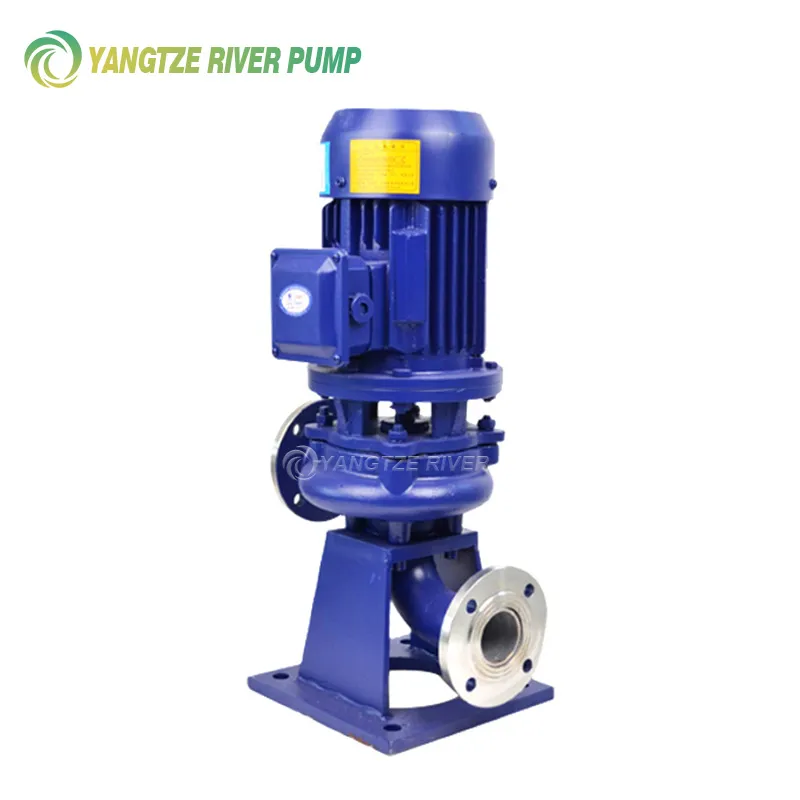 Non-clogging vertical wastewater pumps LW
-
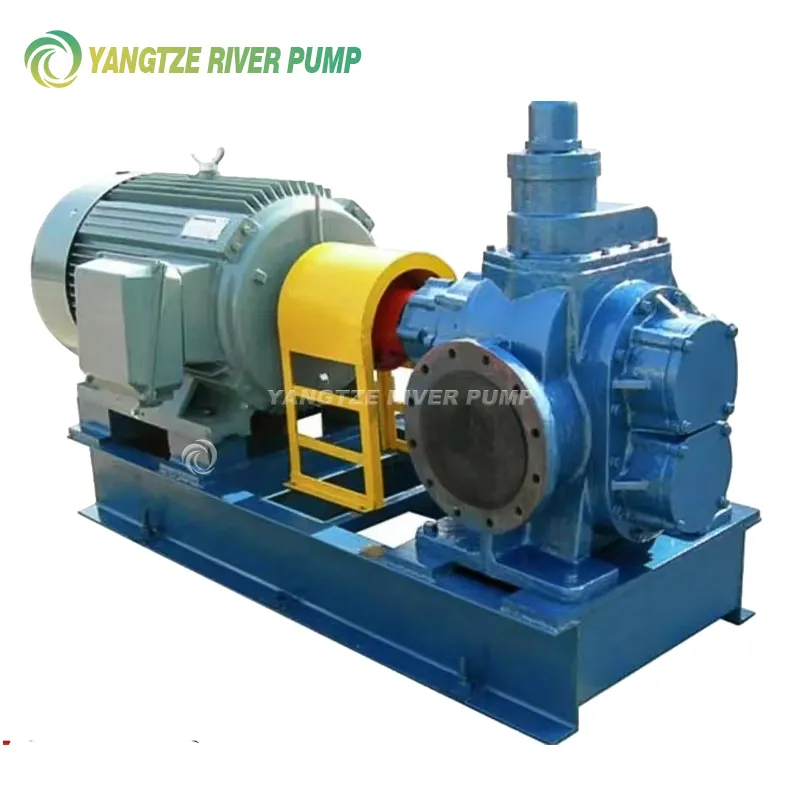 YCB Type Circular Gear Pumps
-
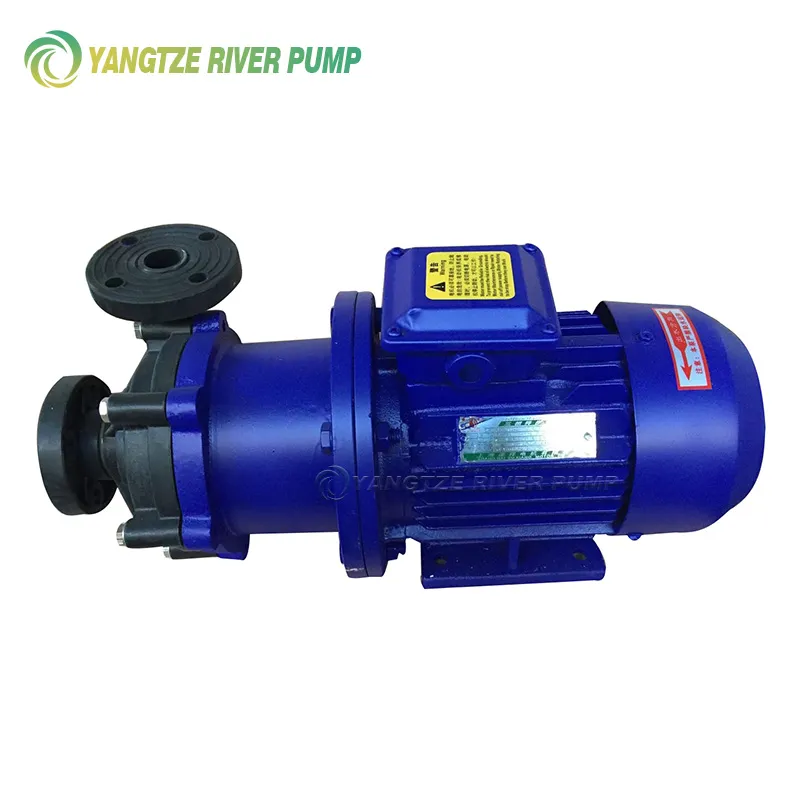 CQF Plastic Magnetic Pumps
-
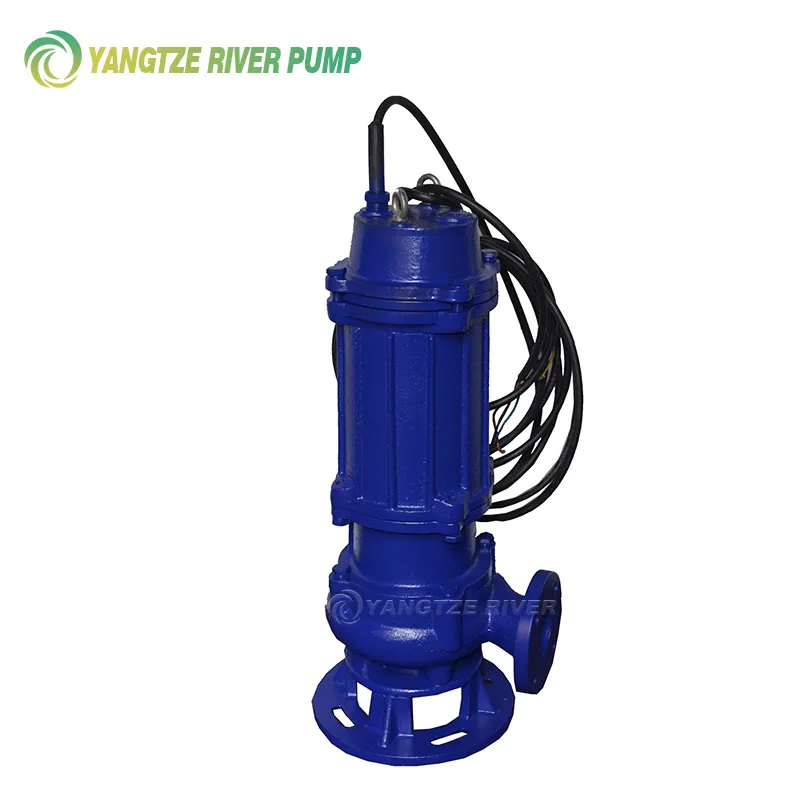 QW Non-clogging Submersible Sewage Pumps
-
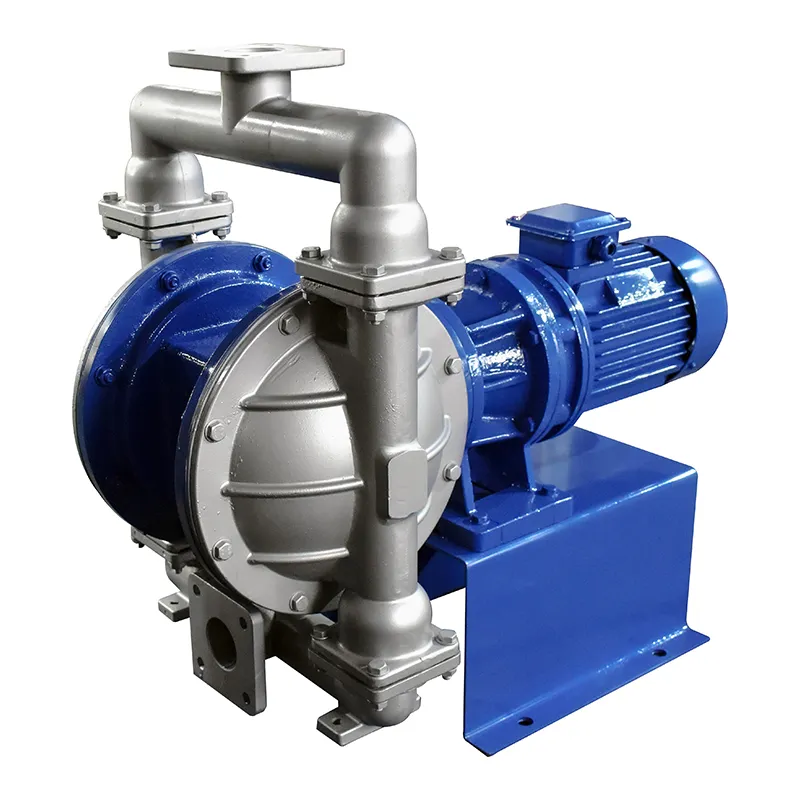 Metal electric diaphragm pumps DBY
-
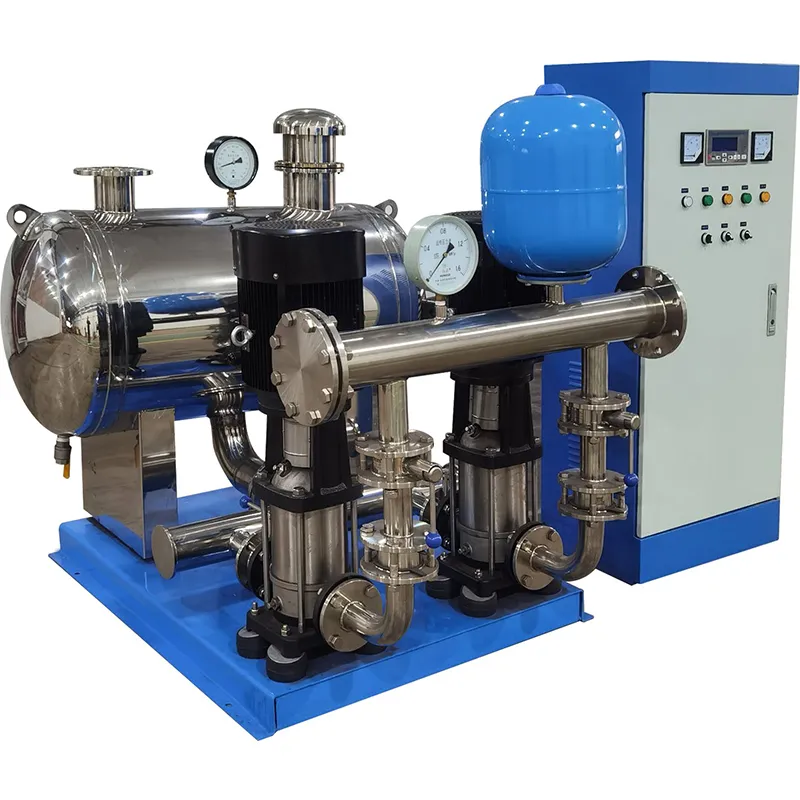 Complete water supply installations with frequency regulation and constant pressure CDLF
-
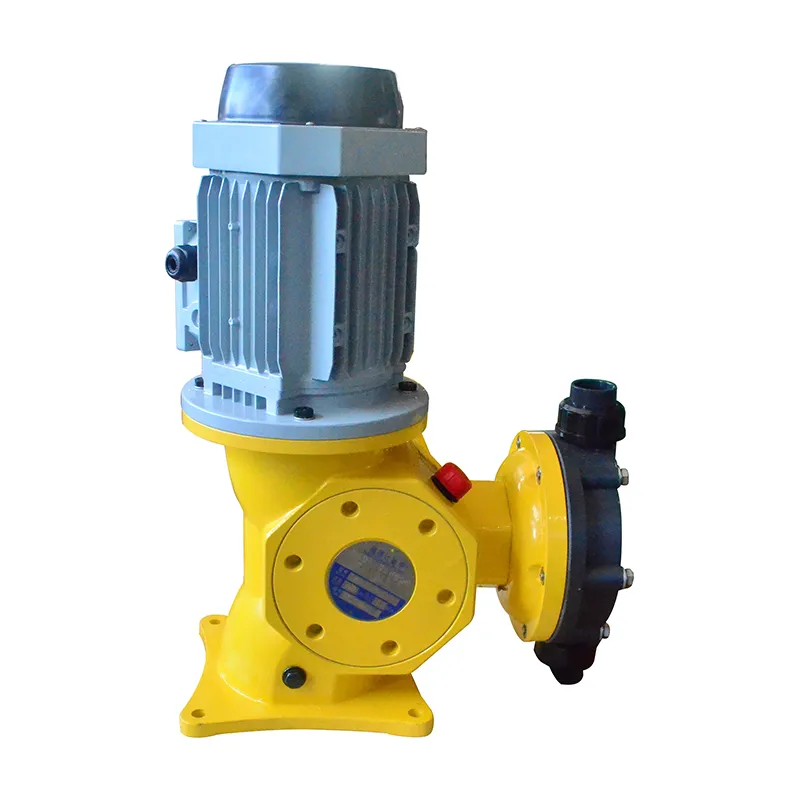 Mechanical diaphragm dosing pumps DJ-Z
-
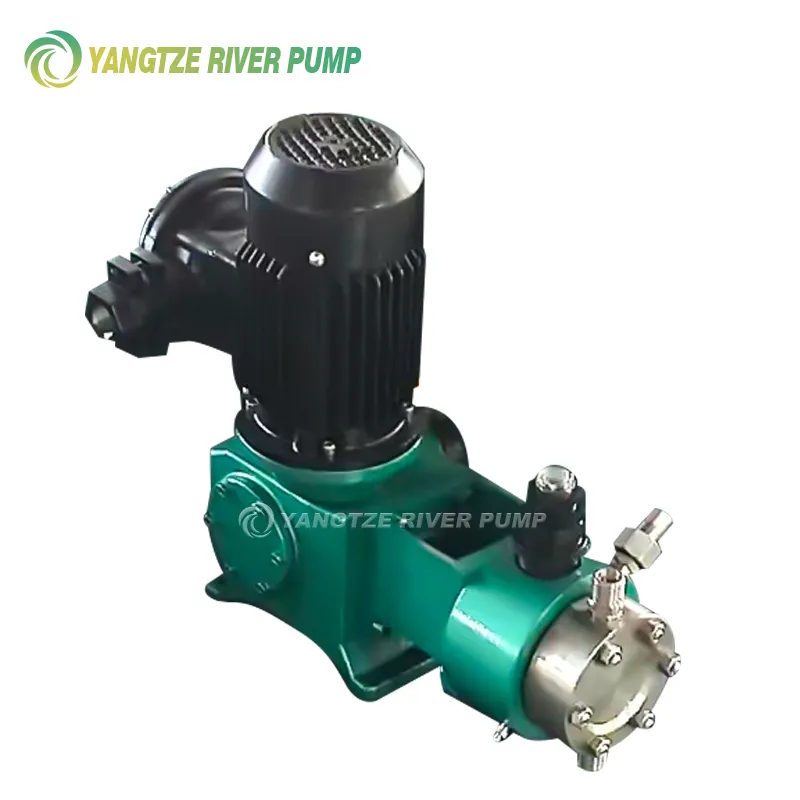 Plunger dosing pumps type DZ-X
-
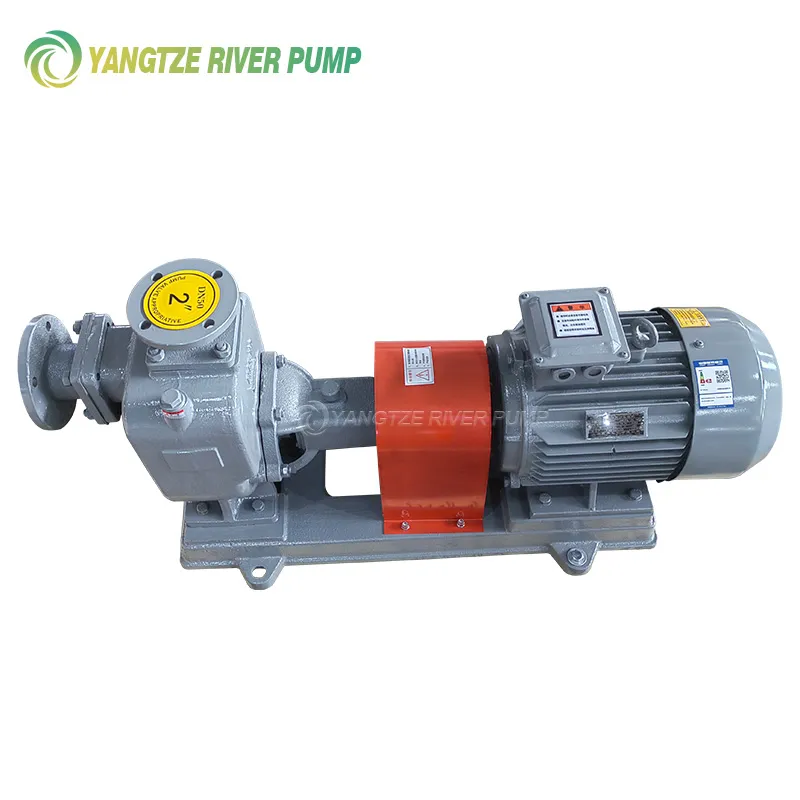 Non-clogging self-priming wastewater pumps ZW
-
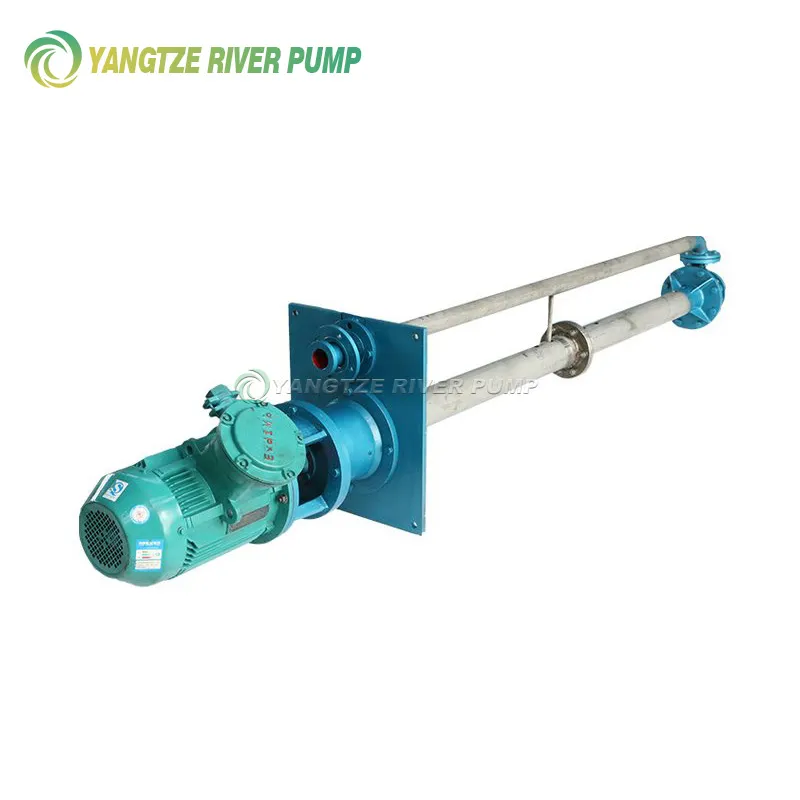 FY Submersible Chemical Pumps
-
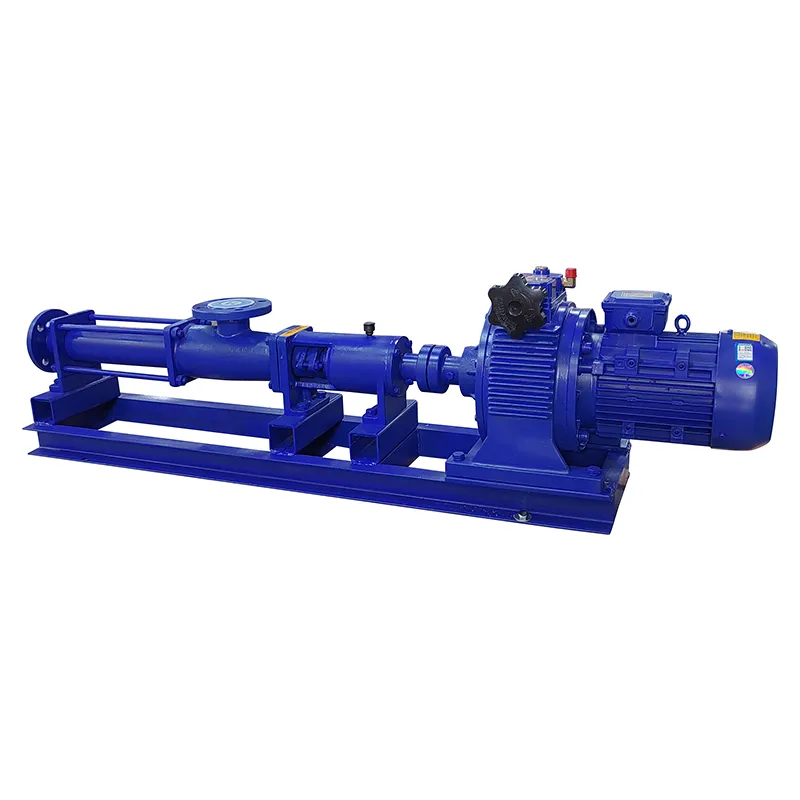 Infinitely variable screw pumps type G
-
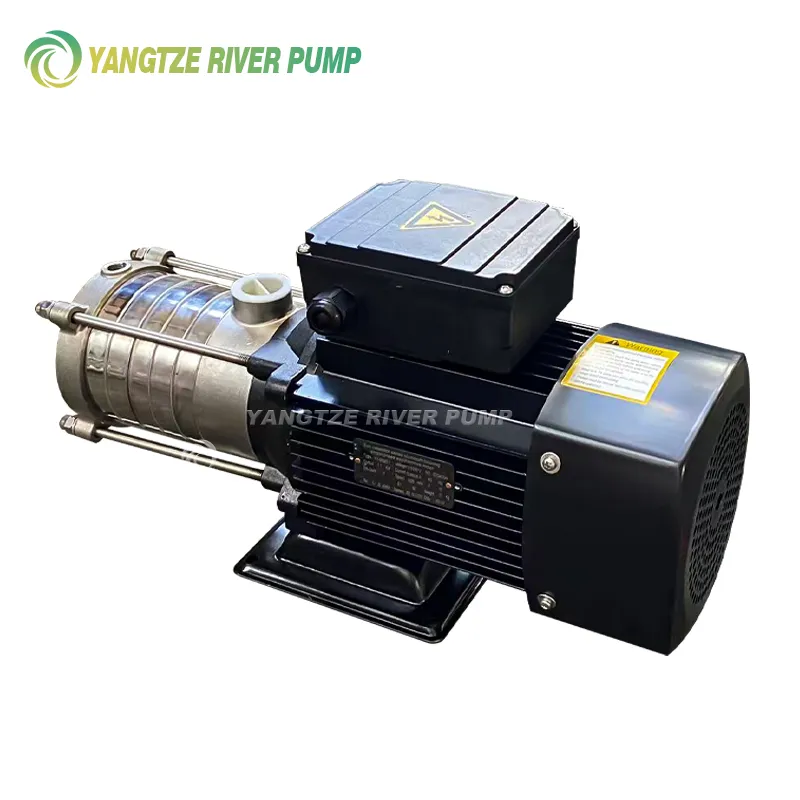 Horizontal multistage centrifugal pumps (light series) CHL and CHLF