







submersible well pump 120
When you see “submersible borehole pump 120” in a request, the first thing that comes to a beginner’s mind is probably the power in watts or the pressure in meters. But in practice, especially when you work with products like those made by our Zhejiang Yangtzejiang Pumping Industry LLC, you understand that behind this figure is often the conditional diameter of the well in millimeters. And this is where the first pitfalls begin. Many people think that they took a 120 mm pump and it will fit perfectly into the casing pipe. In fact, you need to take into account the thickness of the pump walls, possible narrowings in the barrel, and even the non-ideal vertical of the well itself. In production, we are constantly faced with the fact that customers ask for a “pump for 120”, meaning a 125 mm or even 110 mm pipe, and then problems arise with installation or, worse, with removal after the season.
What does ?120 actually mean? in the context of a submersible well pump
So, let's put marketing aside. In the technical documentation that we prepare for our models, for example, for some lines of centrifugal or specificallyborehole submersible pumps, the number 120 is primarily the outer diameter of the case. It is designed for free installation into a standard four-inch casing with some technological clearance. But this gap is not a panacea. If there are sand deposits or limescale in the well, this very millimeter or two can be decisive. We had a story on our test bench when a standard pump for the 120th well jammed in a pipe simulator after a cycle of working with a sand mixture - we had to modify the design of the protective mesh and the casing material.
By the way, about the material. For a diameter of 120 mm, the choice often arises: stainless steel or composite polymer. Steel, of course, is stronger, especially in deep wells with the risk of displacement. But our experience isyangtzeriverpump.rushows that for many applications in suburban water supply, where the depth rarely exceeds 50-70 meters, the modern engineering plastics that we use in our line of plastic chemical pumps show excellent resistance to corrosion and abrasive wear. And the weight is less - this is important for installation on your own.
And also ?120? - this is often about productivity. But here the dependence is nonlinear. The narrower the housing, the more difficult it is to fit a powerful multi-stage turbine. Thereforesubmersible pumpby 120 mm with a declared pressure of 100 meters - this is almost always a multi-stage design. In our R&D department, we struggled for a long time with the layout of such models in order to preserve both the efficiency and the service life of bearing units in cramped conditions. Sometimes it seems that if you add one more stage, the pressure will increase, but in reality, vibration and load on the shaft negate all the advantages. We have to look for a balance in calculations and field tests.
Selection and installation errors: a view from the production line
The most common error that we see when calling for service is a discrepancy between the pump performance and the well flow rate. The client sees a ?submersible well pump 120? with characteristics of 3 m3/h and wants it for an old well, which produces at most 1.5 cubic meters. The pump works for drainage, switches on and off, and overheats. In the instructions we always write about the need for approval, but apparently not everyone reads it. Now, when selling, our managers always ask clarifying questions about the well’s passport.
The second problem is power supply and control. A 120 mm pump, especially a multi-stage one for a deep well, is a motor of 1-1.5 kW or more. The inrush current is serious. People often save on cables by using a cross-section of 1.5 mm2 instead of the recommended 2.5 mm2, and even with a long route from the house. A drop in voltage leads to the fact that the pump does not reach its rated speed, overloads and burns out. We have even begun to equip some models with a cable with a larger cross-section by default to minimize these risks.
And about the installation. It would seem that he lowered it on a cable, connected it - and that’s it. But no. An unaccounted for check valve, an incorrectly selected hydraulic accumulator, lack of protection against dry running - and the life of the pump is reduced significantly. We have a full testing line at our factory where we test everysubmersible well pumpin different modes, including emergency ones. After such tests, it becomes clear which nodes are the most critical. For example, in multi-stage models for 120 mm wells, the weak point is often not the motor itself, but the intermediate shaft supports. We strengthened their design in the latest revision.
From practice: a case with a sand well and a multistage pump
I would like to give an example from our service practice. There was a customer, he installed a standard onewell pump 120mm (not our brand) into a new, but sandy well. Six months later - complaints about a drop in pressure and noise. Upon removal, it turned out that the impellers of the first and second stages were almost erased by abrasive. The grains of sand were even less than a millimeter in size, but in such quantity that they acted like sandpaper. The customer contacted us for a replacement.
We offered him a model from our line with reinforced, wear-resistant impellers, which we specifically developed for conditions with a high sand content. The material is not a standard polymer, but a composite with a ceramic filler. And they advised to install an additional external sediment filter at the entrance to the well, although this complicated the installation. The pump has worked for two seasons already, according to reviews - without any complaints. This is about the fact that there are no universal solutions. Even within the same standard size ?120? you need to look at specific conditions.
This incident forced us to reconsider the standard configuration for regions with sandy soils. Now the proposal may also include a preliminary analysis of water for abrasiveness, if possible. This is not always feasible, of course, but the approach itself—the desire to find a solution, and not just sell the unit—is a priority for us. All activities of Zhejiang Yangtzejiang Pumping Industry Co., Ltd., from R&D to service, are geared towards this.
Technological nuances of production and their impact on the final product
When we designsubmersible pump for well 120, one of the key tasks is to ensure efficient heat removal from the engine. In a narrow body this is a problem. In early designs we relied on natural convection through the gap between the casing and casing. But if the well is not perfectly vertical, the pump may rest against the wall and cooling will be impaired. We had to switch to forced flow of water along the engine body using special channels. This complicated the casting of body parts, but increased reliability.
Another point is corrosion protection. For stainless steel pumps, which we also produce, it is not just the grade of steel that is important, but the quality of the welds. We have automatic argon-arc welding on eight production lines, but the final connections, especially in multi-stage units, are still checked visually and with a flaw detector. Because even a microcrack in a weld in the aggressive environment of well water is a source of corrosion, which in a year or two can lead to depressurization.
Tests are a different story. Each pump, before entering the finished product warehouse, undergoes hydraulic tests at the very stand that I mentioned. We check not only the pressure and performance according to the passport, but also operation at reduced voltage, short-term “dry running” mode, and starting characteristics. Sometimes, out of a batch of 100 pieces, two or three pumps show parameters on the verge of tolerance - we send them for additional analysis and analysis. Often the reason is a tolerance on one of the bearings or a slight imbalance in the rotor. A trifle that in the field will result in increased noise and reduced service life.
Instead of a conclusion: don’t chase numbers, consider the whole system
So, returning to the request “submersible well pump 120?”. To summarize the accumulated experience, the main advice is not to focus on this figure as the only criterion. This is an important dimensional parameter, yes. But behind it lies a whole range of decisions: from the material and type of impeller to the control and protection system. On our websiteyangtzeriverpump.ruWe try to provide not just a catalog with pictures, but technical notes and selection recommendations based on just such practical cases.
When choosing a pump, think of a well as a living organism with its own flow rate, chemical composition of water, and possible impurities. Think about the water supply system in the house: how many water points at the same time, what pressure is needed on the second floor. And for these tasks, look for a device with suitable characteristics among the same 120 mm models. Whether it is a single-stage option for a shallow well or a multi-stage “heavyweight”? for artesian depth.
Our production, which combines development, manufacturing, testing and support, is precisely aimed at providing a range of solutions within this seemingly narrow segment. So that for each typical, but in detail unique situation, the installer or home owner has a tool that will work not just for one season, but for many years. Without unnecessary frills, but with the understanding that reliability consists of little things calculated at the design stage and tested on a test bench.
Correspondingproducts
Related Products

Best Sellingproducts
Best Selling Products-
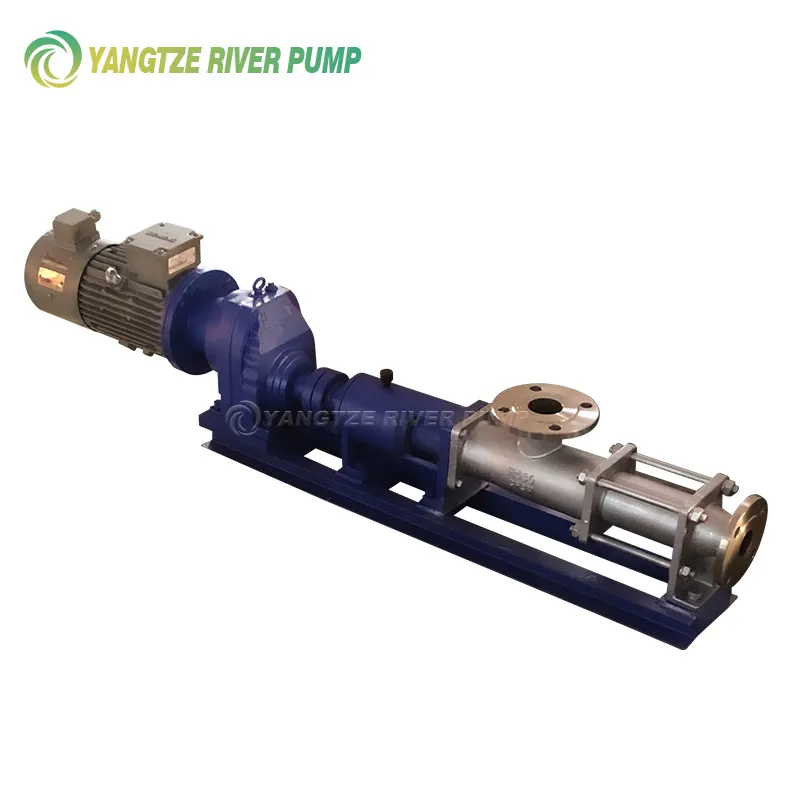 Geared screw pumps type G
-
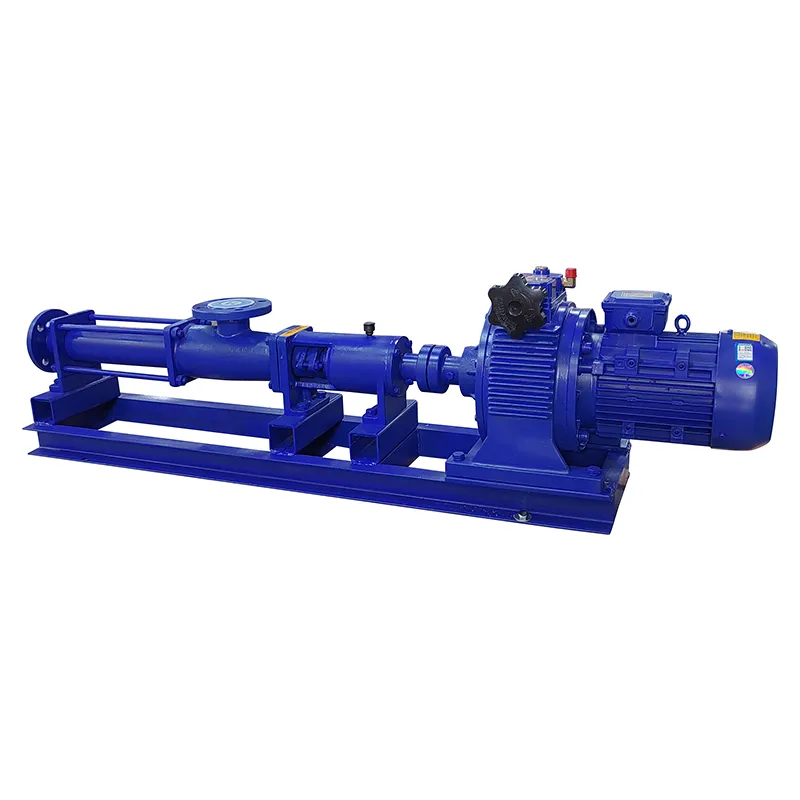 Infinitely variable screw pumps type G
-
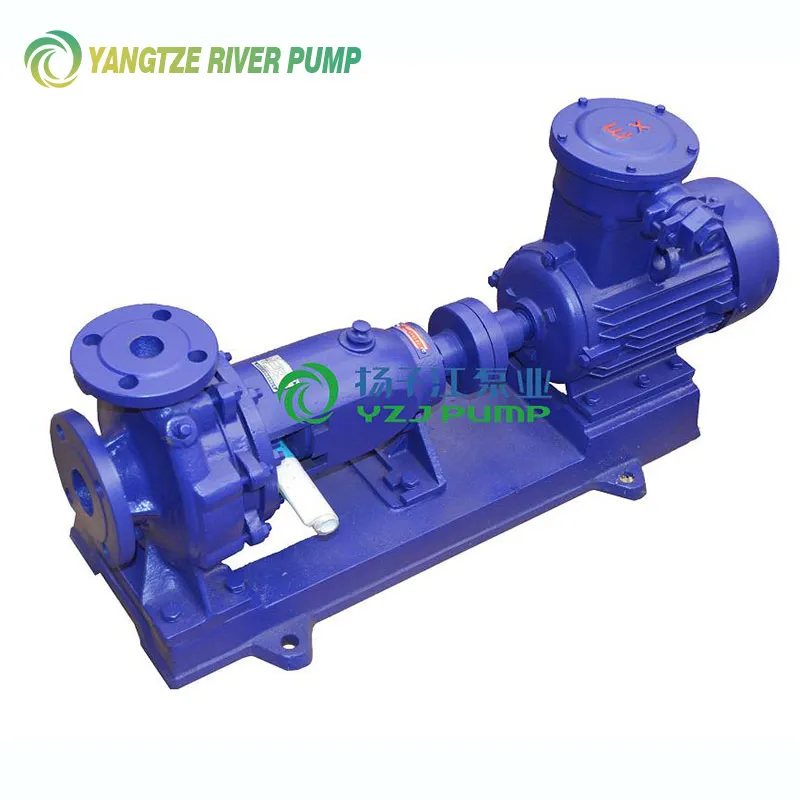 Horizontal chemical centrifugal pumps types IS and IR
-
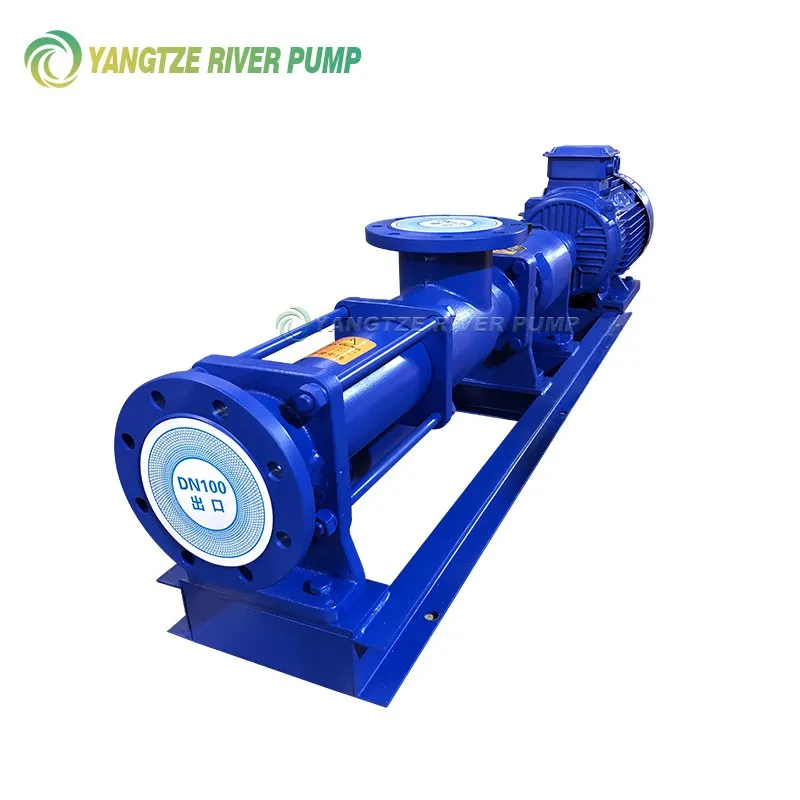 Single screw pumps type G
-
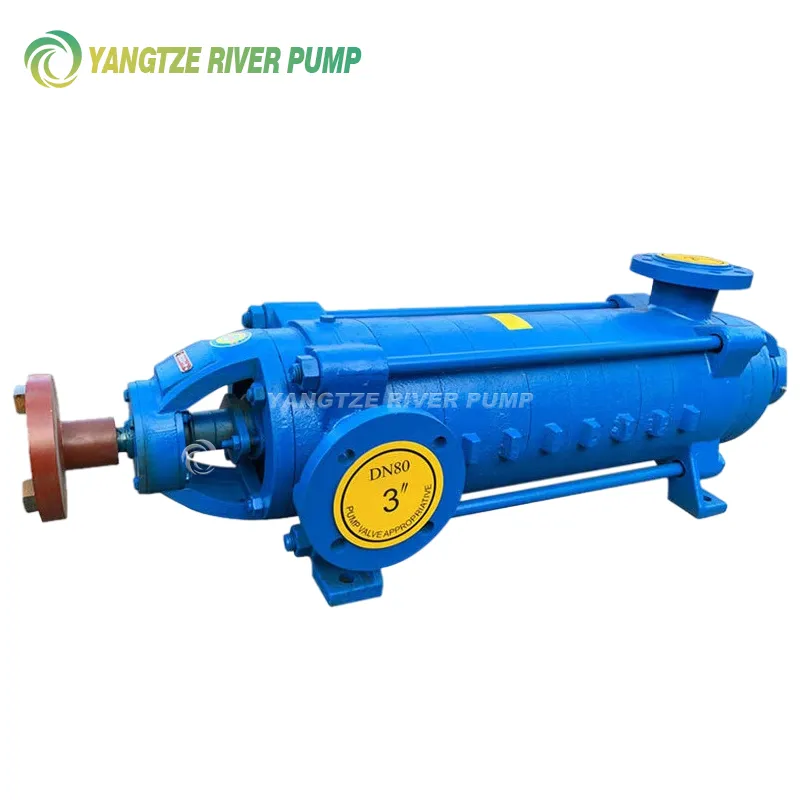 Horizontal multistage pumps for feeding DC boilers
-
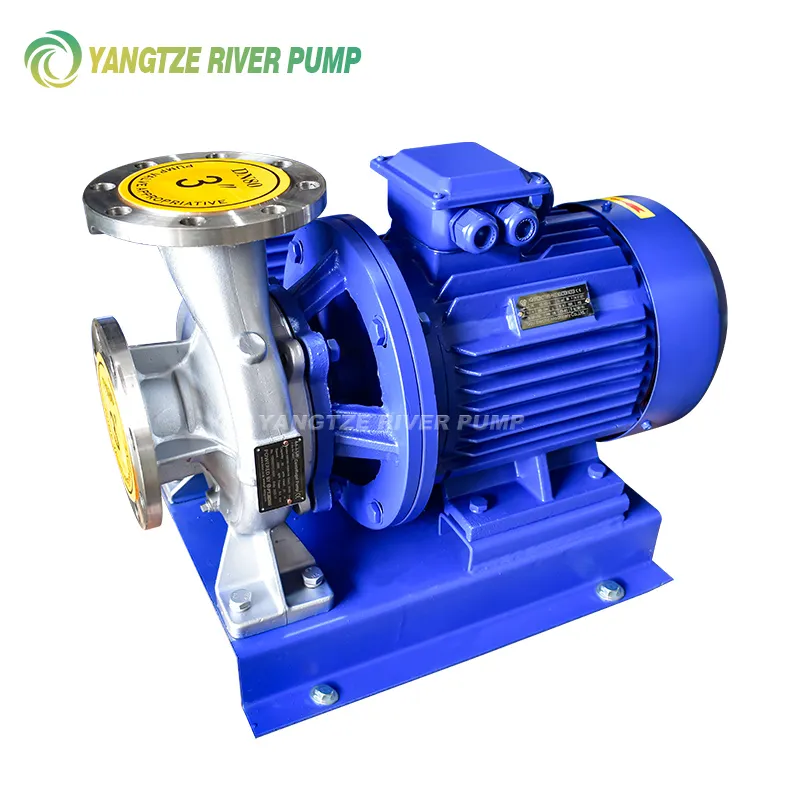 ISW and ISWH Single Stage Horizontal Pipeline Centrifugal Pumps
-
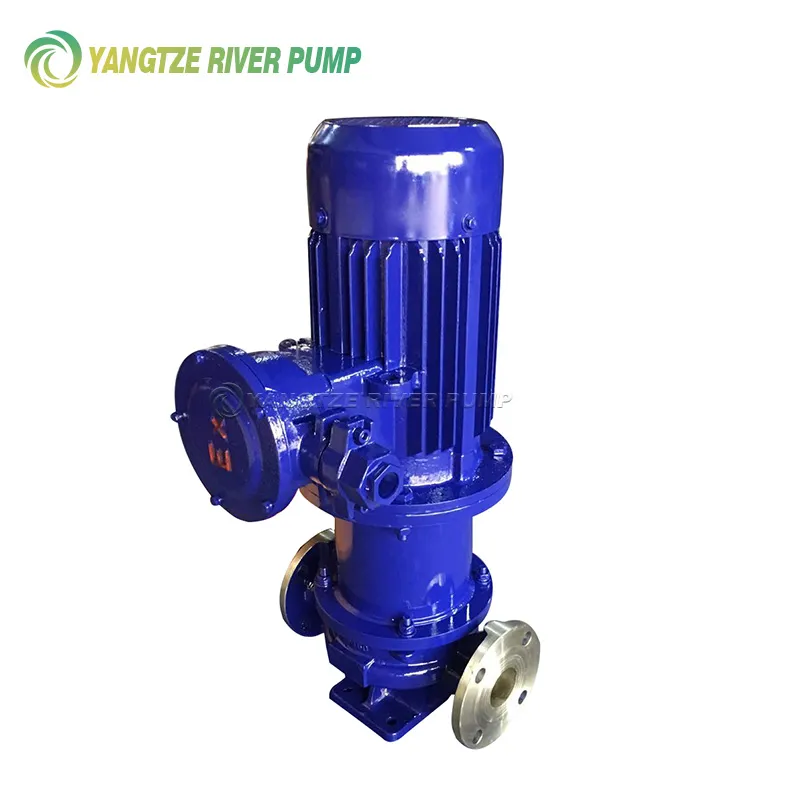 Vertical magnetic pumps CQB-L
-
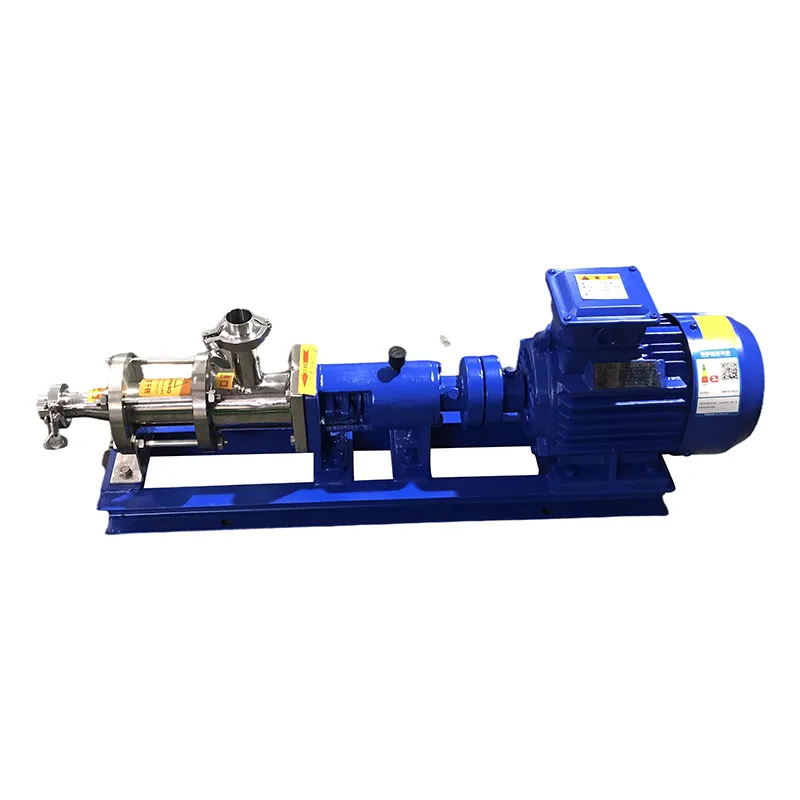 Sanitary screw pumps type GF
-
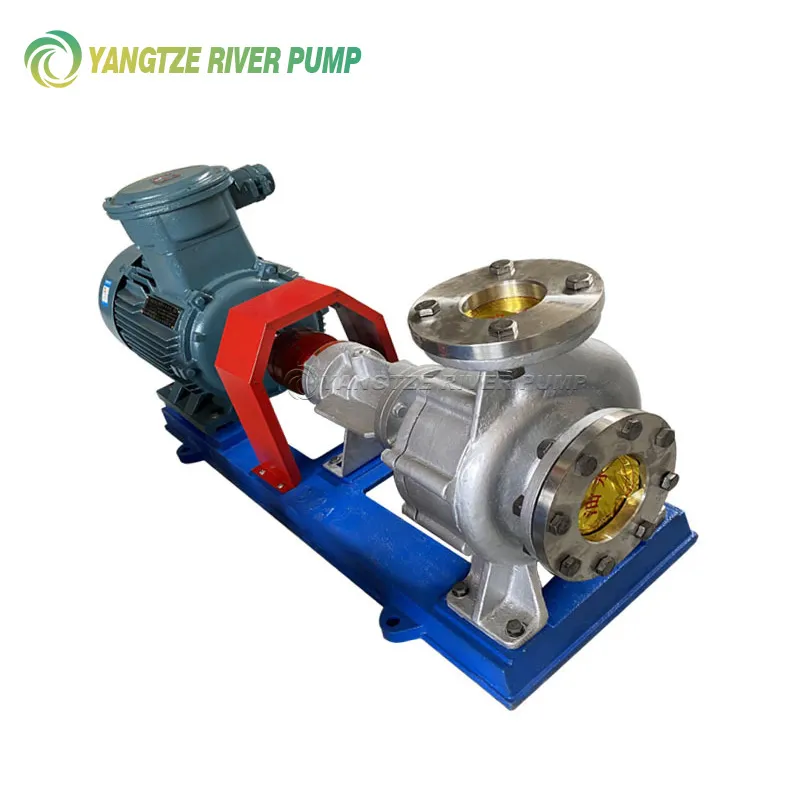 RY thermal oil pumps
-
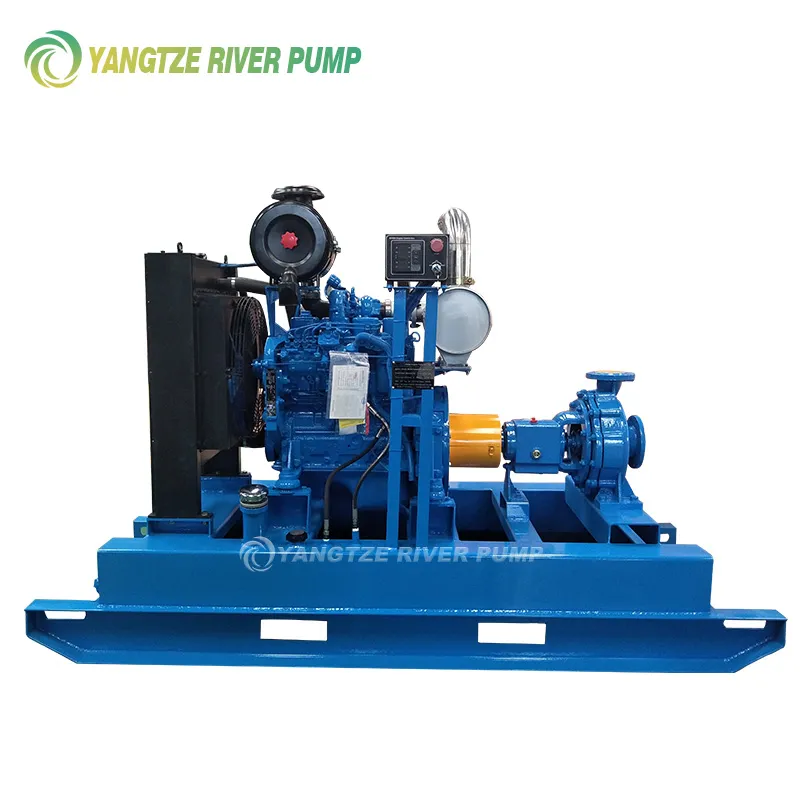 YZIS Diesel Single Stage Centrifugal Pumps
-
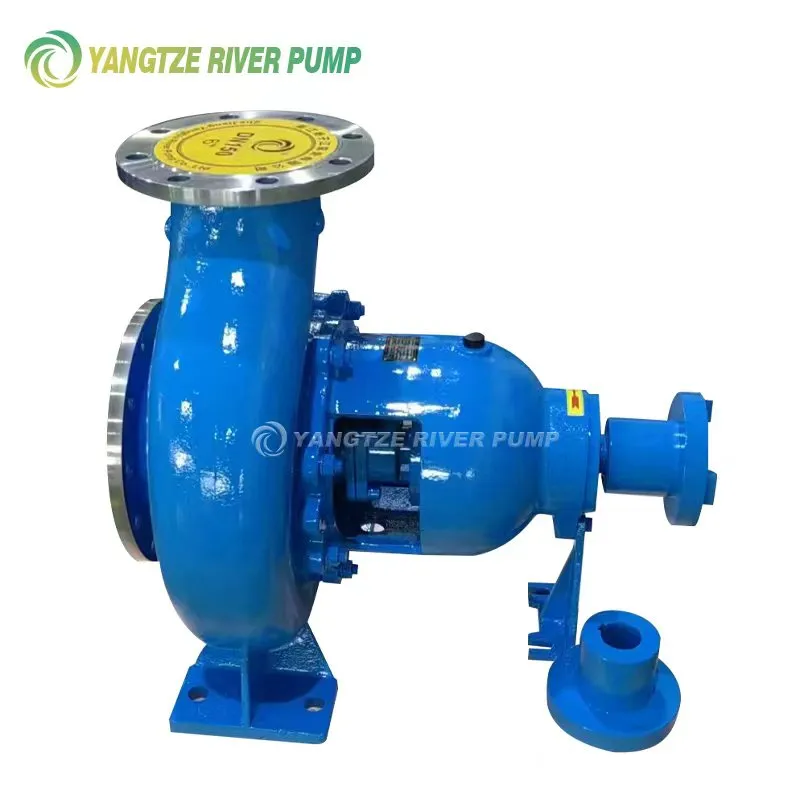 IH Stainless Steel Chemical Centrifugal Pumps
-
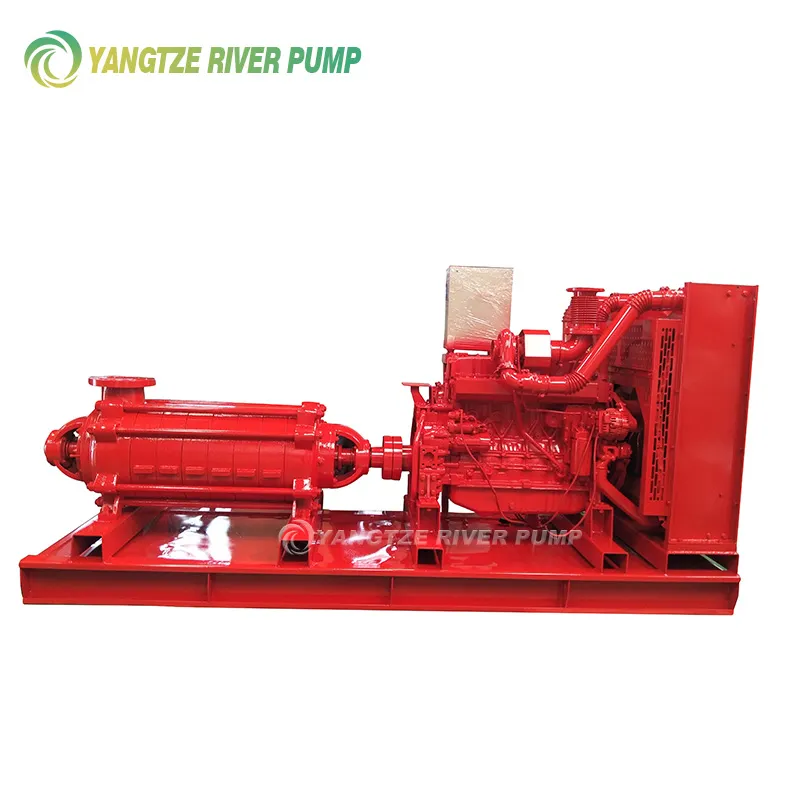 YZD Series Diesel Multistage Centrifugal Pumps
Relatedsearch
Related Search- Multistage centrifugal pumps for boiler feed
- horizontal multistage centrifugal pumps 1.8 kW
- Type G Geared Screw Pumps
- piston dosing pump
- centrifugal pump 75 mm
- GW Pipeline sewage pumps
- Diesel pumps with horizontal connector
- centrifugal hot water pump
- cantilever single-stage centrifugal pump
- diaphragm pump purpose