







centrifugal pump for well water
When they talk aboutcentrifugal pump for well water, many people immediately imagine a standard “snail?” on the surface, the hose into the well - and that seems to be all. But in practice, especially with our realities - sometimes the level drops, sometimes the sand flows, sometimes the tension jumps - this simplicity is deceptive. A common mistake is to take the first pump you come across based on the maximum pressure from the data sheet, without taking into account the dynamic water level and real losses in the pipeline. I myself saw how people installed powerful single-stage centrifugal pumps on shallow wells, and then suffered from constant airing and overheating. Here it is important to understand the difference between what a pump can theoretically deliver and what it will have to do in a particular well or well every day.
Why exactly centrifugal and not another scheme?
For a well, especially if we are not talking about a deep artesian well, but about a classic mine well up to 20-30 meters deep, the centrifugal scheme often turns out to be the optimal balance. It provides a nice, smooth flow that is less susceptible to water hammer than some piston systems and is generally easier to maintain. But "centrifugal" - this is not one type. There are console monoblocks, multi-stage vertical models for greater pressure, and self-priming options that can cope with a small amount of air in the system - this is very important for wells with a floating level.
Our assortment includesyangtzeriverpump.ruthis nuance is precisely reflected. We don’t just make “water pumps”, but divide them by application. For wells, we are often talking about linear centrifugal or standard single-stage pumps with certain modifications to the impeller material - for example, wear-resistant polymer or stainless steel, if there are abrasive particles in the water. A submersible centrifugal pump is another story, more for wells, but some models can be adapted for deep wells.
The key point that many people miss is not only the rise of water from the depths, but also its horizontal transportation to the house or point of disassembly. The nominal pressure of 40 meters is easily “eaten up?” 20 meters of horizontal run through a small diameter garden hose. Therefore, the calculation should always be carried out with a reserve, and sometimes it is better to look to the sidemultistage centrifugal pumps, which at the same consumption give a higher outlet pressure. This is not always obvious from the price tags in the store.
Experience that is worth a lot: cases from practice
I had a case where a client complained that his neighbor’s pump, which worked perfectly, was constantly running dry. We arrived and looked - the well seemed to be the same, with eight rings. We lowered the pump, turned it on - it works. We left and an hour later the phone rang: it disconnected again. It turned out that the well's flow rate was small; the pump was pumping out a column of water faster than it could come out of the reservoir. I had to put it not justcentrifugal water pump, and a kit with a frequency converter and a pressure sensor to regulate the performance according to the source debit. It is more expensive, but this is the only way, otherwise you need to change the pumps or dig the well deeper.
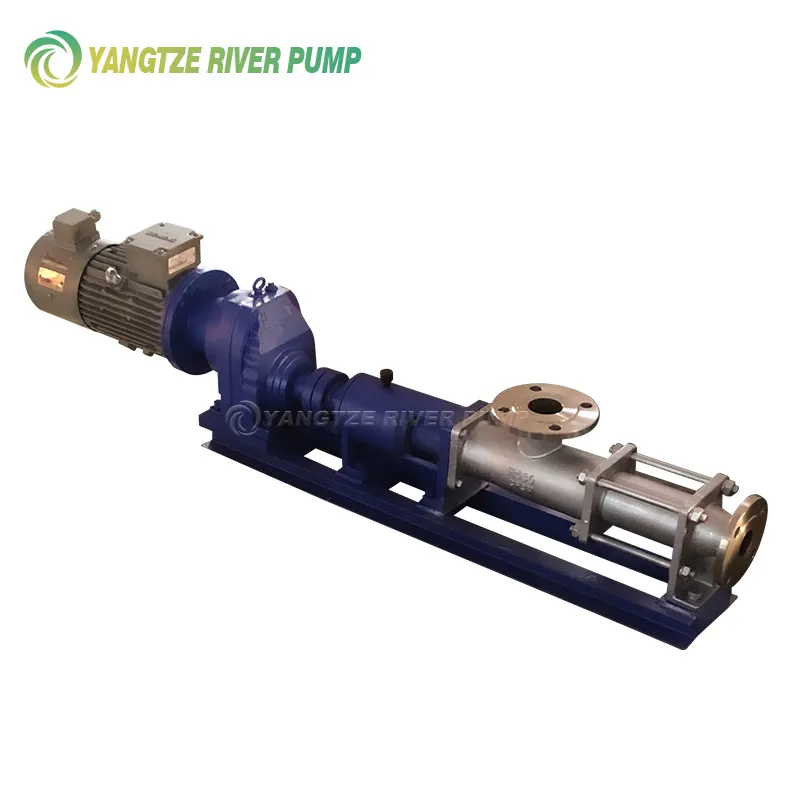
Another common scenario is sand. Even if there is a gravel filter at the bottom of the well, during active pumping the fine fraction can rise. An ordinary technopolymer impeller of standard quality can turn into a sieve over the course of a season. In such cases, for Zhejiang Yangzijiang Pumping Industry LLC, we always recommend either models with reinforced impellers, or, if the water is very heavy, look towards other designs, for example, screw pumps. But they are no longer centrifugal, and this is a compromise in performance.
There is also a story about winter preservation. A centrifugal pump installed permanently in a caisson or well pit must be drained correctly. If water remains inside and freezes, the body made of cast iron or composite will simply burst. And this is not a warranty case! We had to disassemble more than one unit in the spring, where the client forgot to drain the water or did it incompletely. Now we always emphasize this point when selling.
What we offer: not just a sale, but a solution
Our production at Zhejiang Yangzijiang Pumping Industry Co., Ltd. is designed to be flexible in responding to such unusual tasks. Eight full lines are not just for show. This means that if a well with aggressive water needscentrifugal pumpwith a special plastic flow path, we can put it into production without having to reconfigure the entire plant. Or if you need a model with a larger shaft and bearings to work with increased vibration, that can also be solved.
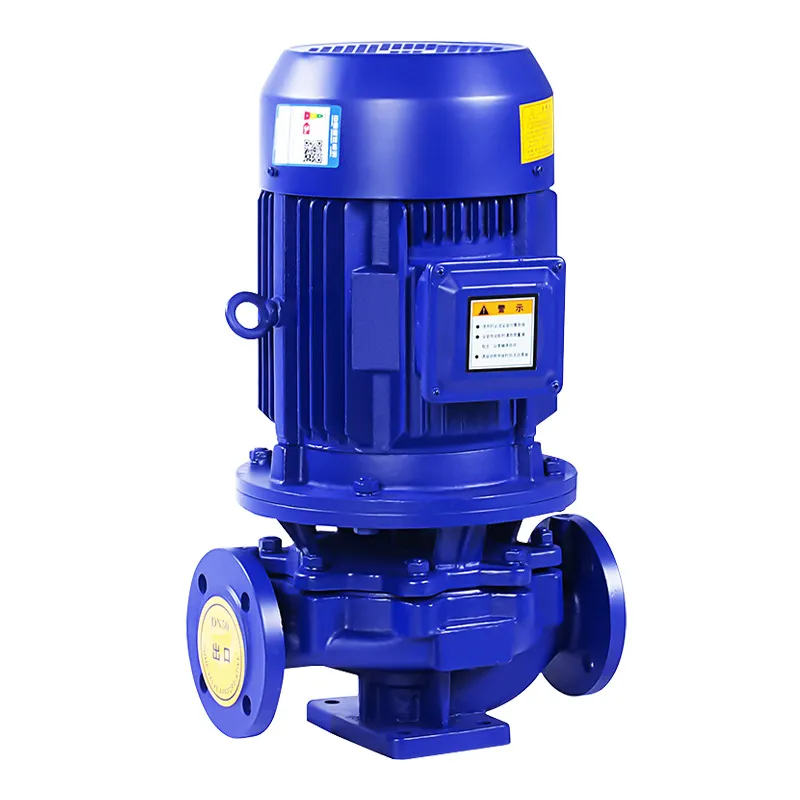
Specifically for wells, we have good L-series linear centrifugal pumps and some self-priming models. Why? They often have a wider flow part, less sensitive to fine sand, and are easier to maintain - the design is dismountable. Multistage vertical pumps are for tasks where serious pressure is needed, for example, to lift water from a well to the second floor of a house or to water a garden at the far end of a site under pressure.
But we never insist on selling the most expensive. It happens that a person just needs to water a small garden from a well 5 meters deep. An inexpensive single-stage centrifugal pump will do the job here. The main thing is to select it correctly according to the characteristics graph, so that the operating point (pressure-flow rate) is in the optimal efficiency zone, and not at the limit. This will extend the resource significantly. We teach this to both our dealers and end customers through materials on the website.
Tips that you won't always find in the instructions
The first is a check valve. A must for any stationary system with surfacecentrifugal pump for well water. It should be placed not on the pump, but at the end of the suction hose lowered into the water. And the hose must be rigid and reinforced so that it does not collapse under vacuum. I saw “installations” where they used a regular PVC hose for irrigation - after a month it shrank into an accordion, and productivity dropped to zero.
The second is protection. A dry running sensor and pressure switch are not a luxury, but a necessity for an automatic water supply system. But they also need to be configured correctly. A common mistake is to install a pressure switch with a range of 1.5-3 bar on a system that is fed by a weak pump that produces a maximum of 2.5 bar. The pump will try to reach the upper limit endlessly and will overheat. It is better to install a relay with an adjustable differential and set it for a specific pump.
And the third thing is editing. The surface centrifugal pump should be located as close as possible to the well and as low as possible relative to the water level. Every meter of vertical distance from the water surface to the pump is a loss in its suction ability. If the distance is large, it is better to consider the option with a remote ejector or a submersible model, although this is a different category of equipment.
Looking to the Future: Where Technology is Heading
The trend now is intellectualization and energy efficiency. Simplecentrifugal pump, operating directly from the network, is gradually becoming a thing of the past for permanent water supply systems. They are being replaced by pumps with built-in frequency converters or ready-made pumping stations based on them. They smoothly regulate speed depending on water flow, which saves electricity, reduces wear and, what is important for a well, does not create sudden pressure surges that destroy the walls and raise turbidity from the bottom.
We are also developing this direction in our line. But it is important to understand that for a dacha where people come for the weekend, such a complex and expensive system may be redundant. This is where classic, proven solutions are relevant - reliable, maintainable, with accessible spare parts. Our production is precisely on this balance: we make both high-tech models for regular use and simple “workhorses”. for seasonal tasks.
In the end, the choicecentrifugal pump for well water- this is always a search for a compromise between price, required parameters (pressure, flow) and operating conditions (water quality, well flow rate, power grid stability). There is no ready-made universal answer. There is an understanding of the principles of operation, knowledge of materials and practical experience, which allows you to avoid typical mistakes and select equipment that will serve for years, not just one season. This is exactly what our work at Zhejiang Yangzijiang Pumping Industry LLC is aimed at - not just selling a product, but ensuring it has a long and effective life with the customer.
Correspondingproducts
Related Products




Best Sellingproducts
Best Selling Products-
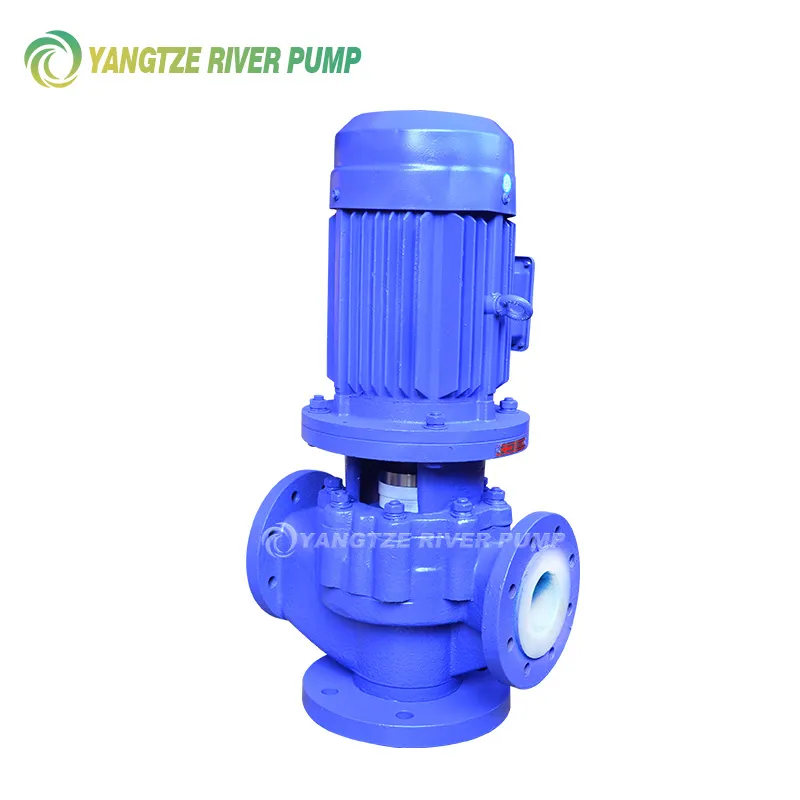 Vertical pumps with PTFE lining YQF
-
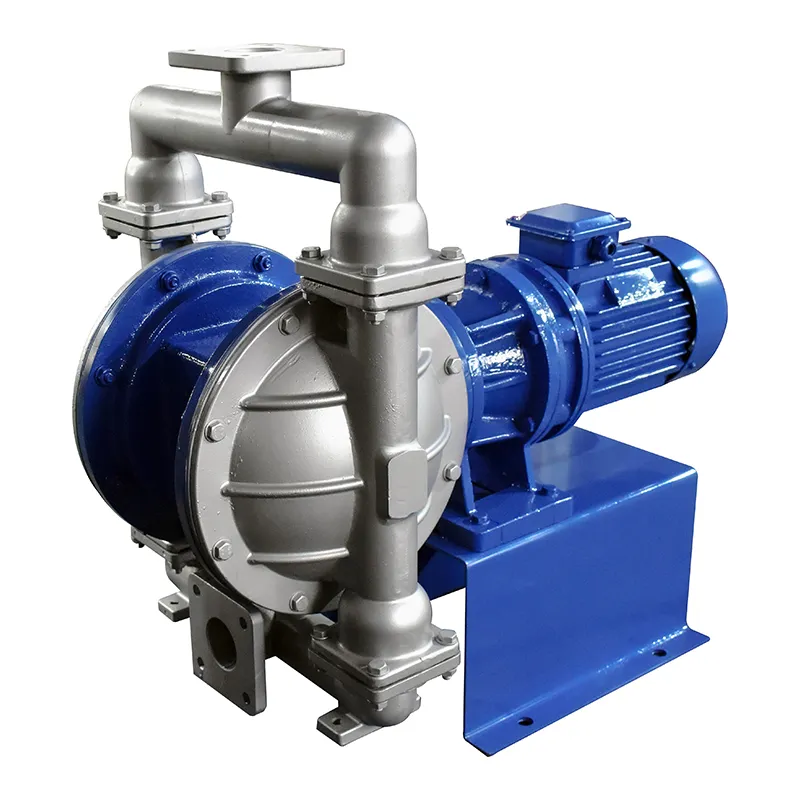 Metal electric diaphragm pumps DBY
-
 Non-clogging self-priming wastewater pumps ZW
-
 Infinitely variable screw pumps type G
-
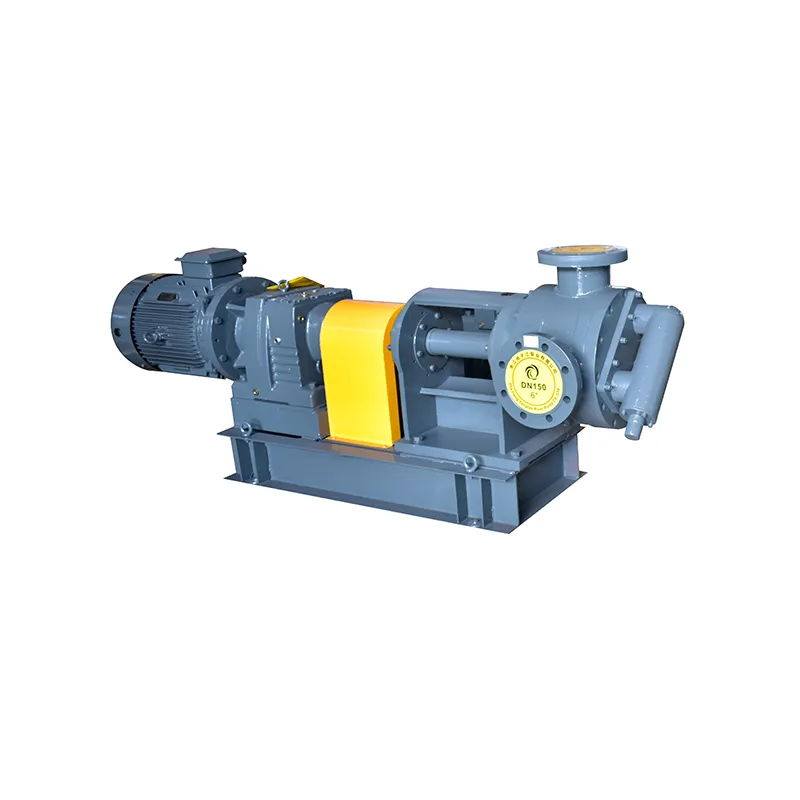 NYP High Viscosity Internal Gear Pumps
-
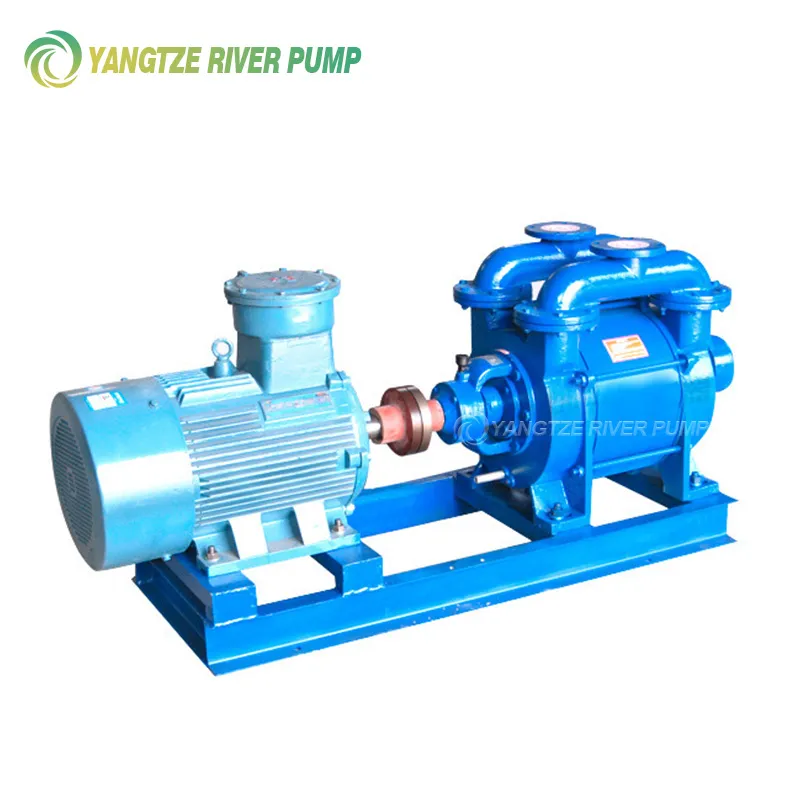 Liquid ring vacuum pumps type SK
-
 Horizontal multistage centrifugal pumps (light series) CHL and CHLF
-
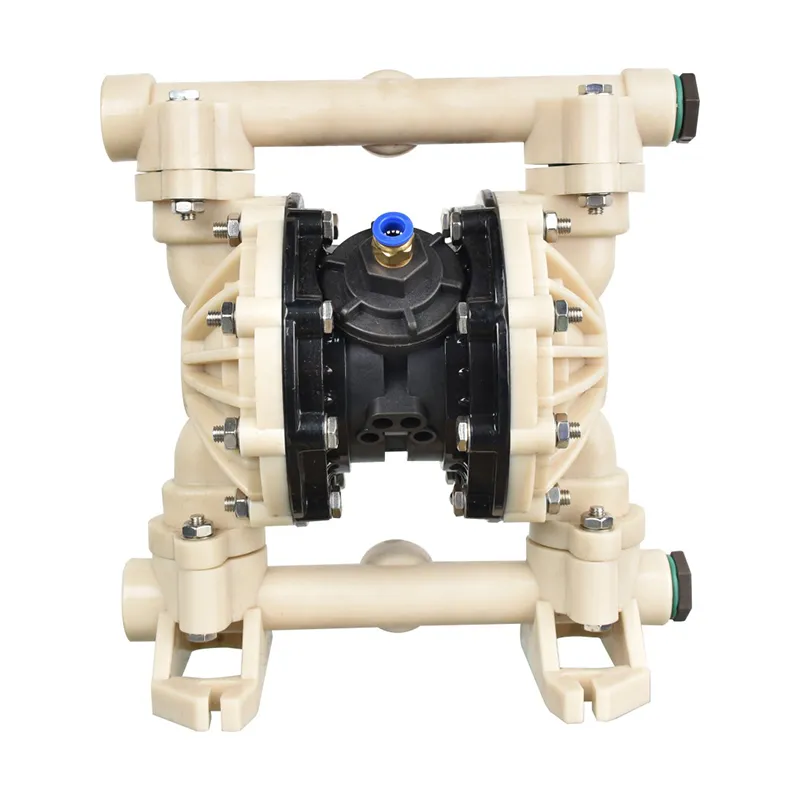 QBK Non-Metallic Air Operated Diaphragm Pumps
-
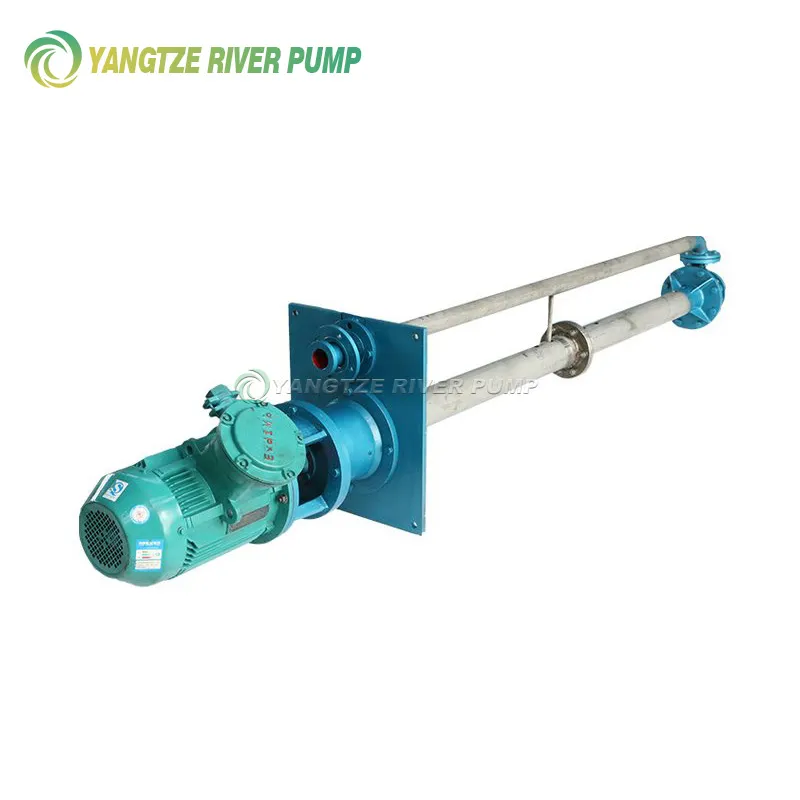 FY Submersible Chemical Pumps
-
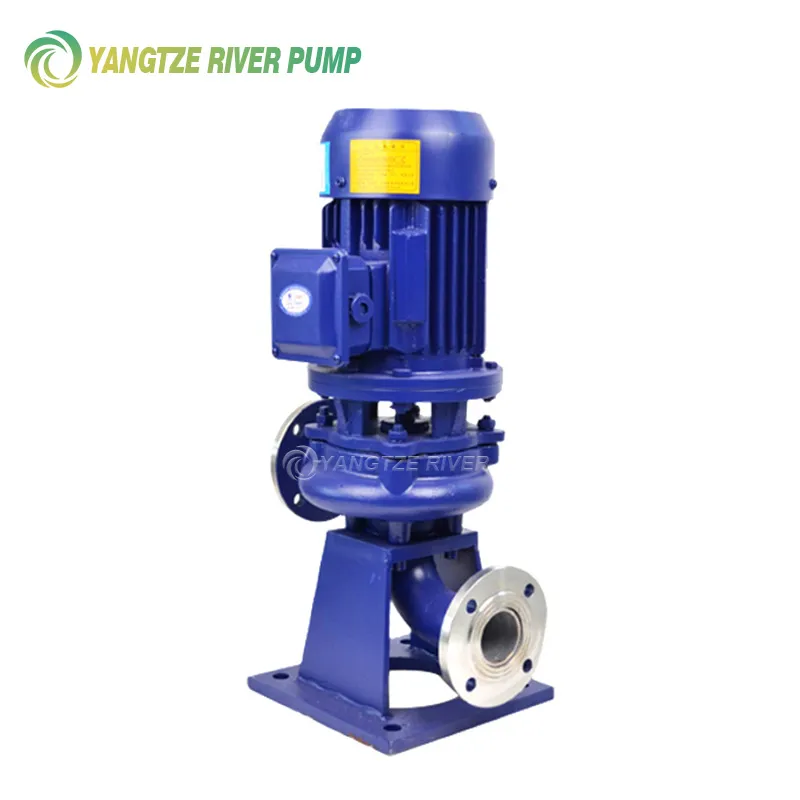 Non-clogging vertical wastewater pumps LW
-
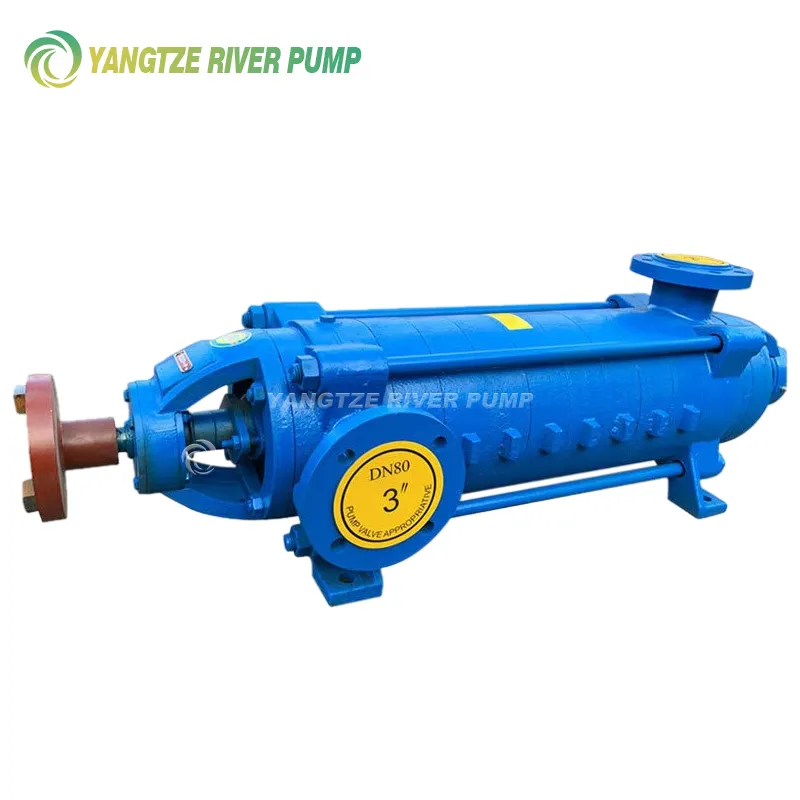 Horizontal multistage pumps for feeding DG boilers
-
 Metal pneumatic diaphragm pumps QBK