







centrifugal pump 6 kW
When you hear “centrifugal pump 6 kW?”, the first thing that comes to mind is probably a simple number, a characteristic of the engine. Many people choose this way, especially at sites where the pumping issue needs to be quickly resolved. But if you dig deeper, this figure itself already contains dozens of nuances: what type of centrifugal pump, for what medium, what impeller, what seals, what actual performance at a specific pressure. A common mistake is to assume that a 6 kW pump will always produce the same parameters, regardless of design. In fact, the difference between, say, a single-stage cantilever pump and a multi-stage vertical pump with the same power is like between a car and a truck. Both drive, but solve completely different problems.
Power is not the main parameter
Yes, 6 kW is a significant power reserve. But a key point that is often overlooked when ordering is the unit's efficiency and operating characteristic curve. I have seen many cases, especially in water supply systems of small villages, when a pump was installed with a power that was suitable according to the passport, but was incorrectly selected according to the operating point. As a result, the motor either runs idle, overloaded with current due to displacement into the zone of low productivity and high pressure, or, conversely, “suffocates.” at high flow rates, it overheats. And all this with the same cherished 6 kilowatts on the nameplate.
In our production, Zhejiang Yangzijiang Pumping Industry Co., Ltd., before shipment, eachcentrifugal pumpundergoing bench tests. So, for models in the range of 5.5-7.5 kW, we definitely take the full characteristics: pressure, flow, current consumption, vibration. And sometimes you see how the customer, having received the schedule, is surprised: “Why, with my required 80 cubic meters per hour and 40 meters of pressure, is the current below the nominal value?” And because the pump is selected exactly at the operating point, the efficiency is close to the maximum, and the engine is not forced to “fight” with hydraulics. This is the correct selection, and not just a coincidence in kilowatts.
Another practical aspect is the trigger point. For centrifugal pumps with direct start from a 380V network, the moment is significant. If there are valves in the line, and they forget to open them slightly before starting, or if the pumped medium is more viscous than water (say, the same glycerin solution), then the same 6 kW may simply not turn the shaft at the first moment. You have to either install a soft start, or advise the customer to check the start conditions. It’s a small thing, but because of it there are calls with complaints: “The pump hums, but does not pump?”. But the reason is not the pump.
Single stage or multi stage? That's the question
With a power of 6 kW, you can make either a very efficient single-stage pump for pumping large volumes of water with low pressure (for example, for irrigation or drainage), or a compact but high-pressure multistage unit for pressure boosting systems in high-rise buildings or for supplying water from deep wells. These are two different worlds.
In our assortment, which can be seen onyangtzeriverpump.ru, there are both. For process water, where simplicity and maintainability are important, we often recommend classic console single-stage models. Cast iron body, standard mechanical seal - everything is familiar, everything can be serviced even in the field. But for clean water, where a stable pressure of 100 meters and above is needed, we are already looking towards vertical multi-stage pumps. The materials are different (often stainless steel), the assembly is more precise, and the requirements for the cleanliness of the pumped medium are stricter.
I had experience at one of the water treatment facilities. The customer wanted to replace the old worn-out pump with a similar one, also single-stage, 6 kW. But, having studied the technological map, we saw that it actually does not need a high flow rate, but rather maintaining high pressure in the filter system, and with minimal pulsations. Persuaded into a trial delivery of a multi-stagecentrifugal pump 6 kW. The result is that the pressure has stabilized, energy consumption has dropped by almost 15% due to work in the optimal zone, and there is less noise. But this is the case when it was necessary to delve into the process, and not just change “hardware for iron”.
Materials and environment: from water to chemistry
The mention of a power of 6 kW does not say anything about what can be pumped with this pump. And this is perhaps the most critical moment. A standard cast iron pump at this power for aggressive media is a recipe for disaster in a couple of months. In our company, as indicated in the description, we have a whole line of plastic chemical pumps. And for them there are also models in the range of 5.5-7.5 kW. But this is a completely different story: housing and impeller made of PP or PVDF, seals made of Viton or EPDM, shaft made of stainless steel with a protective sleeve.
I remember there was a request from a small chemical shop for a pump for pumping hydrochloric acid of medium concentration. Sent technical specifications: performance, pressure - our standard model was suitablecentrifugal pumpat 5.5 kW. But during the process of clarification, it turned out that the ambient temperature is up to 60°C, and there are also periods of downtime when the acid is drained and the pump remains dry. A standard chemical mechanical seal might not withstand these conditions, especially dry starts. It was necessary to offer an option with double sealing and flushing, although this increased the cost of the design. But it’s better to explain it once and do it reliably than to later deal with the consequences of an acid leak.
For ordinary water, especially when it comes to drinking water supply, the body material is cast iron with an internal coating of food-grade epoxy resin. This is standard on many of our models. It would seem like a small thing - the coating. But without it, cast iron rusts from the inside over time, suspension appears, and the water becomes cloudy. For a 6 kW pump, which, as a rule, operates in the main line, this is unacceptable. Therefore, during testing we check not only the parameters, but also the integrity of this coating after hydrotesting under pressure.
Installation and piping: where the problems lie
The most reliable pump can be ruined by improper installation. This is especially true for relatively powerful models, such ascentrifugal pump 6 kW. Vibration from the electric motor, hydrodynamic forces in the pipeline - all this requires a rigid foundation and proper piping. A common mistake is to rigidly connect the pump to the inlet and outlet pipelines without compensators or flexible inserts. As a result, stresses are transferred to the pump housing and can lead to depressurization of the mechanical seal or even cracks in the casting.
Another point is the location. If this is a self-priming model (and we also have these in our program), then it is important to maintain the distance to the liquid level and the length of the suction line. A 6 kW pump can create a significant vacuum, but if there is air leakage at the suction through leaks or if the line is too long and with many elbows, cavitation cannot be avoided. And cavitation for an impeller means, at a minimum, erosion and a drop in parameters, and at a maximum, destruction. We always state this in the instructions, but, unfortunately, not all installers read it.
There was an illustrative case during the installation of a pump in a hot water recirculation system. The pump was installed perfectly, but they forgot about the expansion tank and the safety valve on the closed circuit. When heated, the pressure in the system jumped above the calculated value; the pump, although it was designed for such pressure, began to operate on the far left side of the characteristic curve, almost like a closed valve. The engine overheated and the protection tripped. It's good that it didn't burn. I had to explain the basics of closed system hydraulics. After installing the necessary fittings, work returned to normal. Conclusion: the pump is part of the system, and its operation depends on all its elements.
Service and durability: what to watch after launch
After a 6 kW pump is up and running, many people forget about it until the first problem occurs. But in vain. A simple periodic check is the key to many years of service. First of all, it is vibration and noise control. A manual check is often enough: put your hand on the body - if unusual vibration appears, then it’s time to look for the cause. This could be bearing wear, impeller imbalance due to erosion or cavitation, or foundation problems.
The second key point is the condition of the mechanical seal. For powerful pumps, leakage through the seal means not only a loss of fluid, but also the risk of abrasive getting on the rubbing surfaces, which accelerates wear. In our practice, for critical applications, we sometimes recommend installing leakage monitoring sensors in the seal chamber. This is an inexpensive solution that can prevent major repairs.
And, of course, we must not forget about periodic audits. For a pump operating, for example, on clean water, this may be once every two to three years. Disassemble, check clearances, condition of the wheel, replace the seal and oil seals. For pumps pumping abrasive suspensions or chemically active media, the intervals are naturally shorter. On our websiteZhejiang Yangzijiang Pumping Industry Co.,LtdWe post manuals and service bulletins for the main models so that customers have all the information at hand. After all, our goal is for the equipment to work, and not just be sold.
As a result, returning to the original request “centrifugal pump 6 kW?” is not a product item in a catalog, but a whole set of technical solutions. The choice depends on hundreds of factors that are known only to those who are faced with a specific task. Our job, as a manufacturer with a full cycle from R&D to service, is not just to offer hardware, but to help select and adapt a solution so that these 6 kilowatts turn into years of problem-free operation on site. And this, believe me, is much more difficult than simply casting a housing and putting on an electric motor.
Correspondingproducts
Related Products


Best Sellingproducts
Best Selling Products-
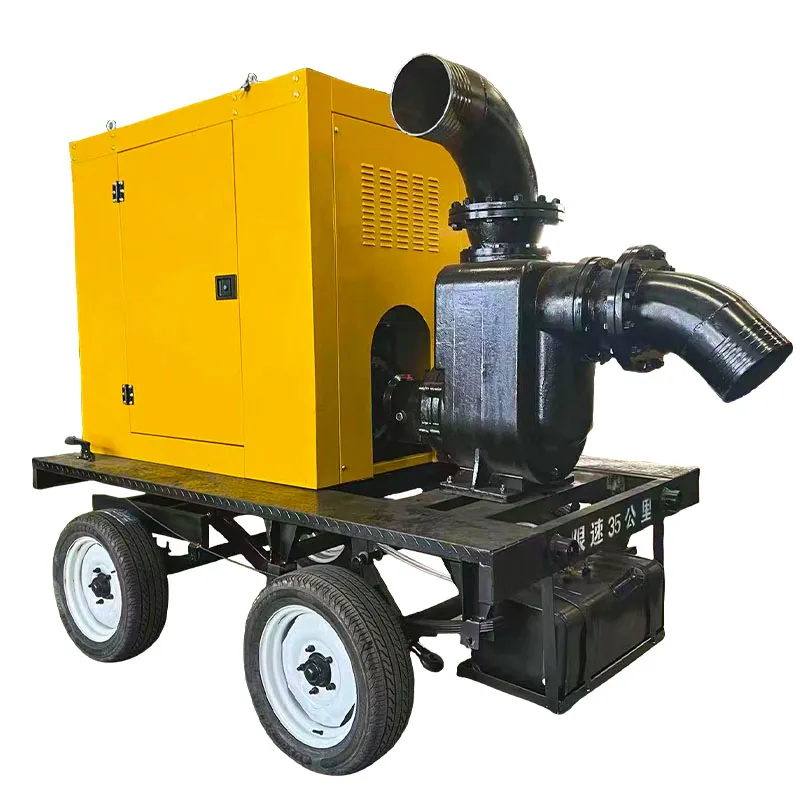 YZZW Diesel self-priming pumps
-
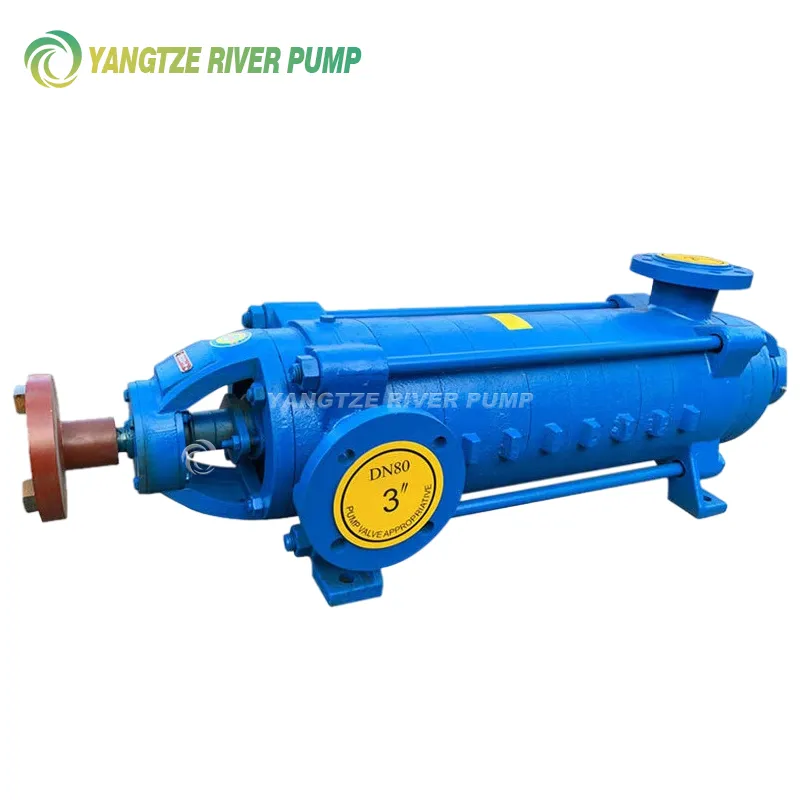 Horizontal multistage pumps for feeding DC boilers
-
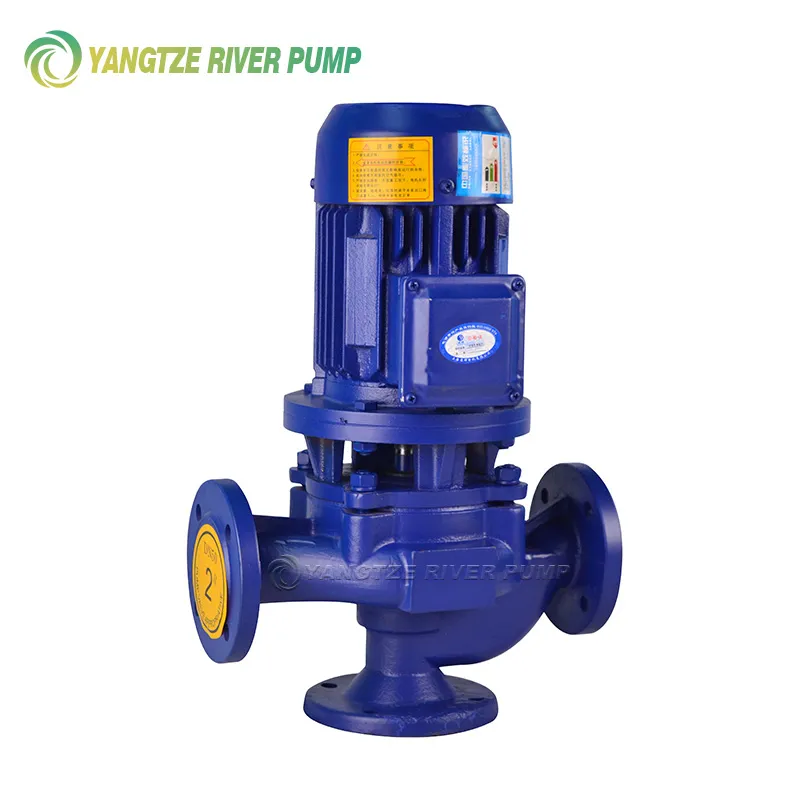 Pipeline wastewater pumps GW
-
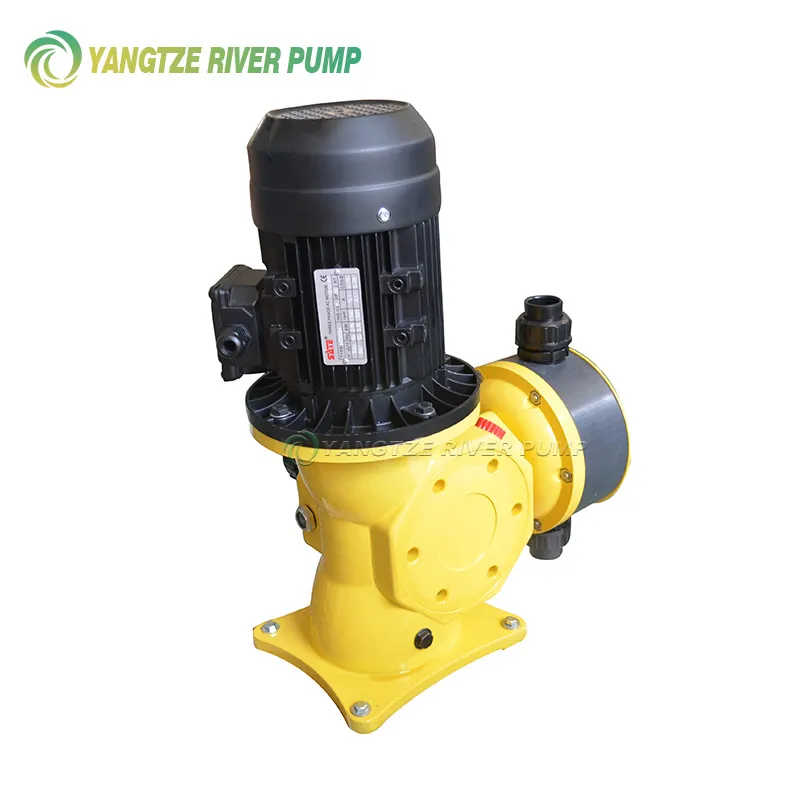 Mechanical diaphragm dosing pumps DJ-D
-
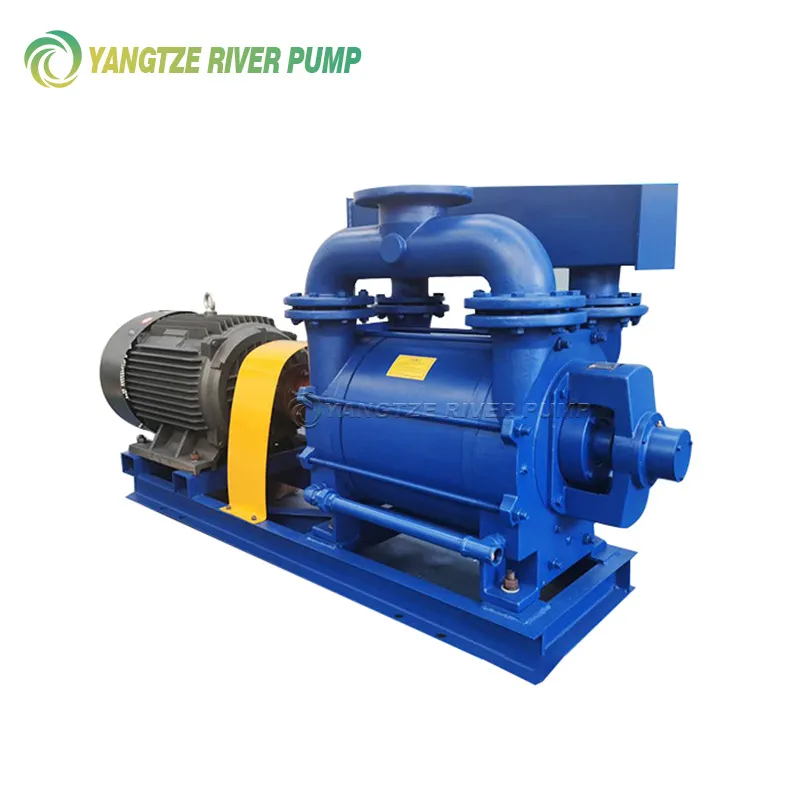 Liquid ring vacuum pumps type 2EB
-
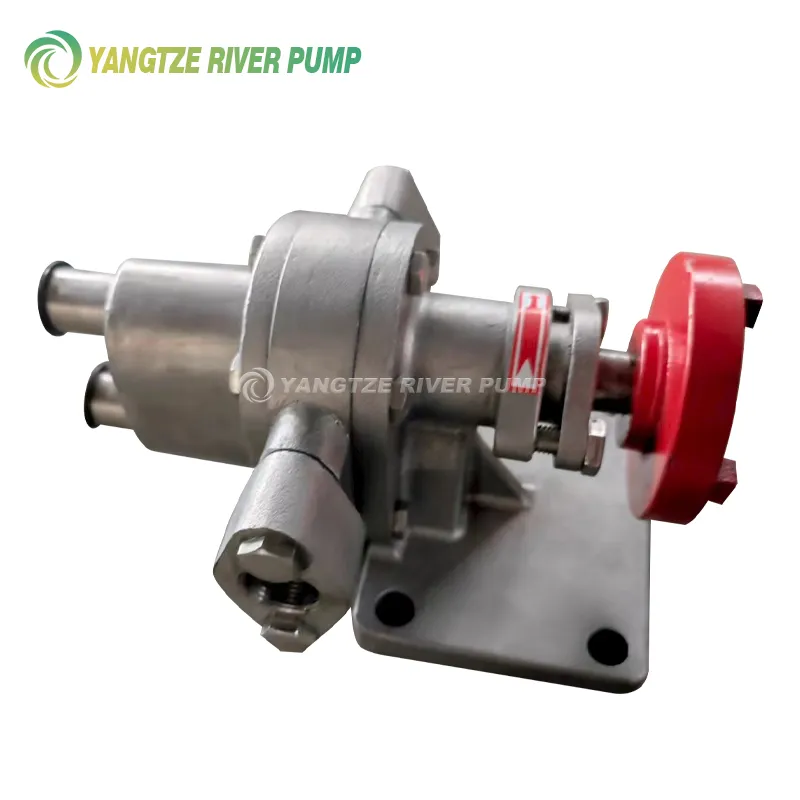 Gear oil pumps type KCB
-
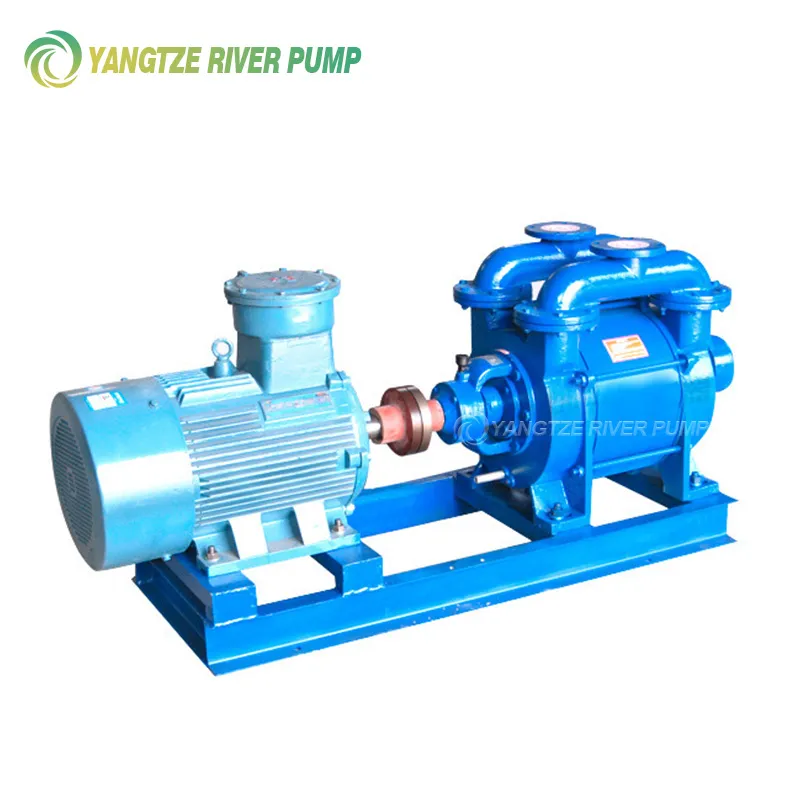 Liquid ring vacuum pumps type SK
-
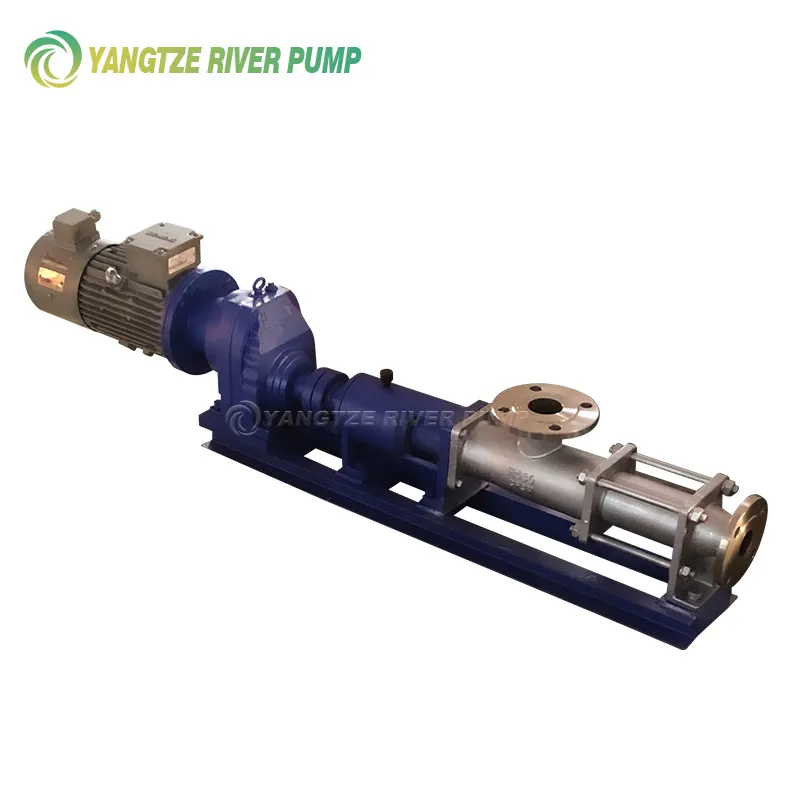 Geared screw pumps type G
-
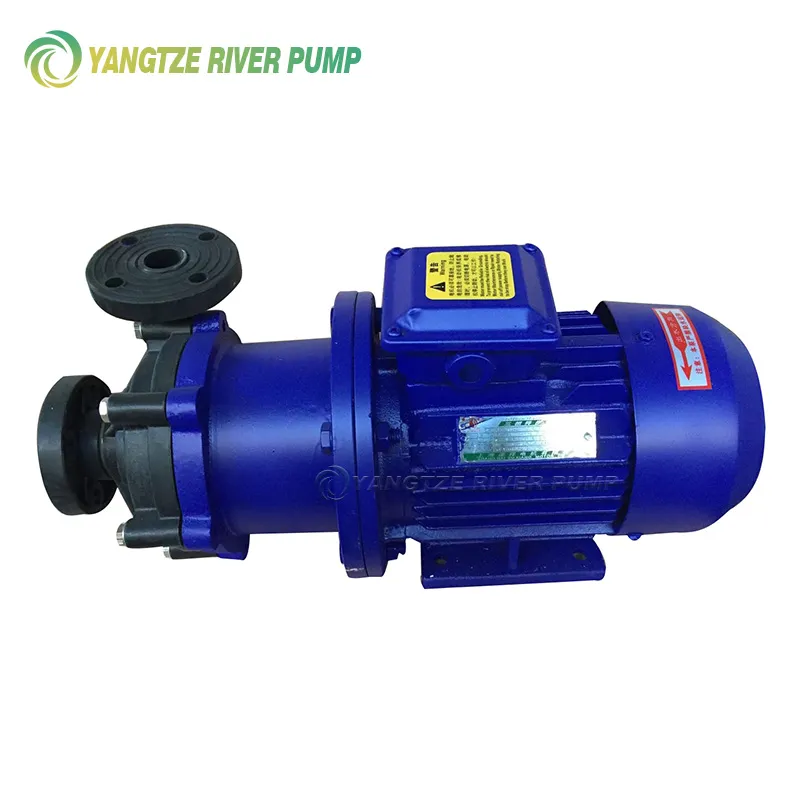 CQF Plastic Magnetic Pumps
-
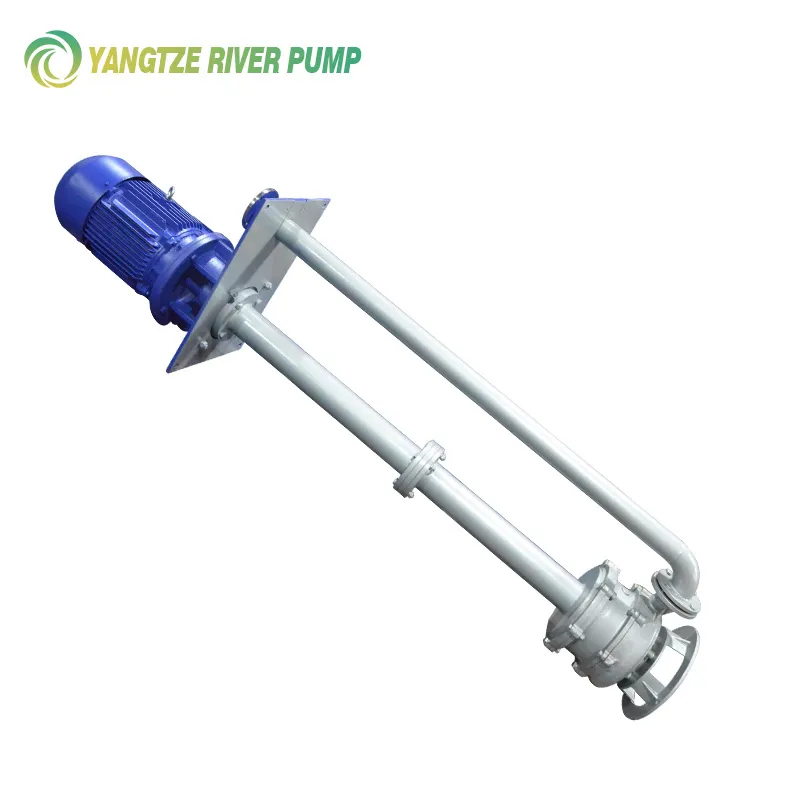 YW Vertical Submersible Sewage Pumps
-
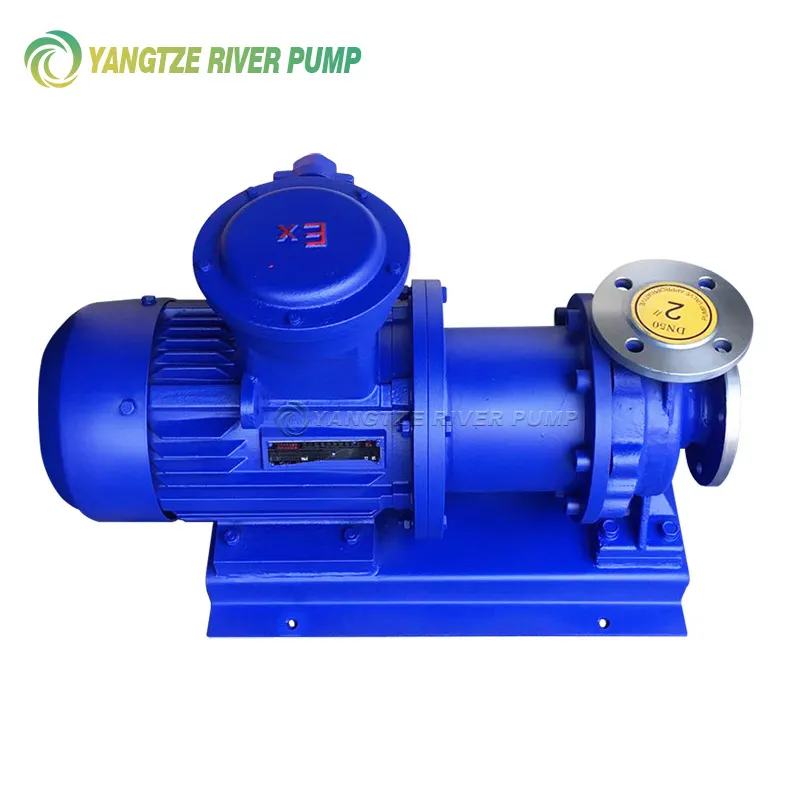 CQB Stainless Steel Magnetic Pumps
-
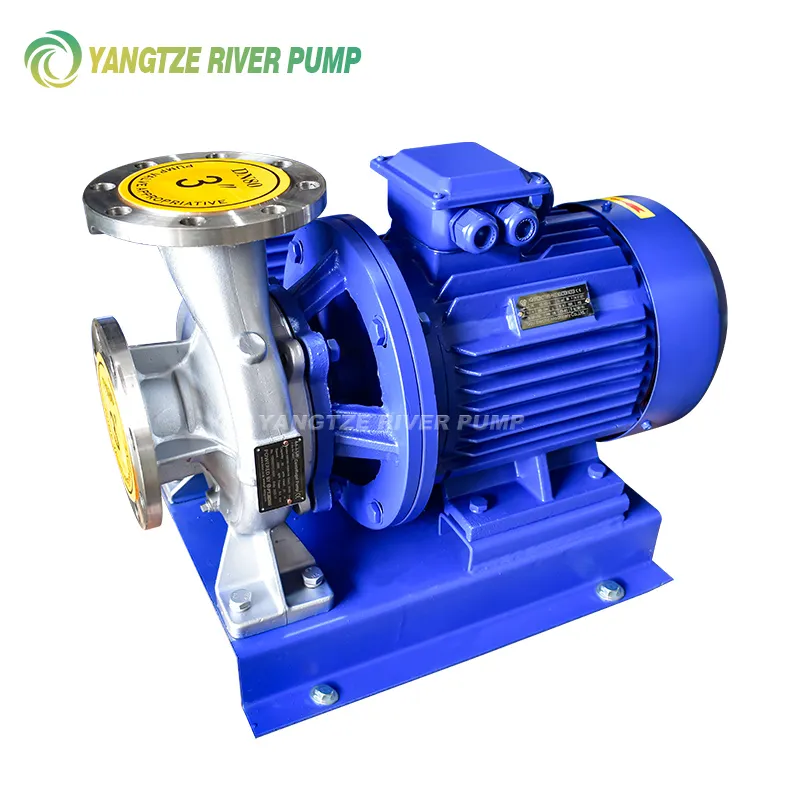 ISW and ISWH Single Stage Horizontal Pipeline Centrifugal Pumps