







centrifugal pump manufacturers
When they talk aboutcentrifugal pump manufacturers, many immediately imagine huge CNC workshops and ready-made catalogs. But in reality, the key is often not to grind the impeller according to GOST, but to understand how this impeller will behave on a specific sodium sulfate solution after six months of operation. Or why a pump, ideally calculated according to hydraulics, produces 15% less pressure on site due to unaccounted for viscosity. It is these pitfalls that are not written in the specifications that I would like to speculate about.
From drawing to metal: where efficiency is lost
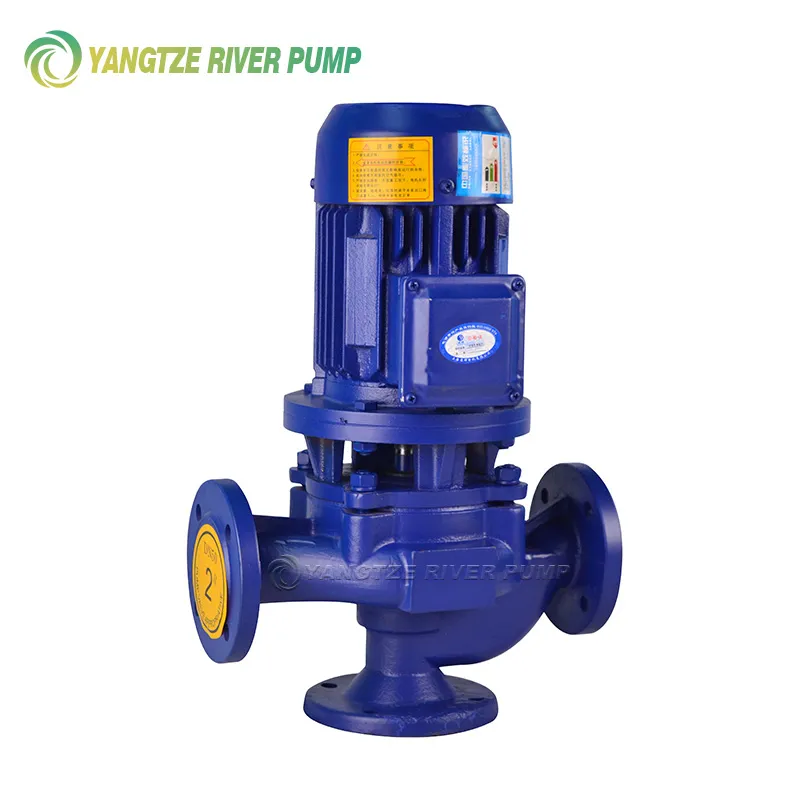
Let's take what seems to be the simplest moment - the production of a spiral outlet. Manycentrifugal pump manufacturersthey buy cast housings, and this is logical. But when we at Zhejiang Yangzijiang Pump Industry Co., Ltd., based on our experience, switched to welded sheet casings for a series of linear centrifugal pumps, we encountered something that was not obvious. The cast surface inside, even after processing, has micro-roughnesses, which at high speeds give additional hydraulic losses. A welded body, if it is properly welded and the joint is polished, gives a gain of 2-3% efficiency on water. But as soon as you switch to an abrasive medium, these same polished walls begin to wear out faster than cast ones. You have to choose: efficiency or resource. There is no universal answer; each time we consider it according to the task.
But multistage pumps are a completely different story. There, in addition to hydraulics, the assembly of the package is critical. The slightest misalignment of the guide vane – and the rotor begins to “play”, not immediately, but after reaching operating temperature. We spent a long time catching one such problem at the test bench: the pump was undergoing acceptance tests, and after an hour of operation, the vibration slowly creeped up. It turned out that the material of the body and bushings had a different coefficient of thermal expansion. We had to select pairs of materials and introduce temperature corrections during assembly. Of course, you can’t write about this in catalogs, but for real work, knowledge is necessary.
Or about testing. Many people think that since there is a test bench, it means that all pumps are running under load. In fact, 100% testing of each unit is a huge investment of time and resources, especially for large models. More often there is a random inspection or testing on water, although the customer takes a pump to pump, say, molasses. Therefore, in our company we have taken the path of creating separate test circuits for typical media - glycol, oil, weak alkalis. This allows you to avoid guessing from viscosity conversion charts, but to provide the client with already verified data for his specific task. This is more expensive, but greatly reduces the number of claims after launch.
Materials: not only stainless steel and cast iron
Standard set: cast iron, steel 20, stainless steel AISI 304/316. Many people have this listcentrifugal pump manufacturersand ends. But in the chemical industry this is catastrophically little. For example, we actively use duplex steel and Hastelloy for particularly aggressive environments. But the main stumbling block is not metals, but plastics. Our plastic chemical pump shop is constantly faced with paradoxical things.
PP (polypropylene) resists many acids well, but is resistant to mechanical shock and, importantly, some organic solvents that cause stress cracking. A client once ordered a PP pump to pump hydrochloric acid mixed with methylene chloride. Separately, the material could withstand both. But after three months the body developed microcracks in the mixture. We had to urgently convert it to PVDF, although initially it was 2.5 times more expensive. Now we always clarify the full composition of the medium, including even trace impurities.
Another point is seals. Standard EPDM or Viton is suitable for 80% of cases, but not for all. For example, when pumping hot hydrogen peroxide solutions, some elastomers catalyze decomposition. I had to look for special compositions based on PTFE. This is a small thing, but if you miss it, the pump may fail not because of corrosion, but because of a damaged seal, which the client will perceive as a general defect.
Logistics and on-site assembly: hidden challenges
Large pumps, especially multi-stage high-pressure ones, are often supplied disassembled - separately housing, rotor, guide vanes. And this is where the fun begins. There are installation instructions, but they do not take into account that the site may not have a level mounting area or the required torque wrench.
There was a case with the supply of linear centrifugal pumps for an irrigation system. The pumps arrived, and on site it turned out that the foundation bolts were placed with a deviation of 5 mm from our passport data. The installers began to “hold out” the pump was jacked, which led to misalignment. When starting up, there was a strong vibration immediately. A specialist had to come out, dismantle and pour new anchor slabs. Now, in the documentation of large units, we set out on a separate sheet the requirements for the preparation of the foundation with tolerances, and for critical projects we offer a visit from our engineer to accept the site before delivery of the equipment. This adds work, but insures against much greater losses.
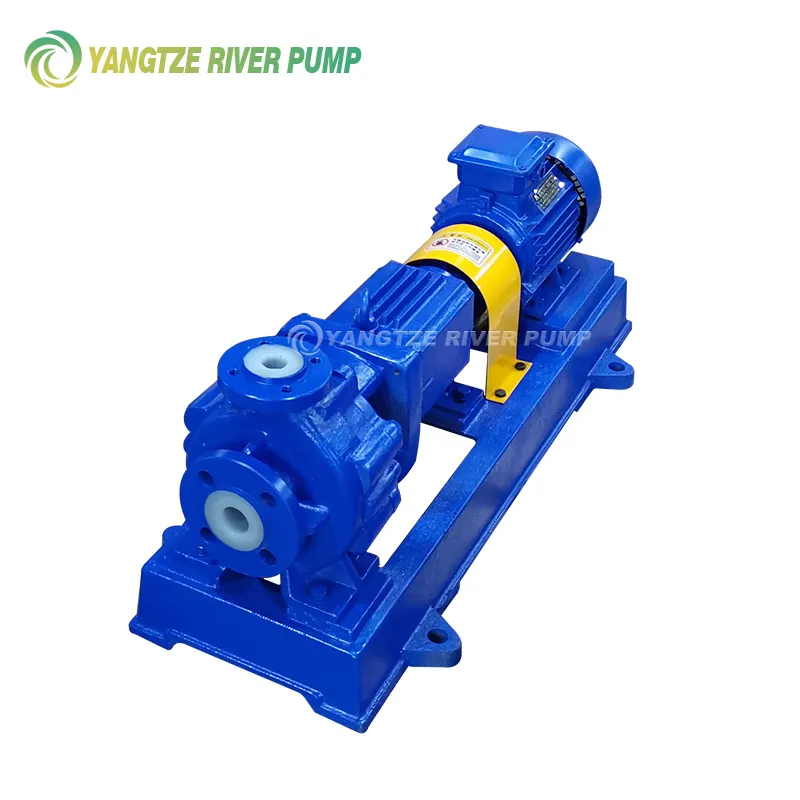
Magnetic pumps have their own specifics. The sealless design is a plus, but it requires perfect alignment of the drive and driven magnets. During transportation, a shock or fall may dislodge the inner sleeve and the pump will either not start or will overheat. Therefore, we pack them in special containers with the shaft secured, and in the passport we write in large print: “Before installation, check the free rotation of the rotor manually.” It would seem obvious, but in practice this check is missed in half the cases.
Service as part of production
It is often believed that workmanufacturer of centrifugal pumpsends with shipment. In fact, it is the after-sales period that provides the most valuable information for finalizing the design. At Zhejiang Yangzijiang Pumping Industry LLC, our service and R&D departments sit in the same office, and this is no coincidence.
For example, failure statistics for self-priming pumps have shown that most problems are not related to the mechanical part, but to airing or loss of priming after a long period of inactivity. This has led to modifications in the design of the hydraulic chamber and the recommendation to install a certain type of check valve, even if they are not included in the basic configuration. This recommendation has now become standard for projects with unstable levels in the receiving tank.
Another example is submersible pumps for wells. According to our data, every fifth warranty case is overheating due to dry operation. or at a reduced level. There are level sensors, but they are often disabled or ignored. We began to offer as an option built-in thermal protection in the motor winding, which turns off the power when the temperature becomes critical, even if the external automation did not work. This simple solution, born from failure analysis, significantly increased reliability in the eyes of customers.
Instead of a conclusion: about trust and details
So what does all this mean? What to bemanufacturer of centrifugal pumps– it’s not just having eight production lines, as, for example, in our enterprise. This means constantly dealing with less-than-ideal conditions, incomplete customer data, and physical limitations of materials. The most valuable experience is the experience of failures, your own or those of your colleagues in the market.
Therefore, now, when a request comes to us, we try to find out as much as possible: not only the parameters of the medium, but also the nature of its supply (constant, pulsed), the presence of water hammer in the system, and the qualifications of the operating personnel. Sometimes, after such a conversation, it is more profitable for the client to offer not a centrifugal pump, but, say, a diaphragm pump, although for us this means a lower contract amount. But in the long run, this attitude creates a reputation that advertising cannot buy.
It is on these details, on the willingness to dive into the customer’s problem, and not just sell a unit from a catalog, that real production is built. Machines and lines are important, but they are just a tool. The main thing is to understand what happens inside the pump, not in ideal water on a stand, but in real, often “dirty” water. and the customer’s changing technological chain. This is what we strive for.
Correspondingproducts
Related Products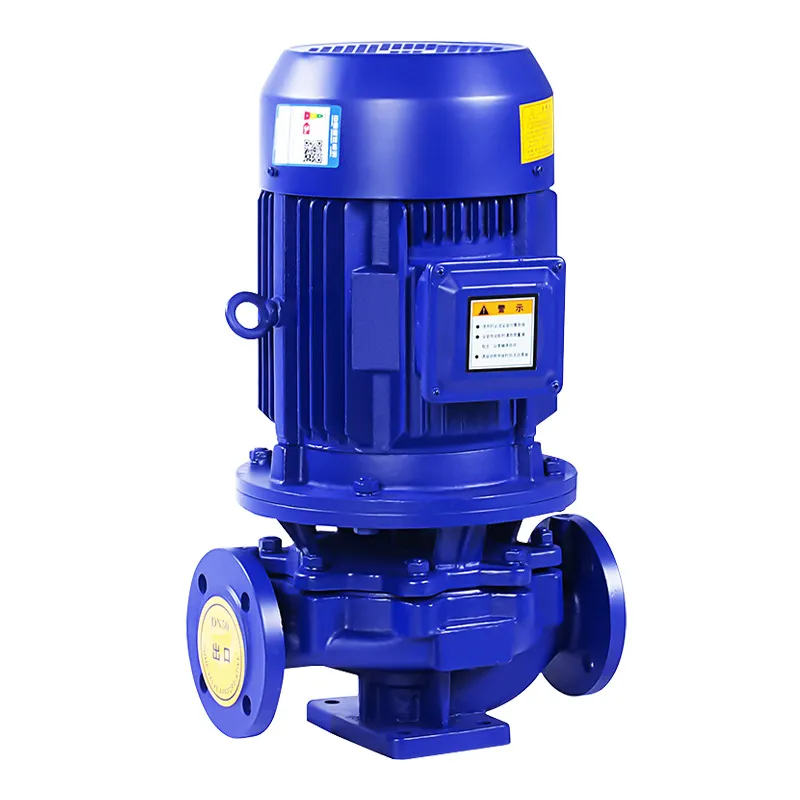
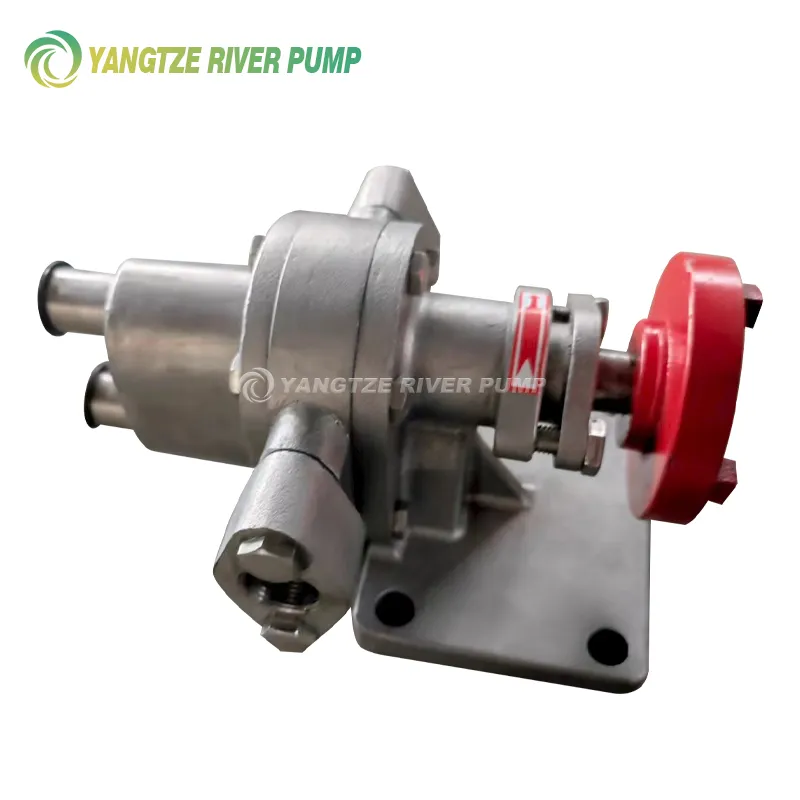


Best Sellingproducts
Best Selling Products-
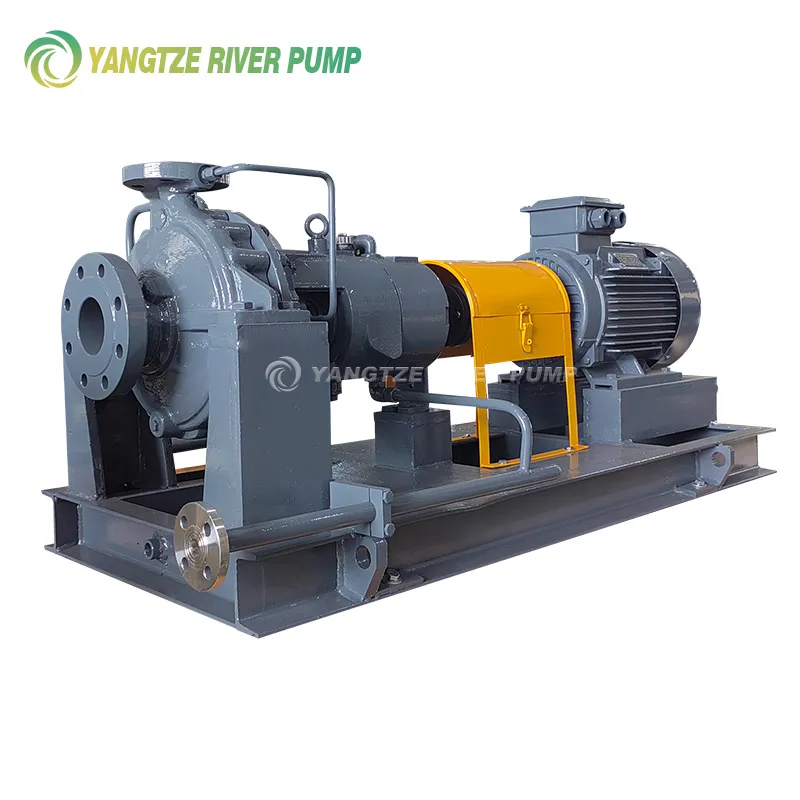 Petrochemical Process Pumps API 610 YZE
-
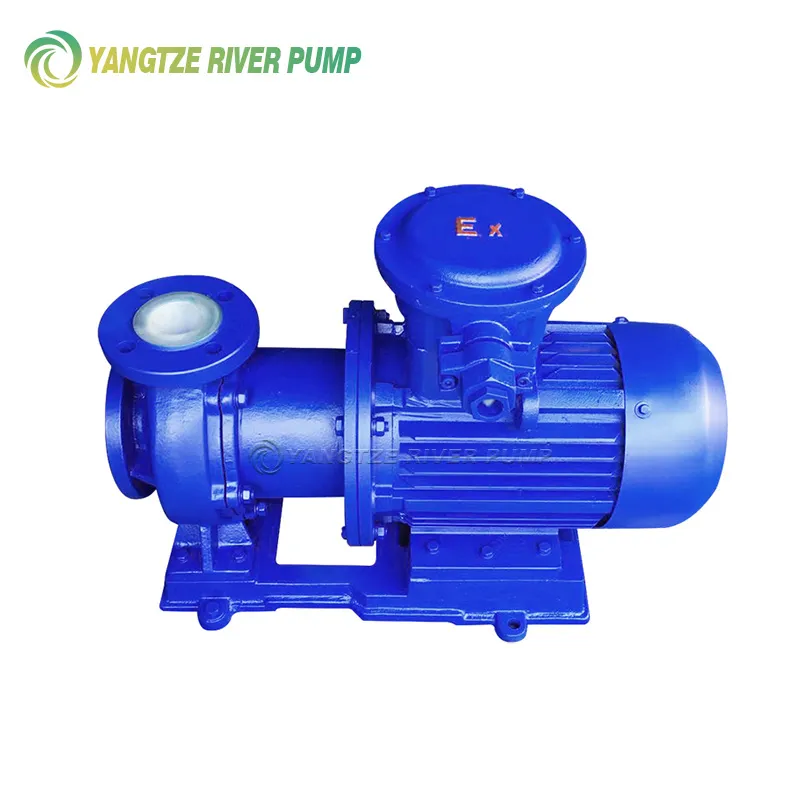 Magnetic pumps with fluoroplastic lining CQB-F
-
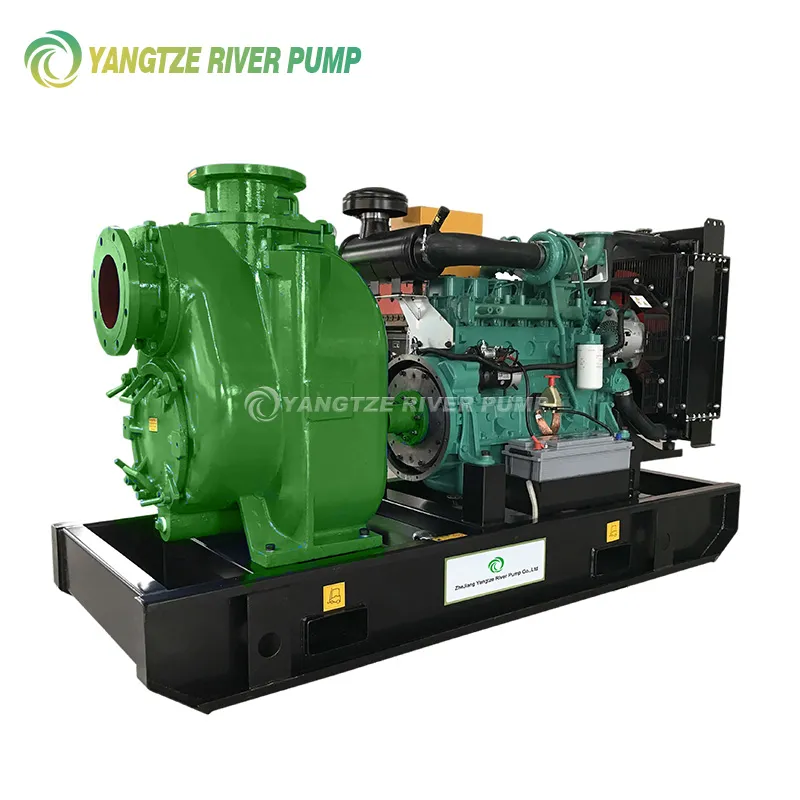 YZSP Diesel Self-Priming Pumps
-
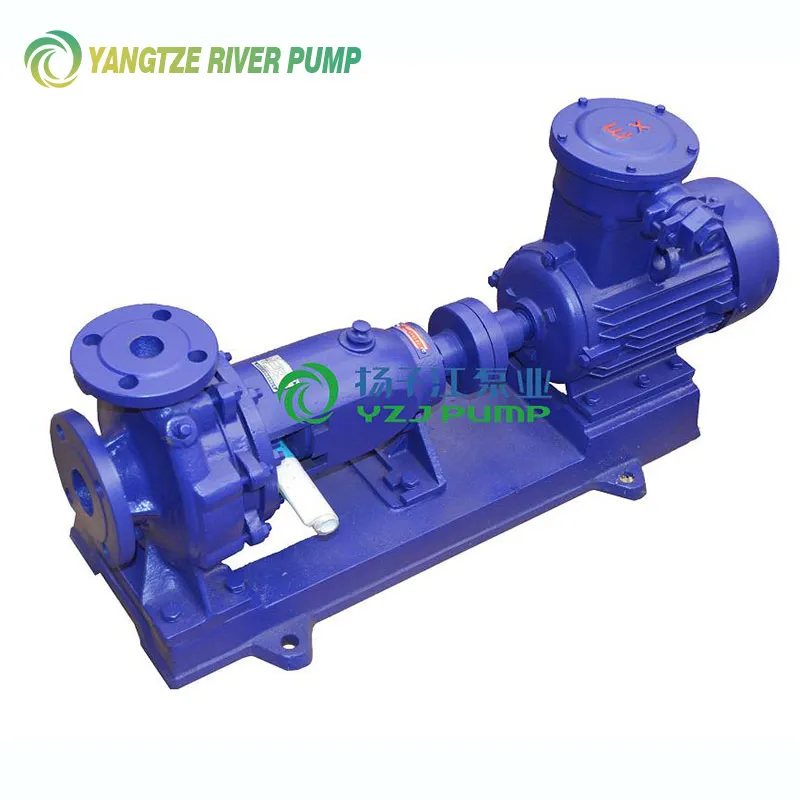 Horizontal chemical centrifugal pumps types IS and IR
-
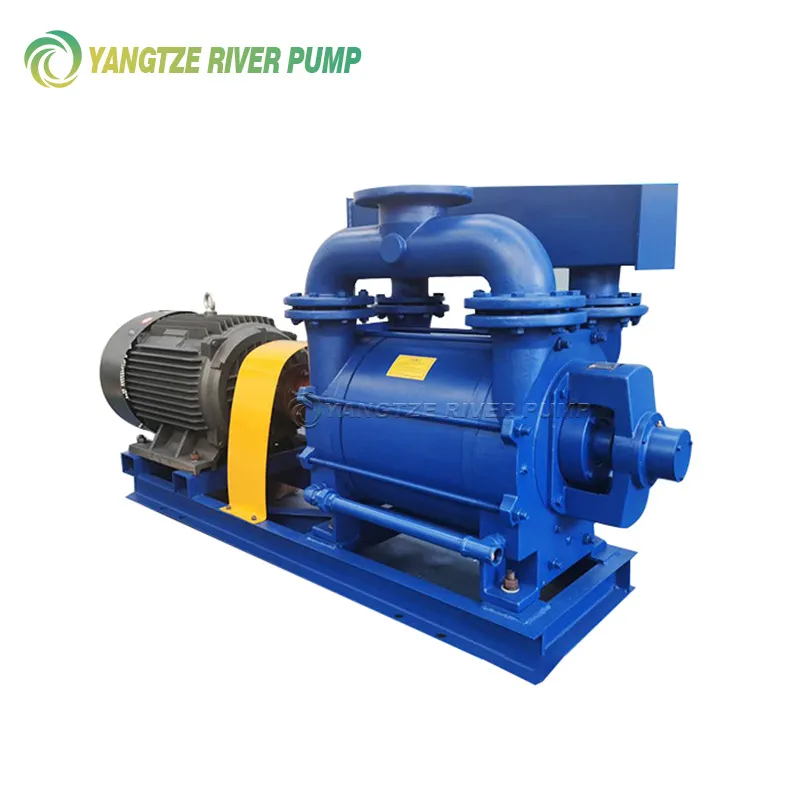 Liquid ring vacuum pumps type 2EB
-
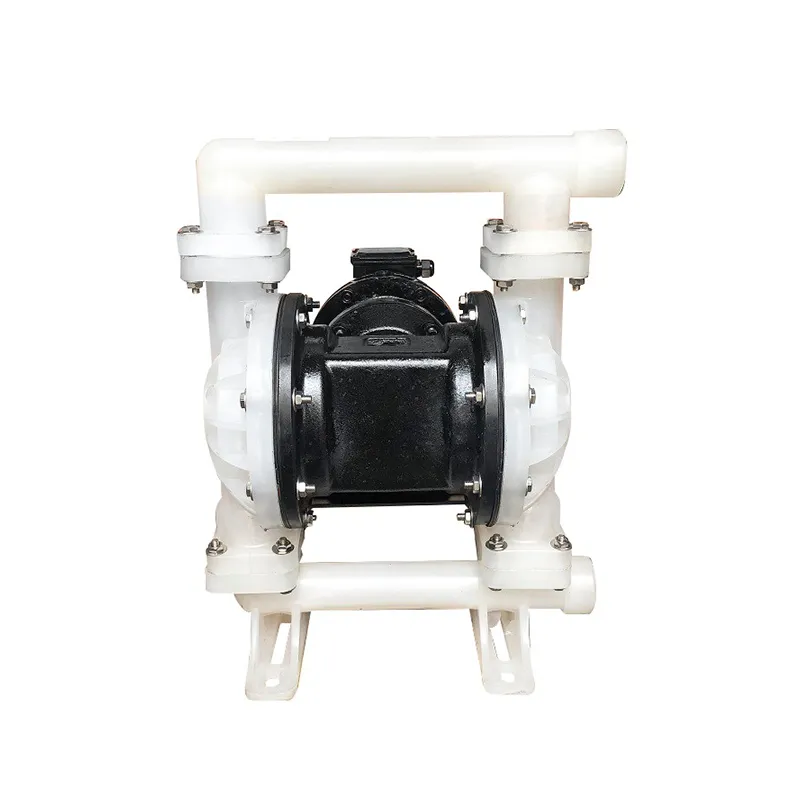 DBY Non-Metallic Electric Diaphragm Pumps
-
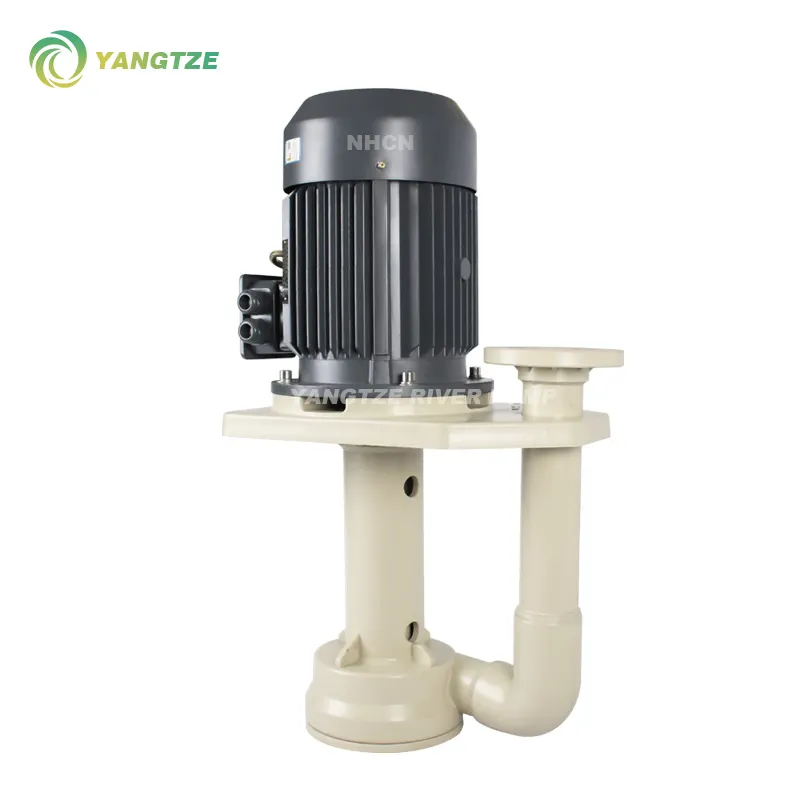 Vertical pumps for installation inside/outside tanks YZCN and YZCW
-
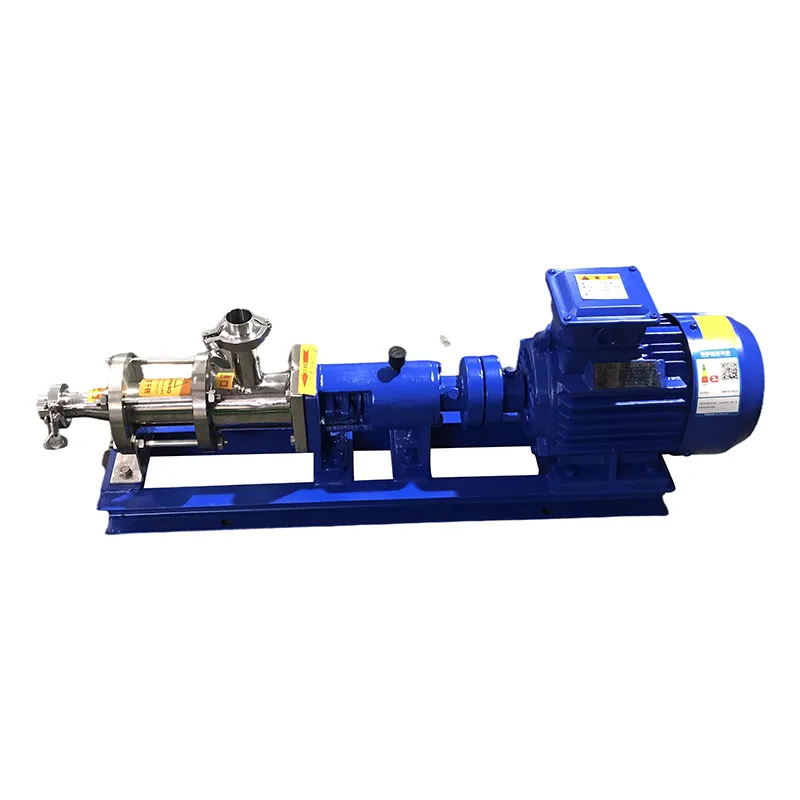 Sanitary screw pumps type GF
-
 YCB Type Circular Gear Pumps
-
 Diesel pumps with horizontal connector YZS and YZSH
-
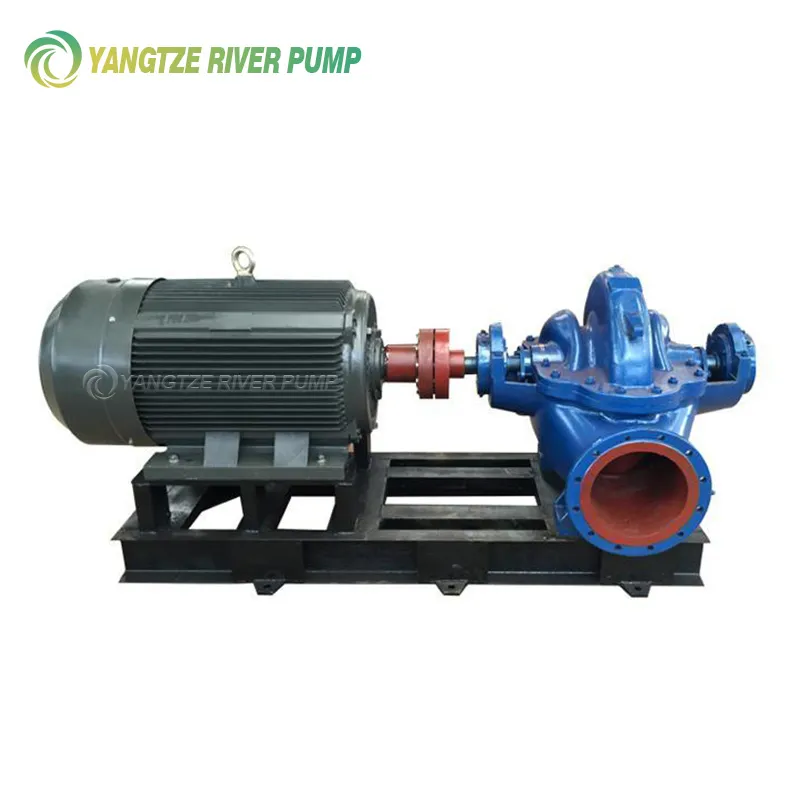 Single Stage Double Entry Centrifugal Pumps Type S
-
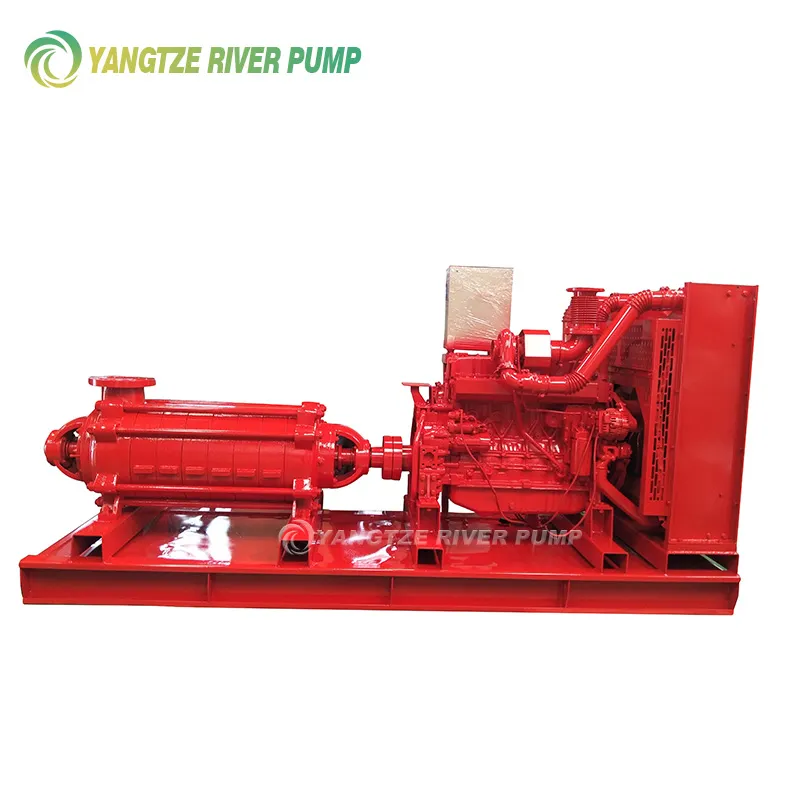 YZD Series Diesel Multistage Centrifugal Pumps