







centrifugal pumps 50 kW
When they say “centrifugal pumps 50 kW”, many immediately imagine just a certain unit of a certain power. But in practice, this figure is only a starting point, behind which a lot of nuances are hidden: from the type of drive and material of the flow part to the suction conditions and the nature of the pumped medium. A common mistake is to assume that a 50 kW pump is a universal solution. In fact, the samecentrifugal pumpIt can be single-stage or multi-stage, and the difference in pressure and flow will be colossal, even with the same power consumption.
Power 50 kW: what does it really mean?
Look, let's take the conditionalcentrifugal pump 50 kW. The nameplate says 50 kilowatts. But this is the power on the electric motor shaft. How much useful power is left for pumping liquid? This is where the efficiency of the pumping unit and the engine itself comes into play. In a good design, for modern models, the efficiency of the pump can reach 80-85%, but this is under ideal conditions. In practice, due to wear, imperfect alignment or an incorrectly selected impeller, the actual efficiency may be noticeably lower. Therefore, just take a “50 kilowatt pump?” - few. You need to look at the Q-H (flow-pressure) curves of a particular model.
In our production, inZhejiang Yangzijiang Pumping Industry Co.,Ltd, this point is always discussed in detail with the customer. Because you can install a powerful unit, but it will work at the extreme left point of the characteristic, with low efficiency, overheat and “eat” energy. excess electricity. Or vice versa, lack of pressure. For powers such as 50 kW, an error in selection is no longer a minor nuisance, but a serious financial loss.
By the way, about engines. Forpumps 50 kWThe question often arises: asynchronous or with a frequency converter? Nowadays, many are inclined towards emergency situations, and this is logical for systems with variable flow. But there are pitfalls here too: with prolonged operation at low speeds, engine cooling may suffer if it is not independent. This is to the question that the piping and control system are no less important than the pump unit itself.
Design features: from single-stage to multi-stage models
This is where the difference between pump types comes into play. For tasks where high pressure is needed with a relatively small supply, we definitely look towardsmultistage centrifugal pumps. Each step is, conditionally, an increase in pressure. We assembled several stages in one housing and got a compact unit with high pressure. But the complexity of the design is higher, the requirements for balancing and materials are stricter. By the way, our assortment includes both. And the choice always depends on the technical specifications.
But for pumping large volumes of water, say, in irrigation or drainage, they are more often usedsingle stage centrifugal pumpswith double flow impeller. They give good flow, but moderate pressure. And just imagine, if by mistake such a single-stage pump is installed in a well with the required pressure of 200 meters, it simply physically will not be able to provide the parameters, although it will consume its 50 kW. The power will go into heating and vibration.
Another practical point is the material. For clean water, cast iron or stainless steel is often used. But if we are talking about chemically active media, even within the power of 50 kW, we need to consider options with plastic or lined flow parts. We have in our lineplastic chemical pumps, which just close such niches. But their use for clean water is not economically feasible - they are more expensive. It all comes down to a feasibility study.
Installation, commissioning and common errors
The most painful stage. It would seem that there are instructions, the foundation has been poured, the pipelines have been installed. But no. I have seen cases where a 50 kW pump was placed on a common frame with the engine, but without proper alignment with a laser device. It seems to be, “by eye?” it all came together. After a month or two - increased vibration, heating of the bearings, and then failure of the stuffing box or mechanical seal. Repair, simple, loss of money. And the reason is simple negligence during installation. A centrifugal pump of such power is already a serious unit; it requires precise installation.
The second common problem is improper piping on the suction line. Long horizontal sections, extra elbows, wrong type of valves. This leads to cavitation. And cavitation forcentrifugal pump- death. It eats away the material of the impeller and casing, causing loud noise and a drop in parameters. When starting, you should always monitor the inlet pressure. Sometimes it is necessary to recommend installing buffer tanks or booster pumps at the suction to ensure the required NPSH (NPSH).
Commissioning is a separate matter. Especially for powerful electric motors. Direct starting causes large inrush currents. You need to look at the capabilities of the power supply network. Sometimes a star-delta circuit is optimal, sometimes only through a frequency converter. We are on our websiteyangtzeriverpump.ruWe always emphasize that delivery is only part of the story. Without proper commissioning, even the best equipment will not reveal its potential. Our service engineers often travel to sites specifically to solve such complex problems.
Case studies and why the full production cycle is important
We had a project - a water supply system for a small village. Requiredpump 50 kWfor lifting water from an artesian well and supplying it to a water tower. Initially, the customer wanted to save money and bought a used unit of unknown origin. Six months later - constant failures, drop in pressure. We took it apart and it turned out that the impeller was worn out and there was corrosion in the casing. In the end, I still had to buy a new one. We installed our multi-stage vertical pump. The key was that we were able to manufacture it for specific well parameters (dynamic level, flow rate) and with the required material (stainless steel for brackish water). This is where the full cycle comes in handy - from R&D to testing.
It is the presence of our own production lines, like our company, that allows us to control every stage. Casting of housings, dynamic balancing of rotors, testing for leaks and parameters on special stands. Forcentrifugal pumps 50 kWtesting is a mandatory stage. We drive each unit under load, take the actual characteristics and compare them with the calculated ones. Only after this the pump receives a passport and goes for shipment. This is not a quick process, but it guarantees that the equipment at the site will meet its passport data.
Another example is chemical production. A pump was required to pump an aggressive solution, the temperature was about 80°C. Power is the same 50 kW. Standard cast iron or even stainless steel models were not suitable. Made to orderplastic chemical pumpwith reinforced shaft and mechanical seal made of special ceramics and tungsten carbide. It has been working for more than two years without any complaints. If it were not for our own development and production flexibility, we would have to look for complex and expensive imported analogues.
Instead of a conclusion: what to look for when choosing
So, to summarize the experience, when asking ?centrifugal pumps 50 kW? you need to go much deeper than just inputting power into a catalog filter. The first is a clear understanding of the task: what we pump, at what temperatures, what flow is required (cubic meters per hour) and what pressure (meters or bar). The second is operating conditions: cleanliness of the environment, presence of abrasive, operating mode (constant or variable). Third, infrastructure: what kind of pipelines, what kind of power grid, are there any maintenance personnel.
And based on this, the type of pump is selected: single-stage, multi-stage, maybe even special, likesubmersibleorself-priming, if we are talking about dehumidification or working with variable levels. The manufacturer is also important - its reputation, the presence of a full production cycle, likeZhejiang Yangzijiang Pumping Industry Co.,Ltd, and the ability to provide not just hardware, but a comprehensive solution with calculations, selection and service.
Ultimately correctcentrifugal pump 50 kWis not just an expense item. This is a reliable node in the system that has been working without problems for years, saving resources and nerves. And this can only be achieved through attention to detail and cooperation with those who understand the essence of the process, and do not just sell equipment. As they say, the miser pays twice, and in the case of powerful pumping equipment, losses from downtime can be many times greater than its initial cost.
Correspondingproducts
Related Products




Best Sellingproducts
Best Selling Products-
 YW Vertical Submersible Sewage Pumps
-
 Horizontal multistage centrifugal pumps type D
-
 Plastic self-priming centrifugal pumps FP and FS
-
 YZSP Diesel Self-Priming Pumps
-
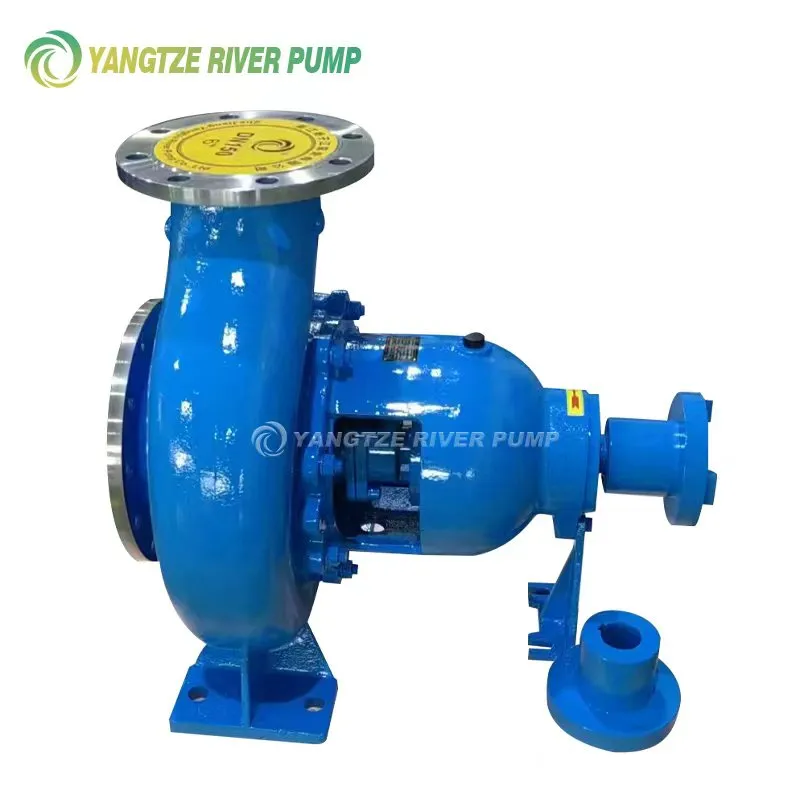 IH Stainless Steel Chemical Centrifugal Pumps
-
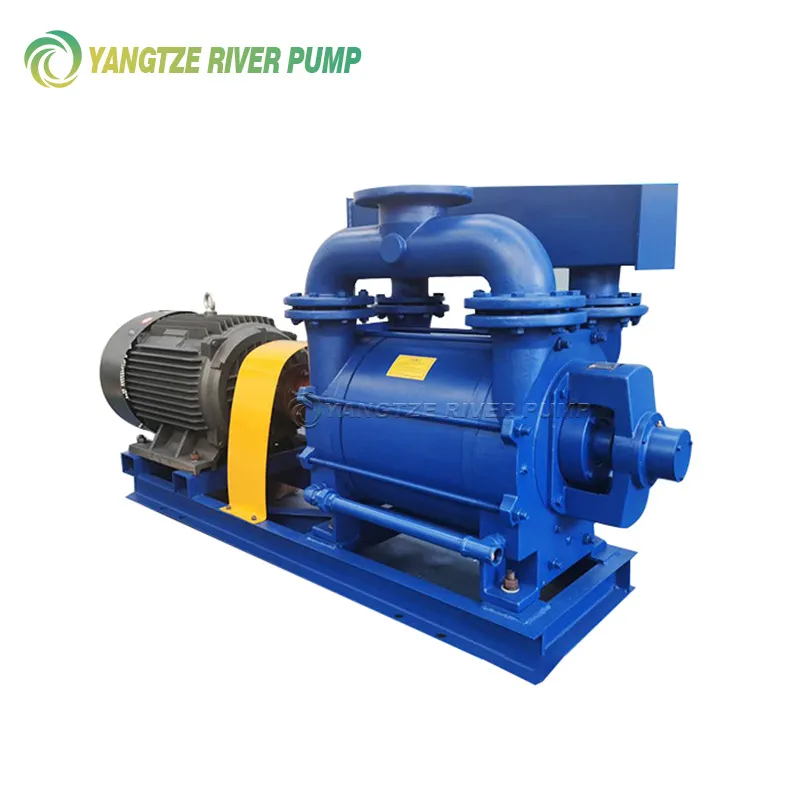 Liquid ring vacuum pumps type 2EB
-
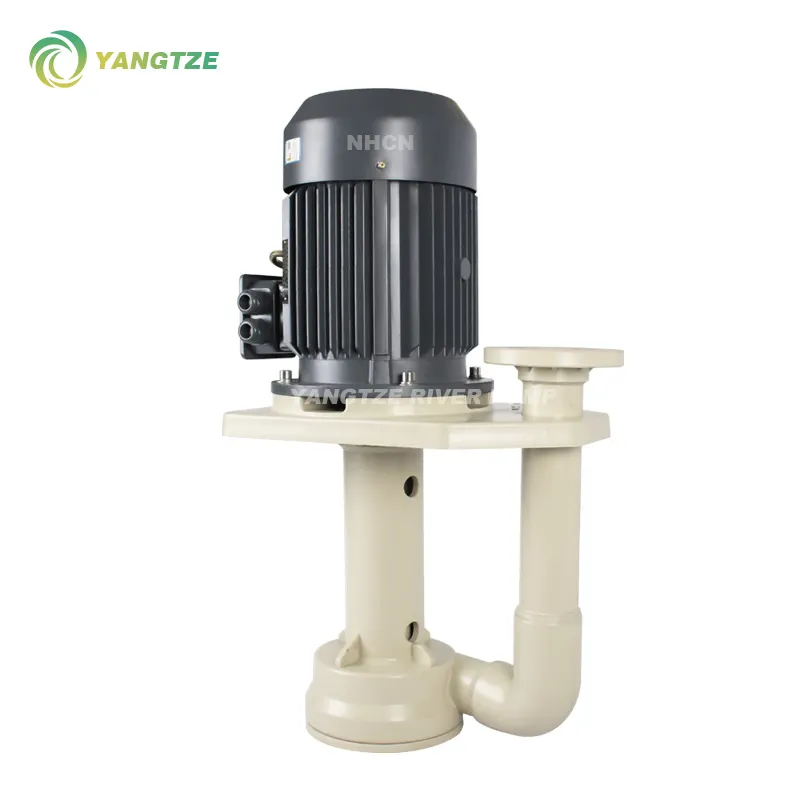 Vertical pumps for installation inside/outside tanks YZCN and YZCW
-
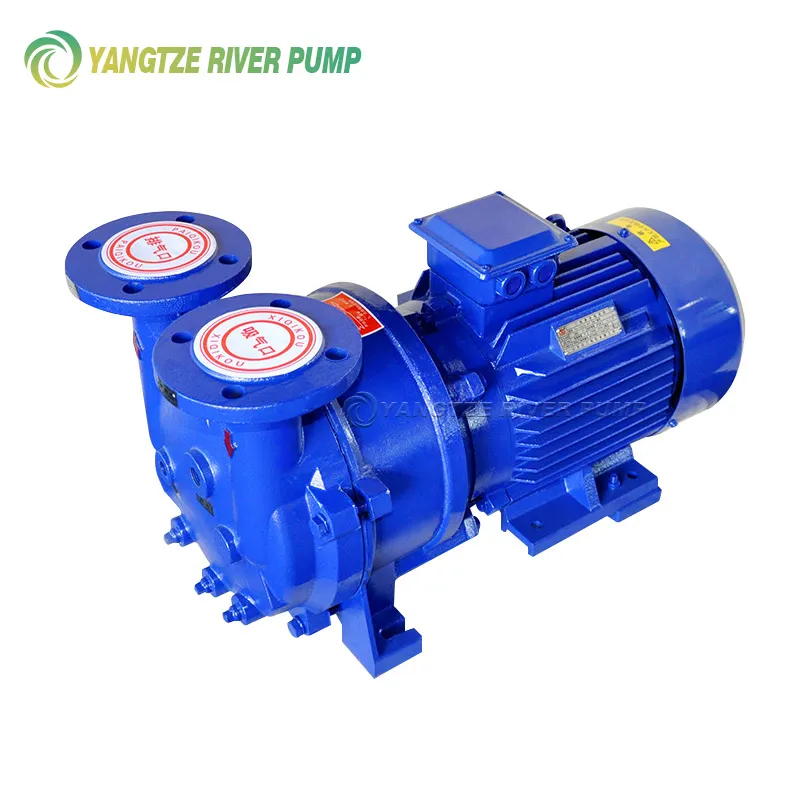 Liquid ring vacuum pumps type SKA and 2BV
-
 Metal electric diaphragm pumps DBY
-
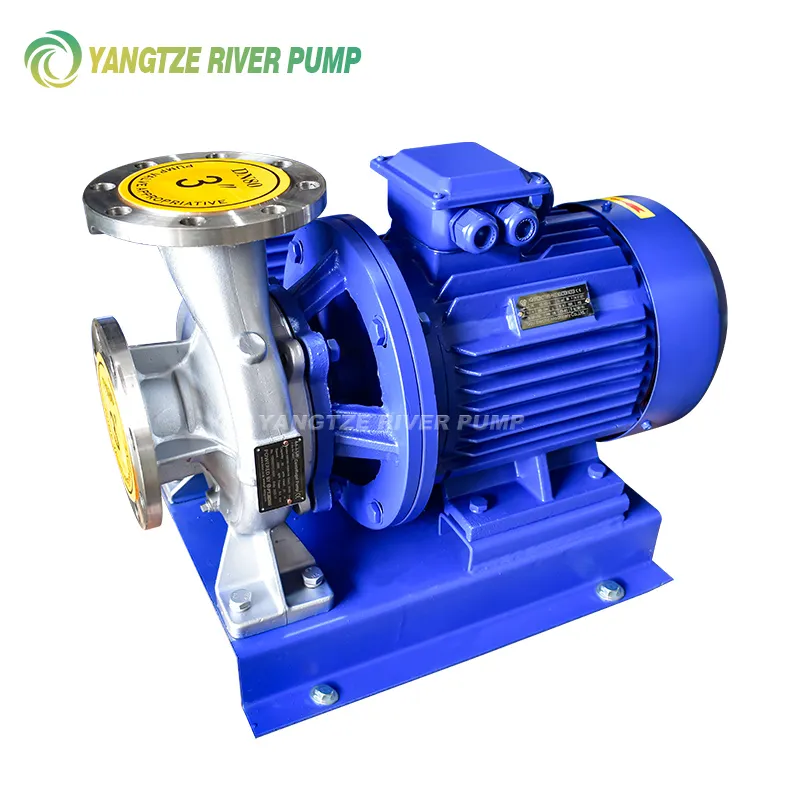 ISW and ISWH Single Stage Horizontal Pipeline Centrifugal Pumps
-
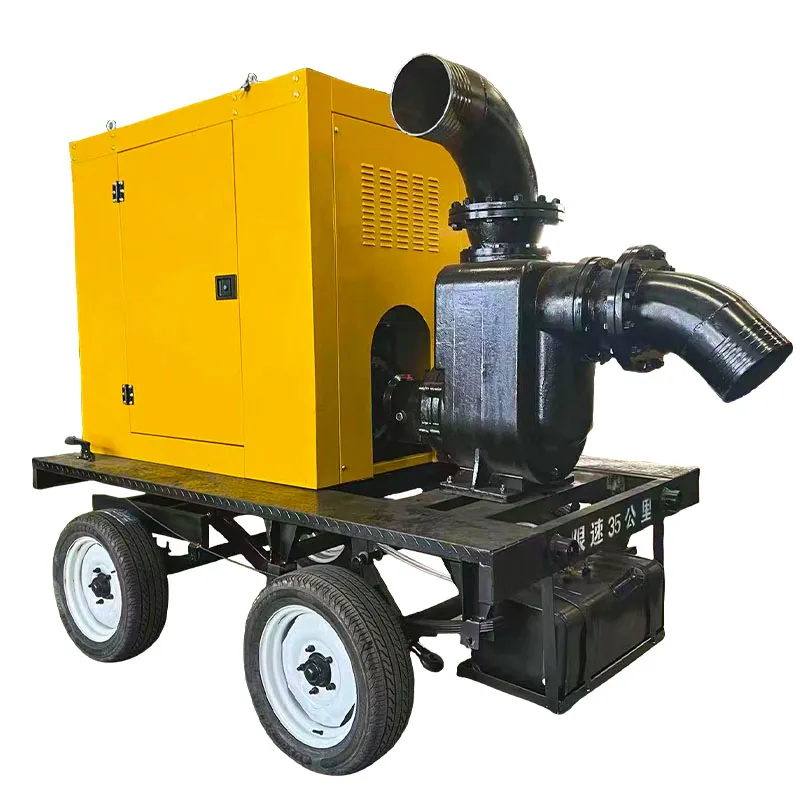 YZZW Diesel self-priming pumps
-
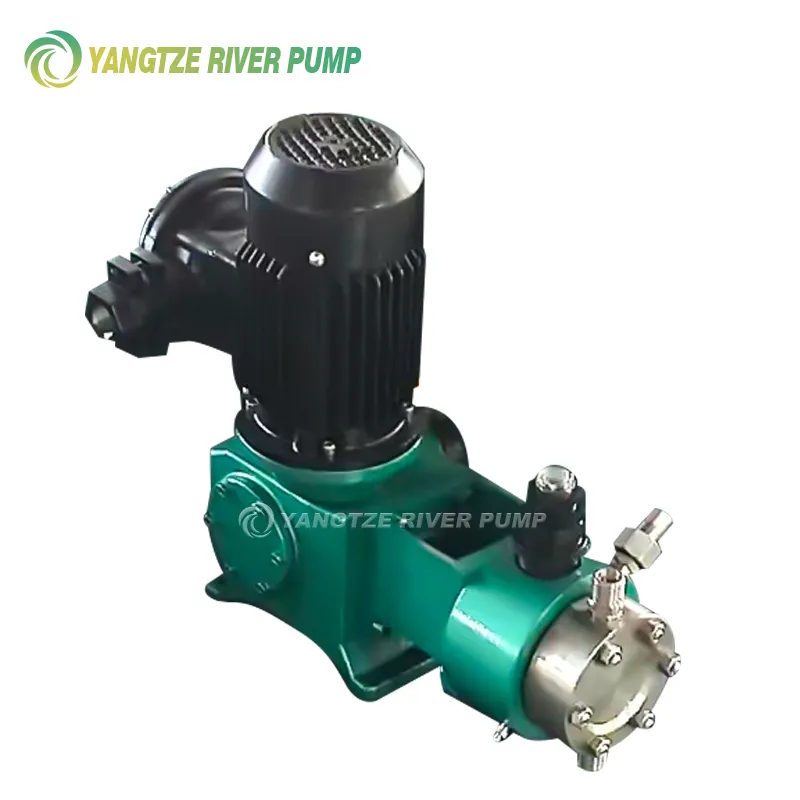 Plunger dosing pumps type DZ-X