







non-self-priming single-stage centrifugal pump
It is often thought about these pumps that since the design is simpler than that of multi-stage or self-priming pumps, then there are fewer worries with them. In practice, it is in this simplicity that all the main pitfalls lie that emerge already on site if the nuances are not initially taken into account. Let's take, for example, the basicnon-self-priming single-stage centrifugal pump– work with it begins not with launching, but with correct tying and understanding where it can be placed and where it absolutely cannot be placed.
Where is his place, and where not to even look?
The main area is pumping liquids from containers located below the pump level, or from systems with constant pressure. That is, when the pump is always full. A typical example is circulation in cooling systems, supplying water from a storage tank to the network, pumping in production lines in production. On ourhttps://www.yangtzeriverpump.ruin the product section, it is essentially the basis of the line of single-stage models.
But trying to use it to lift water from a well without first filling it is a classic mistake. I remember an incident at one of the small enterprises: they took our own pump, ISG series, to pump water out of a pit. We set it above the level, ran it “dry?” – of course, nothing works, the seals heat up. Then they call and say the equipment is of poor quality. I had to explain the need for a check valve on the suction line and the mandatory initial filling of the housing. This is a basic rule, but for some reason it is constantly ignored.
Another point is the viscosity of the medium. It copes well with water and low-viscosity solutions. But as soon as you throw something thicker at it, even the same concentrated syrup, performance drops catastrophically, and the engine can go into overload. Here you need to look towards screw or diaphragm pumps, which, by the way, we also have in production. But for their tasks - clean water, antifreeze, weak solutions -single stage centrifugalthe option is almost ideal in terms of price, reliability and efficiency.
Design: what's inside and what to look for when choosing
If we disassemble our typical pump, say, model IS fromZhejiang Yangzijiang Pumping Industry Co.,Ltd, then everything is quite transparent. Closed impeller, shaft on rolling bearings, mechanical seal. It would seem standard. But it’s in the details that makes the difference between “will the season work?” and “will work for years?”.
The first is the material of the flow part. Cast iron is sufficient for water. But if the environment is chemically active, even slightly alkaline, stainless steel is already needed. We have both on our production lines. The second is compaction. A mechanical seal is cheaper, but requires maintenance and may leak. A mechanical seal is a more reliable option, especially for clean media. But with abrasive inclusions it will quickly fail. This is always a compromise that needs to be discussed with the customer, and not just selling what is in stock.
Testing at our stands is a mandatory stage. We run each pump at nominal parameters, check vibration, heating of bearing units, and tightness. It happened that a batch of bearings from a new supplier produced increased noise - the entire batch of pumps was sent for refurbishment. Trifle? At the facility, this trifle will result in downtime and reputational losses.
Installation and first launches: where mistakes are most often made
The most common problem at the start is vibration. And in 90% of cases, it is not the pump that is to blame, but the foundation and piping. If you simply place it on a concrete floor without anchoring, or on weak rubber vibration supports that are not designed for weight, resonance is guaranteed. The suction and discharge pipelines must have independent supports; the weight of the pipes must not rest on the pump flanges. This seems obvious, but in the rush it is constantly neglected.
Another critical point is the alignment of the pump shaft and motor when using a coupling. Laser alignment is not a luxury, but a necessity. Manual alignment using probes often gives an error, which will disappear after a couple of months of work. bearings. We had a precedent when a client complained about a premature refusal. We arrived and checked – the angle misalignment was almost 0.5 degrees. After re-centering everything fell into place.
And, of course, filling the body. Before the first start-up, the housing and suction line must be completely filled with the pumped liquid. Air lock is the main enemy. For this purpose, a fitting for removing air is often provided in the upper part of the housing. They need to be used.
Maintenance during operation: myths and reality
Many people think that since the pump is non-self-priming and single-stage, they set it and forget it. This is wrong. Regular maintenance is the basis for a long life. Once a month - control vibration (at least audibly and tactilely), check the temperature of the housing in the area of the bearing shields. Once every six months to a year - replace the lubricant in the bearing chambers, even if they are “maintenance-free”. In practice, dust, moisture, temperature changes do their job, and the lubricant loses its properties.
Particular attention should be paid to the stuffing box or mechanical seal. When used with clean water, the seal can last for years. But if even a slight leak appears along the shaft, this is a signal. There is no need to simply tighten the oil seal, this is a temporary measure. It is necessary to plan to stop and replace the seal, otherwise shaft erosion will develop and repairs will become much more expensive.
The impeller is a consumable item, although durable. When pumping liquids with small abrasive particles (for example, water from an open reservoir), the edges of the blades wear out over time and performance decreases. From experience, for such tasks, once every 2-3 years you need to open the pump and assess wear. Replacing a wheel will cost less than the loss of efficiency and waste of electricity.
When the choice falls on us: the Yangtzejiang experience
BZhejiang Yangzijiang Pumping Industry Co.,LtdWe have gone from simple production according to drawings to a full cycle, where R&D and testing go hand in hand. This allows us not just to make pumps, but to adapt them to real-life tasks. For example, one customer in the food industry requirednon-self-priming centrifugal pumpfor pumping vegetable oil. The standard design was suitable, but it was necessary to change the seal material to be compatible with the oil and ensure that the wet end was completely clean after assembly. We made a separate run-production line for this batch, carried out additional washing and inspection.
Or another case - an irrigation system in a greenhouse. What was important there was not so much power as uniformity of supply and resistance to periodic downtime. A standard cast iron pump could rust internally during periods of inactivity. They offered an option with main parts made of stainless steel, although the medium is just water. The client was initially hesitant because of the price, but after calculating 5-7 years of operation without the risk of the wheel jamming from corrosion, he agreed.
Eight full lines are not just for show. This is an opportunity to simultaneously carry out mass production of standard models, like the samesingle stage centrifugal pumps, and at the same time have a resource for piece, customized orders. The test bench is the final arbiter. If a pump fails in terms of vibration, noise or efficiency, it is not packaged but sent for analysis. Often the reason is in small things: a casting of the body with an internal shell that creates turbulence, or an imbalance of the wheel after painting. We find and eliminate.
In the end, back to the beginning.Non-self-priming single stage centrifugal pump– this is not ?simple? unit. It is a precise tool for its purpose. Its effectiveness and service life are determined by three things: competent selection for specific conditions (pressure, environment, temperature), high-quality installation in compliance with all, even seemingly trivial, rules, and regular, albeit simple, maintenance. If these three points are closed, it will work out its life completely, and often much longer. And if not, problems will begin quickly, and, as a rule, it will not be the manufacturer who is to blame. This is the main professional conclusion that comes from years of work in production and communication with clients after delivery.
Correspondingproducts
Related Products


Best Sellingproducts
Best Selling Products-
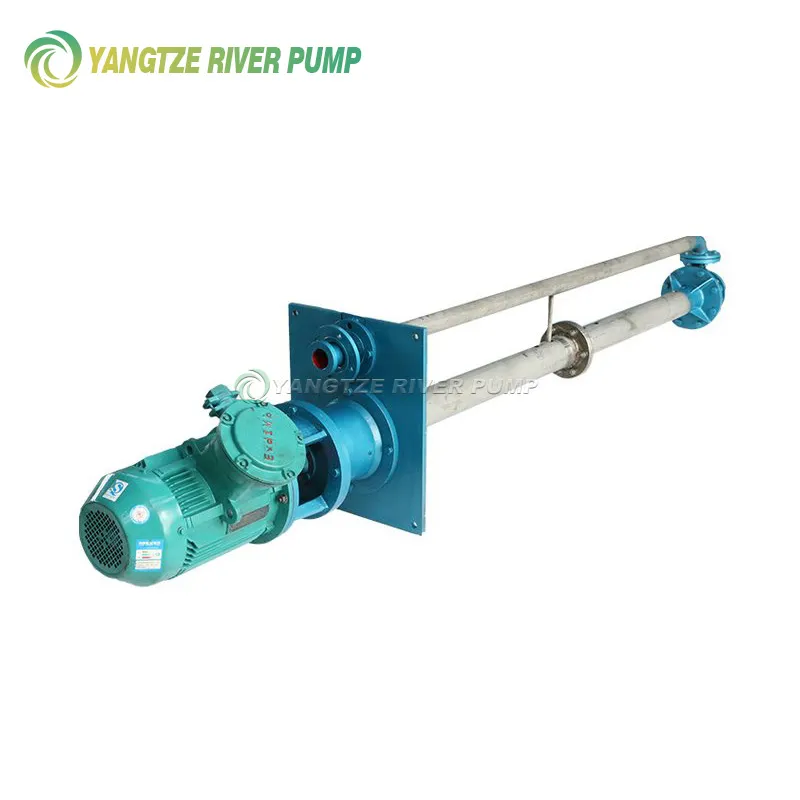
 Corrosion-resistant stainless steel centrifugal pumps SFB and SFBX
-
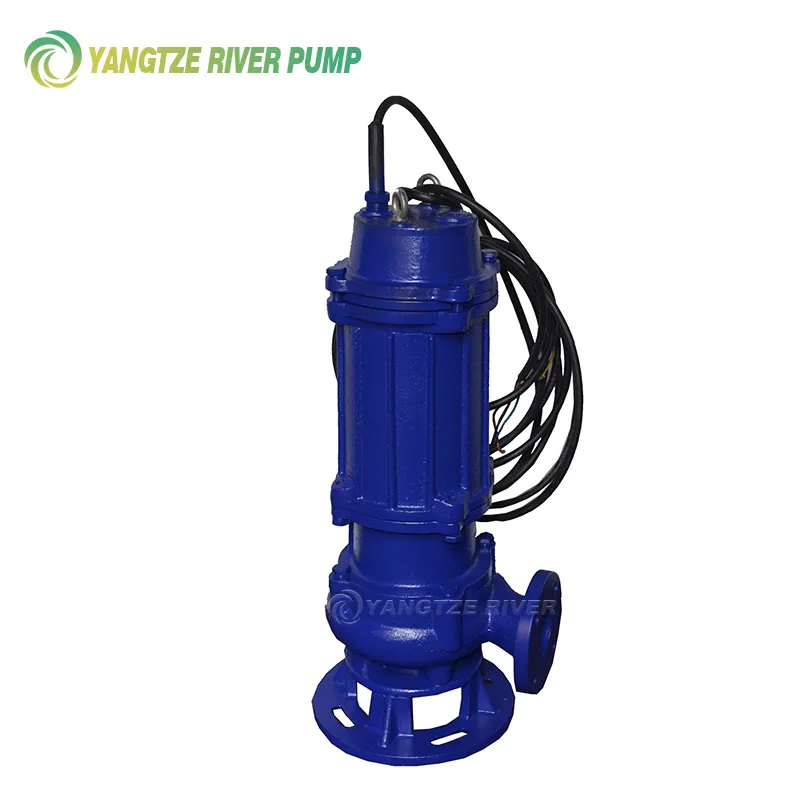 QW Non-clogging Submersible Sewage Pumps
-
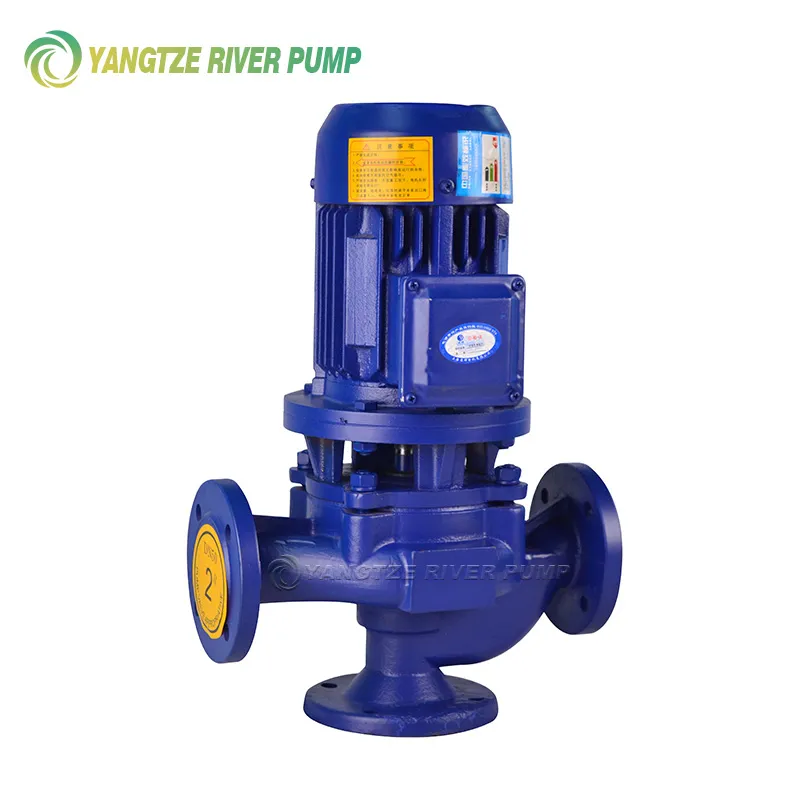 Pipeline wastewater pumps GW
-
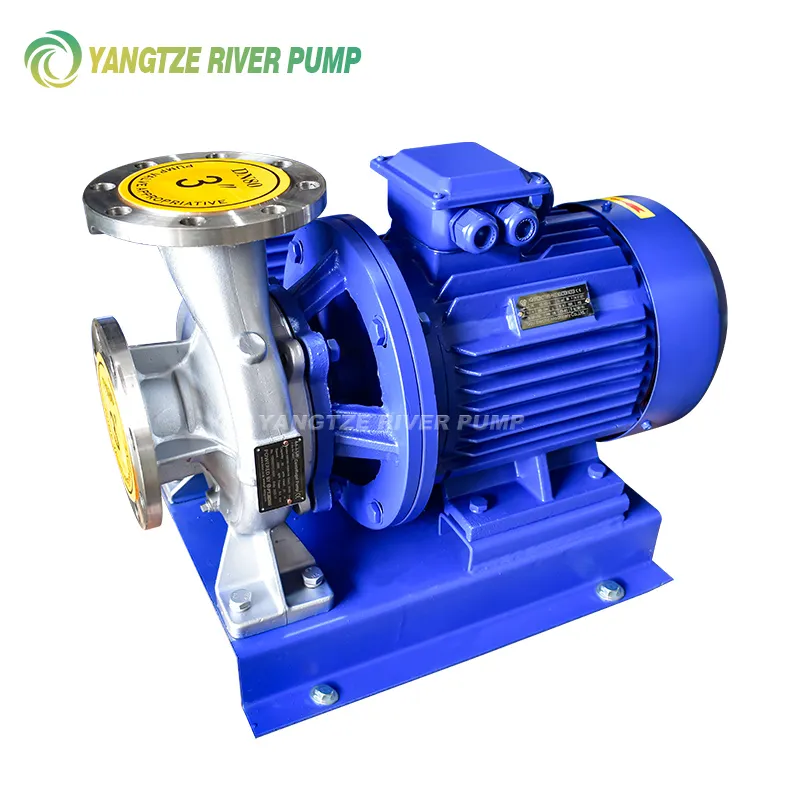 ISW and ISWH Single Stage Horizontal Pipeline Centrifugal Pumps
-
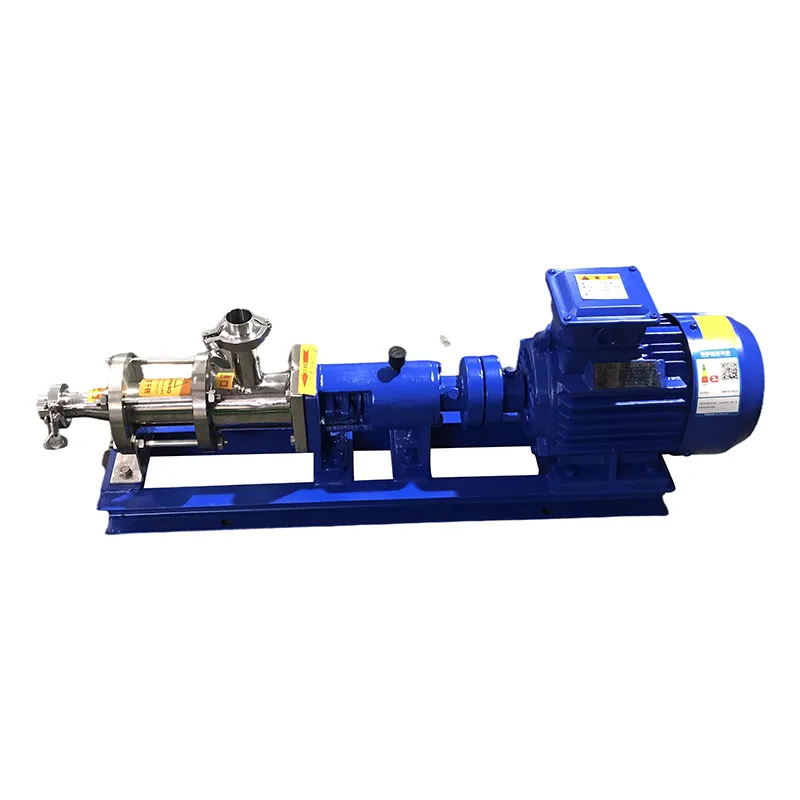 Sanitary screw pumps type GF
-
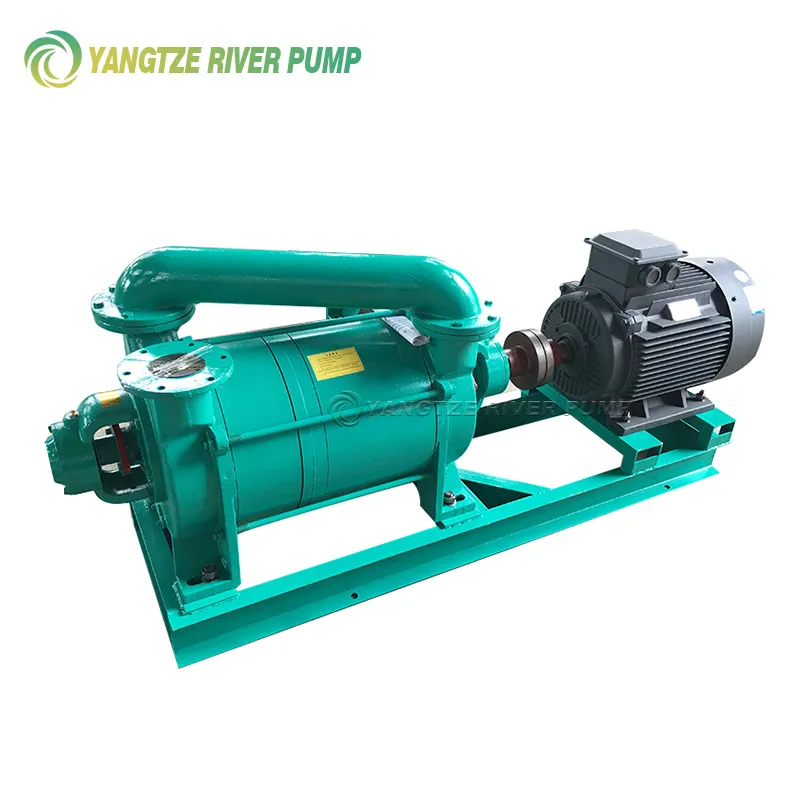 Liquid ring vacuum pumps type 2SK
-
 YCB Type Circular Gear Pumps
-
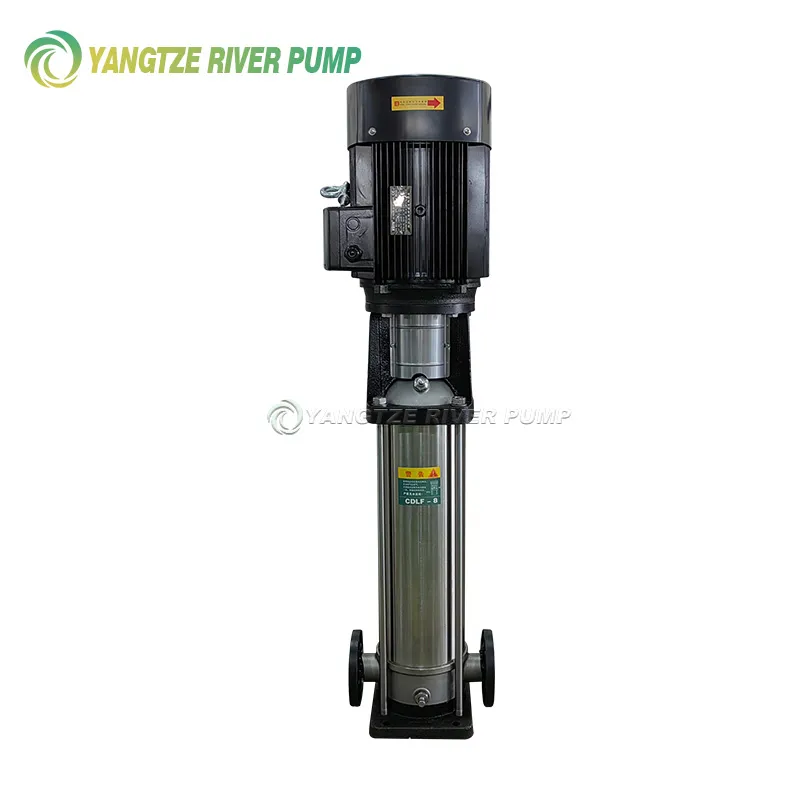 Vertical multistage centrifugal pumps made of stainless steel (light series) CDL and CDLF
-
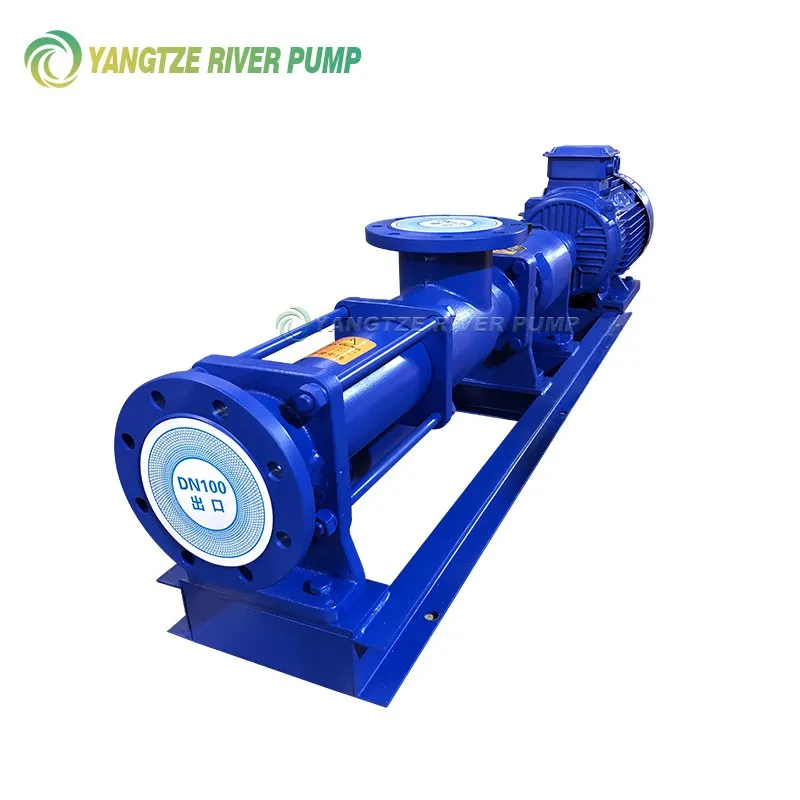 Single screw pumps type G
-
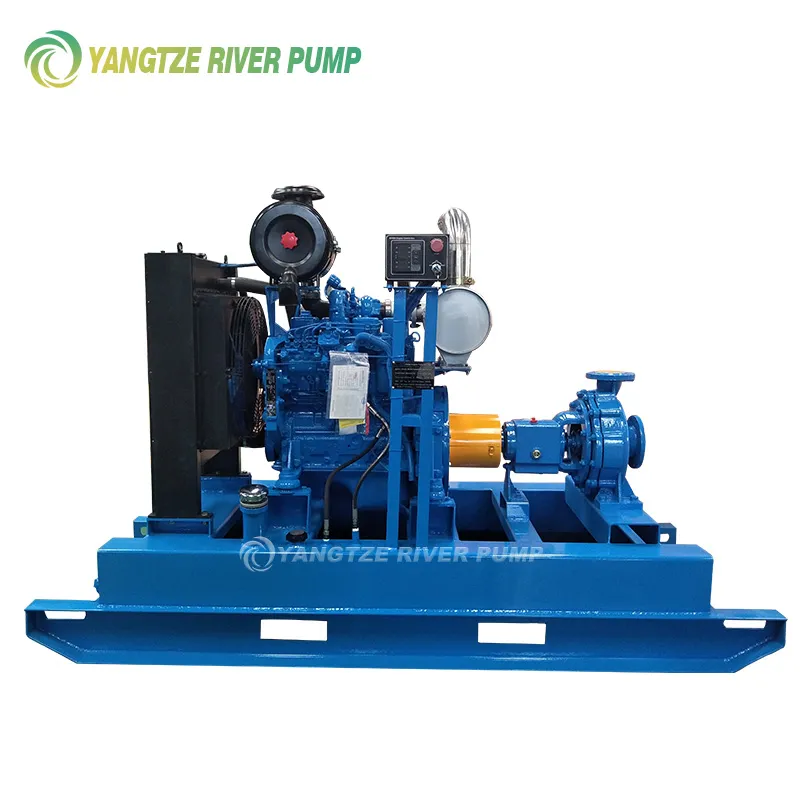 YZIS Diesel Single Stage Centrifugal Pumps
-
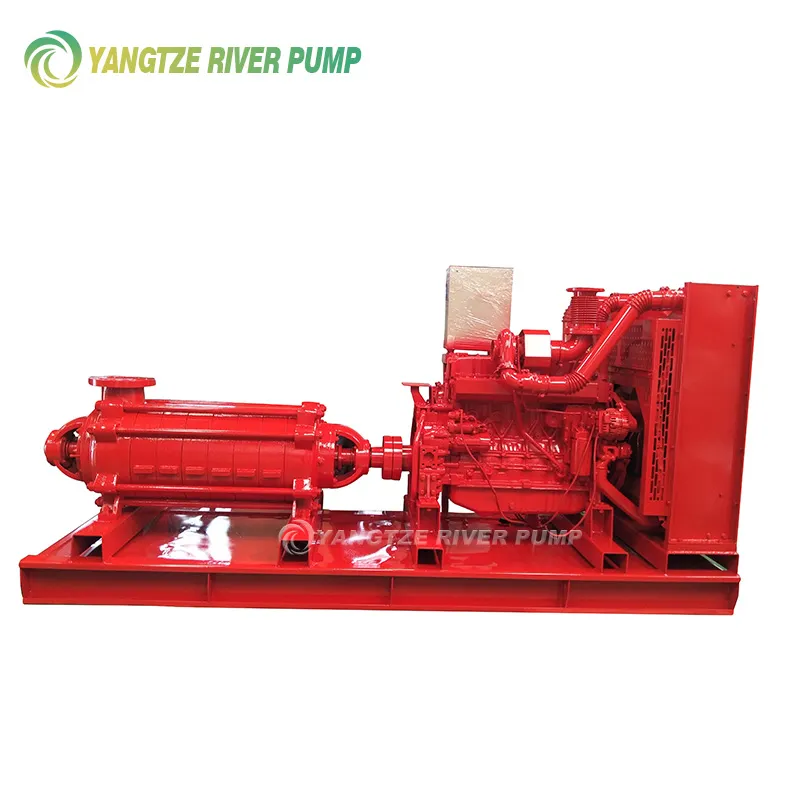 YZD Series Diesel Multistage Centrifugal Pumps
-
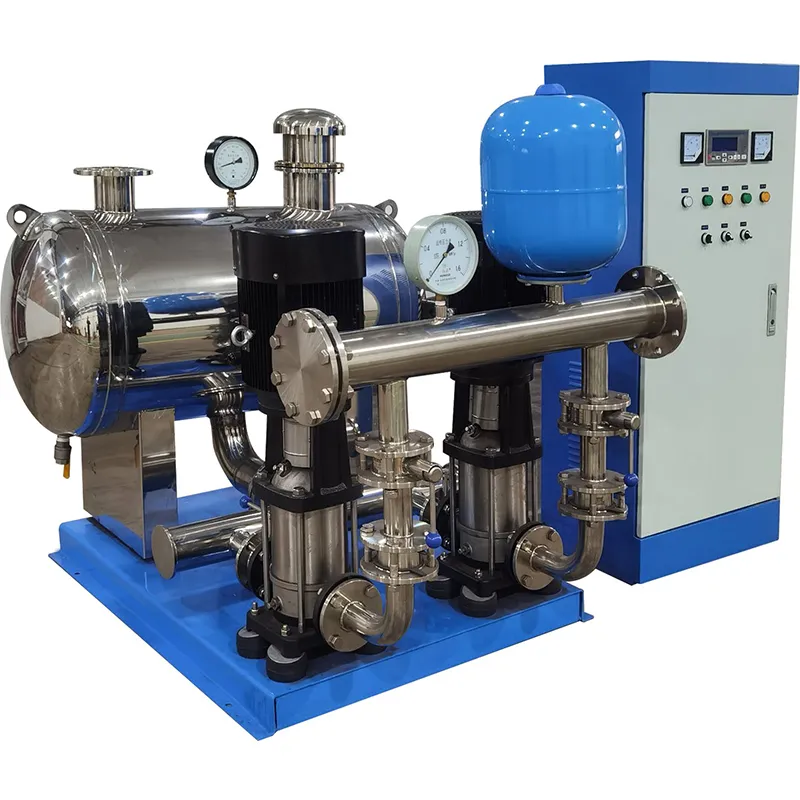 Complete water supply installations with frequency regulation and constant pressure CDLF