







deep centrifugal pumps for wells
When they talk aboutdeep centrifugal pumps for wells, many imagine just a long cylinder that was lowered into a hole in the ground - and the water began to flow. In fact, this is perhaps one of the most demanding types of equipment to select. An error of a couple of millimeters in diameter, an incorrect assessment of flow rate or sand deposits - and the pump either will not produce the required pressure, or will burn out in six months, or you simply cannot pull it out because everything in the well is silted. And yes, I have more than once encountered situations where a customer, trying to save money, installed a pump with a reserve pressure, but without taking into account the real dynamic level. The result is dry work, overheating, overhaul. Actually, that's where we'll start.
From theory to practice: why multi-stage is often a necessity, not a whim
Look here. The main task of a deep-well pump is not just to raise water, but to provide stable pressure in the system, often taking into account a hydraulic accumulator, several points of disassembly and the number of floors. A single-stage centrifugal pump at great depths simply physically will not create the required pressure. Each impeller is a certain contribution to the pressure. Therefore, for wells from 30-40 meters and deeper, we almost always look to the sidemultistage centrifugal pumps. Their design is a sequence of chambers with wheels mounted on a common shaft. Water, passing through them, as if on a relay race, gains pressure.
But there is a subtlety here. More steps mean higher pressure, but also more points of potential friction and higher requirements for water quality. If there is fine abrasive sand in the hole, it will act like sandpaper on these wheels. Therefore, in parallel with the choice of a multi-stage model, we always raise the question of the quality of water from the well. It happens that you arrive at a site, and there the pump of a new model makes a different noise than it should. When you take it apart, the impellers are ground down. And okay, if these are our pumps, for example, from linesZhejiang Yangzijiang Pumping Industry Co.,Ltd— they are easier and faster to diagnose using internal documentation, and spare parts are available. But when there is something nameless, the story turns into a detective story with a long downtime.
Hence the conclusion that we at the company made for ourselves: when offering a solution to a client, we always request a well passport or at least pumping data. Don't have this data? Then we insist on preliminary test selection and analysis. It is better to spend a day taking measurements than to then spend months dealing with a warranty claim that is not a warranty claim. On our websiteyangtzeriverpump.ruIn the section with deep-well pumps, we specially made a checklist for the customer: dynamic/static level, flow rate, casing diameter, presence of sand. Filled it out - it’s already 80% clear which model from the linesubmersible pumpswill do.
Materials and design: stainless steel versus composites in real well conditions
There's a lot of controversy here. Classic - stainless steel body and shaft. Reliable, tested, but also more expensive. In recent years, solutions with polymer or composite impellers and casing parts have been actively promoted. The argument is resistance to aggressive environments, less weight. But my experience, especially with deep wells (from 80 meters), shows that the tensile strength and resistance to water hammer of high-quality stainless steel is still higher.
One incident is well remembered. A pump with composite wheels was installed on site in a well with an unstable flow rate. The water seems to be clean, there is no sand. But there were frequent switching on/off due to power surges in the network. After a few months - loss of pressure. Let's get it. It turned out that a microcrack appeared on one of the wheels, apparently due to constant pressure drops during startup. Under similar conditions, a stainless steel pump, the samemultistage centrifugal pumpfrom Yangtzejiang, worked without any complaints. This doesn't mean composites are bad. This means that their use must be strictly for their intended purpose: for stable conditions, without the risk of water hammer and with control of the chemical composition of the water.
Therefore, in our production cycle, which is mentioned in the company description - and there are eight complete lines from R&D to service - for the lines of deep-well pumps, we left two main directions: the classic version made of stainless steel and the specialized one, with reinforced polymer components, but for clearly defined conditions. And at the testing stage, we drive them in different modes, simulating both power surges and working with suspension. This is more expensive, but reduces the number of unexpected breakdowns for the client.
Self-priming and submersible: where is the limit of application?
A frequent question from clients: why not use a powerful self-priming pump for a shallow well? It’s cheaper and easier to maintain on the surface. There is logic. But the key word is “shallow”.Self-priming pumpshave a physical limit on the suction height, usually 7-9 meters. The dynamic water level in the well must be consistently high. If the level drops, the pump begins to "suffice" air, cavitation, overheating - and again we go for repairs.
A submersible pump, whether centrifugal or auger, is always located below the water level. It does not need to overcome the force of atmospheric pressure to lift it. Its task is to create pressure to rise to a height and accelerate horizontally. Therefore, for wells where the dynamic level drops below 8-10 meters from the surface of the earth, the choice is clear - only submersible. And here again the question of type arises. For wells with possible impurities, sometimes it is more reliable not centrifugal, butsingle screw pump(screw). It is less sensitive to sand, but it usually has lower efficiency and less pressure generated. It's always a compromise.
In our practice, there was a water supply project for a small village from a group of wells. The depths are different, the flow rates are different. They put the classics somewheredeep-well centrifugal pumps, and on one, with a lime suspension, after a trial run, the centrifugal one had to be changed to a screw one. Since then, the sales department has adopted a rule: if the well data contains a note about possible mechanical inclusions, the engineer must contact the client and discuss options, and not just sell the most popular centrifugal model.
Service and ?long? guarantee: what is behind these words
Many manufacturers write about a long warranty. But when you start to look into it, it turns out that the warranty only covers manufacturing defects, and most breakdowns are due to “failure to comply with operating conditions.” Formally, they are right. But from the point of view of one who is in the field, this is deceit. If the pump is not selected correctly, part of the blame lies with the seller/manufacturer, who did not ask the right questions.
We are inZhejiang Yangzijiang Pumping Industry Co.,Ltdtook a different path. Since we have a full cycle - from our R&D to service centers - we can track history. If the pump fails, we first request data on its operation (many modern models allow you to read logs through the control unit), and look at what modes it was operating in. Was it dry work? Are launches frequent? Was the voltage appropriate? If yes, and the client confirms this, this is his area of responsibility. But if the parameters are normal, but there is a breakdown, we sort it out on our line and look for the cause. It's expensive, but it provides feedback for designers. For example, we strengthened the bearing units in one of the lines after a series of failures in wells with a high content of dissolved iron.
Therefore our ?guarantee? - this is not just a piece of paper. This is a commitment to understand the problem to the end. And the websiteyangtzeriverpump.rufor us it is not only a catalog, but also an entry point for such a service. Through it you can send a request not only for selection, but also for diagnostics. Owners of pumps of other brands often turn to us because they know that we really dig deep, literally and figuratively.
Bottom line: pump selection is a dialogue, not a choice from a catalog
So what's all this for? To the point thatdeep centrifugal pumps for wells- this is not a product off the shelf. This is an engineering solution that must be tied to a specific point on the map, to a specific well, to specific water use habits in the house. You can, of course, buy the most expensive and powerful model “with a reserve”. But this reserve can result in excessive consumption of electricity, noise in pipes and the same water hammer.
The ideal scenario is when the client comes with a well passport, and we, having experience of both successful and unsuccessful installations (yes, this has happened, I won’t hide), offer 2-3 options. We explain the pros and cons of each, including durability and maintainability. Sometimes it's oursmultistage centrifugal pump, sometimes - a combination of a pump and an additional filtration system at the inlet, and sometimes, if the well is very complex, we honestly say that it is better to consider the option with a caisson and surface equipment.
The main thing I have learned over the years is that there are no trifles in our business. The diameter of the casing pipe, the brand of cable, the method of fastening the cable - all this affects the result. And when everything is chosen correctly, the pump works for years, just doing its job. And this, ultimately, is the best result for everyone: for the client, for the well and for us, as a manufacturer, who sees that his product serves a long time and reliably.
Correspondingproducts
Related Products

Best Sellingproducts
Best Selling Products-
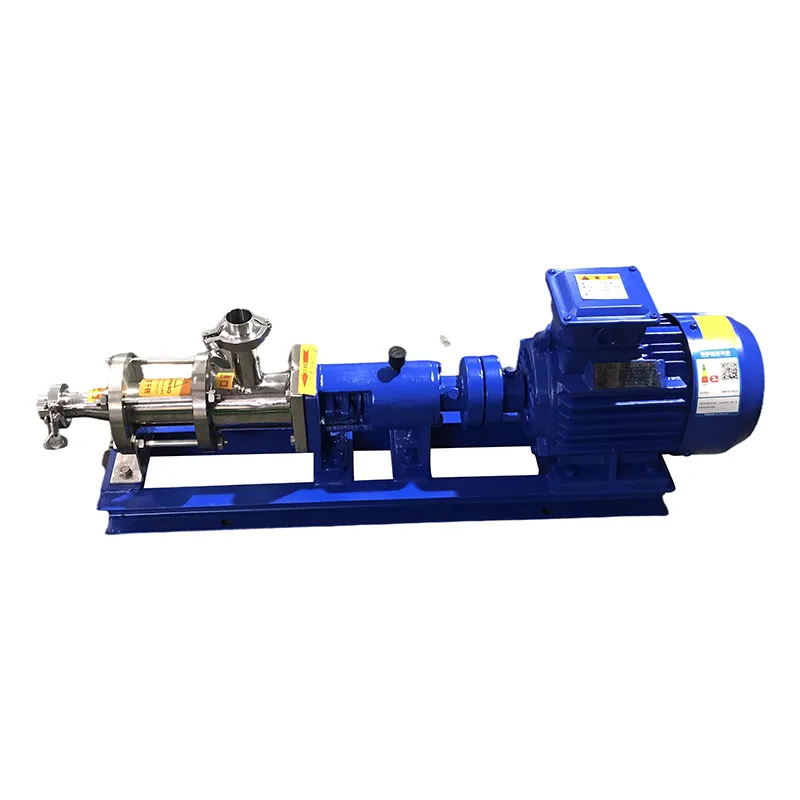 Sanitary screw pumps type GF
-
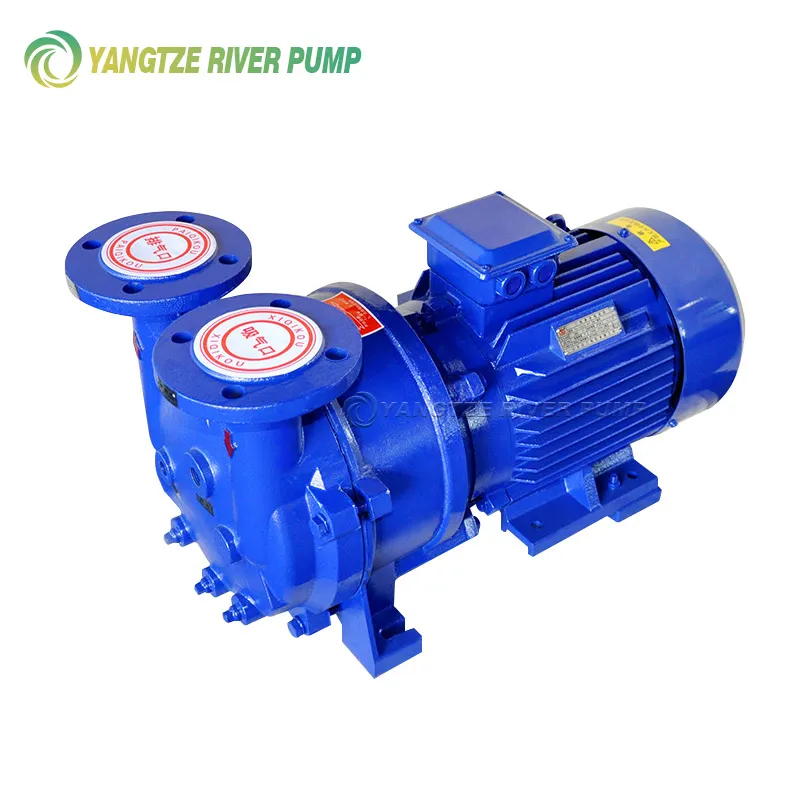 Liquid ring vacuum pumps type SKA and 2BV
-
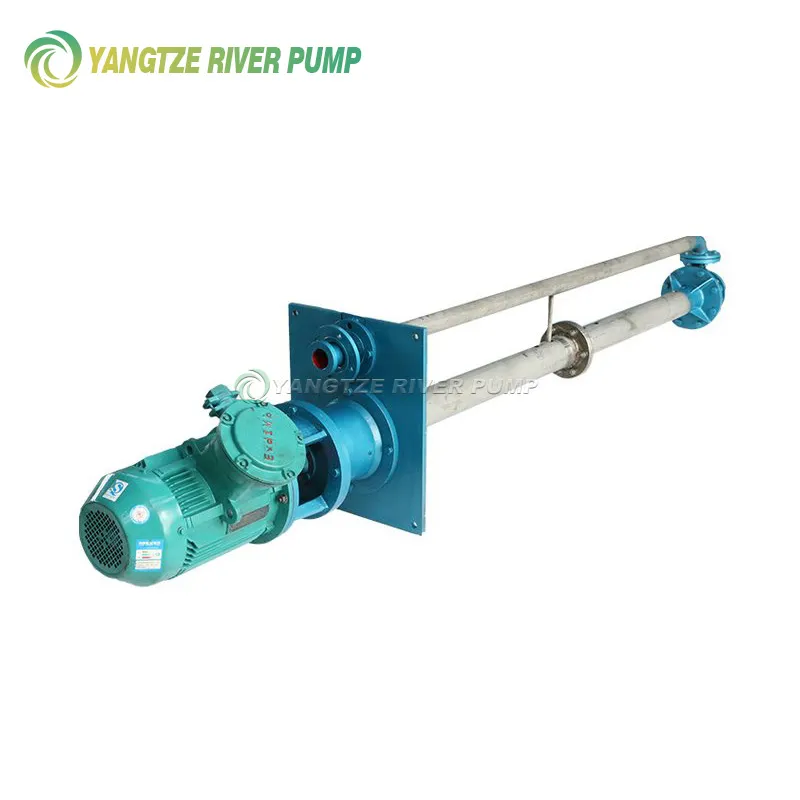 FY Submersible Chemical Pumps
-
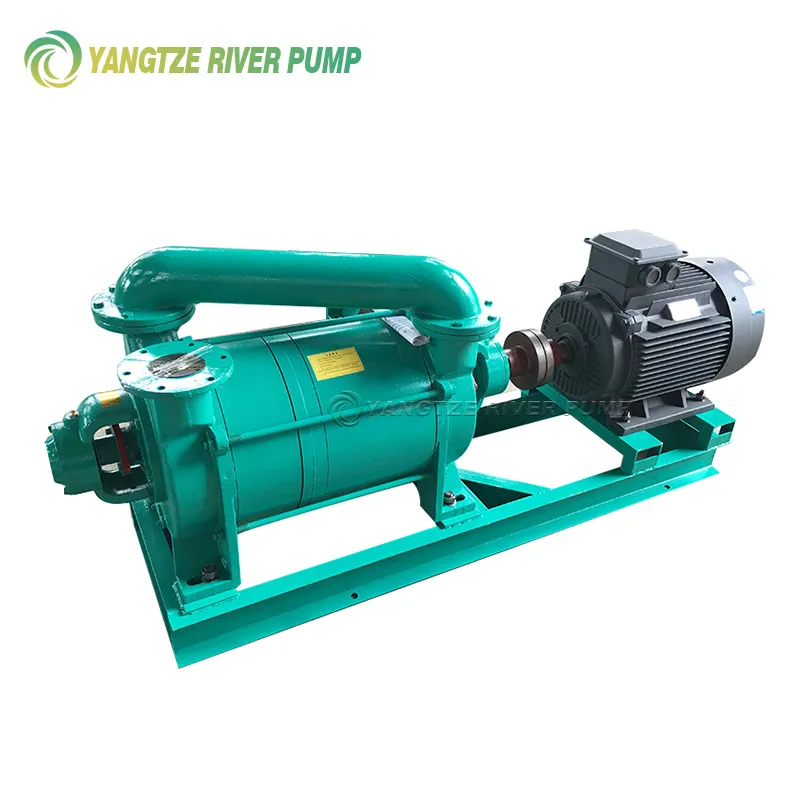 Liquid ring vacuum pumps type 2SK
-
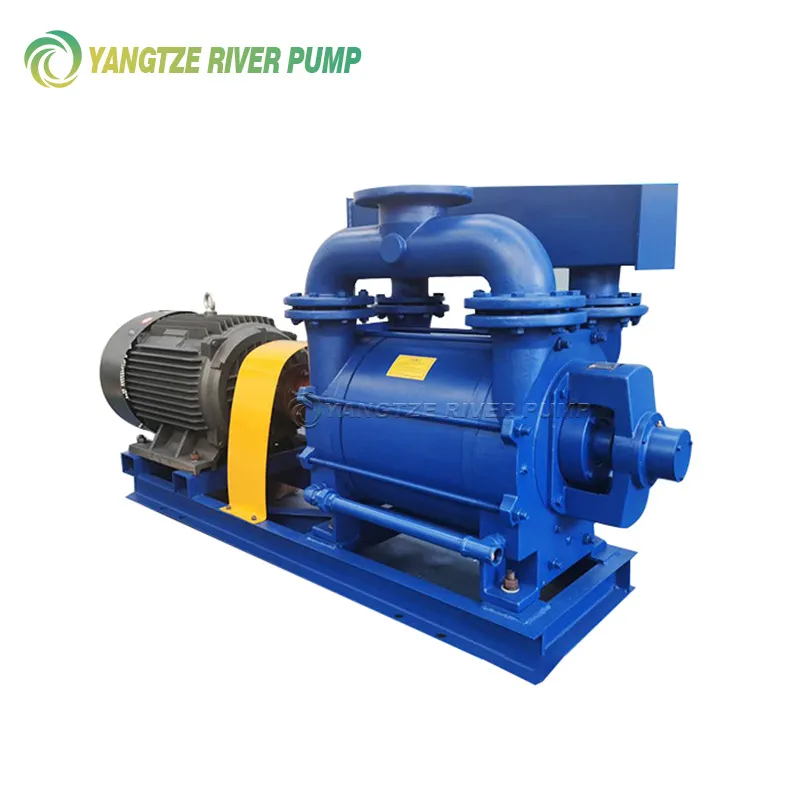 Liquid ring vacuum pumps type 2EB
-
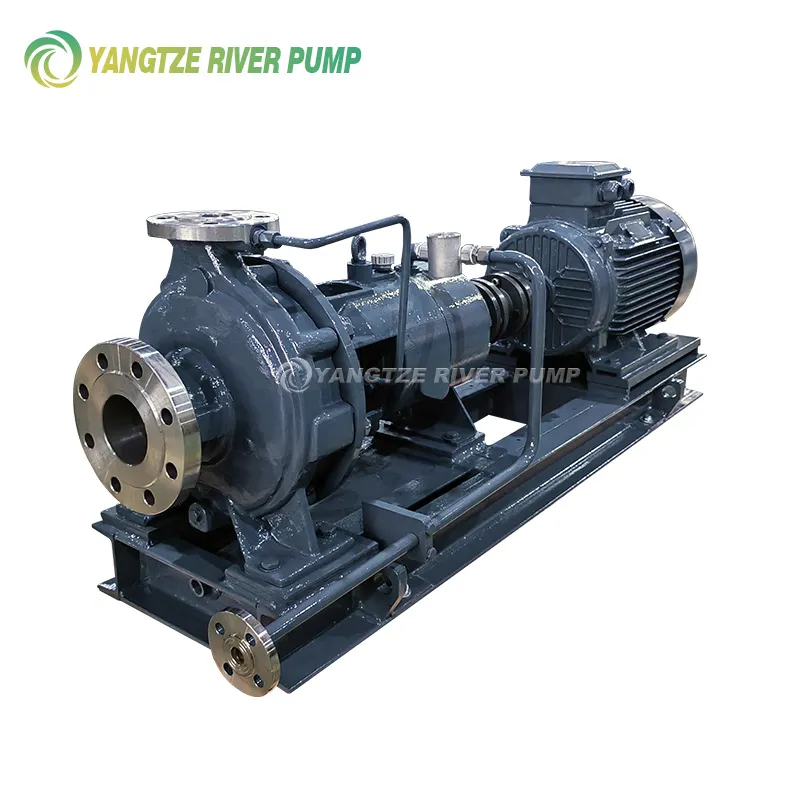 Petrochemical Process Pumps API 610 YZA
-
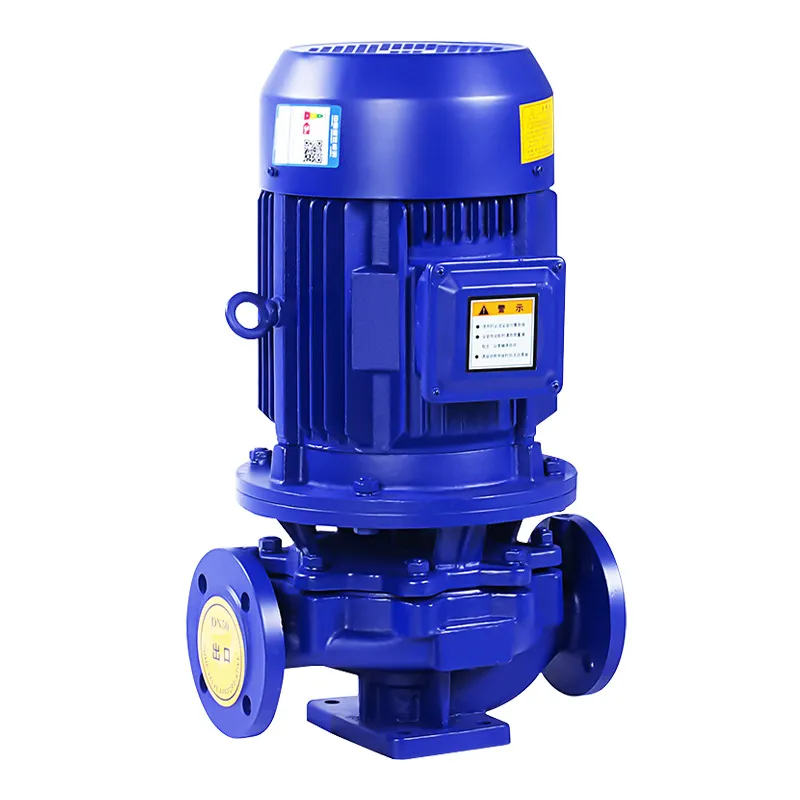 Vertical single-stage pipeline centrifugal pumps ISG and IHG
-
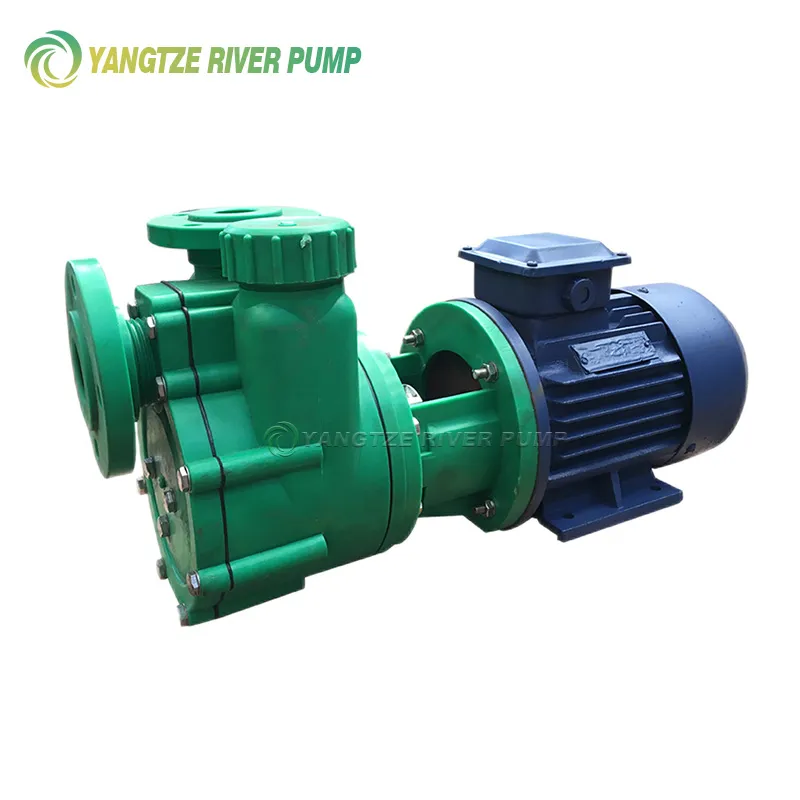 Plastic self-priming centrifugal pumps FP and FS
-
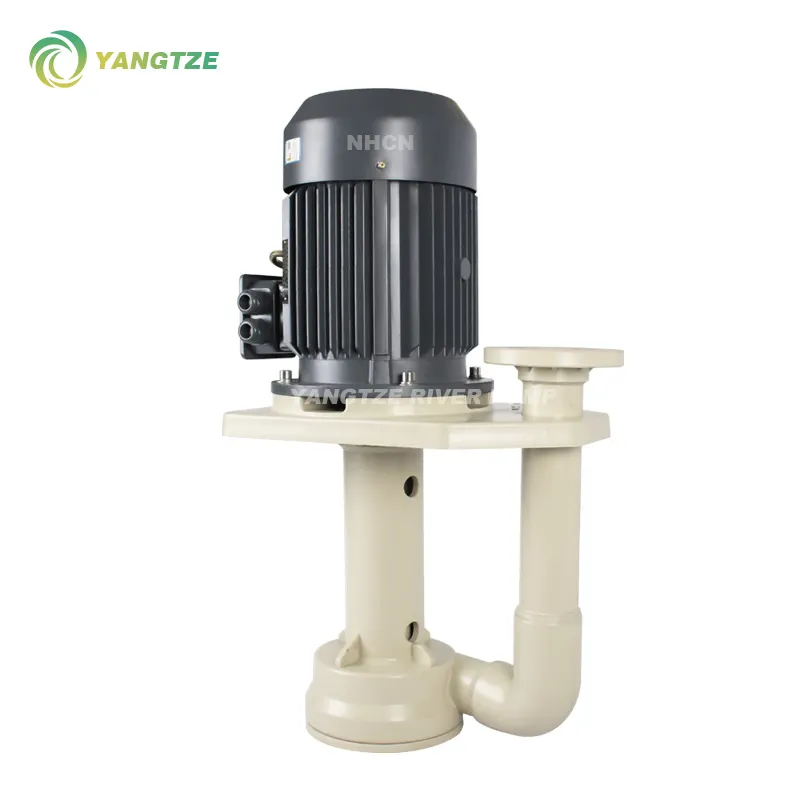 Vertical pumps for installation inside/outside tanks YZCN and YZCW
-
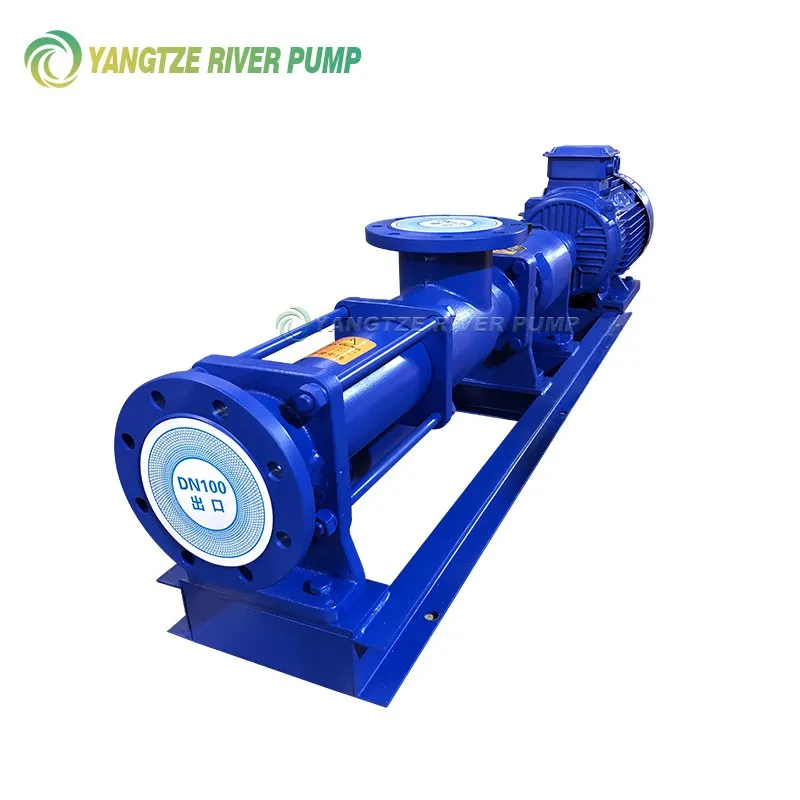 Single screw pumps type G
-
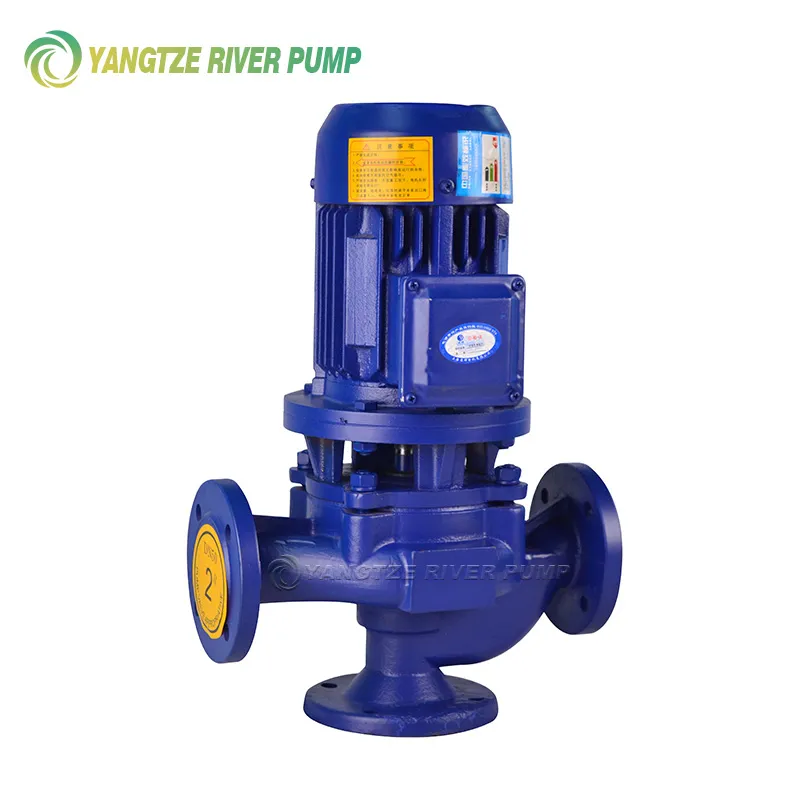 Pipeline wastewater pumps GW
-
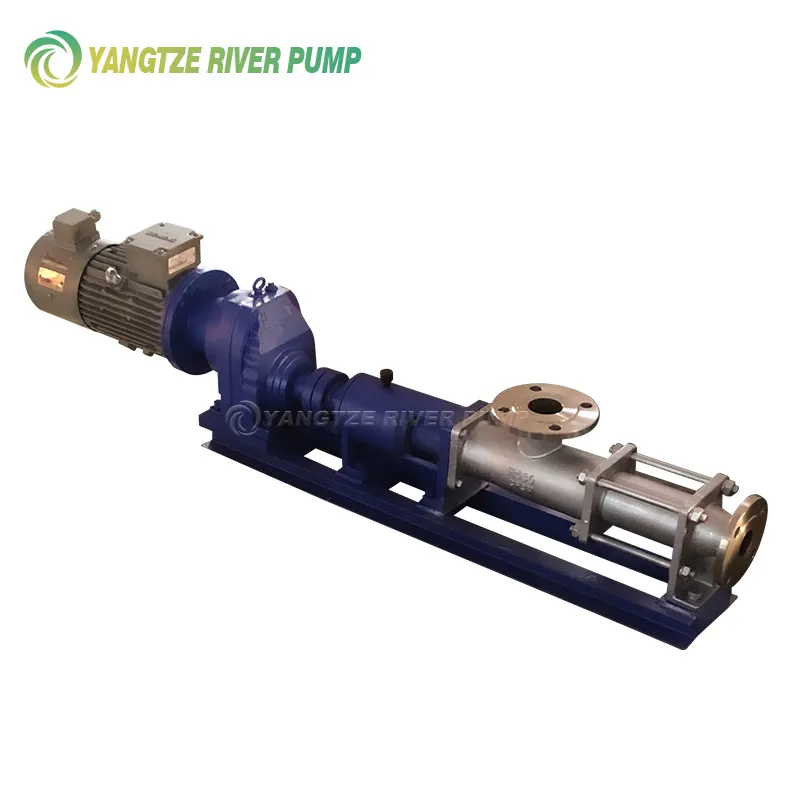 Geared screw pumps type G