







centrifugal pump 18 5 kW
When you hear “centrifugal pump 18 5 kW”, the first thing that comes to mind is the engine power. But if you have actually been involved in selection and operation, then you know that this is just the tip of the iceberg. Many customers, and some colleagues in the shop, mistakenly believe that the main thing is to fit into these kilowatts, and the rest “somehow?” In fact, 18.5 kW is rather the starting point for a whole chain of calculations: what pressure and flow are needed, what medium to work with, what losses in the network, and, most importantly, what type of centrifugal pump is suitable here. It’s one thing to pump water from a well, another thing to pump an abrasive suspension. The engine has the same power, but the pump parts are completely different. It’s these nuances that you can’t read in dry catalogues, and I’d like to speculate based on what I’ve seen in practice.
Power 18.5 kW: between necessity and redundancy
You often come across this denomination in industrial and large utility applications. This is the border where “household” already ends. decisions and serious technology begins. But here’s a paradox: sometimes an 18.5 kW pump is installed with a huge margin, “just to be sure?” And then it works at half capacity, efficiency drops, electricity goes down the drain, and the resource may suffer due to non-optimal operating conditions. I myself have more than once recalculated schemes where instead of one “heavyweight”? at 18.5 kW it turned out to be more profitable and efficient to install two smaller units in parallel. The reliability of the system is higher - if one gets up, the second one will back up.
On the other hand, the opposite situation also happens - they try to “squeeze out” from a 15 kW pump, parameters that objectively require those same 18.5. The motor overheats, the protection is constantly triggered, and in the end you still have to change it to a more powerful one, but with losses due to dismantling and downtime. The key point here is careful hydraulic calculation. You can't just pull numbers out of thin air? or from an old project. It is necessary to take into account the length of the pipeline, the number of turns, shut-off valves, and height differences. And only then look at the characteristics graphs (H-Q curves) of specific models.
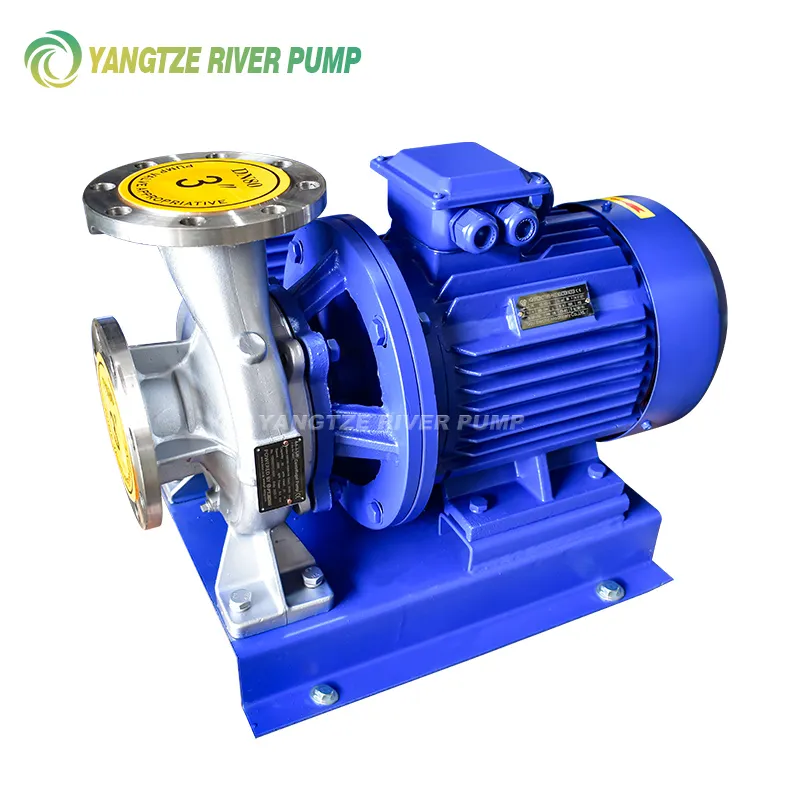
In this regard, the approach that I have seen, for example,Zhejiang Yangzijiang Pumping Industry Co.,Ltd, seems healthy. On their websiteyangtzeriverpump.ruIt can be seen that the range covers different types of pumps for the same task. This is important. Because for the right choice undercentrifugal pump 18 5 kWThey can offer you both a single-stage horizontal console and a multi-stage sectional one if you need high pressure. The very fact that there is a full cycle from R&D to testing at the plant says that they can not just sell hardware, but help with engineering - choosing the optimal solution for specific numbers, and not for abstract kilowatts.
Pump type: why ?centrifugal? - this is too general
This is perhaps the most common point of error. The customer says: “We need a centrifugal pump, 18.5 kW?”. Which one? For clean water, for suspensions, for chemically active media? The design of the flow part, the material used – everything will be radically different. I remember an incident at a chemical plant where a standard cast iron pump was installed to pump a solution with moderate acidity. The nameplate with a power of 18.5 kW was correct, but the material was not. Six months later, leaks began and cavitation damage to the wheel began.
This is where specialized rulers come to the rescue. Looking at the production paletteZhejiang Yangzijiang Pumping Industry Co.,Ltd, then a conscious separation is visible. For aggressive environments –plastic chemical pumpsmade of PP or PVDF. For liquids with impurities - perhapssingle screw pumps, although they are not centrifugal, they often solve related problems. And for pure liquids with high efficiency - the samelinear centrifugal pumpsor multi-stage versions. The bottom line is that engine power is only the “heart”, and the “body?” – impeller, casing, seals – must match the environment. Otherwise, these 18.5 kW will simply quickly turn the pump into a pile of scrap metal.
Another practical aspect is the method of installation and connection. An 18.5 kW pump is already a solid machine, often with a gland seal or a double-acting mechanical seal. It must be correctly positioned on the foundation, aligned with the electric motor (and they are often supplied separately). Underestimation of this stage leads to vibrations, overheating of bearings and, again, premature failure. Sometimes it is easier to choose a model with a monoblock design, where the pump and motor are on the same shaft - there is less hassle with alignment.
Self-priming and other special solutions
Often a request for an 18.5 kW pump arises for systems where there is a need for self-priming - for example, when drawing water from a reservoir located below the pump level. And here's the classic onecentrifugal pumpIt may not work without first filling. In such cases, you need to look towards specialself-priming pumps. Their design allows air to be removed from the suction line and a vacuum to be created to lift the liquid.
Worked with one fire extinguishing system in a warehouse. The task there was precisely to ensure a quick launch from an open reservoir. They installed a standard 18.5 kW centrifugal pump, but each start-up was a pain - it was necessary to pour water through a funnel. We switched to a self-priming model with the same power. Yes, it is a little more expensive and may have a slightly lower efficiency in constant mode, but the start-up has become guaranteed and fast, which is critically important in a safety system. This is a case where functionality is more important than the theoretical maximum efficiency.
When choosing such a pump, it is important to pay attention to the suction height that it actually provides (taking into account losses) and the time during which it creates a vacuum. This data should be in the technical specifications from a bona fide manufacturer who conducts real tests and does not take them from reference books.
Testing and reliability: where the problems lie
Any self-respecting manufacturer who, likeZhejiang Yangzijiang Pumping Industry Co.,Ltd, declares complete production lines including testing, understands its importance. For an 18.5 kW pump, “running in?” at the stand - not a luxury, but a necessity. It is necessary to take the actual characteristics (pressure, supply, current consumption, vibration, bearing temperature), compare with the passport data and make sure that there are no manufacturing defects.
I came across a situation where the pump arrived “from the factory”, but when started at the site, the current was higher than the rated one, and the pressure was lower. We started to figure it out: it turned out that the impeller was of the wrong modification, with a different diameter. If the manufacturer had conducted a full load test, this defect would have been identified before shipment. Therefore, now when choosing a supplier, I always ask whether tests are carried out under water load, and whether I can obtain a test report for a specific unit. This saves you from many commissioning headaches.
Another point is the safety margin. A good 18.5 kW industrial pump should have design parameters with some margin relative to the maximum capabilities of the engine. This increases the resource. You often see more massive shafts, larger bearings, and reinforced housings in designs. All this is not for beauty, but so that the unit can withstand possible water hammer and short-term work in off-design modes.
Service and final considerations
And the last thing that is often forgotten when purchasing, thinking only about the price and the 18.5 kW figure, is the availability of spare parts and service. The pump does not last forever. Over time, seals and bearings wear out, and the impeller may need to be replaced. If this is an exotic model that was brought in a single copy, then waiting for spare parts can cost more than the purchase itself.
Therefore, I always lean towards solutions from manufacturers that have not only a wide range, but also an established support system. If a company like the one mentioned combines production, sales and service, that's a good sign. This means, most likely, there is a warehouse of the most popular spare parts (the same mechanical seals, bearing sets), and engineers understand how to change them. For a responsible object this is crucial.
In the end, back to the beginning.Centrifugal pump 18 5 kW– this is not a product item, but a technical specification that requires decoding. Power is just one of dozens of parameters. It is much more important to understand what exactly needs to be downloaded, under what conditions, and with what requirements for reliability and maintenance. And only after assembling this mosaic, you can go to catalogs or, better yet, to the manufacturer’s technical specialists in order to select not just a unit, but a workable and durable solution. Experience shows that the time and money saved at the selection stage are then spent many times on repairs, modifications and downtime.
Correspondingproducts
Related Products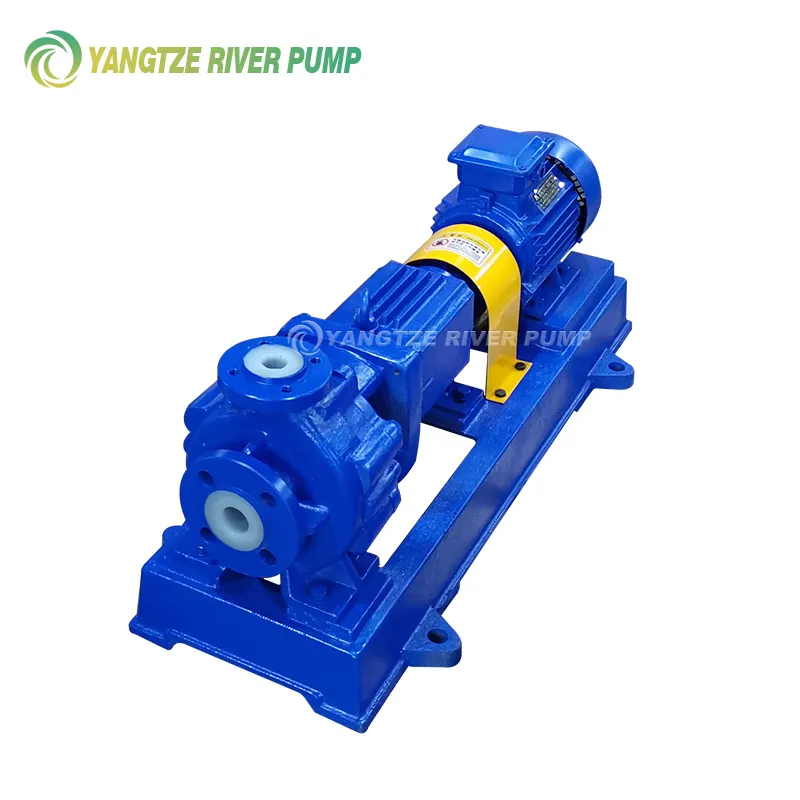
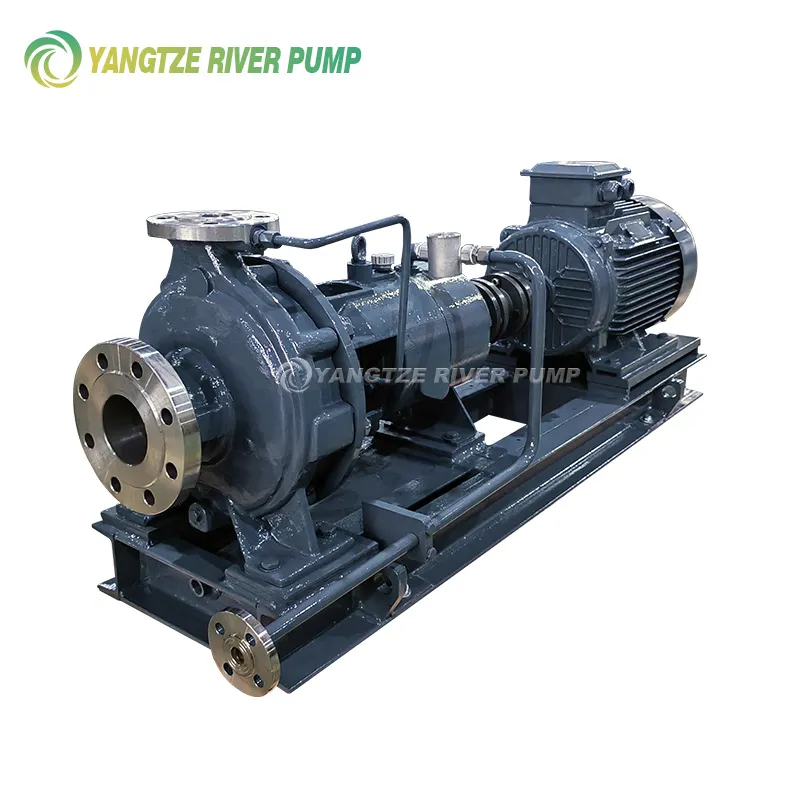
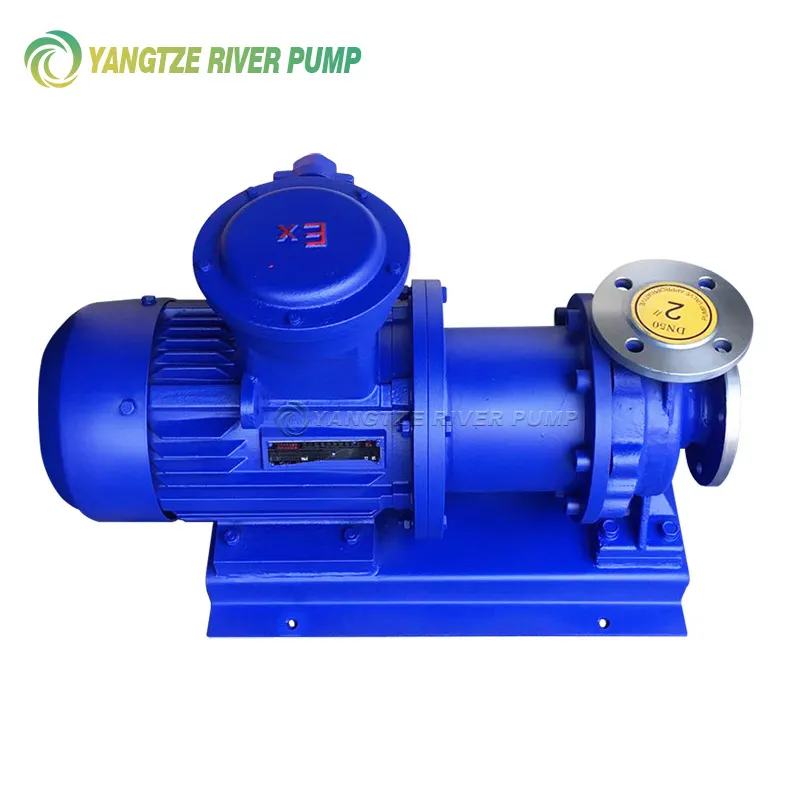
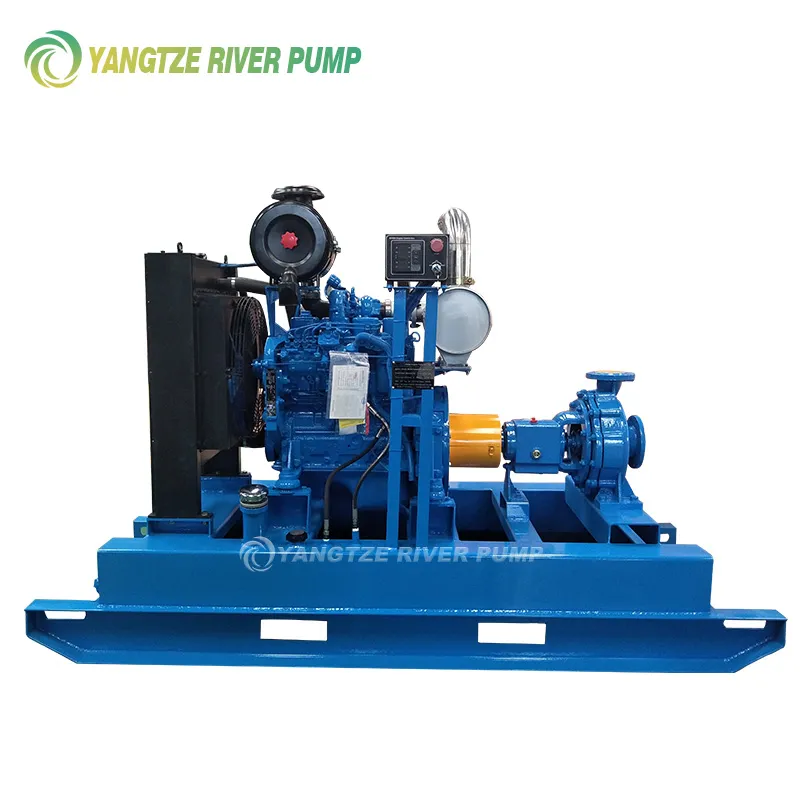

Best Sellingproducts
Best Selling Products-
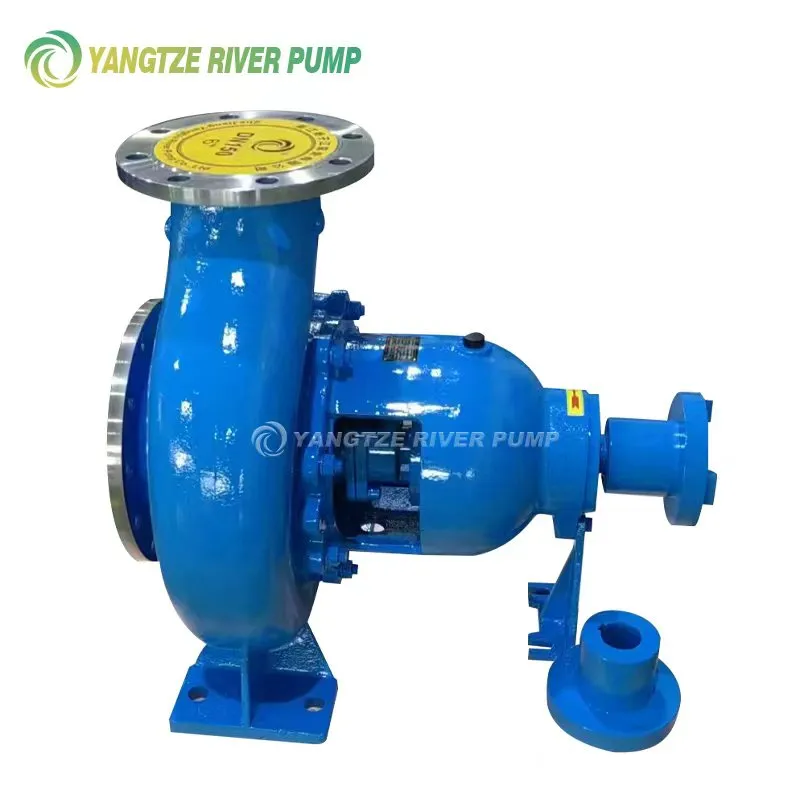 IH Stainless Steel Chemical Centrifugal Pumps
-
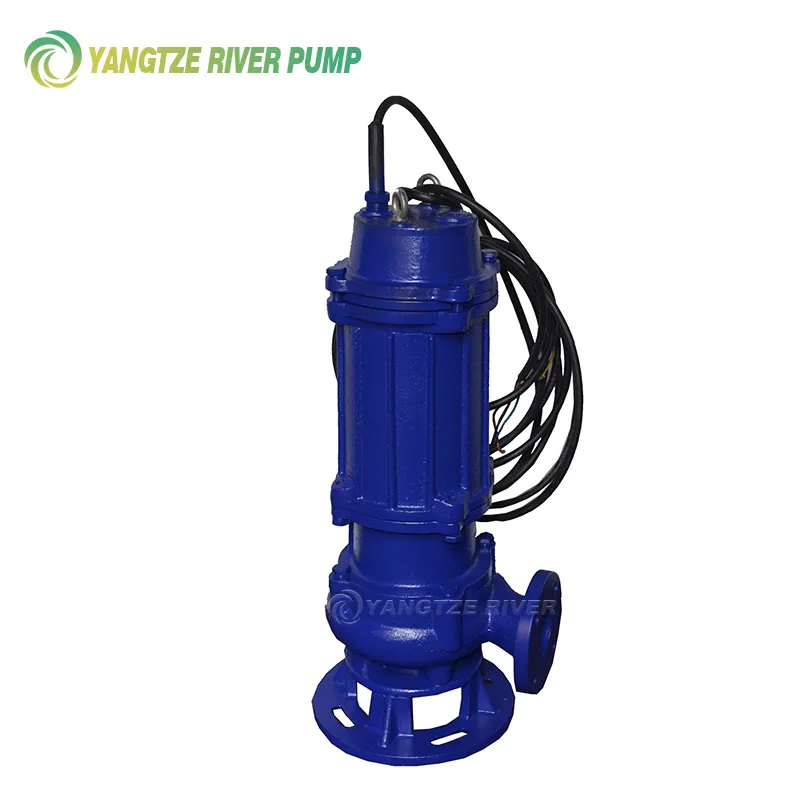 QW Non-clogging Submersible Sewage Pumps
-
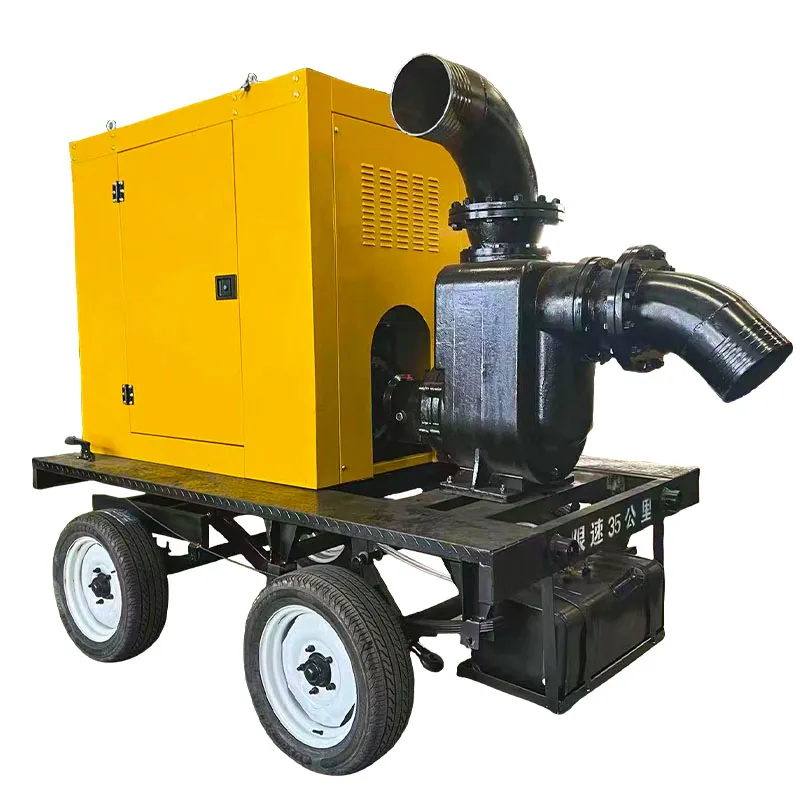 YZZW Diesel self-priming pumps
-
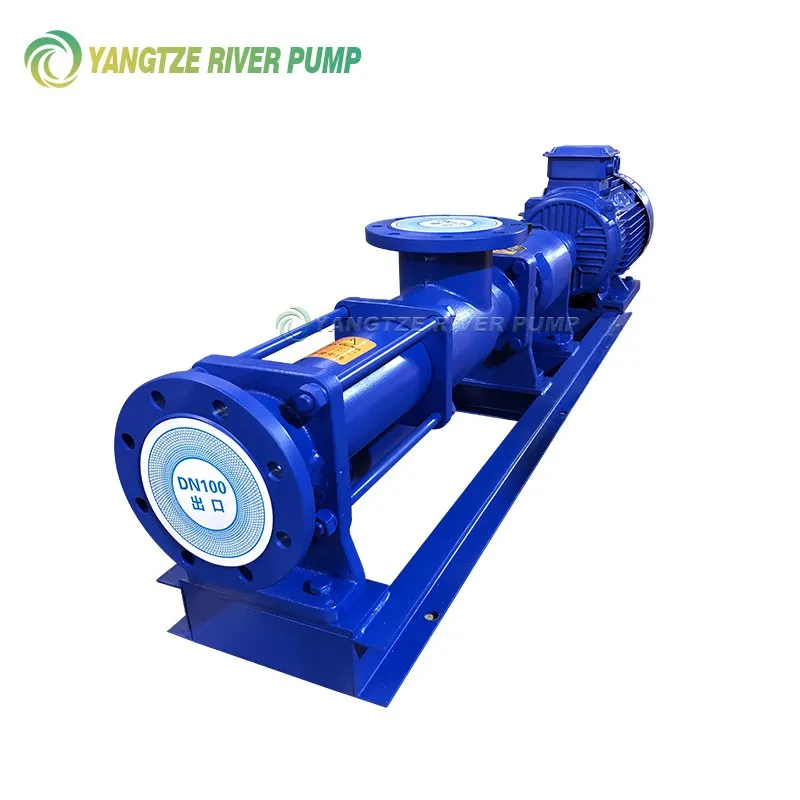 Single screw pumps type G
-
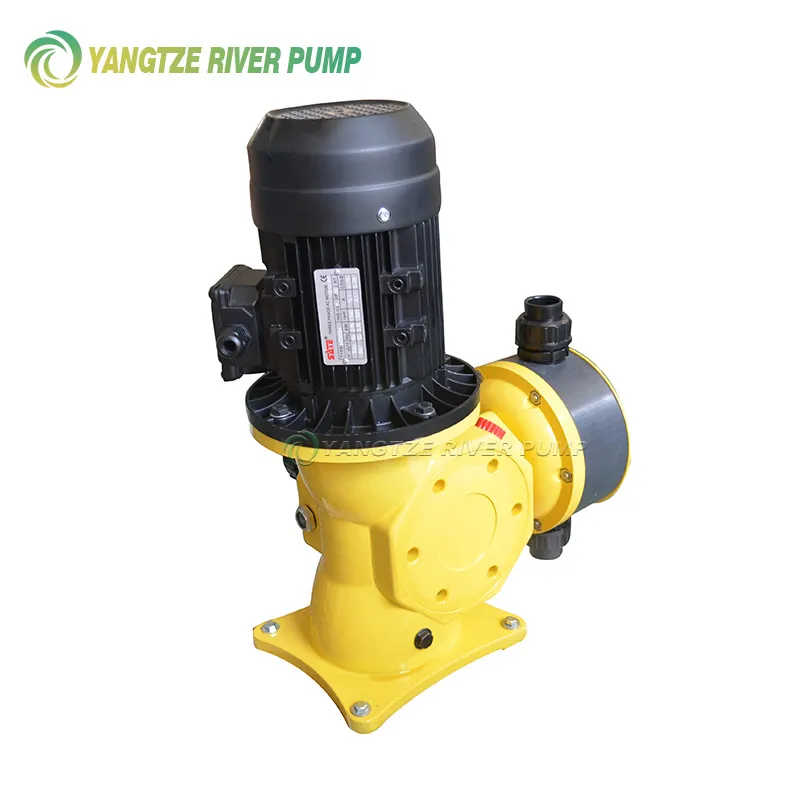 Mechanical diaphragm dosing pumps DJ-D
-
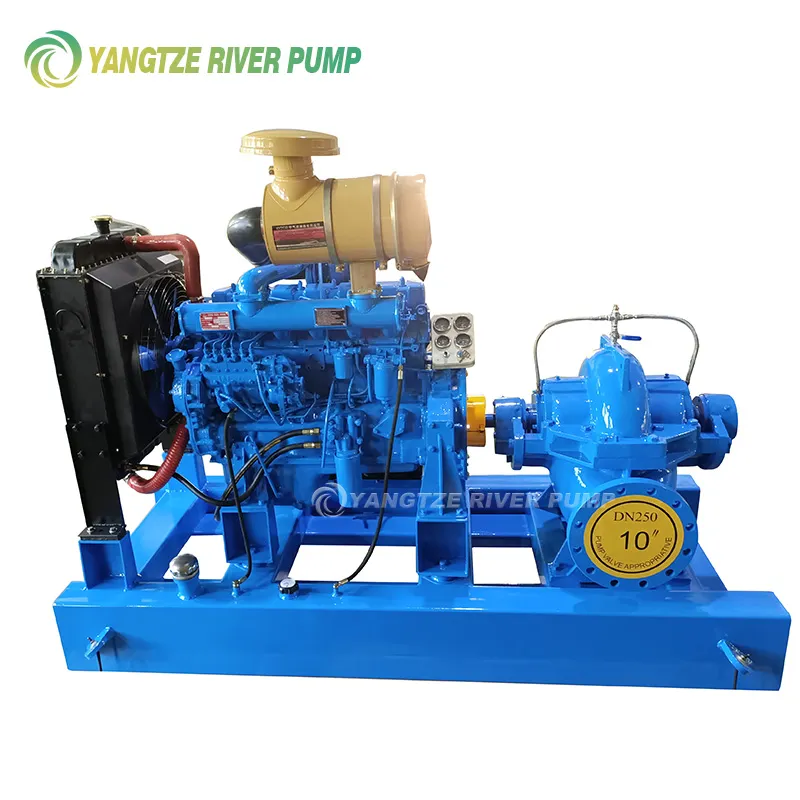 Diesel pumps with horizontal connector YZS and YZSH
-
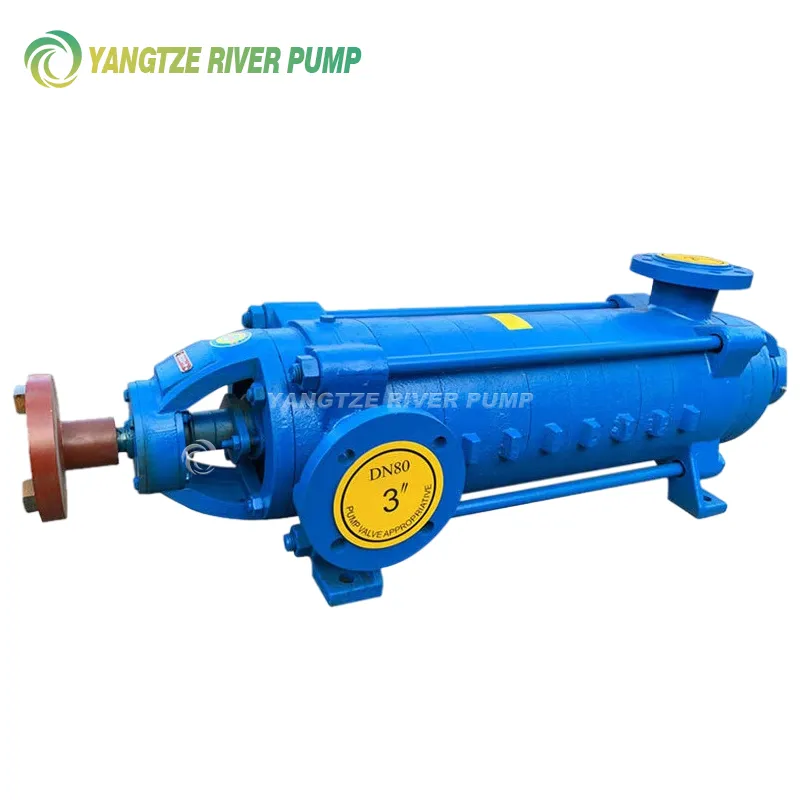 Horizontal multistage pumps for feeding DC boilers
-
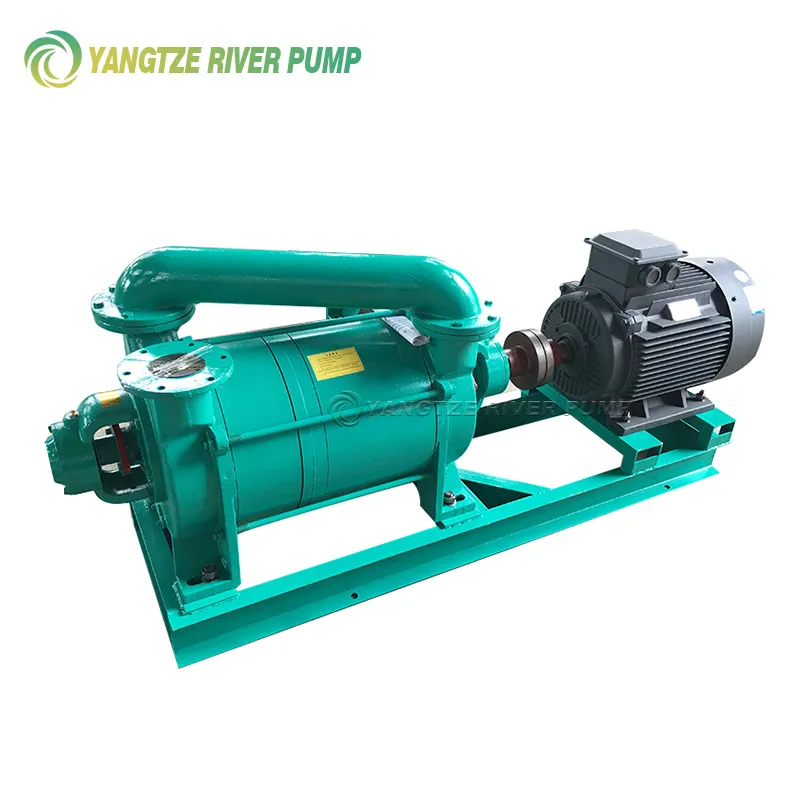 Liquid ring vacuum pumps type 2SK
-
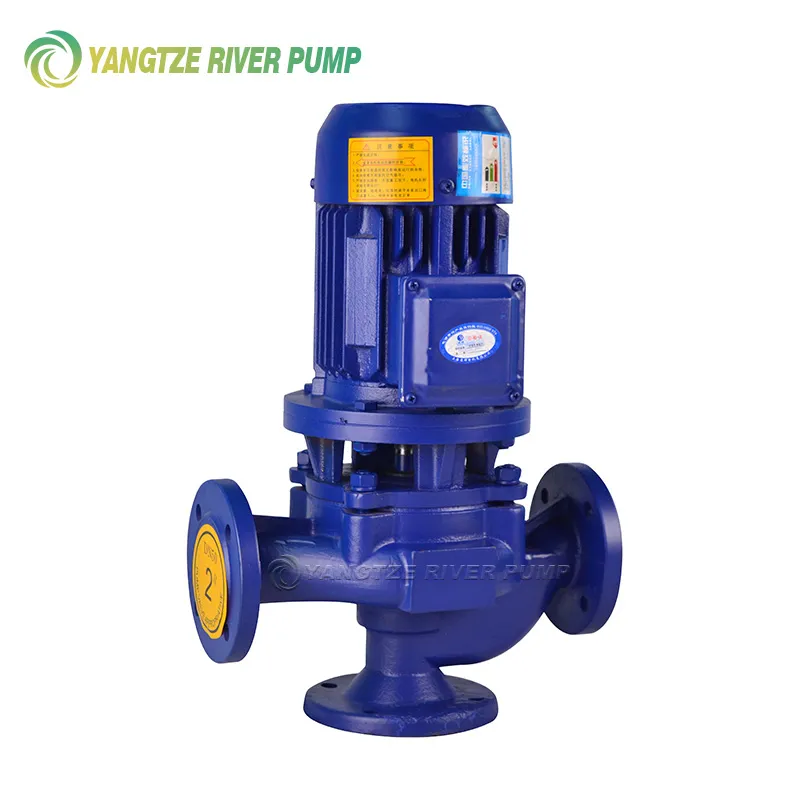 Pipeline wastewater pumps GW
-
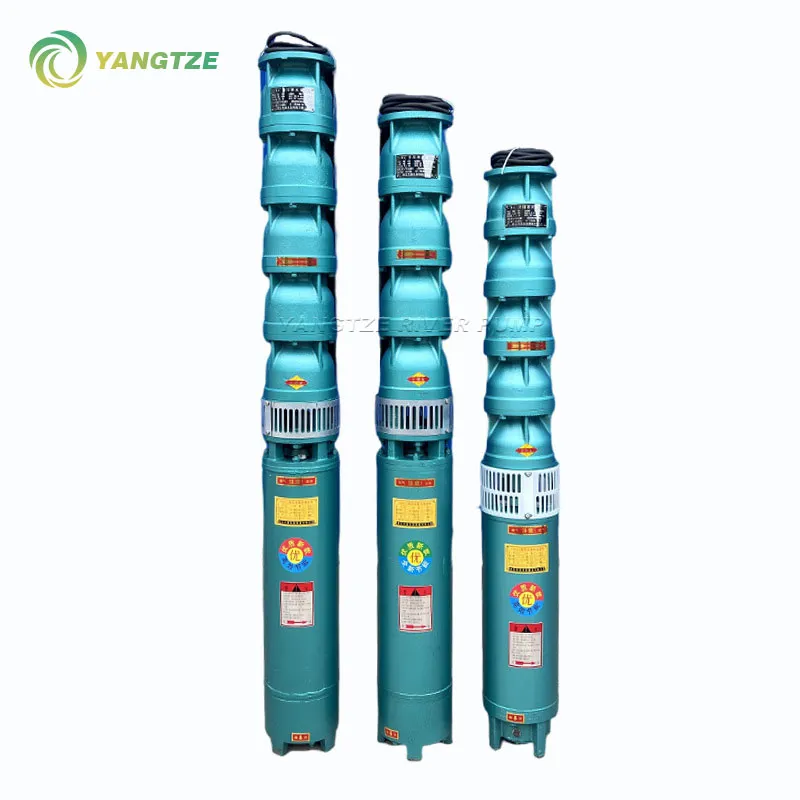 QJ type borehole pumps
-
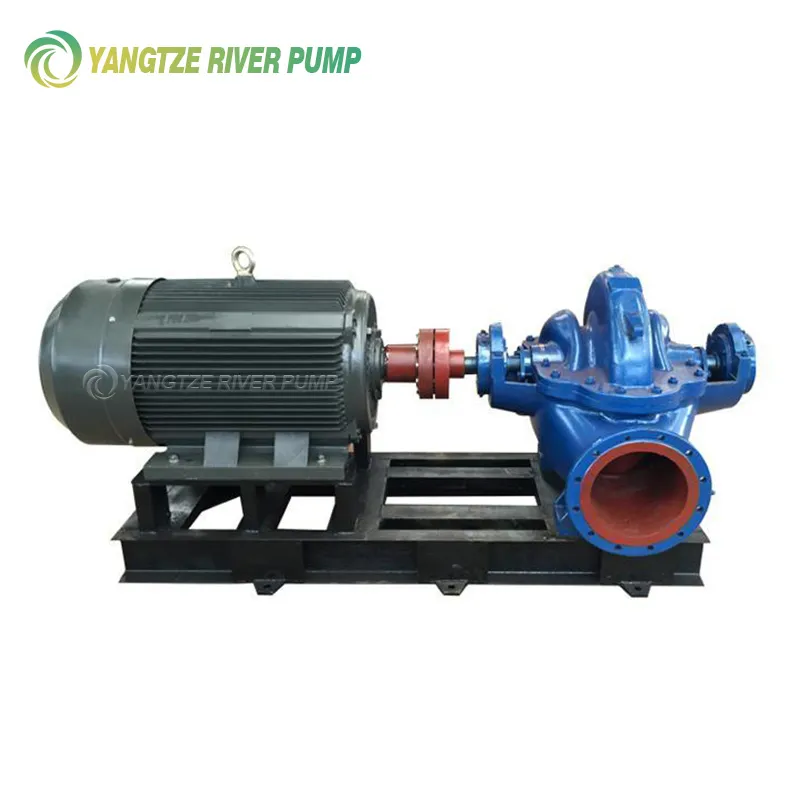 Single Stage Double Entry Centrifugal Pumps Type S
-
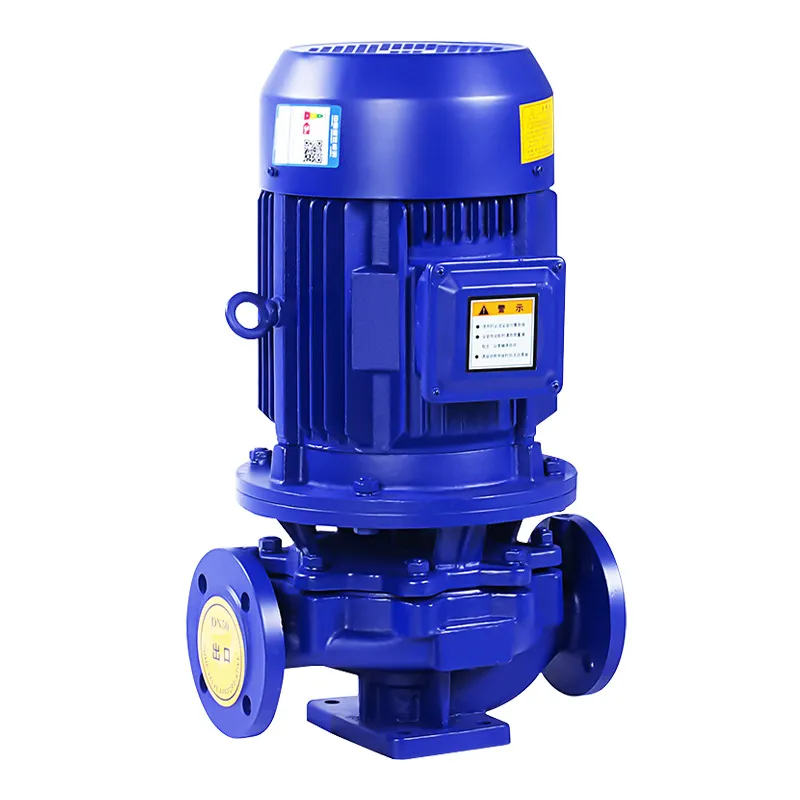 Vertical single-stage pipeline centrifugal pumps ISG and IHG