







deep well pump 4 inches
When you hear “4-inch deep well pump?”, the first thing that comes to mind for most is simply the standard size, a parameter for a filter in an online store. But in practice, this figure is only the beginning of the story. Many people mistakenly believe that the main thing is the diameter, and everything else will “tighten up”. In fact, 4 inches is a whole class of equipment with a lot of nuances: from the material of the housing and the type of impeller to the subtleties of selecting pressure and productivity for a specific well. I often see people take the first one they come across.deep well pumpwith the required diameter, and then they wonder why it either does not produce the required pressure or quickly fails due to sand. It's important to look deeper here.
What really lies behind the “four inches?”
So, 4 inches is approximately 100 mm in outer diameter. It would seem standard. But wells are different: some are perfectly level, others have a slight slope or slight narrowing. The pump must pass freely, with clearance. I always recommend that customers not rely on the passport 100 mm, but actually measure the casing. There have been cases when ?standard? The 4-inch unit got stuck because the pipe was not 125 mm, but 118, and even with plaque inside. This is the first practical lesson.
The second point is the design. This form factor accommodates both multi-stage models for high pressures (some stretch up to 200+ meters) and simpler options for shallow wells. The key difference is the number of steps and the material. For water with low abrasiveness, polymer impellers are often sufficient, but if there is a risk of sand, it is better to look at stainless steel. In our production, on siteZhejiang Yangzijiang Pumping Industry Co.,Ltd, this issue is studied at the testing stage: they run pumps on stands with impurities and look at wear. Not all manufacturers do this.
And the third, often overlooked aspect is the electric motor. It must be not just waterproof, but designed for long-term operation in an immersed state, with reliable winding insulation. Overheating is a typical ?disease? cheap models. We have our assortment, which can be seen onyangtzeriverpump.ru, we rely on motors with insulation class no lower than F, this allows them to operate in more severe temperature conditions without risk to the winding. This is not an advertisement, but simply a fact from production practice.
Selection by flow rate and pressure: where mistakes are most often made
The most common mistake is to take a pump with maximum parameters “in reserve”. Let’s say a well produces 2 cubic meters per hour, and the unit is set to 3.5. It seems like there will be some stock. But if the well’s flow rate is limited, the pump will operate with frequent on-off switching (if automatic) or in “suction” mode, which leads to cavitation and rapid wear. It is more correct to select productivity 10-15% lower than the well flow rate. This extends the life of both the pump and the well itself.
With pressure, too, not everything is clear. Take the total pressure according to the passport, add up the depth and height to the top point, plus the reserve. But they forget about hydraulic losses in horizontal sections, especially if the distance from the well to the house is 50 meters. Every meter of horizontal pipe is the equivalent of losses. We had to redo systems where the pump, seemingly with good pressure, could not normally lift water into the house precisely because of unaccounted losses in the pipeline. Now I always advise clients to calculate not just “depth + 30 meters”, but to use more complex formulas or, what is simpler, consult with engineers. We have on the website for key models including4 inch submersible pumps, there are detailed performance curves - this is a good help for accurate selection.
From personal experience: there was an incident at a summer cottage near Moscow. Well 60 meters, static level 25. We installed a powerful 4-inch pump. Six months later - complaints about a drop in pressure. It turned out that the well’s flow rate was small, the pump simply “pumped” it, the dynamic level dropped too low, and the unit began to capture sand. The solution is to replace it with a less productive model from the same line. After that there were no problems. Conclusion: without understanding the real capabilities of the source, even the most technologically advanced pump will not work for long.
Materials and protection: what you can’t skimp on
Housing. For fresh water, AISI 304 stainless steel is often used - this is a good balance of price and corrosion resistance. But if the water has a high content of chlorides (this happens in some regions) or it is poorly mineralized, it is better to look at AISI 316. There is a difference in price, but also in resource. We work with both types of steel in our production lines, and the choice always depends on the target market and intended operating conditions.
Impellers. Plastic (technopolymer) is lightweight, cheap, and corrosion-resistant. But it is afraid of abrasive and can become deformed during prolonged use with warm water (above 40°C). Stainless steel is stronger, but more expensive. Composite materials are an interesting compromise. In the models that we position for difficult conditions, we try to use wheels made of stainless steel or reinforced composites. This is not marketing, but a necessity, confirmed by tests on stands.
Protection. The mandatory minimum is protection against “dry running”. and overheating. In gooddeep-well pumps4 inches this is built into the engine design (thermoprotector) and can be supplemented with external automation. I'm always surprised when people skimp on a control unit with protective functions. Engine repair after running "dry" often comparable in cost to a new pump. We are inZhejiang Yangzijiang Pumping Industry Co.,LtdWe equip our units with built-in basic protection, but we always focus on the importance of correct external automation.
Installation and operation: subtleties that are not written about in the instructions
Rope and cable. It would seem like a small thing. But the pump hangs in the well on a cable. If the cable is not made of stainless steel, it will rust over time, and this can lead to breakage. A story with a sad ending: the pump fell to the bottom due to a rotten galvanized cable. It was almost impossible to pull it out; the well had to be drilled again. Since then I have insisted only on stainless steel cable. The power cable must be securely attached to the pressure pipe without tension, using special clamps and not electrical tape.
Check valve. They place it immediately after the pump, at the outlet. But few people install a second, additional valve somewhere in the caisson or in the house, in front of the hydraulic accumulator. And he is needed. The first valve may “hang” over time. due to small debris, and then the entire column of water will put pressure on the pump impeller during idle moments. The second valve is insurance. A trifle, but it adds years to the life of the mechanical part.
Commissioning. After installation, the pump cannot be immediately loaded to 100%. It is advisable to let it run idle and pump a certain amount of water to make sure there are no vibrations or extraneous noise. The first hours of operation are critical for identifying possible manufacturing defects. In our production everyonesubmersible pumpundergoes hydraulic tests, but conditions in the field are different. Better to play it safe.
Cases from practice and why there are no universal solutions
He worked with one farm in the Leningrad region. The water from the well had a high iron content. Standard4 inch pumpmade of stainless steel worked for about two years, after which problems began with the shaft jamming. We took it apart - all the internal gaps were clogged with iron oxides. Conclusion: for such water you need either models with increased gaps, or regular (once a year or two) preventive cleaning. I had to select another model, not so “accurate?” hydraulically, but more resistant to deposits.
Another example is a well in limestone, the water is clean, but very cold (4-5°C). There, on the contrary, there were no problems even with the simplest pump design. He worked faithfully for more than 7 years. It all depends on the analysis of water and conditions. Universal ?best? the pump does not exist. There is an optimal one for specific parameters.
That is why our company keeps several lines in its assortmentdeep well pumpsin 4-inch version. From relatively simple ones, for clean water at the dacha, to multi-stage “heavyweights”? for deep artesian wells or water supply systems for entire houses. They have one thing in common: an attempt at the design and production stage to provide a safety margin for typical Russian conditions. Not a perfect formula, but it works. As practice shows, the main thing is not to chase absolute numbers in the passport, but to understand what is behind these numbers and how it will work in the ground, at a depth of several tens of meters.
Correspondingproducts
Related Products


Best Sellingproducts
Best Selling Products-
 Horizontal multistage centrifugal pumps (light series) CHL and CHLF
-
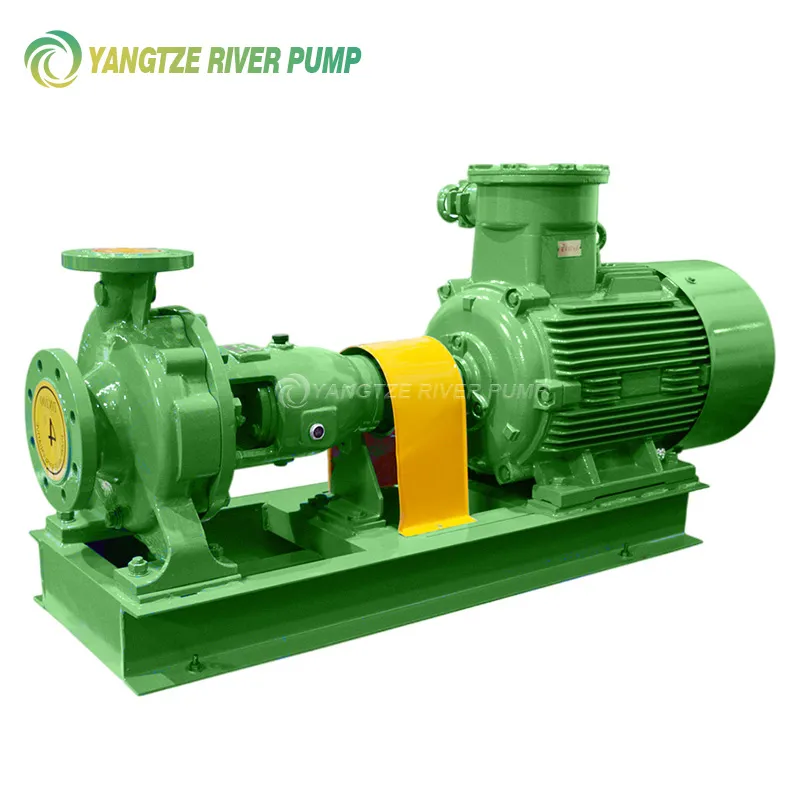 YCZ Chemical Process Pumps
-
 Horizontal multistage pumps for feeding DC boilers
-
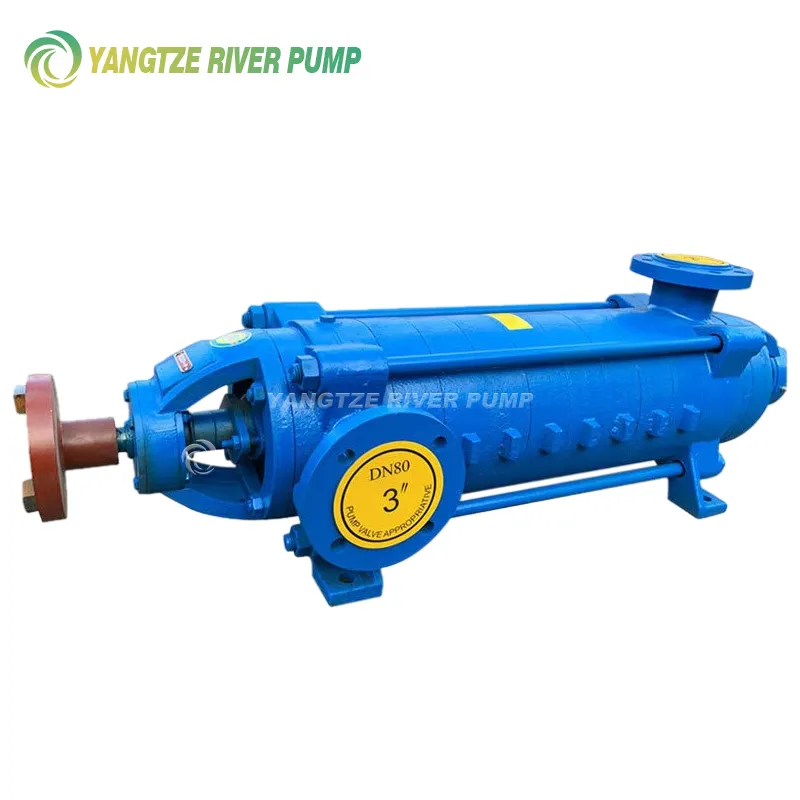 Horizontal multistage pumps for feeding DG boilers
-
 Non-clogging self-priming wastewater pumps ZW
-
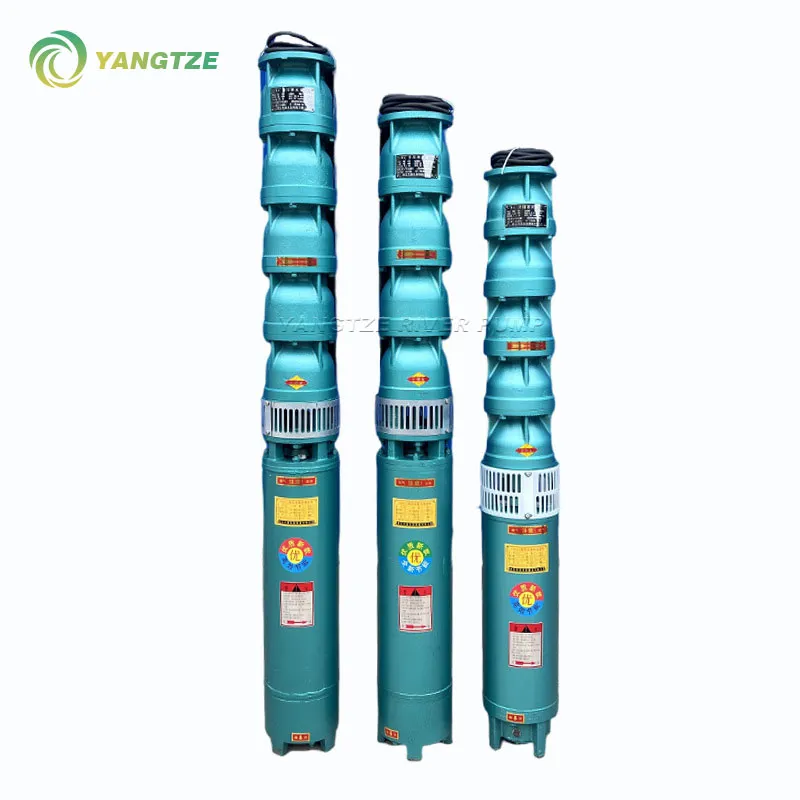 QJ type borehole pumps
-
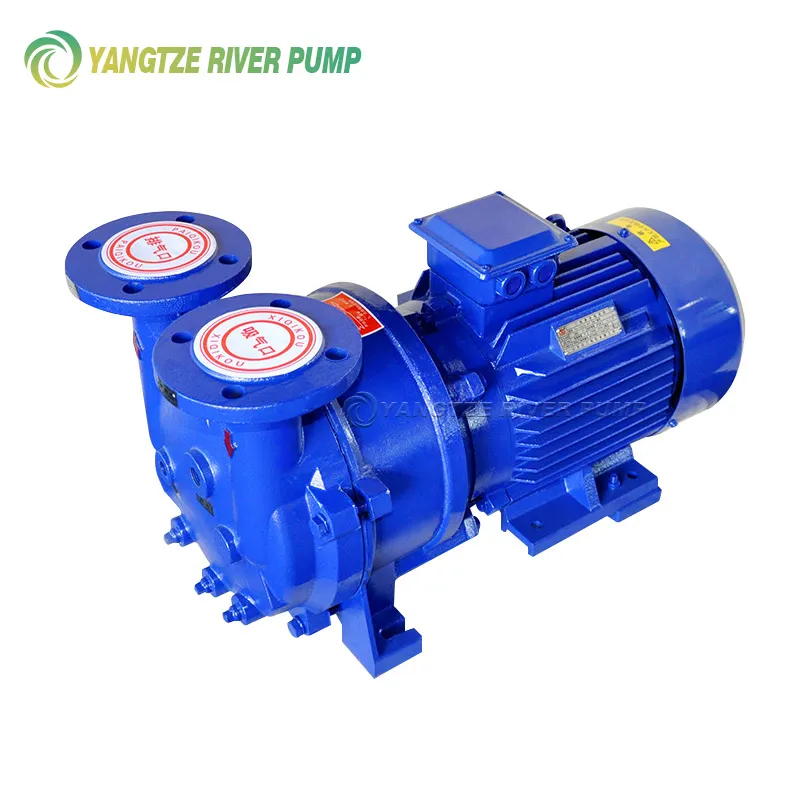 Liquid ring vacuum pumps type SKA and 2BV
-
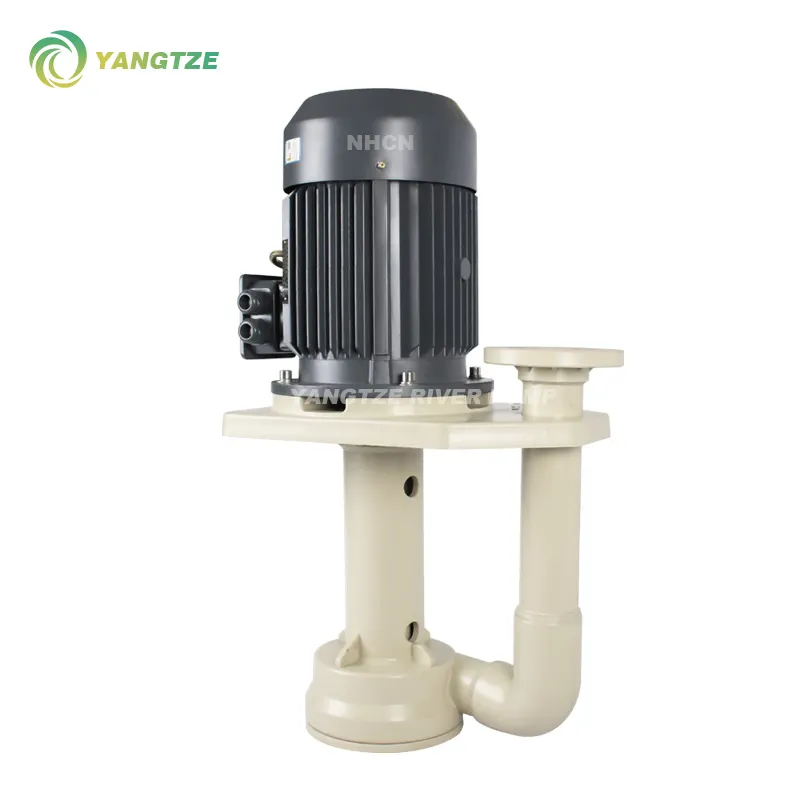 Vertical pumps for installation inside/outside tanks YZCN and YZCW
-
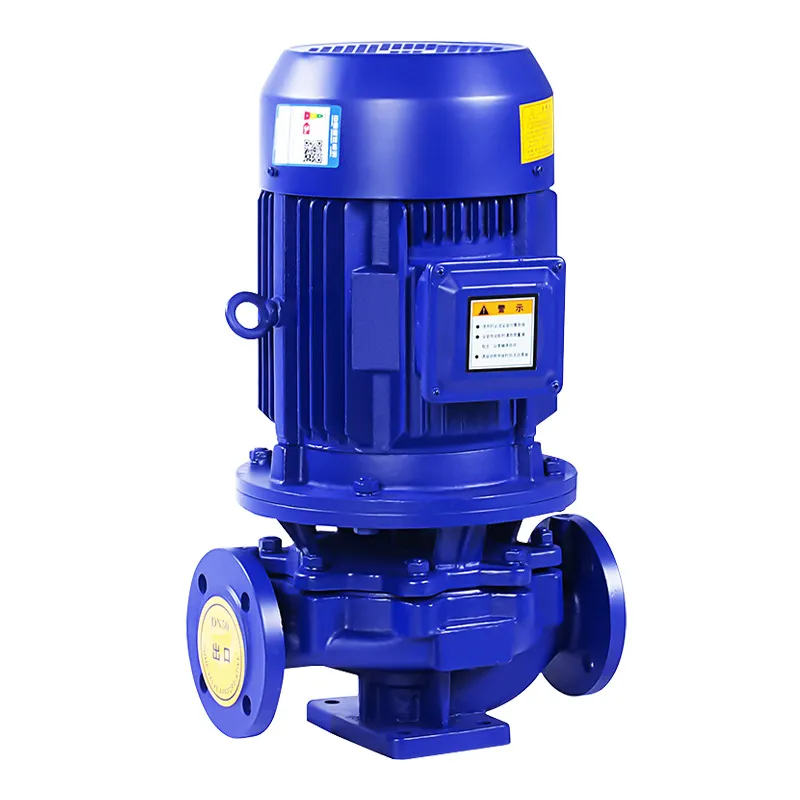 Vertical single-stage pipeline centrifugal pumps ISG and IHG
-
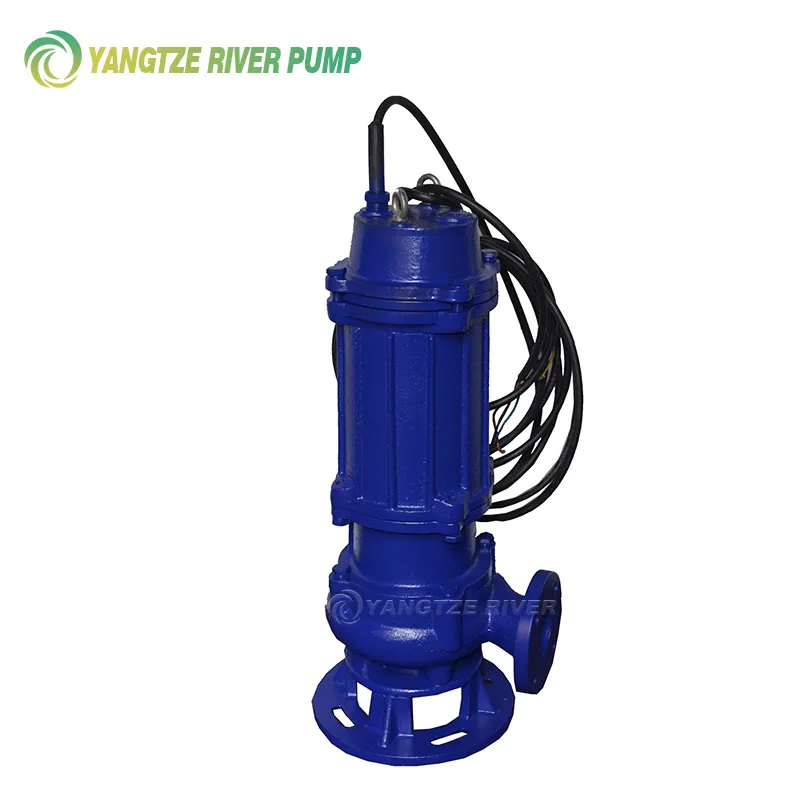 QW Non-clogging Submersible Sewage Pumps
-
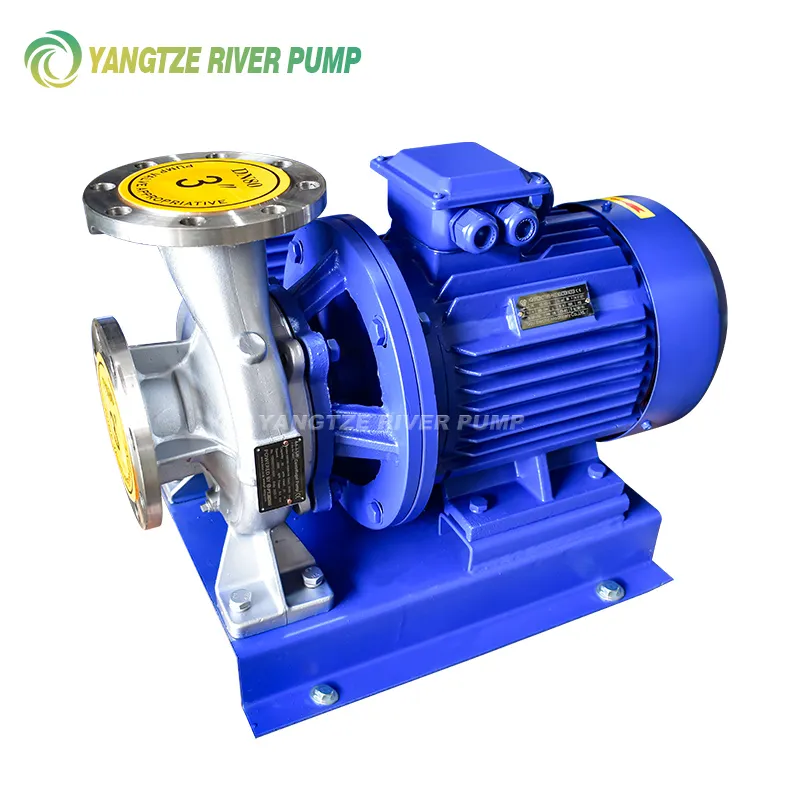 ISW and ISWH Single Stage Horizontal Pipeline Centrifugal Pumps
-
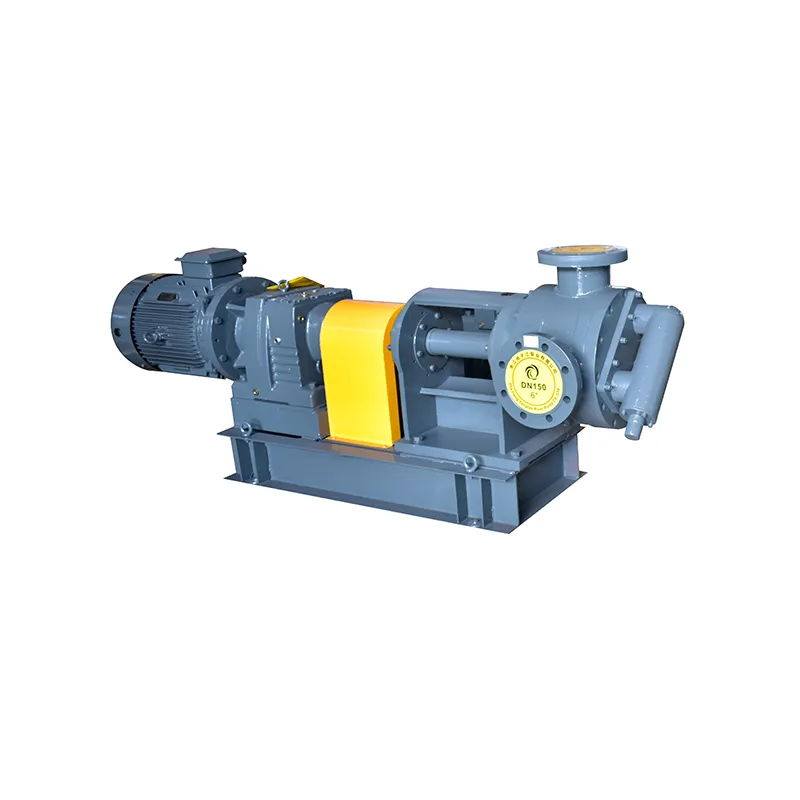 NYP High Viscosity Internal Gear Pumps