







centrifugal pump for oil
When they say “centrifugal pump for oil?”, many people immediately imagine a standard water pump, only stronger. This is the main mistake that you constantly encounter. Oil is not water. Its viscosity changes with temperature, and its lubricating properties create completely different conditions for the impeller and seals. If you take an ordinary centrifugal designed for water and run it on mineral oil at +40°C, it may work, but the efficiency will drop catastrophically, and if you try to pump cold, thickened oil, the engine will simply stand ahead of the rest. What is needed here iscentrifugal pump for oil, designed from scratch to meet these parameters.
Design Features: What's Inside Matters
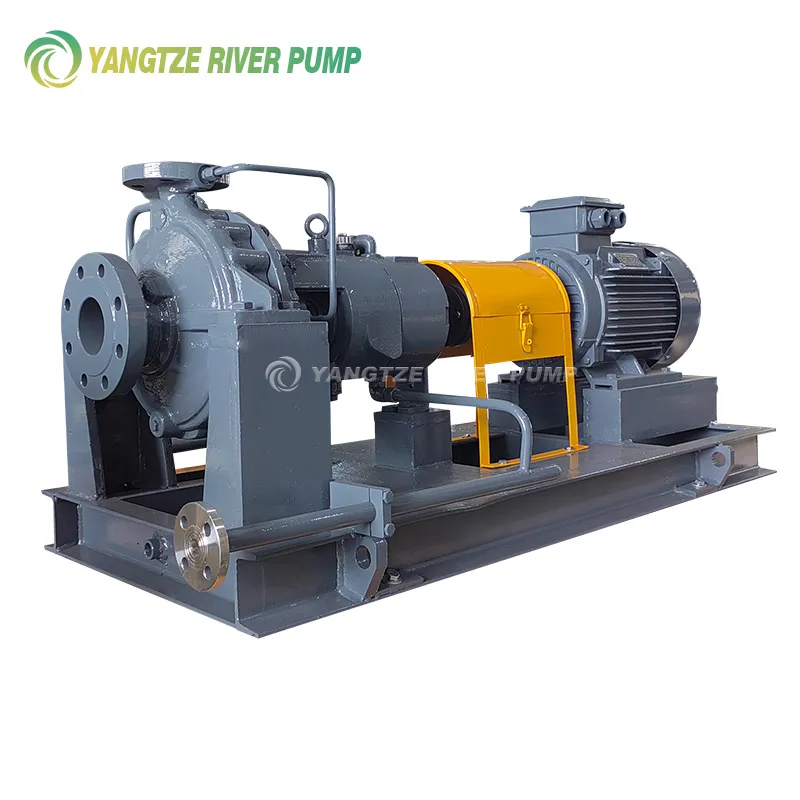
The main difference is in the hydraulic part. The flow channels of the impeller are made wider and shorter to reduce hydraulic resistance. Semi-open type wheels are often used - they are less prone to clogging if there are some suspensions in the oil, which is not uncommon for process oils. Material - here you already look at the type of oil. For industrial oils, cast iron is often enough, but if we are talking about some special synthetic or aggressive liquids, then you can’t do without stainless steel, or even duplex.
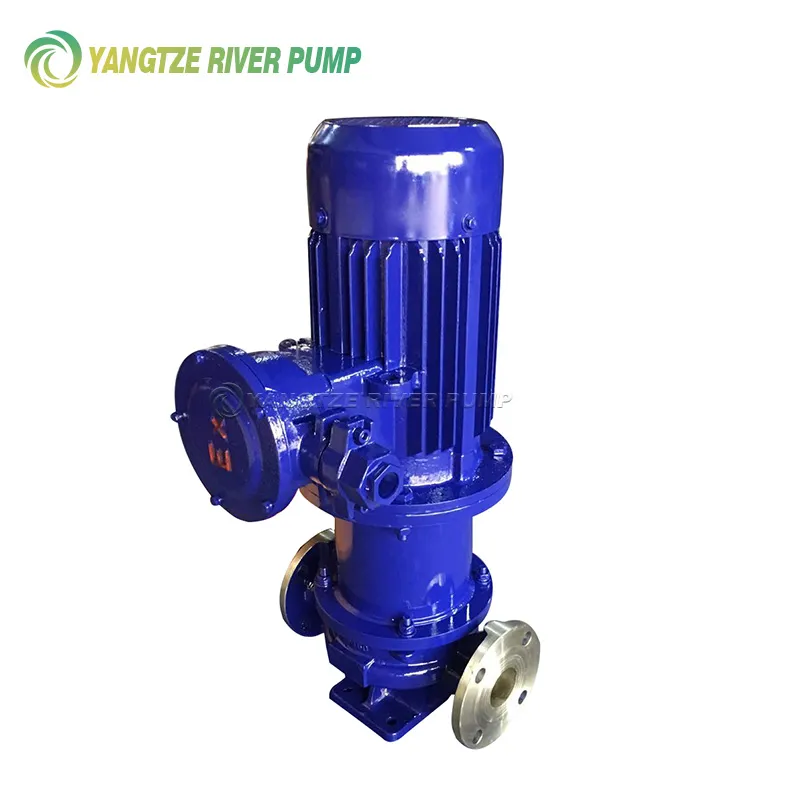
Seals are a different matter. Oil seals with soft packing for hot oils are not the best choice; they wear out quickly and leak. There are either mechanical seals, often double, with a barrier liquid, or, for very safe systems, a magnetic coupling. By the way,Zhejiang Yangzijiang Pumping Industry Co.,LtdThe line includes magnetic pumps (magnetic pumps), which are an ideal option for pumping clean but hot or expensive oils. Leakage is zero, which is critical for production lines with expensive synthetic oil.
The body is also important. It must withstand not only pressure, but also possible thermal expansion. Die-cast housings with reinforced ribs are standard for heavy duty use. From my own experience, I remember an incident at a thermal power plant: they installed a pump for turbine oil, it seemed to fit the parameters, but the housing was too “light”. With frequent starts with cold oil and rapid warm-up, microcracks appeared in the casting. I had to change it to a model with a high-strength body. Now I always pay attention to this.
Selection of parameters: where mistakes are most often made
The most common mistake when selecting is to look only at serve and pressure. It rolls with water. With oil - no. A viscosity characteristic is required. The viscosity rating in cSt at 40°C is the starting point. But the pump must also operate during startup, when the oil in the tank can be +10°C, and its viscosity will be several times higher. Therefore, good manufacturers, like Yangtze River Pump (their website isyangtzeriverpump.ru), give correction factors or even performance curves for different viscosities. If this is not in the catalog, this is a reason to be wary.
The second point is temperature.Centrifugal oil pumpoften works with heated liquids. This affects the choice of material, the type of seals and even the installation method. The pump, designed for +80°C, can have a water-cooled shaft for mechanical sealing. If this is not provided for, the seal will burn out in a couple of months. The mentioned company in its description focuses on the full cycle from R&D to testing - this is exactly what is needed for such nuances. Laboratory tests on hot oil will immediately reveal weak points.
Cavitation. It also happens with oil, although less often than with water. But the consequences may be more serious due to the higher density. NPSH (NPSH) requirements may be stricter. This is especially important for pumps installed on the drain from containers, where level fluctuations are possible.
Operating experience and typical problems
From practice: one of the problems is deaeration of the oil in the pump. If there is air leakage in the system, a conventional centrifugal pump may lose performance, and oil foam is bad for bearing lubrication. Sometimes installing a deaeration funnel at the suction helps, but it is better to initially design the pipeline without conditions for suction.
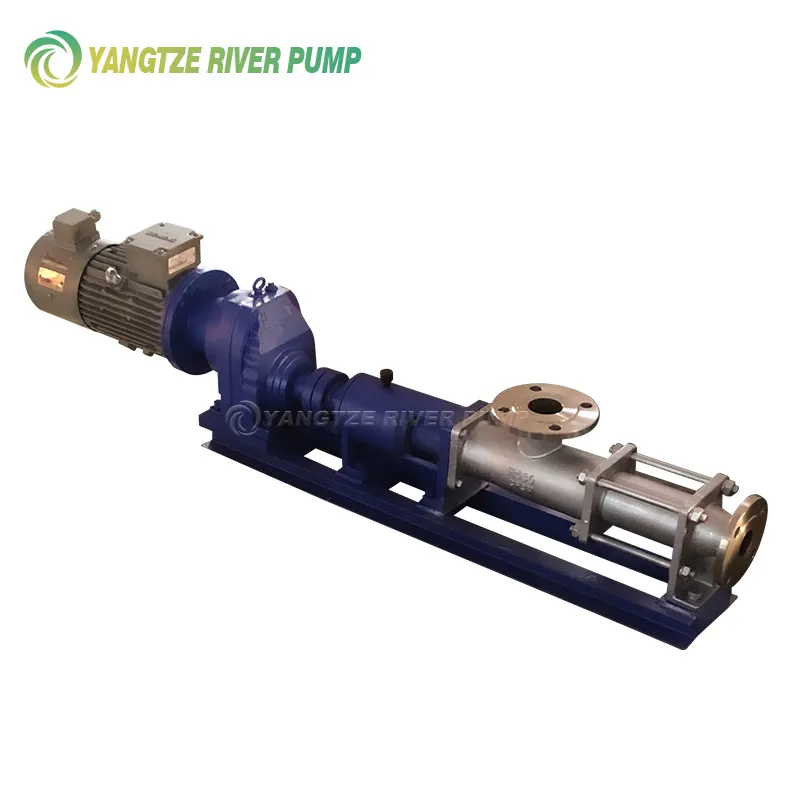
Another story: they installed a pump to pump used motor oil. It seems that both viscosity and contamination were taken into account. But they did not take into account abrasive wear from metal microparticles during mining. The cast iron impeller wore thin within six months. We switched to a pump with a wear-resistant coating of the flow parts - the problem went away. This relates to the question of what ?oil? - the concept is flexible. Each type has its own approach. The Yangtzeriverpump range includes both linear centrifugal pumps and single-screw pumps - the latter cope better with viscous and contaminated media where a conventional centrifugal may not be able to cope.
Service. It would seem that a centrifugal pump is an unpretentious thing. But with oil, service intervals may vary. Particular attention is paid to bearing units. The lubricant in them must be compatible with the pumped oil in case of possible leakage. It is better to use a synthetic-based grease that does not mix with mineral oils.
Case: integration into an existing system
There was a project to modernize the circulating oil supply system in the rolling shop. There were old Soviet units, noisy, with constant leaks. The task is to deliver a modern, reliablecentrifugal oil pumpwith the same hydraulic effect. The main difficulty is limited space and the need to fit into existing flanges.
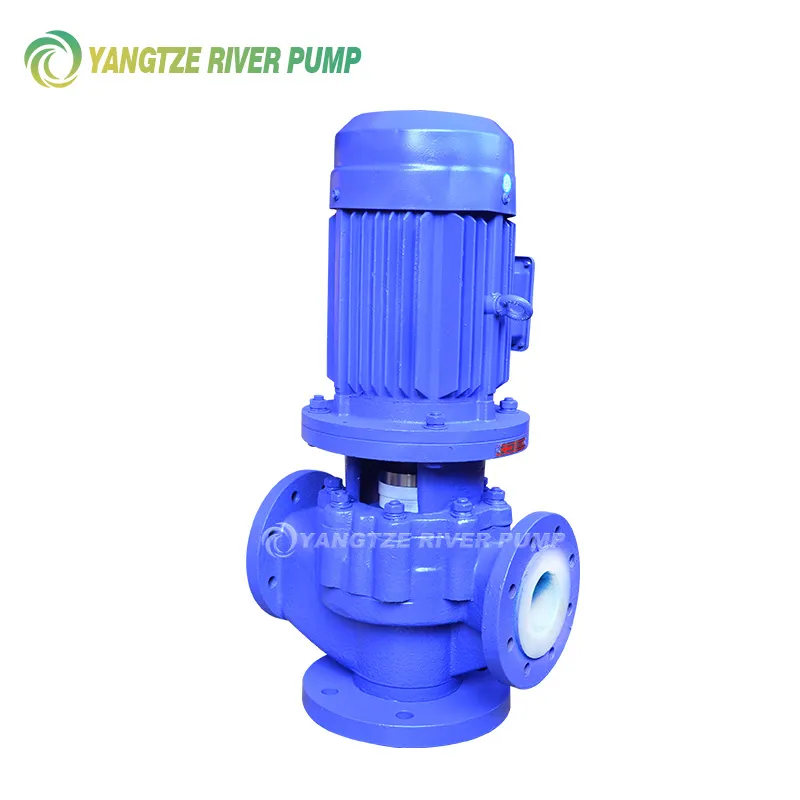
We considered several options. We settled on a compact linear centrifugal pump. It differs in that the engine and pumping part are on the same axis, which saves space. It was important that the manufacturer could provide non-standard design of flanges to our GOST. Zhejiang Yangzijiang Pumping Industry Co.,Ltd., judging by the description of their complete production lines, has such flexible capacity from design to production. As a result, the pump was made to fit our pipes, which saved a lot of time and money on adapters.
After launch, the main observation was pressure stability. The new pump, unlike the old one, did not produce pulsations even with a sharp change in flow rate on the line (when consumers turned on/off). This indicates a well-calculated characteristic and a correctly selected impeller. The noise level has dropped significantly - now you can talk in the engine room without shouting.
Choosing a manufacturer: what to look for besides price
Price is, of course, important. But with oil pumps, cheapness often comes at a cost. I always look at a few things. The first is the presence of real tests. If the manufacturer declares parameters for the oil, he must provide test schedules, and not just recalculation from water. Secondly, materials and their certificates. For critical applications this is a must-have.
Third - service and availability of spare parts. A centrifugal pump is a reliable device, but the impeller or mechanical seal are consumables in difficult conditions. It's good when a manufacturer like Yangtze River Pump integrates production, sales and service. This means that in six months or five years it will be possible to get an original seal or shaft, and not rack your brains looking for an analogue.
And lastly, technical support at the selection stage. A manager who asks clarifying questions about the type of oil, temperature, and the presence of abrasive is already half the success. This suggests that the company is facing real challenges and is not just selling hardware off the shelf. In general,centrifugal pump for oilis a tool that must be precisely selected for its job. And then it will last a long time and without surprises, be it a single-stage model for simple pumping or a multi-stage pump for a high-pressure hydraulic system.
Correspondingproducts
Related Products

Best Sellingproducts
Best Selling Products-
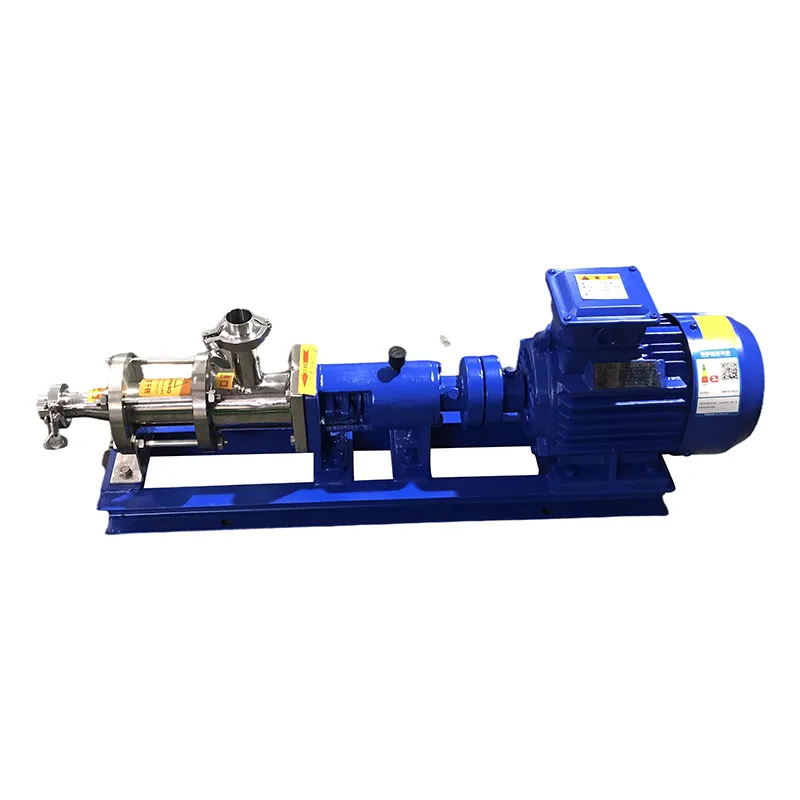 Sanitary screw pumps type GF
-
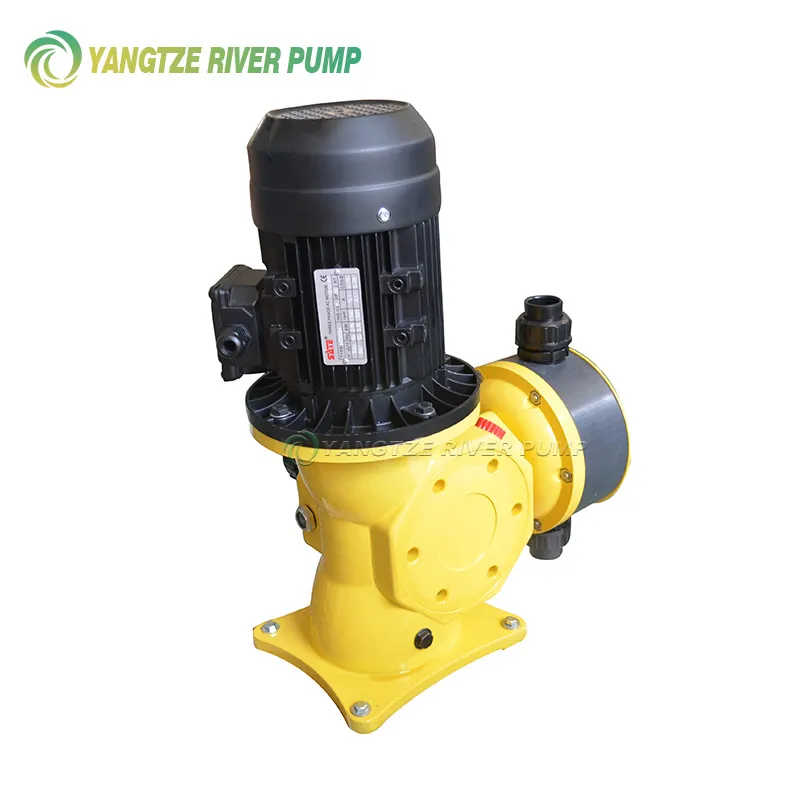 Mechanical diaphragm dosing pumps DJ-D
-
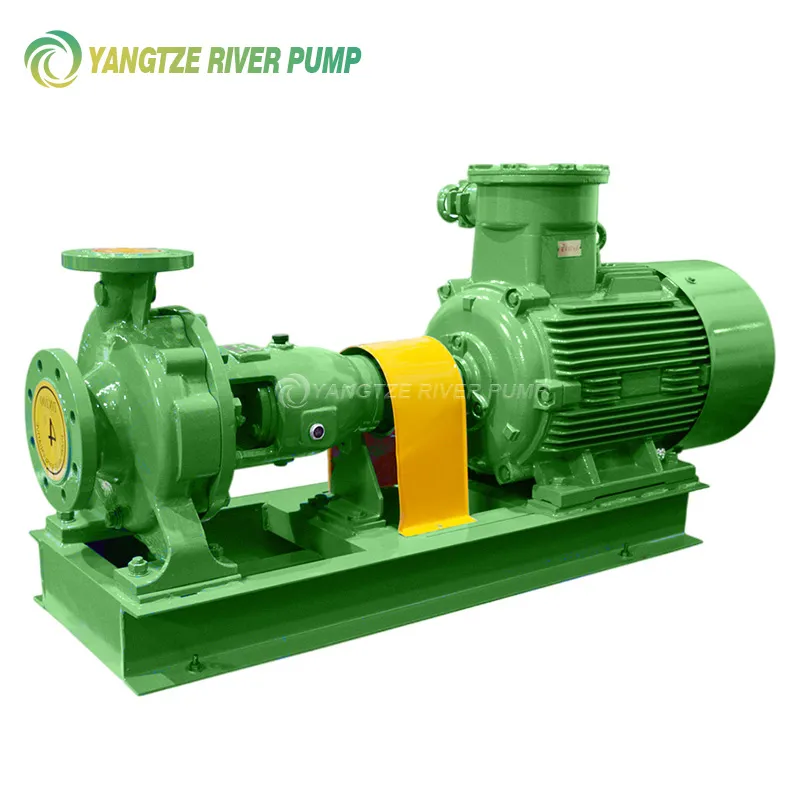 YCZ Chemical Process Pumps
-
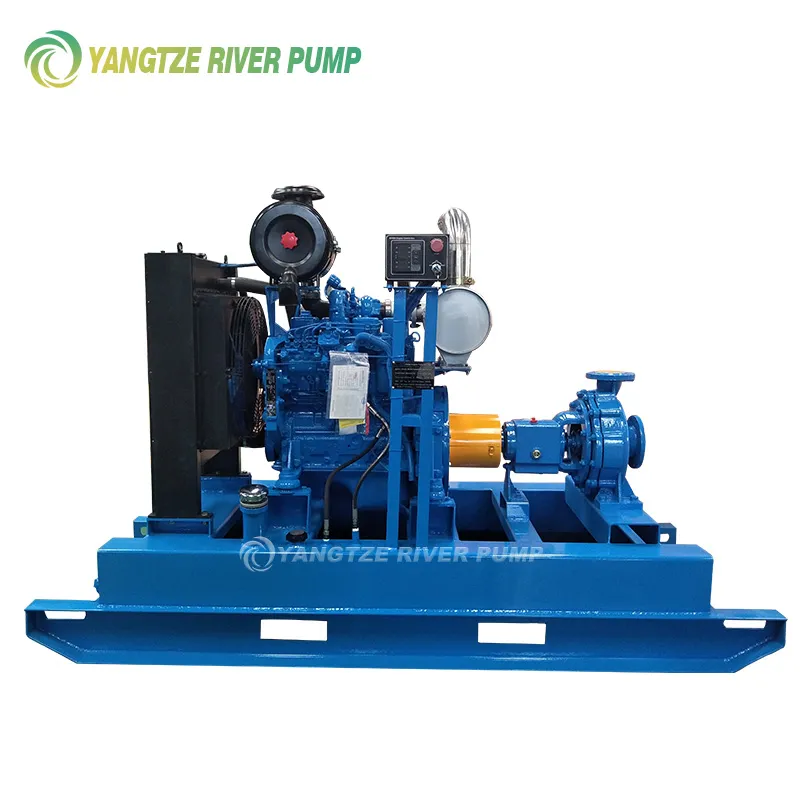 YZIS Diesel Single Stage Centrifugal Pumps
-
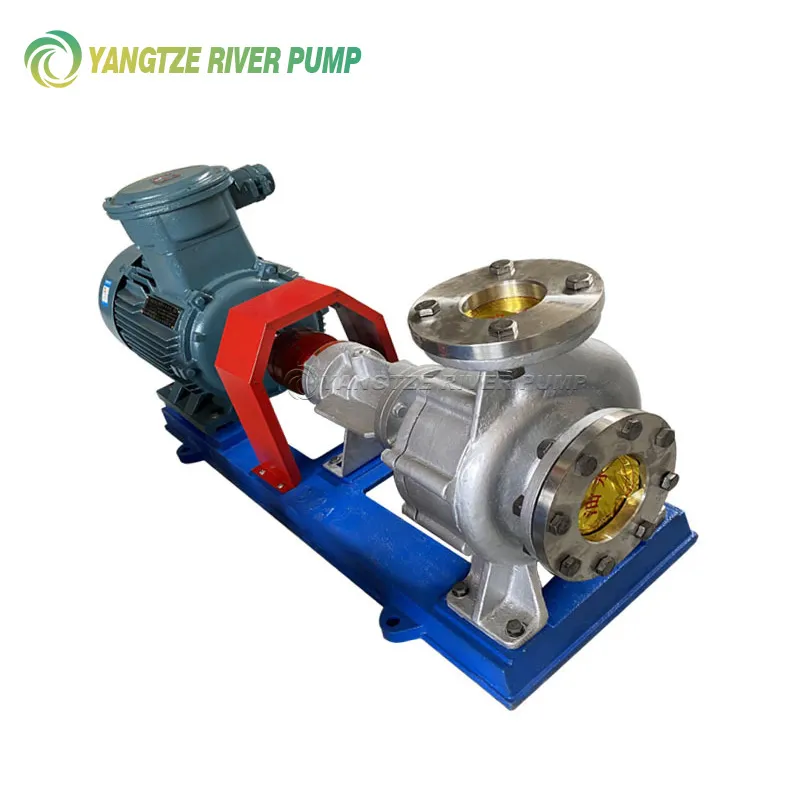 RY thermal oil pumps
-
 Diesel pumps with horizontal connector YZS and YZSH
-
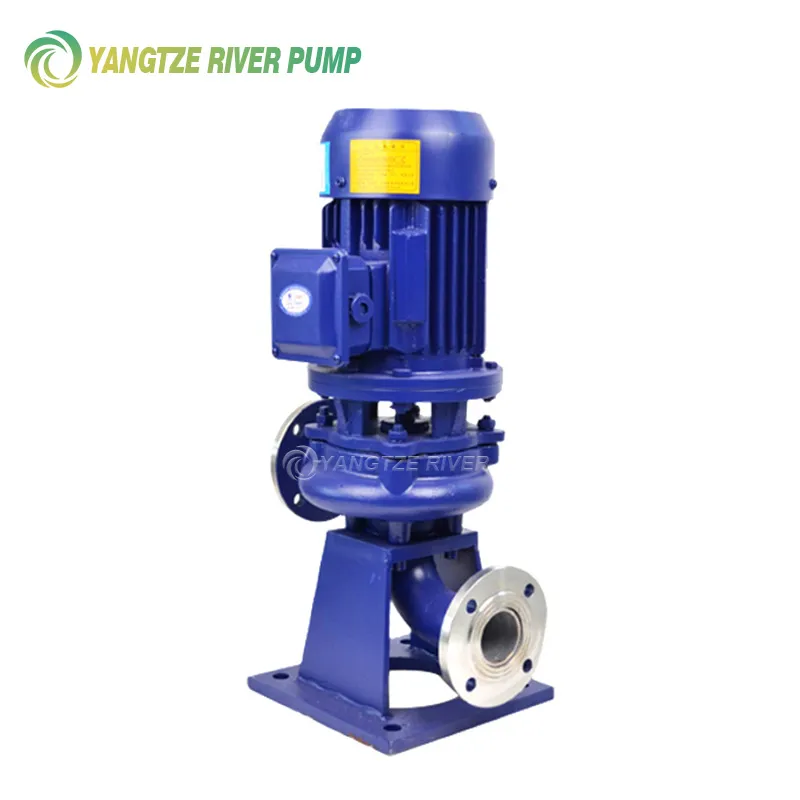 Non-clogging vertical wastewater pumps LW
-
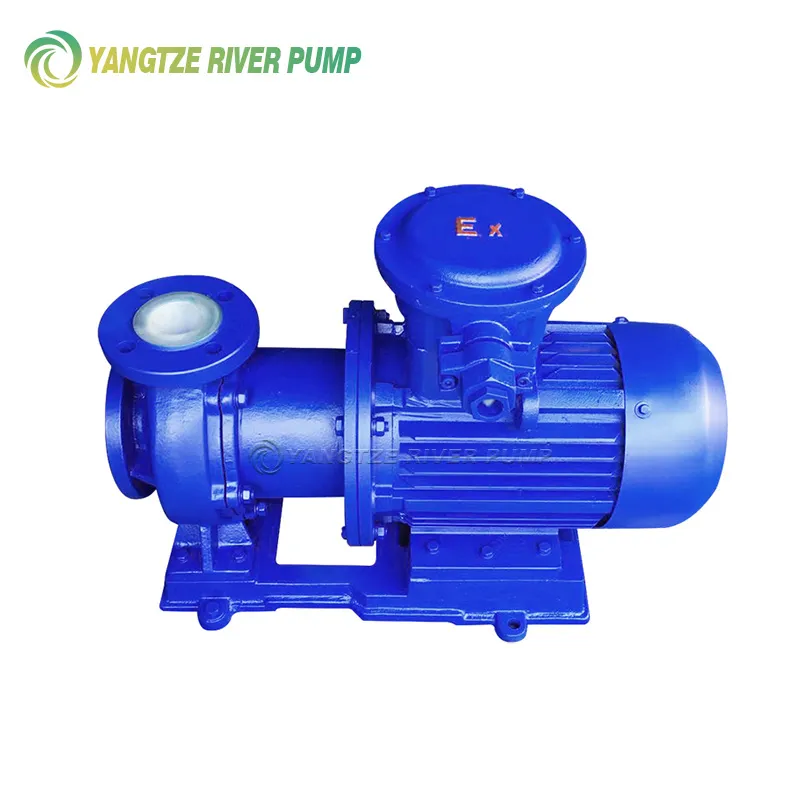 Magnetic pumps with fluoroplastic lining CQB-F
-
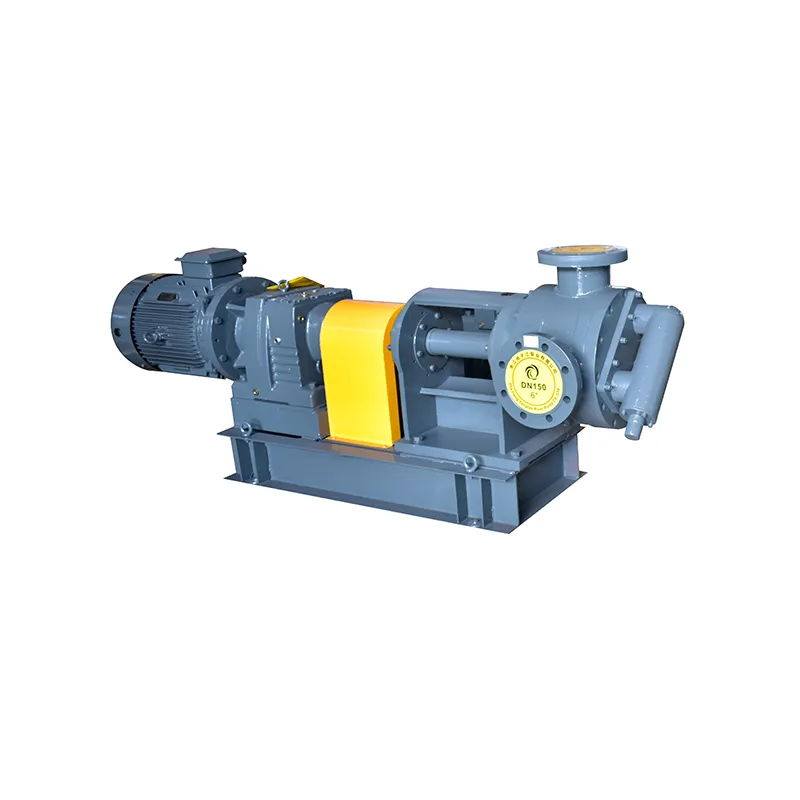 NYP High Viscosity Internal Gear Pumps
-
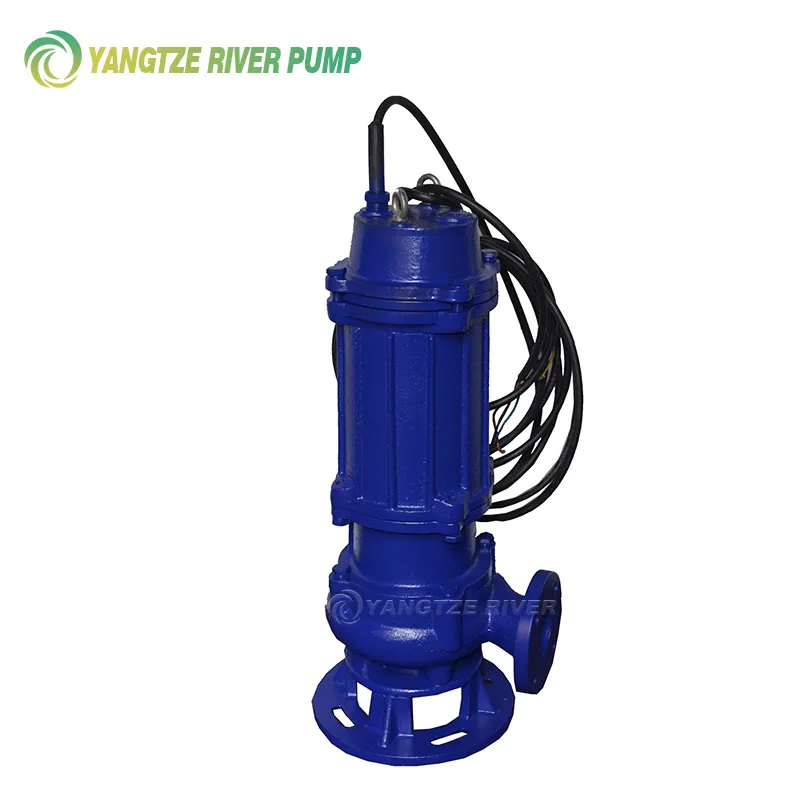 QW Non-clogging Submersible Sewage Pumps
-
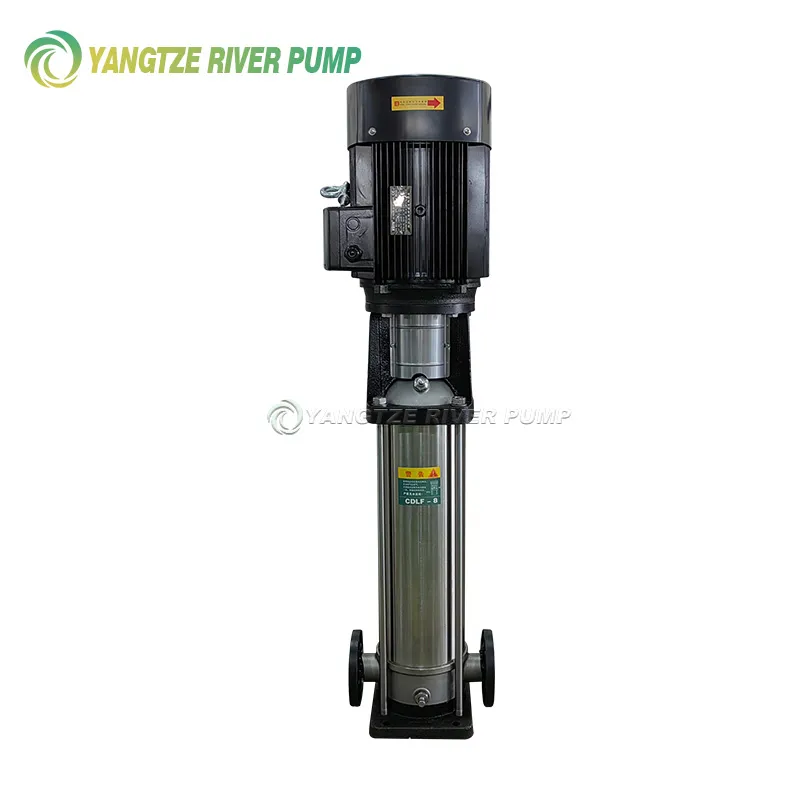 Vertical multistage centrifugal pumps made of stainless steel (light series) CDL and CDLF
-
 Vertical pumps with PTFE lining YQF