







deep well pump large
When you hear “large deep well pump,” the first thing that comes to mind for many is simply “powerful and for a deep well.” But in practice everything is more complicated. This is often understood as either high pressure or high flow, and sometimes both. The mistake is to simply chase the numbers in the catalog, without taking into account how the unit will behave in real soil, with real water - maybe with sand, maybe with an aggressive environment. At Zhejiang Yangzijiang Pump Industry LLC, we have gone through hundreds of configurations through test benches, and I will say this: the key is the balance between characteristics and resource.Deep well pumpat 200 meters - this is not just a pump at 100 meters that has been “strengthened”. There are completely different mechanics of loads, materials, and approach to assembly.
From the catalog to the pit: where the gap lies
Here is a real case. The customer requestedlarge deep well pumpFor water supply to the village there is a 150 meter well, a stable flow rate is needed. They sent us a technical specification with beautiful numbers. We began to clarify: what is the actual flow rate of the well? What about dynamic level? It turned out that the well was new, pumping was only a test. It was advised to first install a smaller pump for a long test pumping in order to understand the real behavior of the aquifer. Ignored. We installed a powerful model - and after three months we got “dry running” and a burnt out engine. The equipment, of course, is repaired, but time and money are lost. Power does not equal expediency.
Therefore, now our sales department at Zhejiang Yangzijiang Pumping Industry Co.,Ltd is asking questions not about money, but about geology and conditions. Even if it means selling a less expensive unit. Reputation is more valuable. On our website https://www.yangtzeriverpump.ru we have put out not just a catalog, but request forms with fields for well data - but, honestly, they are rarely filled out. People still think that a pump is like a light bulb: screw it in and it works.
Another point is the material. For truly great depths and productivity, where work is pushed to the limits of the design, every component is important. Stainless steel brand is not just words. We had experience with the delivery of a batch of stainless steel impellers, where, due to the fault of the supplier, it slipped a little. alloy chemistry. It seems that they passed the quality control department, but during bench tests under long-term load at great depths (simulated 180 meters), microcracks began to appear at the mouth of the blades. The party was completely rejected, although by the standards of less intense regimes it might have passed. Forlarge deep well pumpthere are no small things.
Design features that are not mentioned in advertising
If we talk about our production line, then for tasks with great depth and productivity, we most often look towards multi-stage submersible centrifugal pumps. A single-stage one simply won’t handle the pressure, and auger ones, although good for viscous media, are not optimal for clean water at such a depth - the efficiency sags. Multi-stage design is a compromise. Each stage adds pressure, but also adds potential friction points and the difficulty of balancing the shaft.
Here, for example, is a shaft. With a length of several meters and high speeds, even a micron deflection leads to vibrations that, at a depth of a hundred meters, will quickly break bearings and seals. We switched to shafts made of high-alloy steel with intermediate supports, the distance between which is calculated individually for each model, based on the expected loads. This is not a standard solution; you won’t find it in every catalog.
Or seals. Standard stuffing box packings for high pressures are a thing of the past. We use mechanical seals made of silicon carbide or tungsten, selected for the possible presence of abrasive. But there is also a nuance here: if the water is perfectly clean, it is “softer?” ceramics can last longer. You always need a choice. On our production lines, the assembly of such a pump is not a conveyor belt. This is the area where the technician assembles the block of steps, then the entire assembly goes for dynamic balancing, and only then into the body.
Field tests as the last resort
Any bench tests at the factory are good, but they are sterile. Reality makes adjustments. We had a program where we sent prototypesdeep well pumps largeproductivity for test operation to regular partners - to mining companies for drainage, to agricultural complexes for irrigation. Feedback is priceless.
I remember one such incident. The pump worked almost perfectly in a sand well for six months, and then the current began to increase. Dismantled on site. It turned out that the sand, passing through the impeller, acted as an abrasive, but not uniformly, but selectively - due to the characteristics of the flow inside the housing. This led to a slight imbalance, which put a strain on the engine. Conclusion? For such conditions, it is not just the wear resistance of the material that is needed, but a slightly modified geometry of the flow path in order to minimize the turbulence zones where the abrasive is concentrated. Changes were made to the drawings for the special “sand” one. modifications.
Another aspect is electrical. Long cable, starting under load, possible power surges in the network. For a large motor this is critical. We began to equip our powerful pumps with recommended protection and control units, and not just sell “naked” ones. unit. Sometimes clients resist - it's expensive. But then, when they consider the cost of replacing a burnt-out engine at a depth of 150 meters (lifting, repair, re-installation), the opinion changes. Our task as a manufacturer is not just to sell a product, but to ensure its long life in the field. This is in the interests of both our reputation and the client.
Service that starts before purchase
Many companies, including our Zhejiang Yangtzejiang Pumping Industry LLC, claim a full cycle “from R&D to service”. But what does this actually mean for a client who needs a reliabledeep well pump? For us, this means that the sales engineer must understand the context before offering anything. Sometimes the best solution is not one large pump, but a cascade of two smaller ones. Or use a hybrid circuit with a boost station.
On our website in the section “Submersible pumps” There are standard schemes, but we are always ready to revise them. There was a story about water supply to a remote facility. According to calculations, a very powerful and expensive unit was needed. We looked at the map, at the topography and proposed dividing the system into two independent circuits with two wells and medium-power pumps. Yes, there was an initial investment in drilling a second well, but there was 100% redundancy, less load on each unit, and as a result, a more stable and maintainable system. The client agreed, and the system has been operating for the fifth year.
And after-sales service is not just “call me if it breaks?”. These are periodic requests for work, a reminder of the need to monitor current consumption (the simplest indicator of the health of the pump), a willingness to promptly send not the entire pump, but a specific repair kit - the same mechanical seal or bearing assembly. Our production lines allow us to quickly produce exactly the right part, rather than keeping the entire range in stock. This saves everyone time.
Instead of a conclusion: thinking out loud
So, returning to the request “large deep well pump?”... The main thing I have learned over the years of work is that there is no universally best pump. There is an optimal one for a specific well, specific water and specific tasks. Chasing the maximum numbers in your passport is the path to unnecessary expenses and possible problems.
Technologies do not stand still. We are now experimentally testing monitoring systems with vibration and temperature sensors built directly into the pump, with data output to telemetry. For large facilities, this could become the new standard, allowing you to predict wear and tear rather than putting out fires. But the basis is still the same: reliable mechanics, accurate calculation, honest selection.
And this, perhaps, is the philosophy of our work at Zhejiang Yangzijiang Pumping Industry LLC. Not just make and sell, but integrate your product into the customer’s system so that he forgets about its existence - because it works without failures. And this is the best assessment for anyonelarge deep well pump.
Correspondingproducts
Related Products

Best Sellingproducts
Best Selling Products-
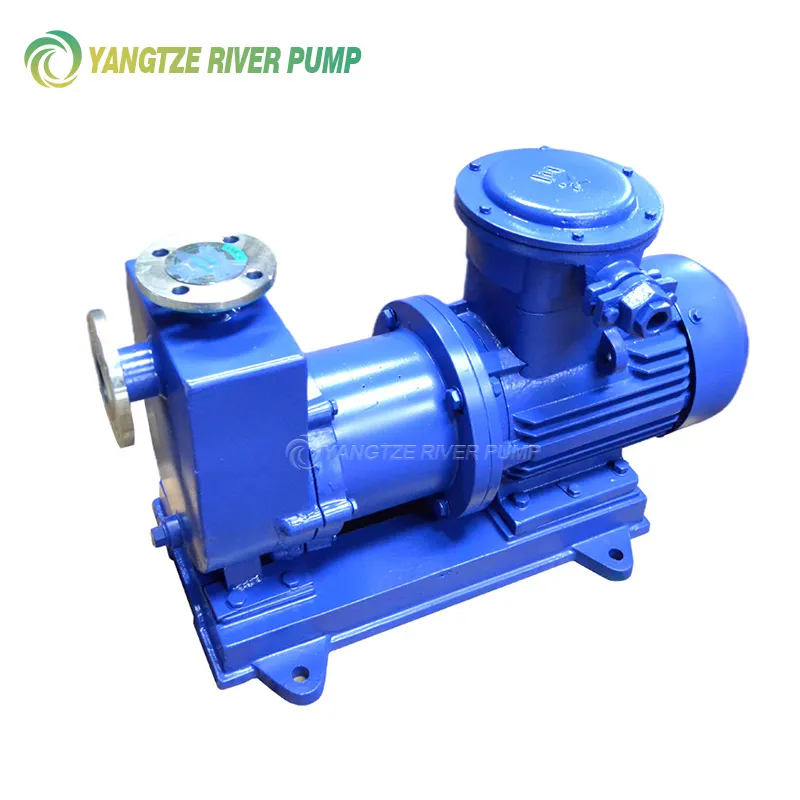 ZCQ Stainless Steel Self-Priming Magnetic Pumps
-
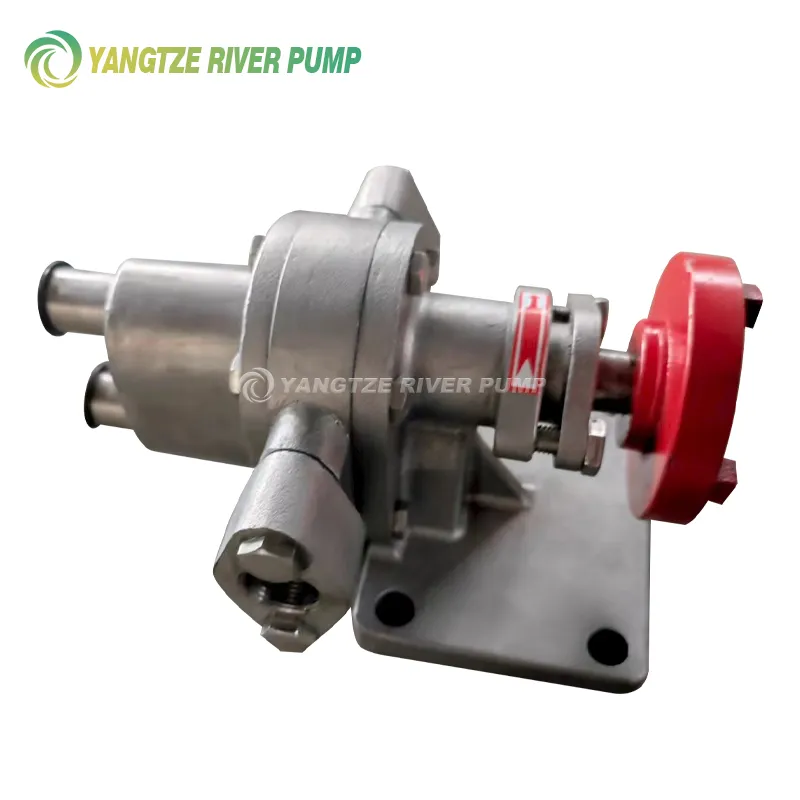 Gear oil pumps type KCB
-
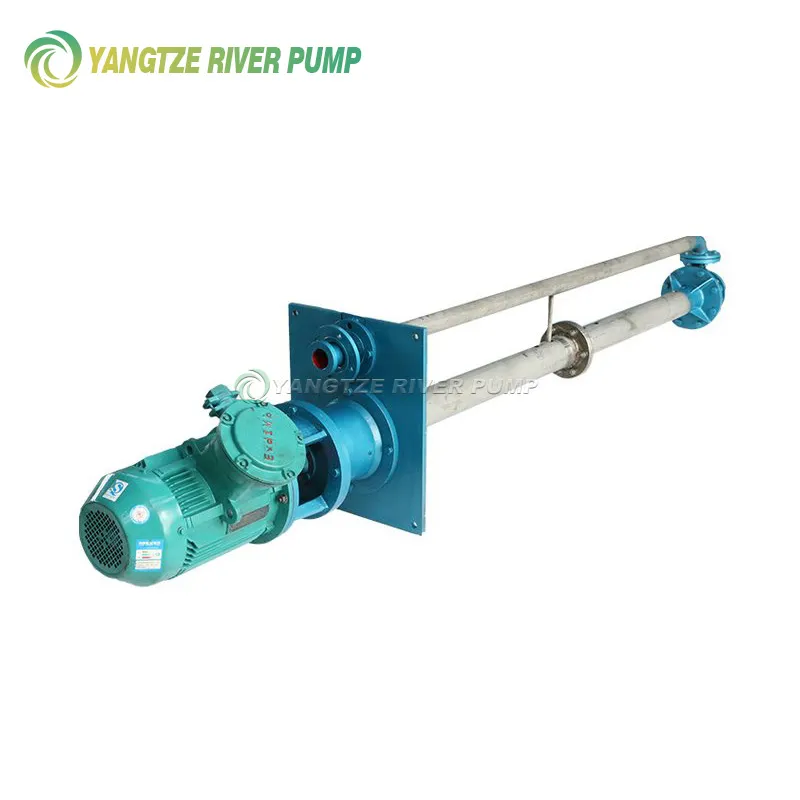 FY Submersible Chemical Pumps
-
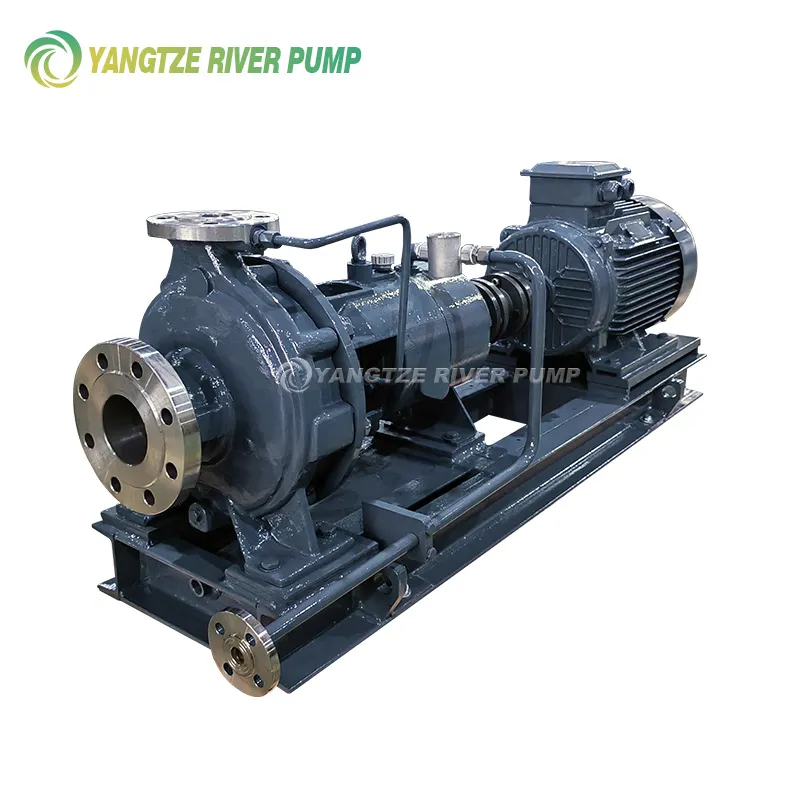 Petrochemical Process Pumps API 610 YZA
-
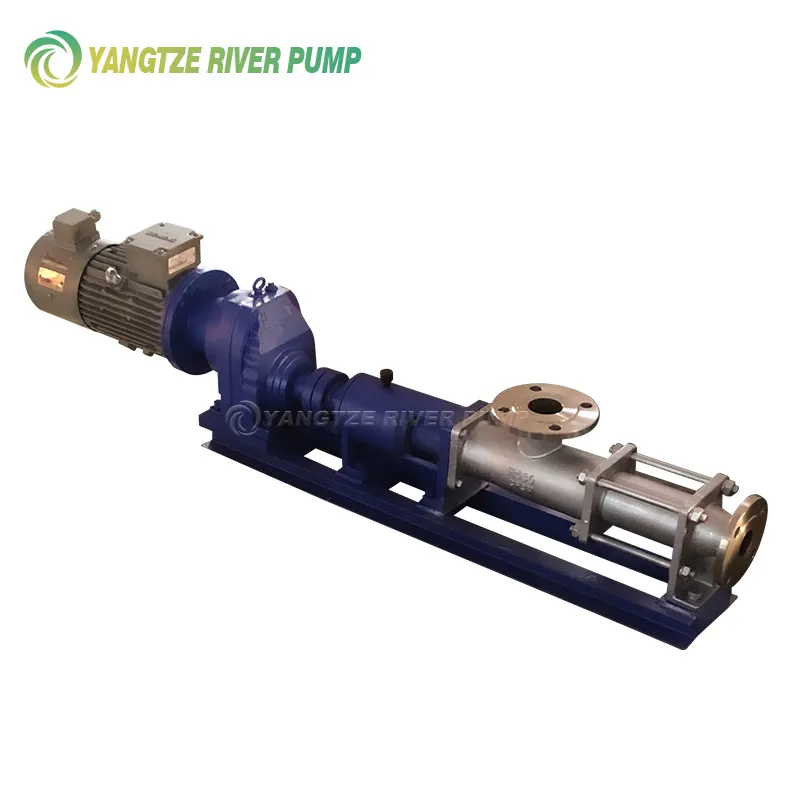 Geared screw pumps type G
-
 YCB Type Circular Gear Pumps
-
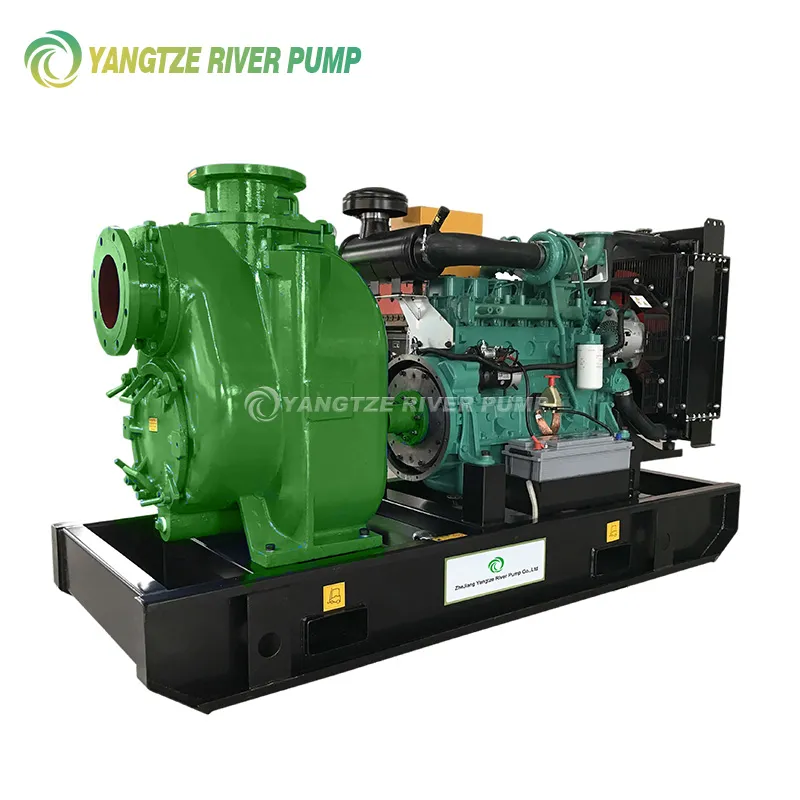 YZSP Diesel Self-Priming Pumps
-
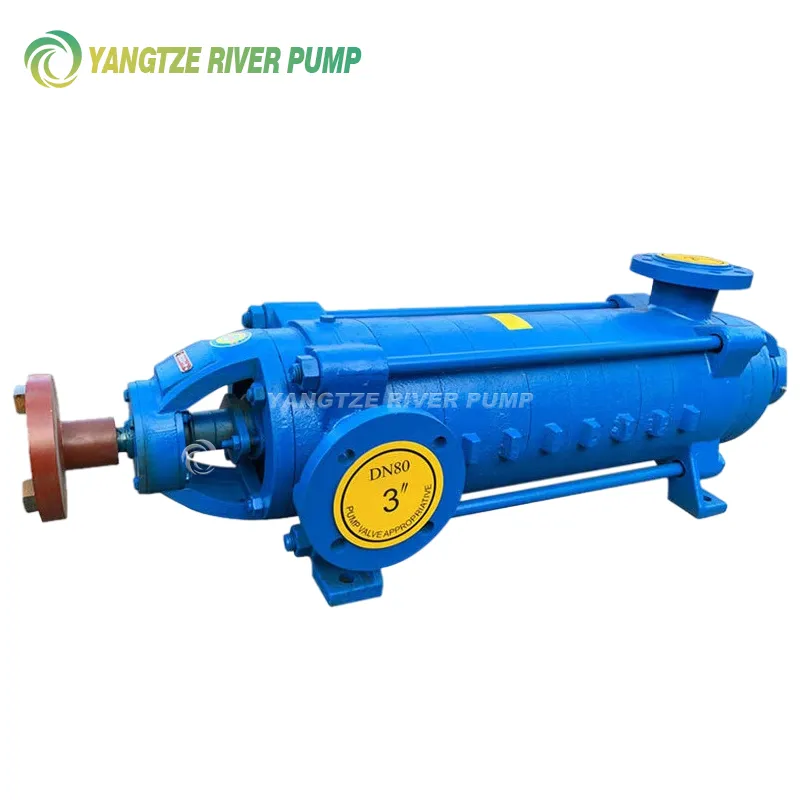 Horizontal multistage pumps for feeding DC boilers
-
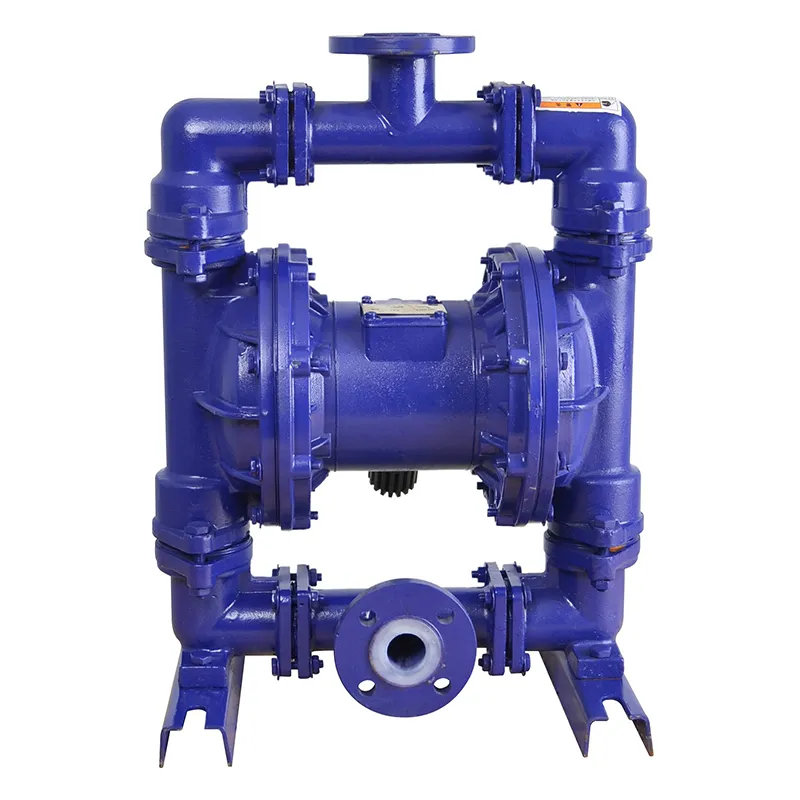 Metal pneumatic diaphragm pumps QBK
-
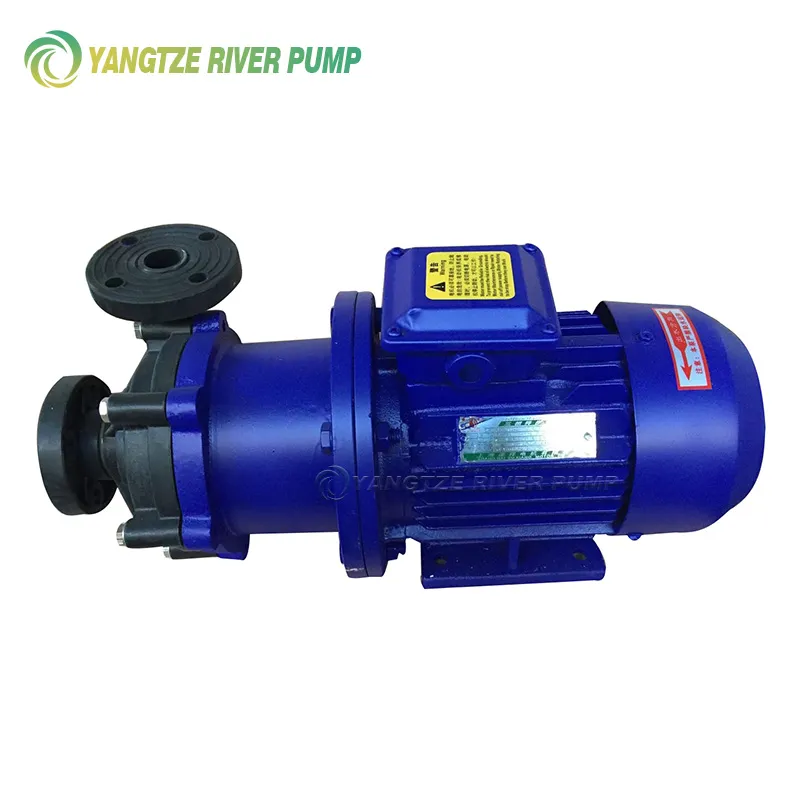 CQF Plastic Magnetic Pumps
-
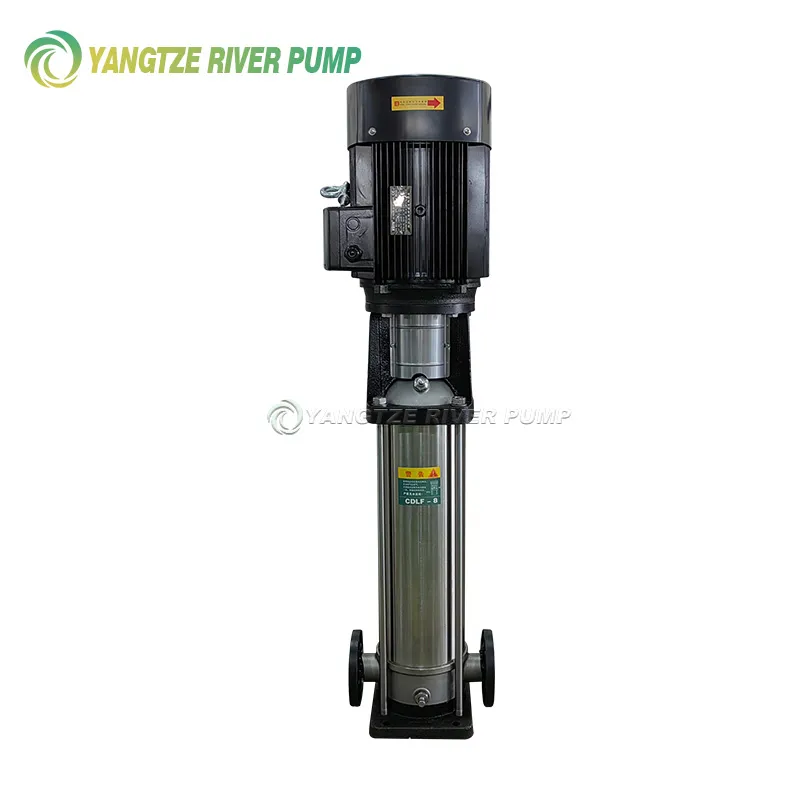 Vertical multistage centrifugal pumps made of stainless steel (light series) CDL and CDLF
-
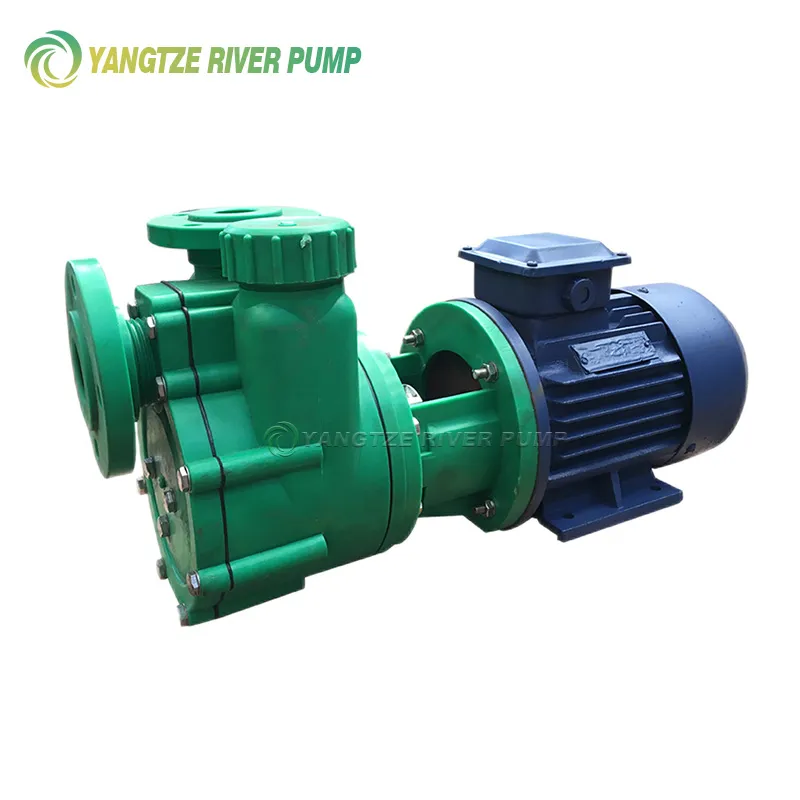 Plastic self-priming centrifugal pumps FP and FS