







powerful deep well pumps
When they talk aboutpowerful deep well pumps, many immediately imagine just a large engine and high pressure. But in reality, power is not just kilowatts. A common mistake is to chase the maximum numbers in the passport, without taking into account the well flow rate and the real dynamic level. It happened that they installed an overly productive unit, and the well was simply drained, then the pump ran dry, overheated - and that was it, repair or replacement. Or, on the contrary, they took it with a margin of pressure, but for a shallow well with a large flow rate this is a waste of money and electricity. Here you need to look at the complex: whether the well is sandy, the diameter of the casing, and the planned water flow. Sometimes it is better to be a little less “powerful”, but with the correct characteristics of the pressure curve.
Not just “powerful”: we break down the parameters step by step
Look here. We take the same products that we at Zhejiang Yangzijiang Pumping Industry Co., Ltd. produce. We have different ones in our linedeep well pumps, including multi-stage centrifugal ones - this is just a classic for deep wells. So, “power?” This comes down to several things. Pressure - yes, it is important, especially if the well is deep, plus you need to raise water to the house, plus take into account horizontal sections and losses in the pipeline. But productivity (cubic meters per hour) is no less important. And they are connected. The pump characteristic is a curve where the performance decreases as the pressure increases. The task is to find the operating point specifically for your well, and not to take a pump that produces maximum at minimum.
Another nuance is the material. For wells with aggressive water or simply with a high salt content, stainless steel is a must have. For example, in oursubmersible pumpsFor such tasks, AISI 304 or 316 stainless steel is often used for key components. This is not marketing, this is practice. I’ve seen pumps made from ordinary steel, which after a couple of seasons in such water became unusable - corrosion ate up the impellers and diffusers. The apparent savings backfired.
And, of course, protection. For powerful models, a system of protection against dry running and overheating is not an option, but a necessity. Especially in Russia, where the water level in a well can vary significantly from season to season. In summer, at the peak of water intake, the dynamic level can drop significantly. Without protection, the engine will burn out in a few minutes. We always check this in our production and testing - we run the pump in different modes, including the boundary ones.
Experience from the field: when theory meets reality
I’ll tell you about one case, not with our equipment, but in general from practice. There was a deep artesian well, about 120 meters. They installed a very expensive and, according to the passport, heavy-duty European pump. Everything was fine for six months, and then interruptions began, the pressure jumped. We took it apart and it turned out that the problem was sand. Despite the filters, the fine fraction still penetrated and acted as an abrasive on the impeller and bearings. Engine power has nothing to do with it - mechanical wear. After that, I always advise looking not only at power, but also at structural resistance to abrasions. Some of our models have the samemultistage centrifugal pumps, there are versions with reinforced wear-resistant impellers - they may be a couple of percent less hydraulically efficient, but they last many times longer in difficult conditions.
Another point is inrush currents. A powerful deep-well pump is a serious load on the network. In rural areas, where voltage can “sag”, this is critical. The pump may simply not start or the protection may trip. Here you need to either install a stabilizer, or consider pumps with soft start, if such an option exists. We provide for this in some of our lines because we know the problem firsthand.
And about the installation. It would seem that what is so difficult here? Lowered it, connected it. But if the pump is really powerful and heavy, it is important to choose the right safety rope and cable. The cable must not just be wrapped with electrical tape, but secured with clamps at a certain distance to the pressure pipe so that it does not break from its own weight and tension. I saw how, because of a little thing like an incorrect cable tie, people then lifted the entire column - labor costs and time.
Production and control: what lies behind reliability
At our enterprise Zhejiang Yangzijiang Pumping Industry LLC, as indicated on our website https://www.yangtzeriverpump.ru, we have a full cycle - from R&D to testing. This is not a nice word. When you dopowerful deep well pumps, which will work 24/7 somewhere at a remote site or in a private home, control at every stage is everything.
For example, the testing phase. Each pump is tested on a test bench before being packaged. They take real characteristics, check for leaks, noise and vibration levels, and heating. This allows you to catch possible defects before shipment to the client. Moreover, for powerful models, selective long-term reliability tests are often performed - the so-called resource tests. This gives an understanding of how the pump will behave after several thousand hours of operation.
Own production also means flexibility. Not all wells and conditions are typical. Sometimes a non-standard cable length, a special connection, or pressure modification is needed. When everything is in one hand - from the design department to the workshop - it is easier and faster to resolve such an issue than if you were simply a reseller of ready-made brands.
That is why our assortment, among other things, includessubmersible pumpsdifferent series - for clean water, for water with impurities, with different materials of the flow part. So that you can choose as close as possible to the customer’s tasks, and not sell him something average.
Selection and operation: a summary for the practitioner
So, to summarize. Choosingpowerful deep well pump, look first of all at the well passport (flow rate, static/dynamic level, diameter). Select the model so that its operating point is in the middle part of the characteristic curve - this is the optimal mode in terms of efficiency and service life. Do not skimp on material and protection systems.
When installing, pay attention to the little things: cable fastening, quality of connections, reliability of the cable. Be sure to install a good check valve and, if necessary, a hydraulic accumulator with a correctly configured pressure switch - this will protect the pump from frequent on-off switching.
And most importantly, power is not an end in itself. This is a tool for solving the problem of ensuring a stable water supply with the required parameters. Sometimes a problem is solved not by the most powerful, but by the most suitable unit. As has happened in our practice, for a deep well with a small flow rate we installed not the most productive, but a multi-stage model with high pressure. And it has worked without problems for many years, because it hit the mark.
All of these are, of course, general guidelines. Each well is a little unique, and here you need either a lot of experience or advice from someone who has this experience. We at Yangtzejiang Pumping Industry try to provide such consultations based on the technical capabilities of our products, and not just out of a desire to sell. After all, a satisfied customer whose pump works for years is the best advertisement.
Correspondingproducts
Related Products



Best Sellingproducts
Best Selling Products-
 Complete water supply installations with frequency regulation and constant pressure CDLF
-
 YZZW Diesel self-priming pumps
-
 YZSP Diesel Self-Priming Pumps
-
 Geared screw pumps type G
-
 YW Vertical Submersible Sewage Pumps
-
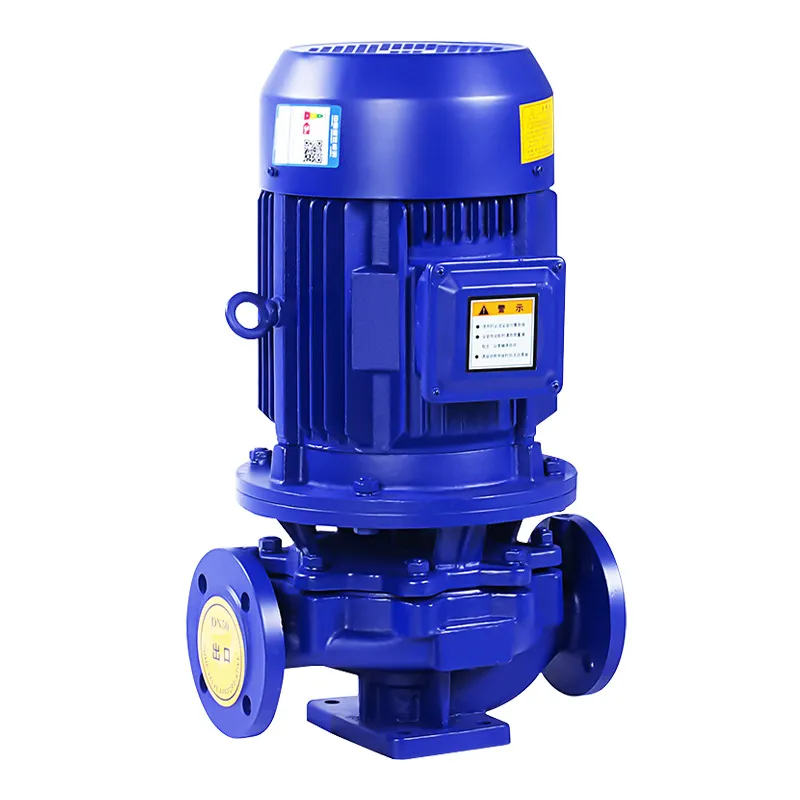 Vertical single-stage pipeline centrifugal pumps ISG and IHG
-
 QJ type borehole pumps
-
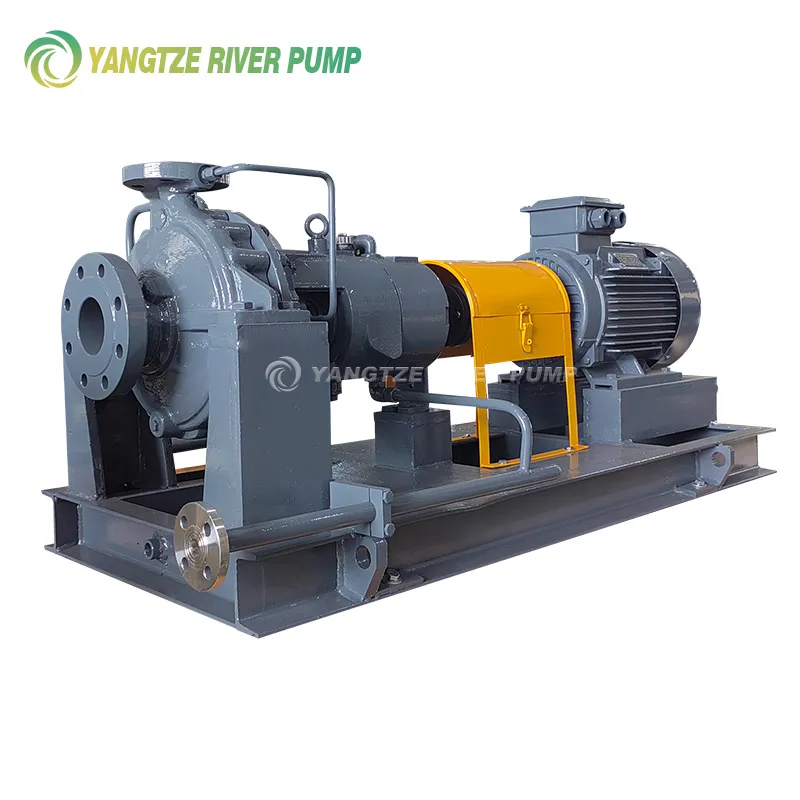 Petrochemical Process Pumps API 610 YZE
-
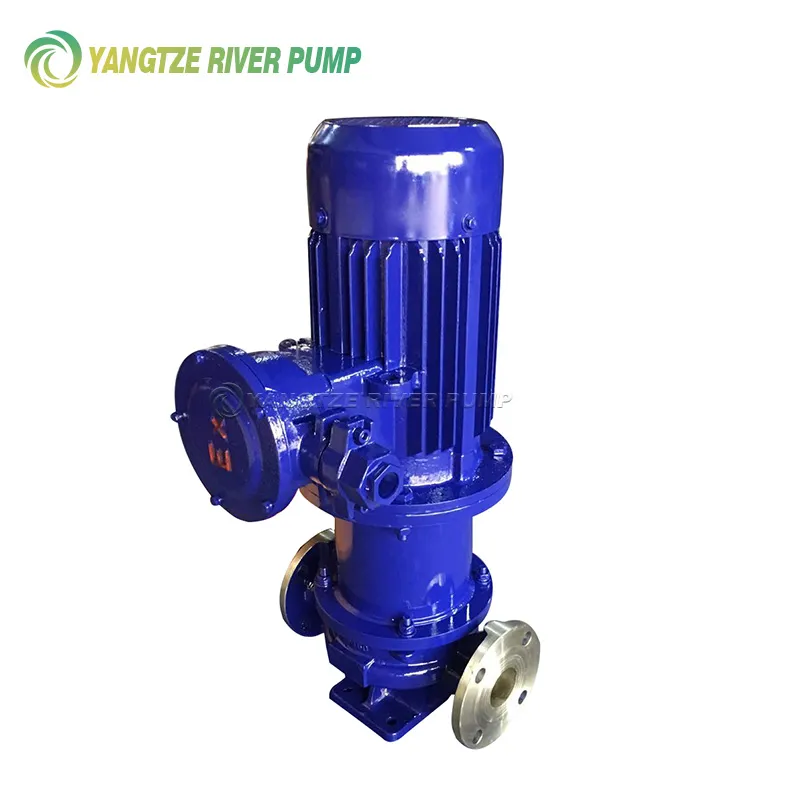 Vertical magnetic pumps CQB-L
-
 Mechanical diaphragm dosing pumps DJ-D
-
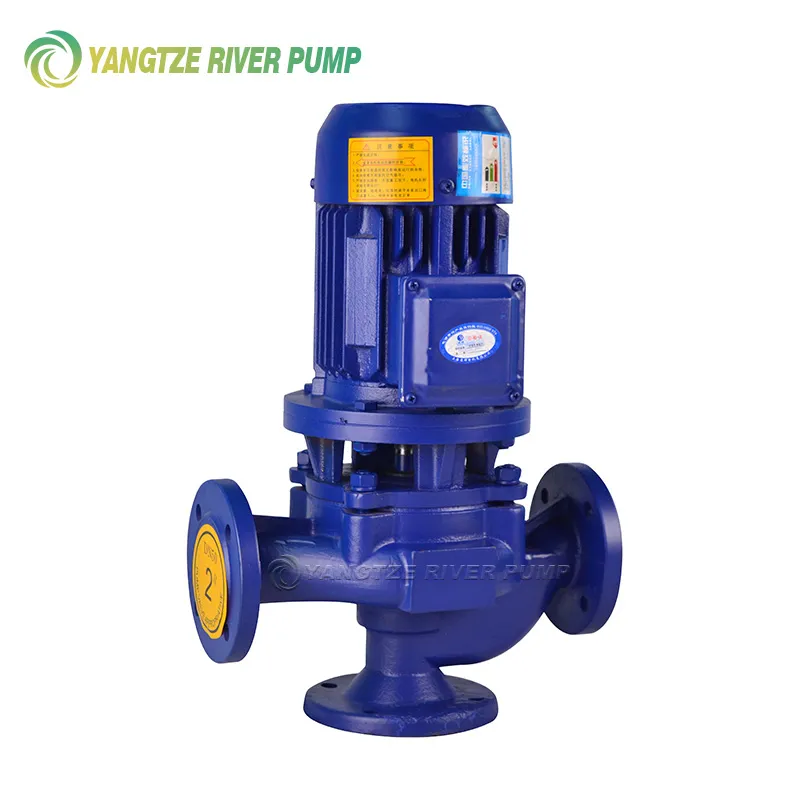 Pipeline wastewater pumps GW
-
 IHF PTFE Chemical Centrifugal Pumps