







Vertical multistage centrifugal pumps made of stainless steel
I’ll tell you right away - when you hear “vertical multi-stage centrifugal pump made of stainless steel?”, many people imagine just a vertical pipe with a set of impellers. And therein lies the main mistake. In reality, it is a complex balancing act between pressure, cavitation, axial loads and, often overlooked, the actual installation conditions. We at Zhejiang Yangzijiang Pumping Industry Co., Ltd. have been through this, more than once.
Why stainless steel - and not just any will do?
They take stainless steel, of course, for aggressive environments. But here’s a nuance: for pumping, say, slightly acidic solutions or seawater with impurities, the AISI 304 may begin to “mope” over time. in welds. We have switched to AISI 316L for most jobs, especially when the client cannot accurately characterize the environment. Yes, more expensive, but less headaches later.
There was a case at a chemical plant near Kazan - they installed pumps to circulate brine with chlorides. According to the passport, the environment is neutral, but the temperature is under 90°C and there is a microsuspension of solid particles. Six months later, pinpoint corrosion appeared on the 304 steel pipes. We changed it to 316L and the problem went away. Now we always check the temperature conditions and the presence of abrasive, even if this is not in the technical specifications.
And also regarding the material: shaft. It is often made of stainless steel, but for multi-stage verticals with a large number of steps and, accordingly, a long shaft, we sometimes combine steps made of stainless steel and the shaft made of high-strength carbon steel with a corrosion-resistant coating. It's a matter of stiffness and vibration. There is no ideal formula, we calculate it every time.
Design: where are they hidden? problems
The main enemy of a vertical multistage pump is axial load. The more steps, the higher it is. And if it is not compensated correctly (and here are bearings, relief holes in the wheels, and gaps), the service life drops significantly. At our test benches in the workshop, we specially drive pumps at maximum pressures in order to catch vibration. Often the problem is not the imbalance of the wheel, but the fact that the shaft “plays” due to thermal expansion.
Seals. Mechanical mechanical seals are a separate topic. For hot environments we use double ones with a barrier liquid. But here's what's important: with a vertical design, the top seal often operates under poor lubrication conditions if the pump runs “dry.” for a short time. Therefore, in the instructions we write in bold: dry starting is prohibited. But who reads? Sometimes you have to install dry-running sensors in the kit, although this increases the cost.
The body of the steps itself. Are they cast or machined from a forging? For high pressures (above 50 bar outlet) we lean towards forging. Less risk of internal cavities. But even here there is a double-edged sword - price and production time. We always explain this choice to the client and provide fatigue strength graphs. Not everyone agrees, but those who agreed later thank them.
Installation and "field" conditions
Theory is one thing, but arriving at the site and seeing that the foundation slab for the pump is poured with a skew of 3 degrees is common practice. A vertical pump is critical to alignment. We have even started supplying mounting plates with adjusting screws as standard for pumps with a shaft height of 2 meters or more. This added more work for us, but reduced the number of warranty visits.
Another story with piping. The pressure pipe is often the support for the entire line. If the pipeline downstream of the pump is not properly supported or has thermal expansion joints, the entire load falls on the pump housing. We saw cracks in the flange area for this very reason. Now we include the recommended wiring diagram in the design documentation.
Service. It would seem that it’s so difficult? But to get to the lower bearing or seal in a multistage pump, sometimes you need to disassemble half the unit. For our models, we have developed a modular design with intermediate detachable sleeves. This allows you to replace a worn step without removing the entire shaft from the top support. A trifle, but it saves the client a day of downtime.
Experience and failures: you can’t live without it
I'll tell you about one of our early projects. The customer wantedvertical multistage centrifugal pumpfor supplying hot condensate (120°C) to a height of 200 meters. We did everything according to the books, from AISI 304 stainless steel. When tested in the workshop, everything was perfect. Installed on site. A month later - a call: a drop in pressure and noise.
We've arrived. It turned out that in the real cycle there were frequent stops and starts, and the pipeline system after the pump had a “bag” where steam accumulated. At startup, a water hammer occurred, which literally “folded?” impellers on the shaft, increasing the axial clearance. They found a non-standard solution: they installed a check valve not after the pump, but in front of it (in the gap in the suction line), and added a soft start to the system. The design of the pump itself was revised, strengthening the tie rods between the stage bodies. Now, for high-temperature environments with variable conditions, we always provide a safety margin for axial loads 25-30% higher than the calculated one.
Such cases are the best teacher. They are not in reference books. Therefore on our websiteyangtzeriverpump.ruWe don’t just publish a catalog with pumps, but try to publish technical notes on installation and operation. So that the dialogue with the client begins with an understanding of real problems.
Where is this all going? View from the workshop
The current trend is the integration of vibration and temperature sensors directly into the pump body, with output to a standard industrial protocol. Forvertical multistage centrifugal pumpsThis is especially important, since diagnosing the condition of the lower bearings without stopping is the most valuable information. We are already testing such options in our line.
Another point is unification. Demand for reliable, but not "space" The price of units is increasing. Therefore, with eight complete production lines from R&D to service, we work to ensure that for typical tasks (water supply, circulation in heating systems) the client has a fast and predictable option. But without fatal compromises in materials. Our principle: body parts in contact with the environment are made only of stainless steel. You can save on the control circuit or connection method, but not on this.
Bottom line, what is a good stainless steel vertical multistage pump? This is not just a product according to GOST. This is a device that contains the experience of past mistakes, an understanding of the physics of the process and, most importantly, the willingness of the engineer who designed it to come and see how it works in real life. This is what we at Zhejiang Yangzijiang Pumping Industry Co., Ltd. strive for. Make a reliable car, and then sleep peacefully, knowing that everything is going well for the client.
Correspondingproducts
Related Products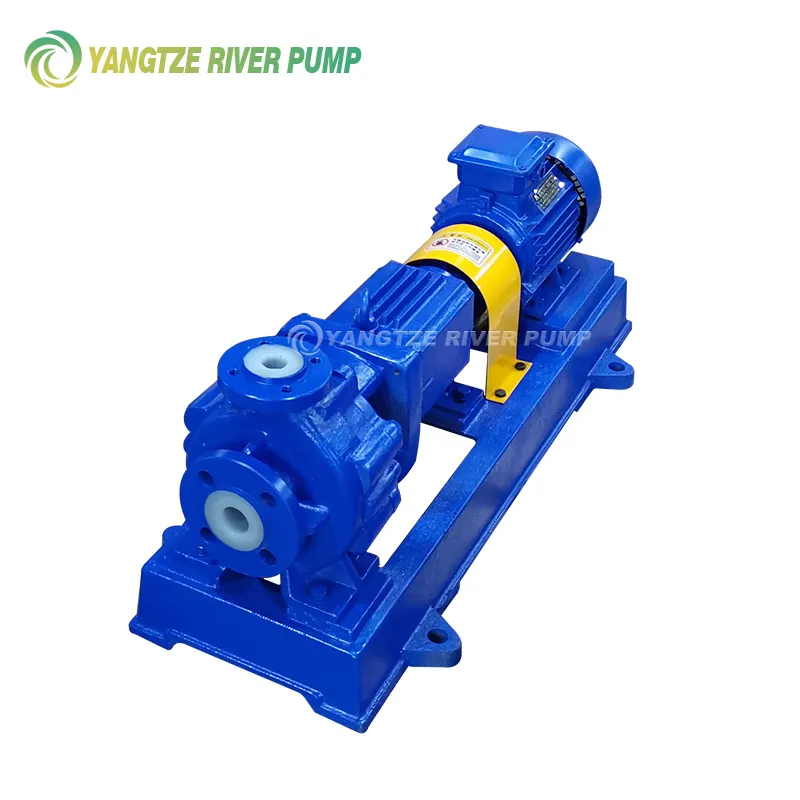
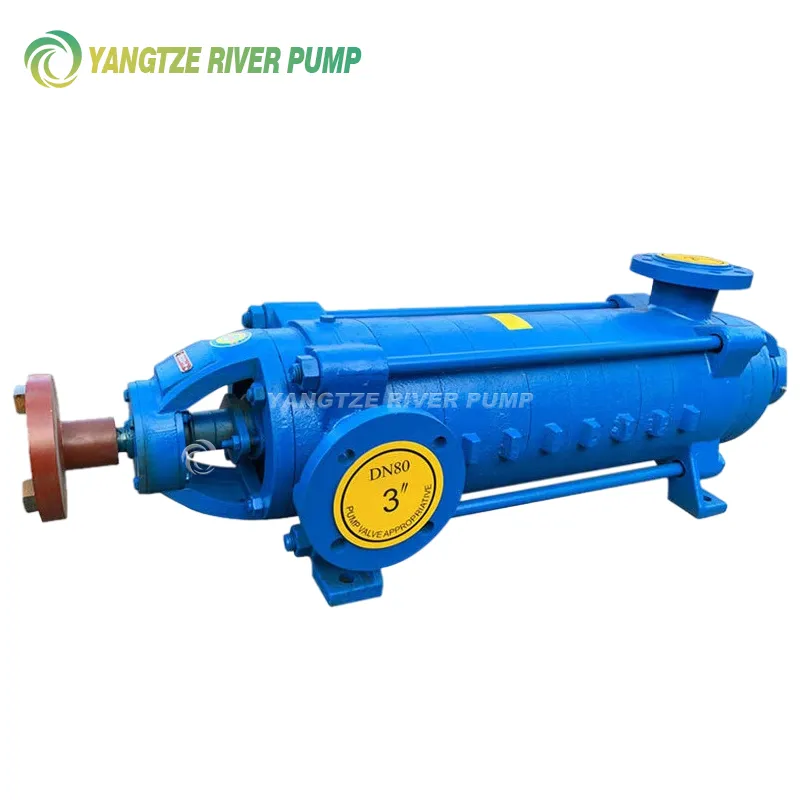
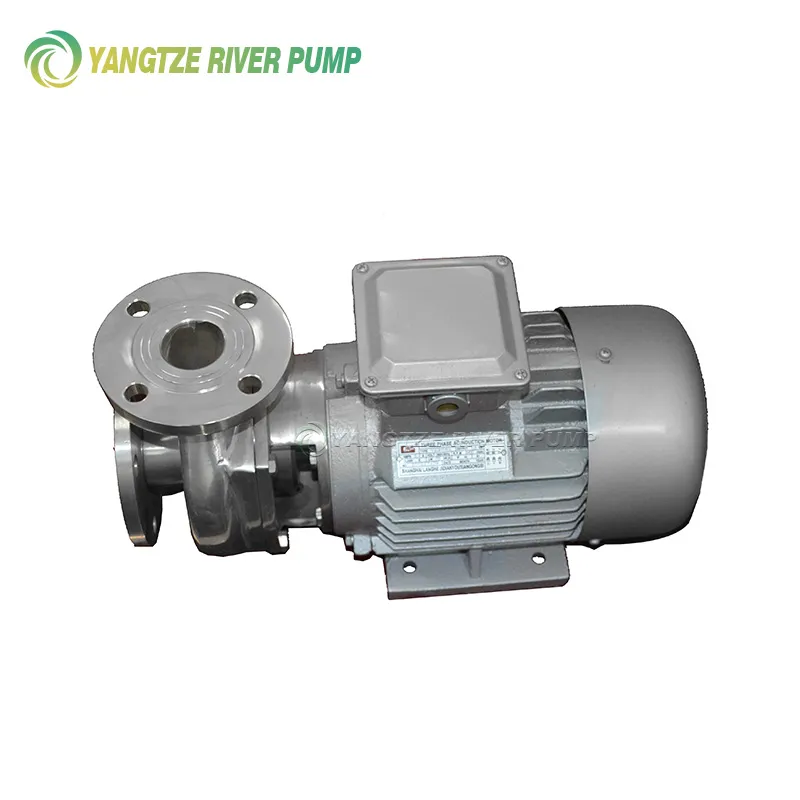
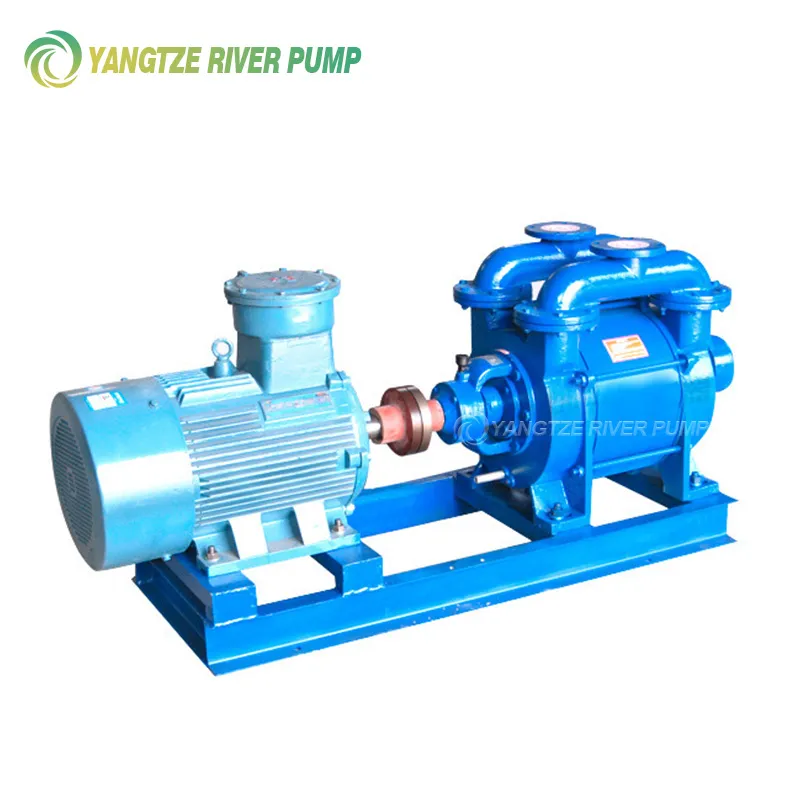
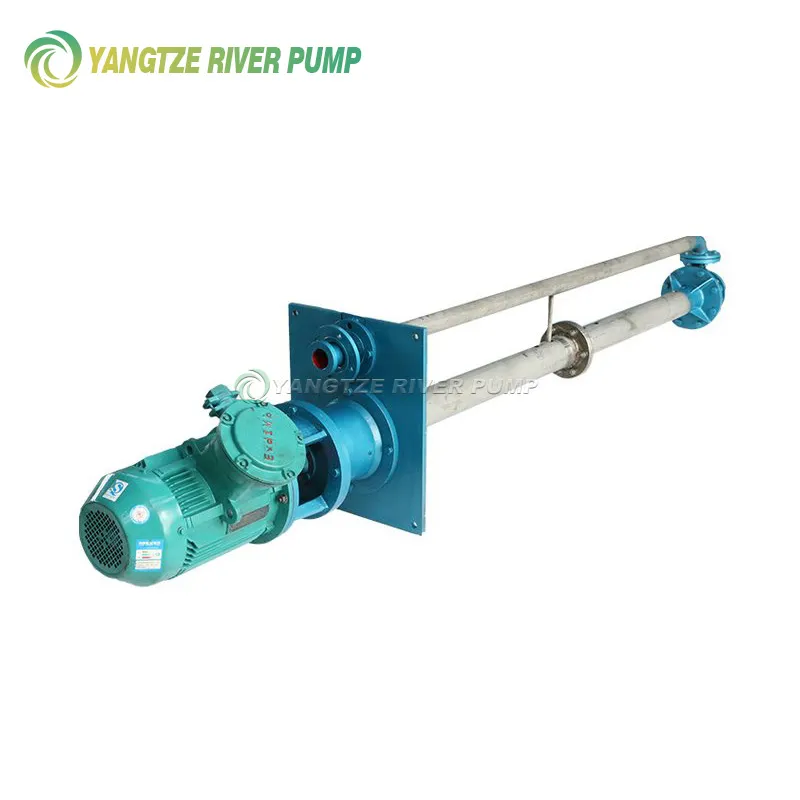

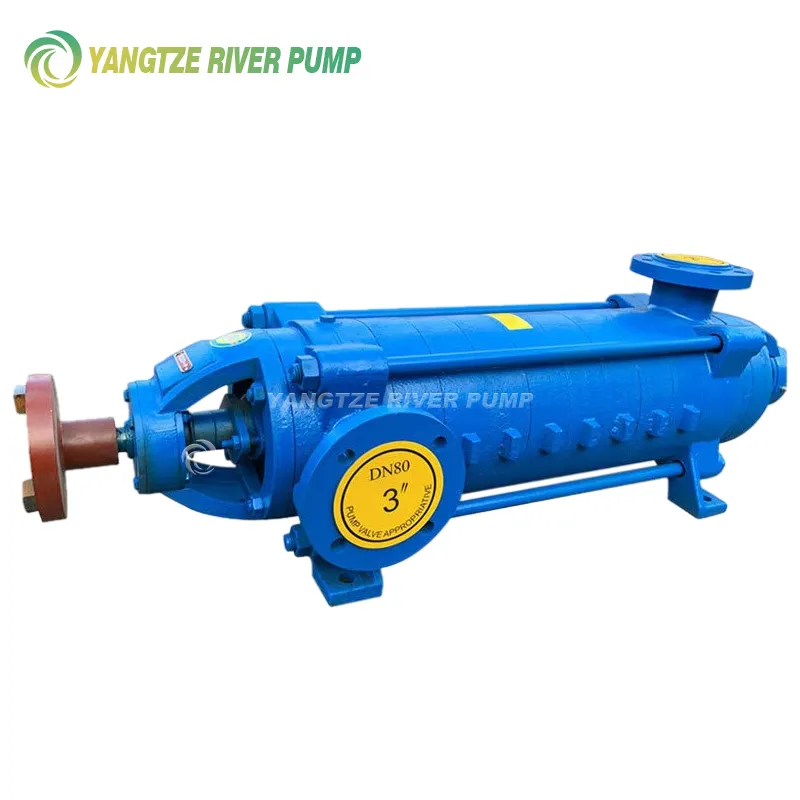

Best Sellingproducts
Best Selling Products-
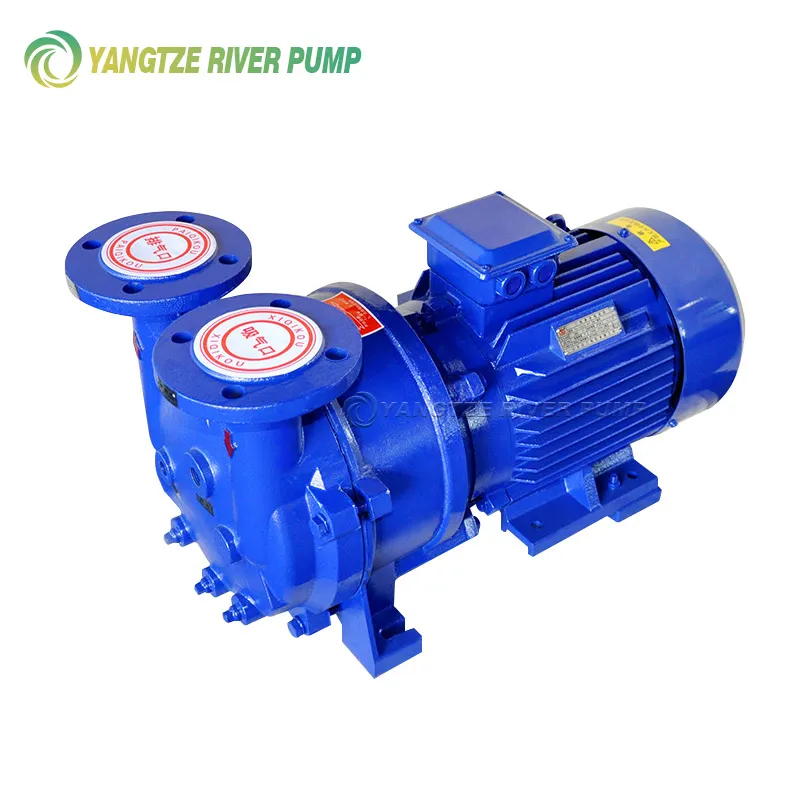 Liquid ring vacuum pumps type SKA and 2BV
-
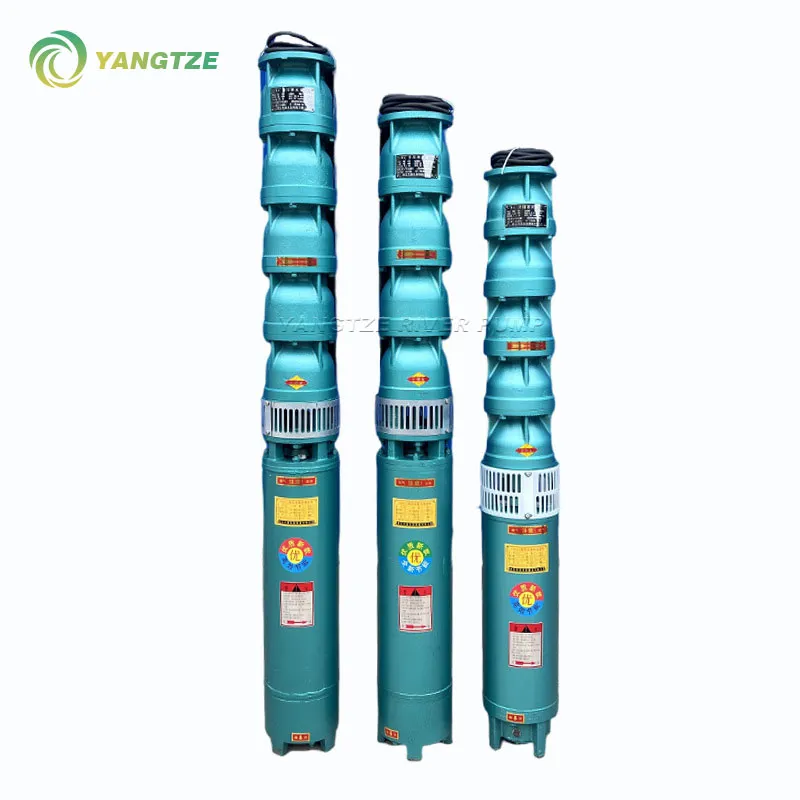 QJ type borehole pumps
-
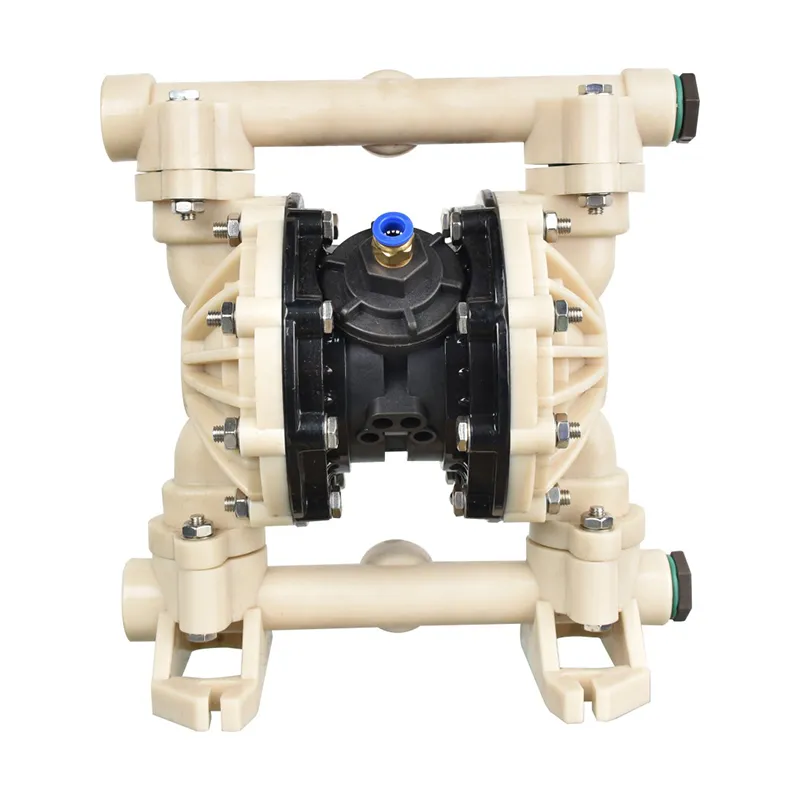 QBK Non-Metallic Air Operated Diaphragm Pumps
-
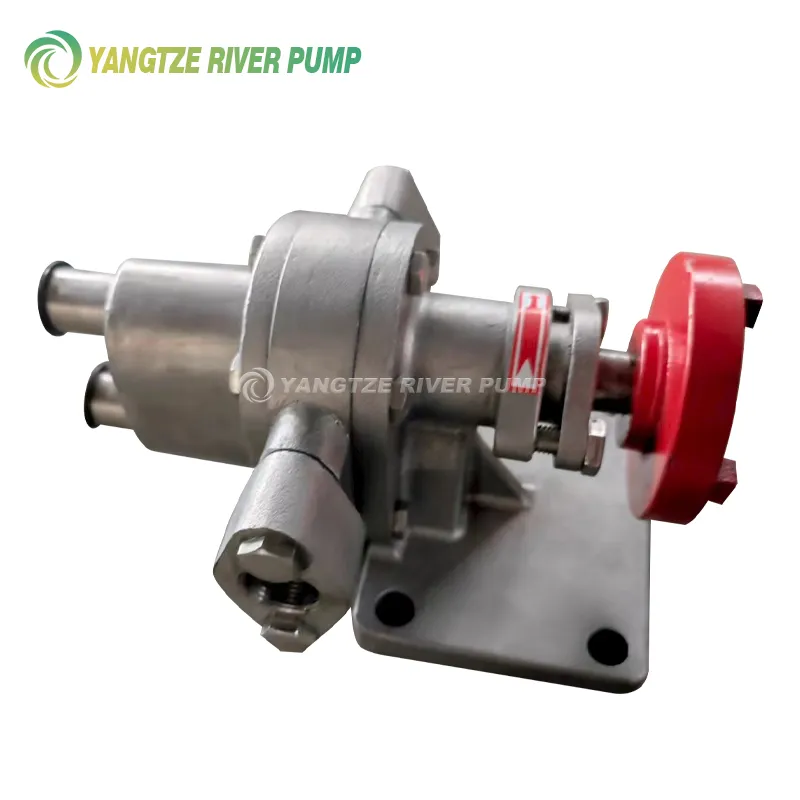 Gear oil pumps type KCB
-
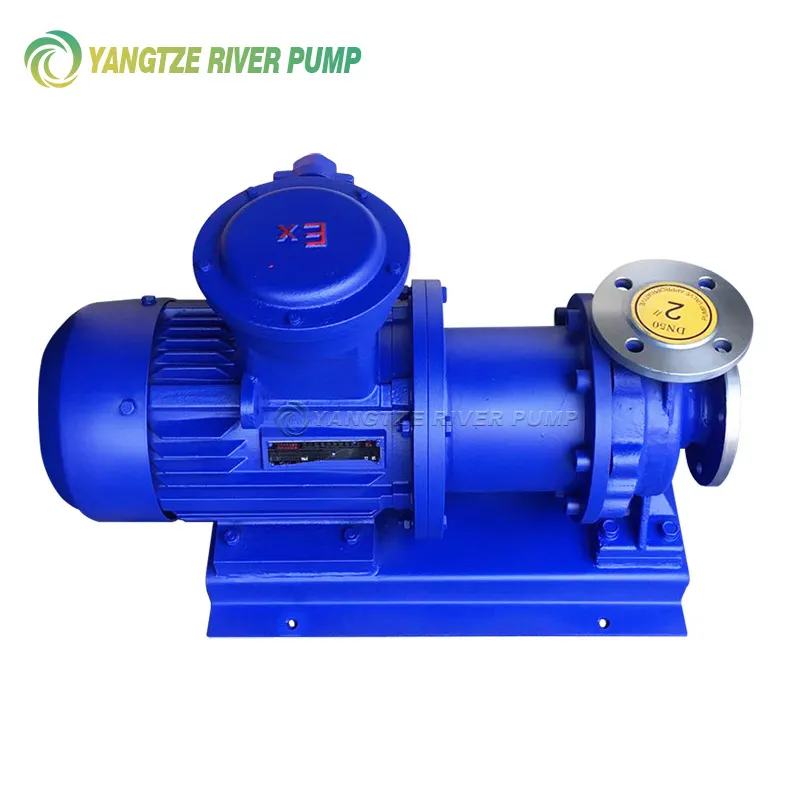 CQB Stainless Steel Magnetic Pumps
-
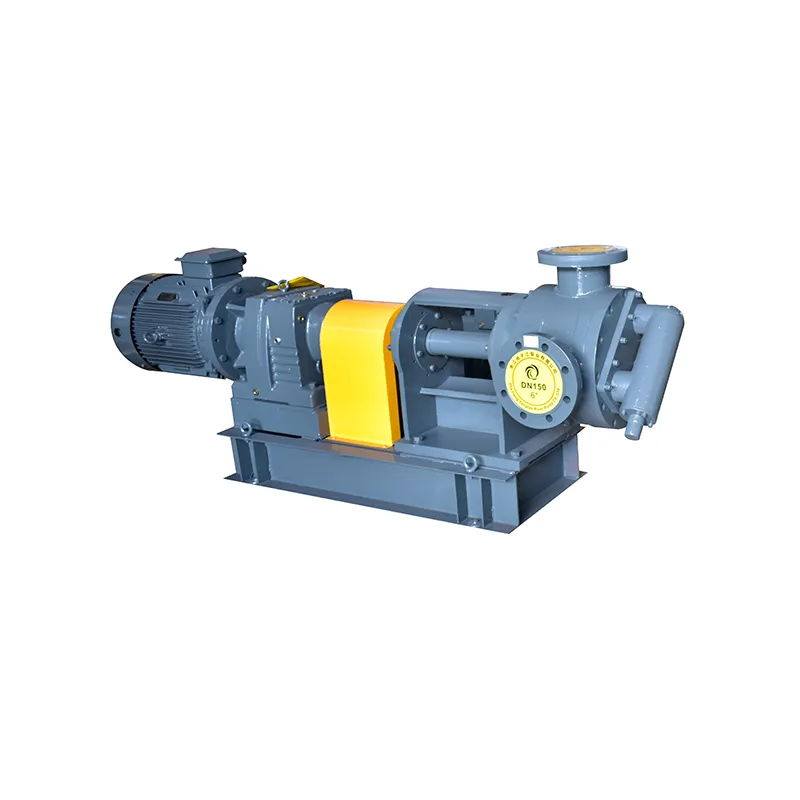 NYP High Viscosity Internal Gear Pumps
-
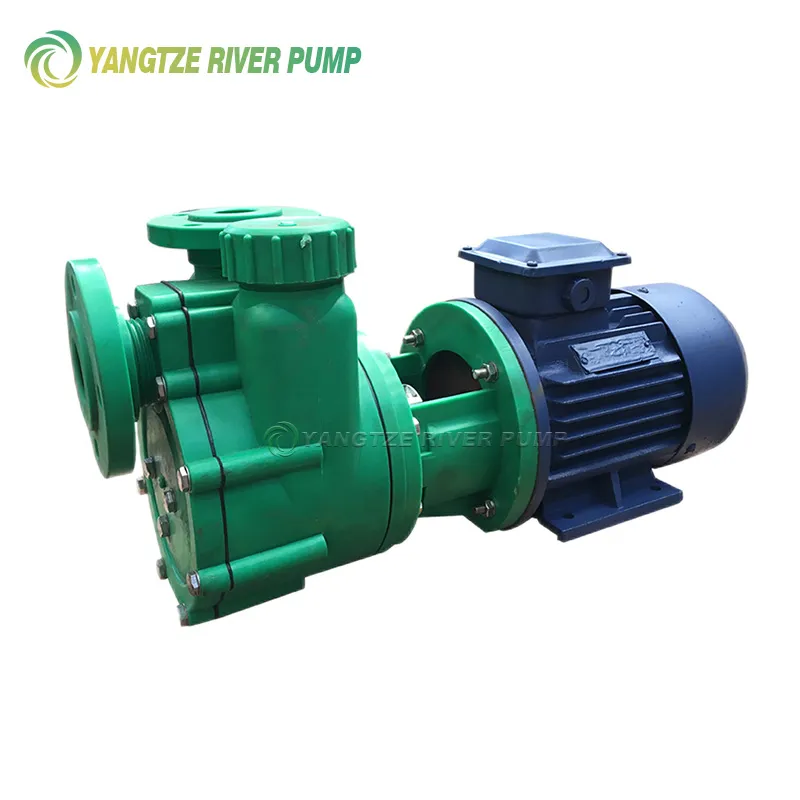 Plastic self-priming centrifugal pumps FP and FS
-
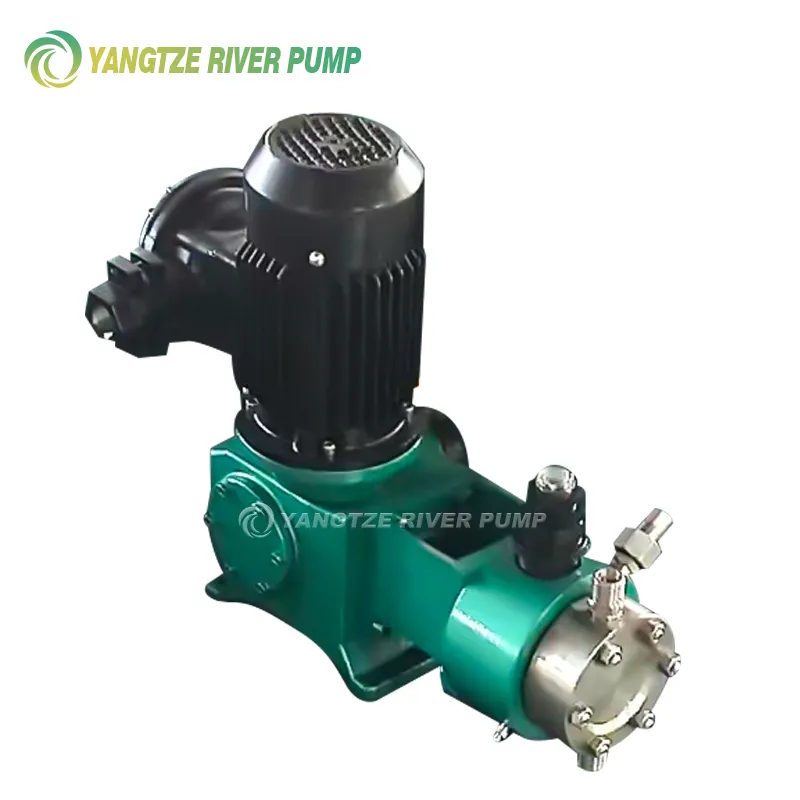 Plunger dosing pumps type DZ-X
-
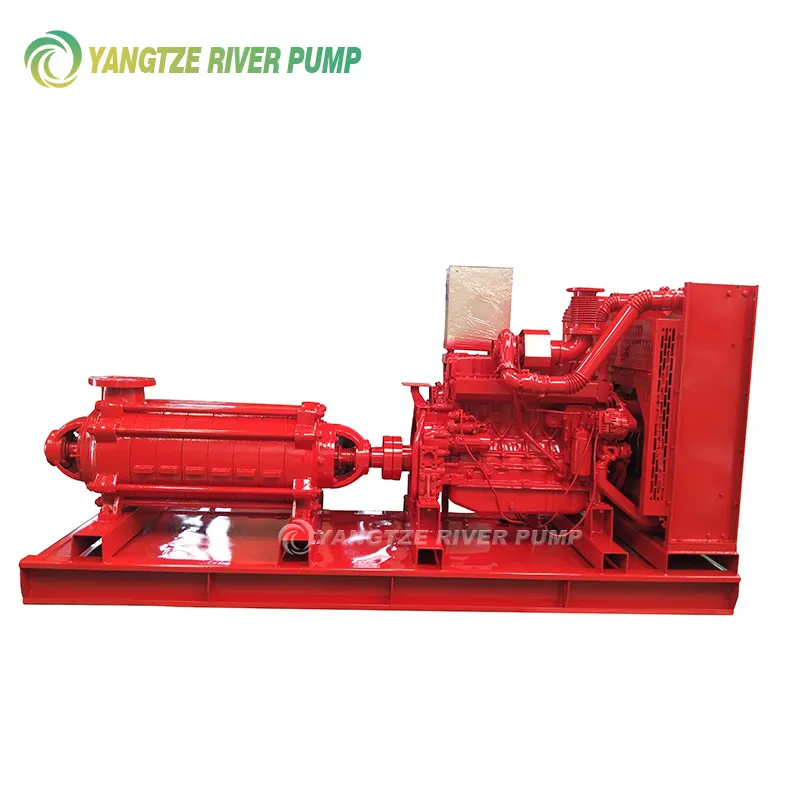 XBC Diesel Intelligent Fire Pumps
-
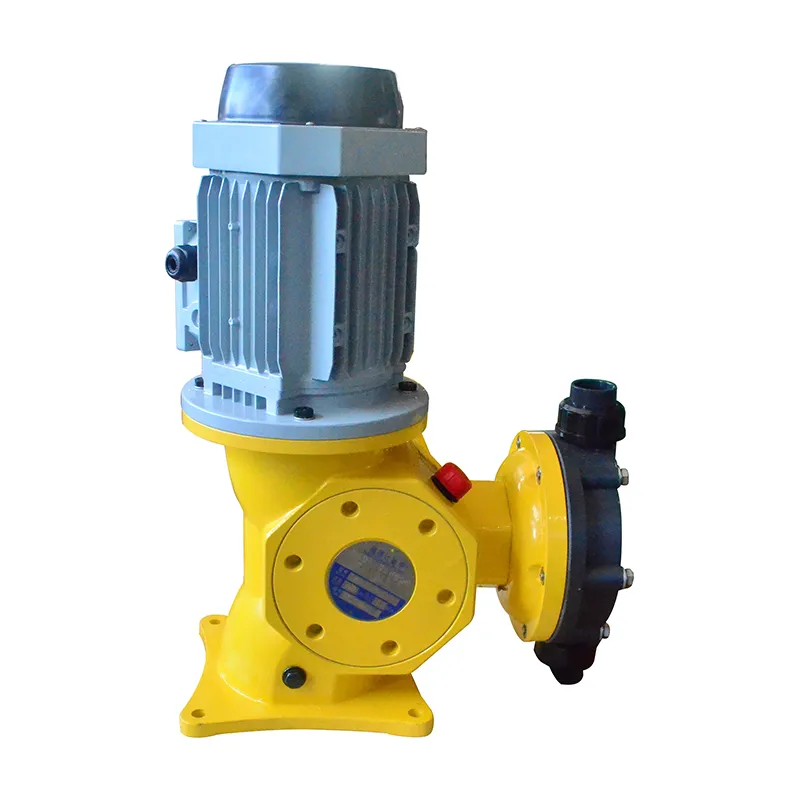 Mechanical diaphragm dosing pumps DJ-Z
-
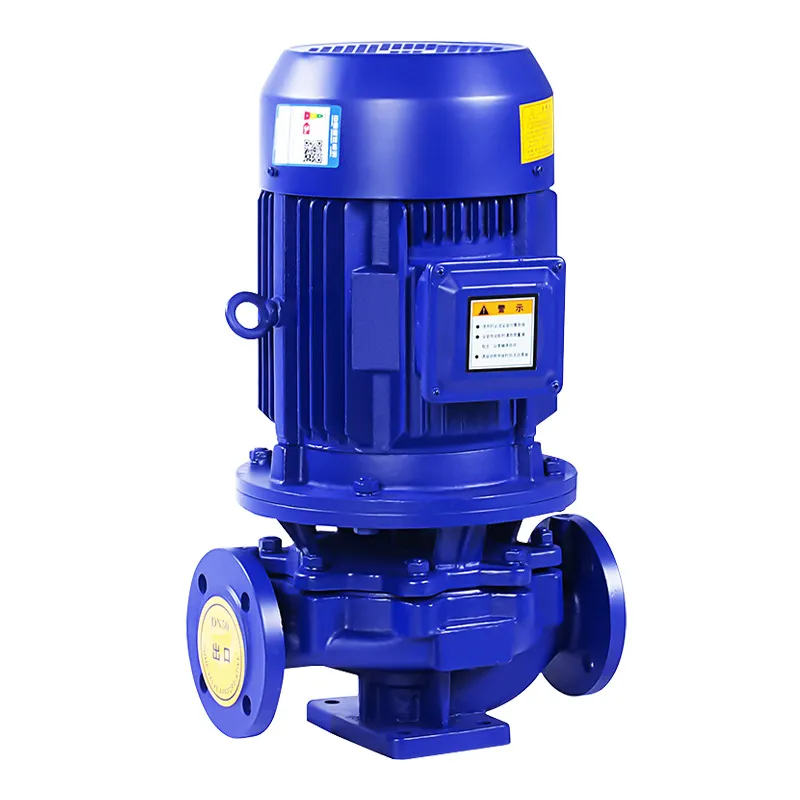 Vertical single-stage pipeline centrifugal pumps ISG and IHG
-
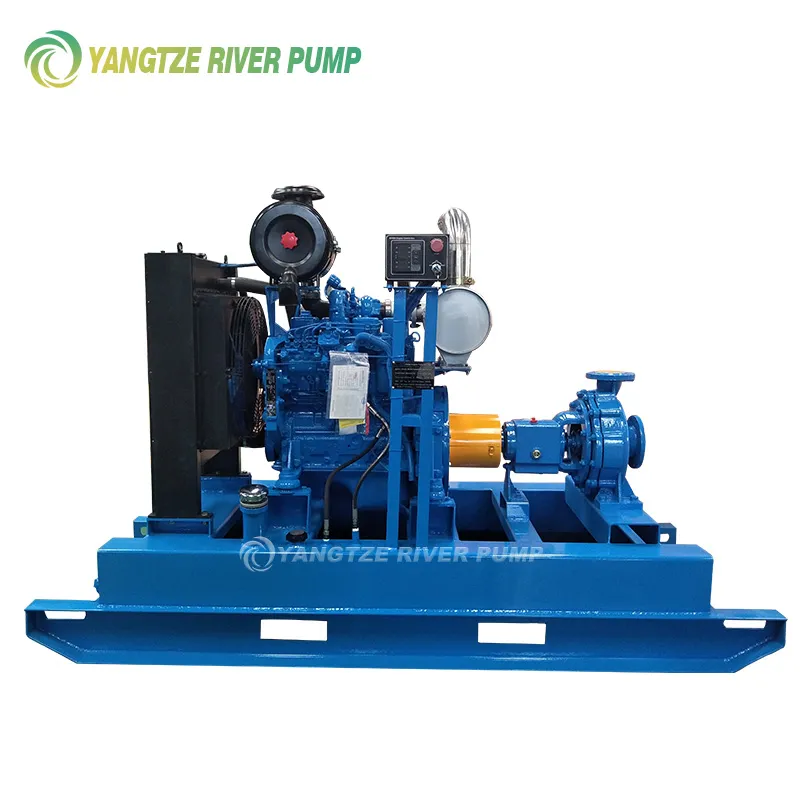 YZIS Diesel Single Stage Centrifugal Pumps