







small deep well pumps
When they talk aboutsmall deep well pumps, many immediately imagine something simple - lower it into the well, turn it on, and the water starts flowing. But in practice, especially in the conditions of our, let’s say, not always ideal soils and seasonal fluctuations in level, this “simplicity” turns into a bunch of nuances. A common mistake is to chase maximum cheapness or, conversely, excess power, without assessing the actual operating conditions. I went through this myself when ten years ago I started working with the water supply of private houses in the Moscow region. Then it seemed that the main thing was to pump. It turned out not.
Not just a “pipe with a motor”: design features that make all the difference
Take, for example, the design of the impeller. Forsmall deep well pumps, designed for narrow casing strings (say 100-110 mm), this is critical. A multi-stage scheme that we actively use in our series, such as those that are exported throughZhejiang Yangzijiang Pumping Industry Co.,Ltd, gives stable pressure even with a small diameter. But there is a pitfall here - the build quality of these same steps. I have seen pumps where after six months of operation they began to jam due to vibration. The reason is not perfect alignment or bushing material. Therefore, at our production line, the test line includes not just a “works/doesn’t work” check, but a long run under different loads with vibration measurements. This is not for show, this is from experience.
Another point is the case material. Stainless steel is the standard, but what kind? For aggressive environments, which are sometimes found in deep wells (high iron content, salts), conventional AISI 304 may fail over time. We have switched to AISI 316 for key models, although it is more expensive. But a client who installs a pump for 15-20 years will not feel this, but will avoid problems with sudden corrosion. This is exactly what distinguishes a product made to last from a “disposable” one. solutions.
And, of course, the cable. It would seem like a small thing. But how often have you had to pull out the pump because the moisture resistance of the cable was purely nominal? Especially in places with high groundwater levels. We now strongly recommend, and in some models immediately supply, a cable with double insulation and sealed inputs. This is the same “trifle” that turns out to be the main factor in field conditions.
Application scenarios: where they are truly irreplaceable, and where it is better to choose something else
Classic - autonomous water supply to the house from a deep artesian well. Heresmall deep well pumps- kings. But here’s a nuance: many people forget about the well’s flow rate. They install a powerful pump, it pumps out a column of water in an hour, and the well is restored in three. The pump runs dry, overheats, and that’s all - repair or replacement. Therefore, now when selecting a model, we always request a well passport. If it is not there, we insist on experimental measurement. It’s better to spend an extra day than to deal with the consequences later.
Another interesting scenario is pumping from collection wells or reservoirs at great depths. Not for drinking water, but, say, for technical needs or drainage. What is important here is not so much the purity of the water, but the ability of the pump to work with suspensions. Standard models for clean water will quickly fail. We have in our assortment versions with reinforced, more abrasive-resistant impellers - they are more expensive, but for such tasks this is the only option.
But for watering from a shallow well or pondsmall deep well pumps- often a redundant solution. A good surface or self-priming pump is sufficient here. I have seen cases where people overpaid and complicated their installation unnecessarily. The specialist’s task is not to sell the most expensive, but to offer an adequate technical solution.
Installation and operation: field reality versus instructions
The instructions say: “install the pump, secure the cable, connect the cable?”. In fact, the weakest point is the fastening. The steel cable must be galvanized, and preferably in a plastic sheath so as not to fray the cable. And it needs to be attached not only to the eye of the pump, but also with a margin higher, to the head of the well, with a shock-absorbing insert. Why? Because when starting and stopping there is water hammer and vibration. Without shock absorption, the entire load goes to the pump mechanism. I once neglected to supervise the installers - six months later the client complained about the noise. They pulled it out - one of the covers had a crack from constant tugging.
More about exploitation. The automation system is good. But the pressure switch must be correctly adjusted to the characteristics of the pump and accumulator. A common mistake is that the differential is too small, causing the pump to turn on and off every 30 seconds. This is death for any engine. You explain to the client that it’s better to let it run half a minute longer, but start it up less often. This extends the resource significantly.
And about the service. Is the deep-well pump maintenance-free? Formally yes. But once every 2-3 years, I still recommend raising it for a visual inspection. Check the condition of the cable, clean the filter mesh at the input, if there is one. The cost of lifting is nothing compared to the price of a new pump, which may burn out due to a clogged screen.
Selection mistakes and how to avoid them: practical observations
The most common mistake is choosing “by power?” or “by maximum depth?”. Look, a person has a well of 40 meters, and he takes a pump with characteristics of “up to 80 m”. He thinks in reserve. And this ?reserve? results in excessive energy consumption, increased noise and the risk of operating in suboptimal mode. The pump should operate in the middle part of its pressure characteristic, and not at the limit or, conversely, at the very beginning. This requires calculation, not just looking at the maximum numbers.
The second mistake is saving on the control and protection system. ?Dry running? This is a mandatory defense. Without it, a pump left without water will burn out in minutes. And it would be good if it was built-in protection in the pump itself, as in some advanced models, and not just an external relay. We are inZhejiang Yangzijiang Pumping Industry Co.,LtdWe take this into account for our immersion rulers, offering comprehensive solutions.
And third, ignoring the quality of the power supply. In rural areas, power surges are common. A stabilizer or at least a high-quality relay contactor can save expensive equipment. Once they installed an expensive imported pump without a stabilizer - a month later the client returned with windings that smelled of burnt insulation. Now this is item number one in the recommendations.
A look from inside production: why control at every stage is not marketing
When you have eight full lines, like we have at the plant, from R&D to service, the temptation to save on control somewhere is huge. But withsmall deep-well pumpsThis is unacceptable. Each assembled stage is tested for leaks under pressure. Each assembled engine is tested for no-load currents and under load. This is not for paperwork, but to cut off defects that can only appear after six months of working with a client.
Particular attention is paid to testing on a hydraulic stand. We run pumps not only on water, but also on liquids with different viscosities and temperatures. This allows you to more accurately calibrate the performance characteristics, which are then indicated in the passport. Not “approximately”, but exactly how the pump will behave in reality. Because the client’s trust is built on the exact correspondence between what is stated and what is actually done.
And finally, packaging. It would seem that what is so difficult here? But how many pumps are damaged during transportation! We switched to individual foam cocoons with a rigid outer box. Yes, it's more expensive. But the pump arrives at the site in perfect condition, and not with a bent shaft due to impact during transportation. This is also part of quality.
Bottom line: what ultimately determines a good small deep well pump
To summarize, a good pump is not just a collection of good parts. This is an accurate calculation for the task, high-quality assembly, a well-thought-out protection system and honest characteristics. This is when you, as a manufacturer, understand that your product will work in the ground, in the dark and cold, and people’s comfort depends on its reliability. Therefore inZhejiang Yangzijiang Pumping Industry Co.,LtdWe do not chase quantity, but focus on ensuring that every submersible pump that comes off the line will serve its intended life without surprises. And this is perhaps the main criterion that distinguishes just a product from a tool that you can rely on.
Everything else - marketing, beautiful pictures, big names - pales in comparison to the need to not run to the well at three o’clock in the morning because the pump suddenly stopped pumping. Reliability, tested by time and conditions, is what ultimately sells. Or, more precisely, recommends you to other clients. In our business, this is the only currency that matters.
Correspondingproducts
Related Products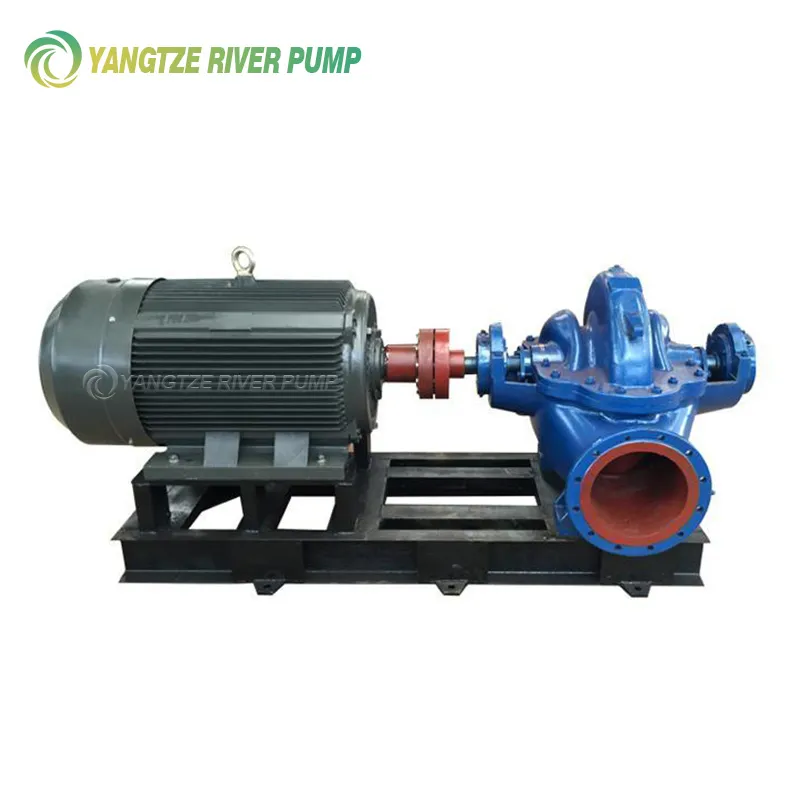
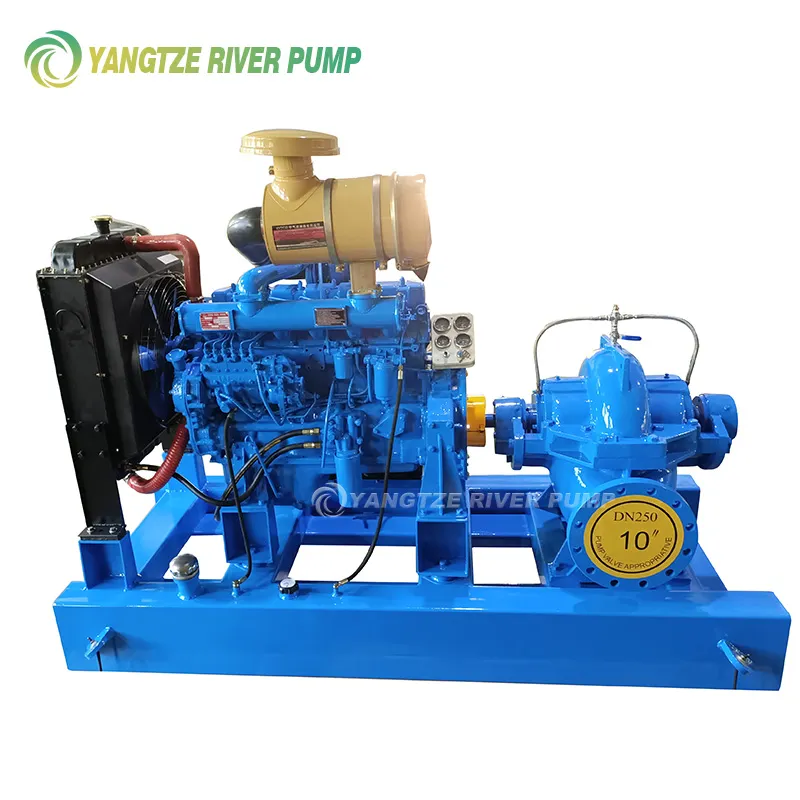

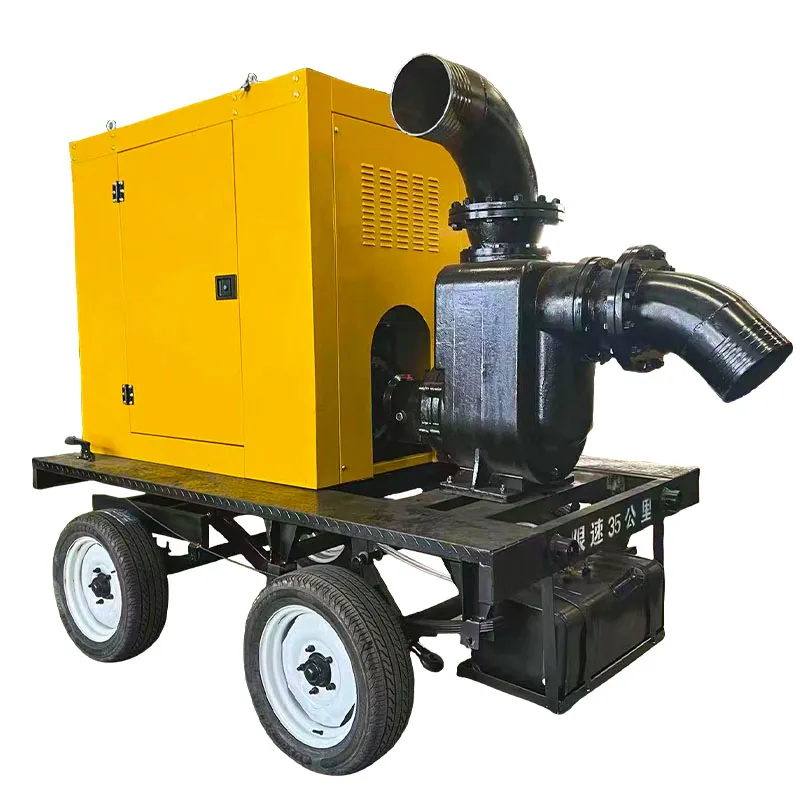




Best Sellingproducts
Best Selling Products-
 Vertical pumps with PTFE lining YQF
-
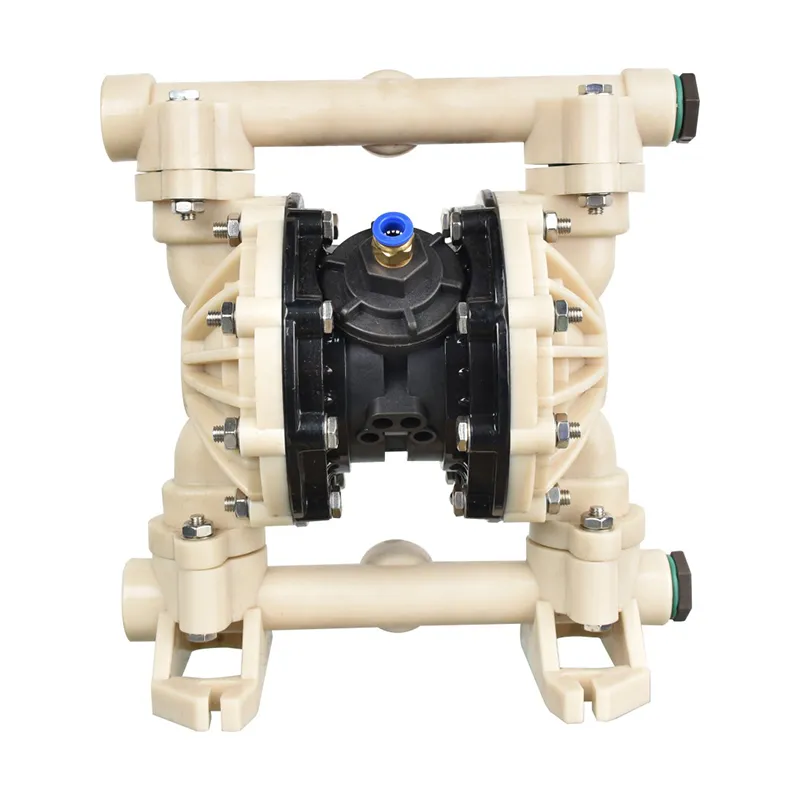 QBK Non-Metallic Air Operated Diaphragm Pumps
-
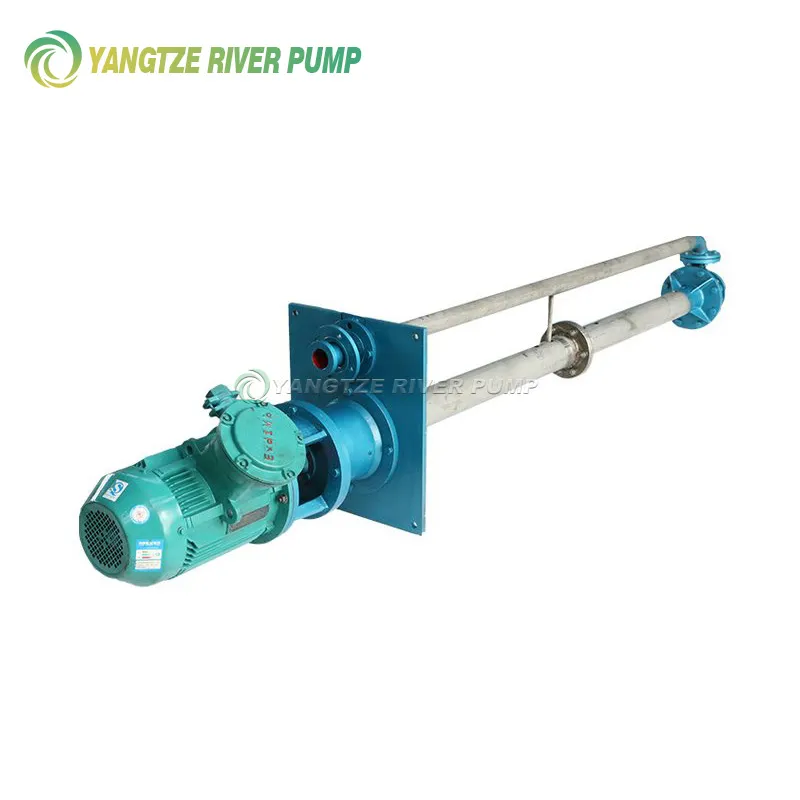 FY Submersible Chemical Pumps
-
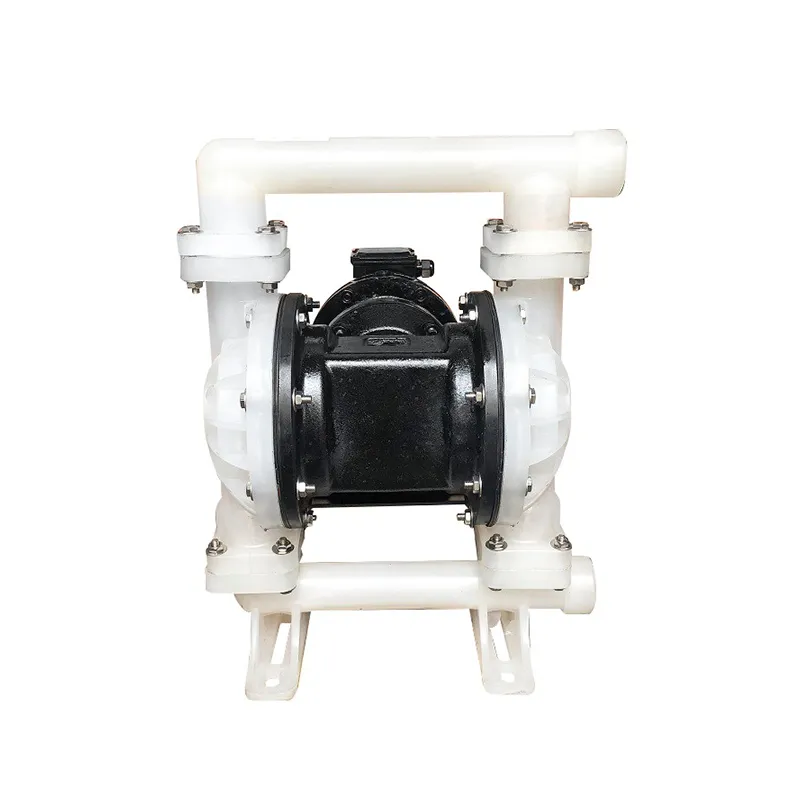 DBY Non-Metallic Electric Diaphragm Pumps
-
 IHF PTFE Chemical Centrifugal Pumps
-
 YW Vertical Submersible Sewage Pumps
-
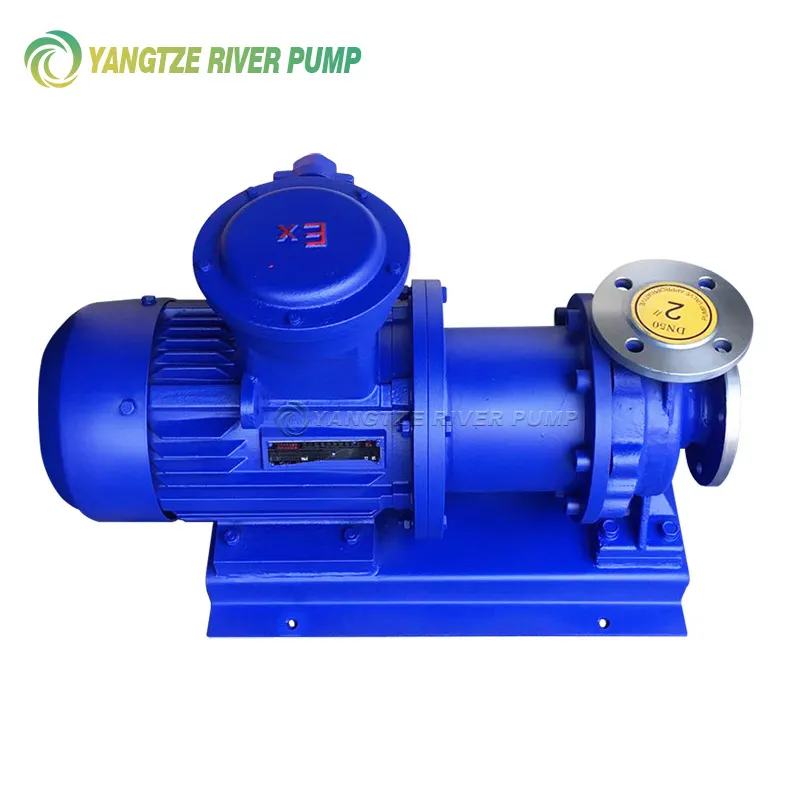 CQB Stainless Steel Magnetic Pumps
-
 Complete water supply installations with frequency regulation and constant pressure CDLF
-
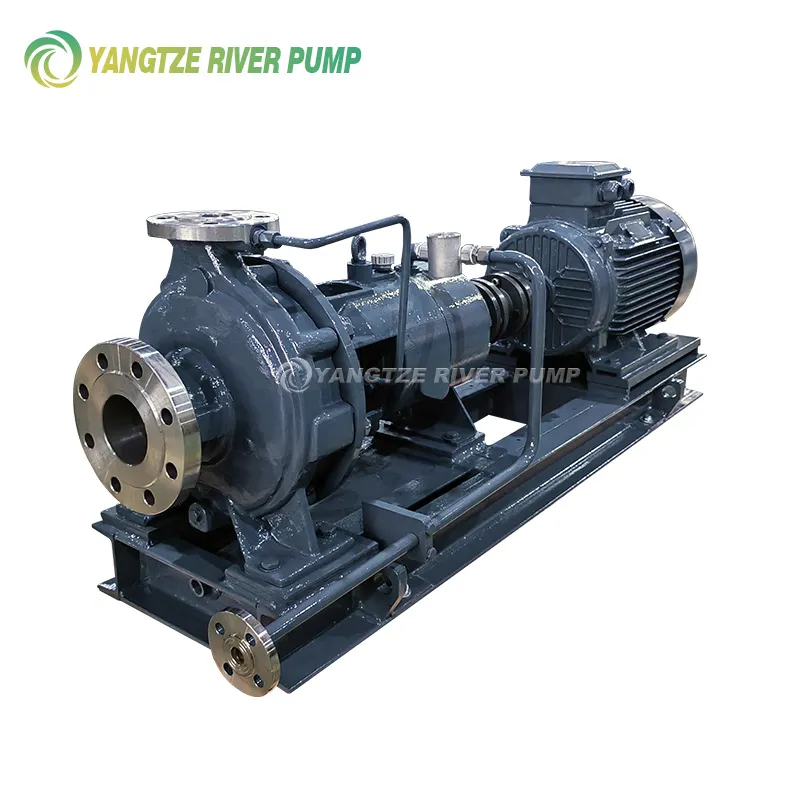 Petrochemical Process Pumps API 610 YZA
-
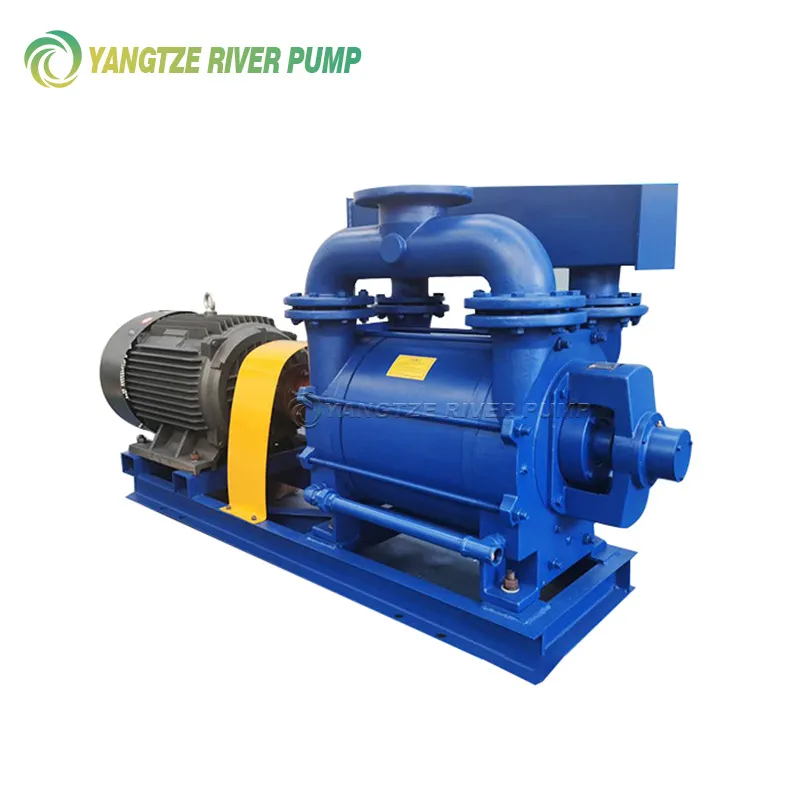 Liquid ring vacuum pumps type 2EB
-
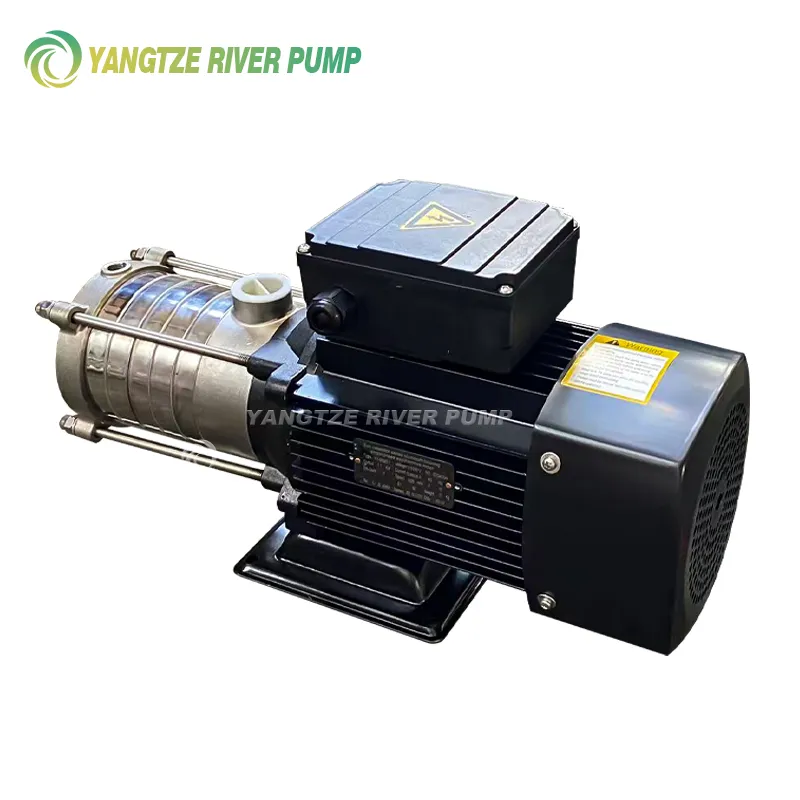 Horizontal multistage centrifugal pumps (light series) CHL and CHLF
-
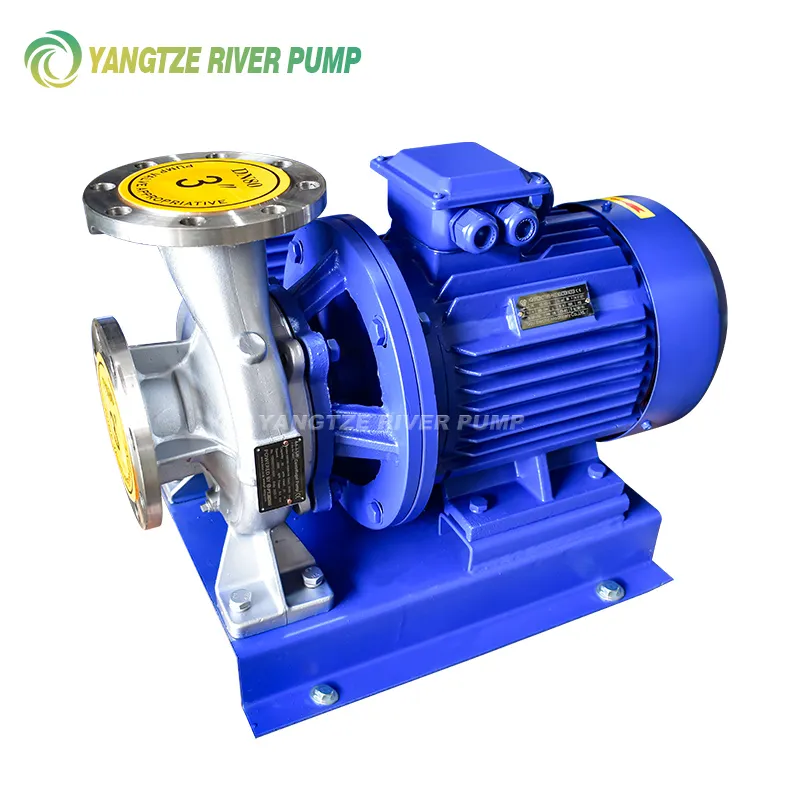 ISW and ISWH Single Stage Horizontal Pipeline Centrifugal Pumps