







centrifugal pumps 1 cubic meter
When you hear the request “centrifugal pumps 1 cubic meter”, the first thing that comes to mind is that a person is looking for something compact for pumping small volumes. But here’s the catch: many people immediately begin to chase a specific figure - 1 cubic meter per hour - completely losing sight of what kind of environment, with what pressure and under what conditions this pump should work. This is a typical selection mistake, which later results in problems on site. I went through this myself when I first started working with equipment.
What is actually hidden behind the number ?1 cube??
A productivity of 1 m3/h is not just an abstract parameter from a catalog. In practice, such a pump can be in demand in dozens of different scenarios: dosing reagents in a chemical plant, supplying water to a small washing line, circulating coolant in a circuit. The key point is pressure. It is one thing to raise water to a height of 10 meters, and quite another to ensure a stable supply through a long horizontal pipeline with resistance.Centrifugal pumpswith similar performance they are often single-stage, but the design of the flow part and the material used is a different story.
I remember one incident at a small production of paints and varnishes. The customer required a pump of exactly 1 cubic meter per hour to pump the base. We installed a standard cast iron model. And a month later - a call: productivity has dropped, vibration has appeared. It turned out that the medium contained abrasive particles, which the client kept silent about, considering it unimportant. The cast iron impeller was simply “eaten”. I had to urgently change it to a model with a wear-resistant coating. Conclusion: the number in the passport is only the beginning of the dialogue.
That is why in our company,Zhejiang Yangzijiang Pumping Industry Co.,Ltd, when discussing such tasks, we always delve into the details of the process. On our websiteyangtzeriverpump.ruBasic models can be found, but the final choice is often made after technical consultation. After all, our portfolio contains not only standardsingle stage centrifugal pumps, but also, for example, chemical pumps made of plastic orlinear centrifugal pumps, which may be optimal for installation in cramped conditions.
Design features and pitfalls
When talking about low-performance centrifugals, many people imagine something simple and almost universal. In fact, even within the same type, say,single stage centrifugal pumps, there are a lot of variations. Shaft sealing method: gland seal or mechanical end seal? For the same 1 cubic meter per hour, but when working with volatile liquids, this issue becomes critical. The oil seal requires maintenance and may leak. A mechanical seal is more expensive, but for aggressive environments it is often the only option.
Another nuance is cavitation. With such low flow rates, the risk of its occurrence is higher if the suction pressure is incorrectly calculated. This is especially trueself-priming pumps, which are sometimes considered for similar problems. They are convenient, but their actual suction performance greatly depends on the lift height. I saw how at a construction site they tried to pump water out of a pit with such a pump, expecting exactly 1 cubic meter per hour. They did not take into account the length of the horizontal section at the suction - as a result, the pump worked with noise and steam formation, and the flow rate was several times lower. I had to revise the installation diagram.
In our workshops on eight production lines, we are working on these parts. From R&D to testing, each stage allows the design to be adjusted to real, not ideal, conditions. For example, pumping liquids with fibers in the same volume of 1 m3/h may require a specially shaped vortex impeller rather than a standard one. This is not always obvious from the terms of reference.
Materials used: from water to aggressive chemicals
The choice of material is perhaps 50% of the success in the long-term operation of a 1 cubic meter pump. Stainless steel AISI 304 or 316? Polypropylene? PVDF? Often customers, especially those who work with water, choose stainless steel “with a reserve”. But if it is clean water without chlorides, then you can get by with a more economical option with a protective coating, using the savings, for example, for a better seal.
The chemical industry is a completely different story. Here, even trace amounts of impurities or temperatures 5-10 degrees higher than expected can lead to rapid failure. We had a project for a laboratory complex that requiredplastic chemical pumpjust with a productivity of about 1 cubic meter per hour for various acids. The most important condition was a quick change of the pumped medium and ease of flushing. A standard metal pump was not suitable due to the risk of corrosion and difficulty in cleaning. They offered a model made of polypropylene with quick-release connections. The solution turned out to be successful, but selecting it took time - it was necessary to check the chemical resistance of the material to the entire range of potential reagents from their list.
In our production, we focus on ensuring that the range of materials for our casings and impellerscentrifugal pumpswas wide. This is not for show in the catalogue. This is precisely so that you can accurately meet the requirements of the process, avoiding both unnecessary costs and premature breakdowns.
Issues of installation and integration into the system
A small pump does not mean easy to install. Quite the opposite. Often it has to be built into an existing production line, where space is at a premium. Here the type that comes to the fore islinear centrifugal pumps(in-line). They can be embedded directly into the pipeline without additional supports or foundations, which saves space and installation time. But there is also a specificity here: it is necessary to ensure the alignment of the pipelines, otherwise loads will arise on the housing, leading to seal leaks.
A common mistake is neglecting the harness. A pump of 1 cubic meter per hour is still a pump. It needs shut-off valves before and after, possibly a check valve, a suction filter (especially important!). I have seen systems where a pump, purchased on a turnkey basis, was installed on a bare pipe. The very first start after repairing the pipeline - sand and scale damaged the impeller. The client was dissatisfied, although the problem was not with the quality of the pump, but with the absence of a simple strainer-mud filter.
When shipping equipment, we, for our part, always include installation diagrams and recommendations. Our service department, which is part of the full cycle from R&D to after-sales service, is ready to provide advice. But, unfortunately, not everyone uses this at the node design stage.
Service and durability: what to look for first?
Any pump, even the most reliable one, requires attention. This is especially important for low-productivity models, because they are often put into auxiliary operations and... forgotten. No visible problems - no maintenance. And then a sudden stop happens. Main points of attention: condition of the shaft seal (oil seal or mechanical seal), vibroacoustic characteristics and current consumption. An increase in vibration or current often signals the beginning of problems - bearing wear, seal jamming or cavitation.
From my own experience: one of oursmultistage centrifugal pumps(though with greater productivity) failed due to a banal lack of prevention. The water was of increased hardness, and scale was deposited on the internal guide devices, disrupting the balancing. For a 1 cubic meter per hour pump, if it works, for example, with a solution containing suspensions, a similar story with sediments can happen faster. Therefore, in our recommendations we always emphasize the need for periodic inspection, the frequency of which depends solely on the working conditions.
It is an integrated approach - from design and production to support - that allows you to avoid many problems. Our companyZhejiang Yangzijiang Pumping Industry Co.,Ltd, builds its work on this logic. A full cycle, including our own test benches, makes it possible not only to sellcentrifugal pump, but also to be sure that it will work out its service life under the stated conditions. Learn more about our approach and range, which includessubmersible pumps, anddiaphragm pumpsfor special tasks, can be found atyangtzeriverpump.ru. In the end, the right choice is not only about the number ?1 cube? in the specification, but about understanding the entire technology where this pump will work.
Correspondingproducts
Related Products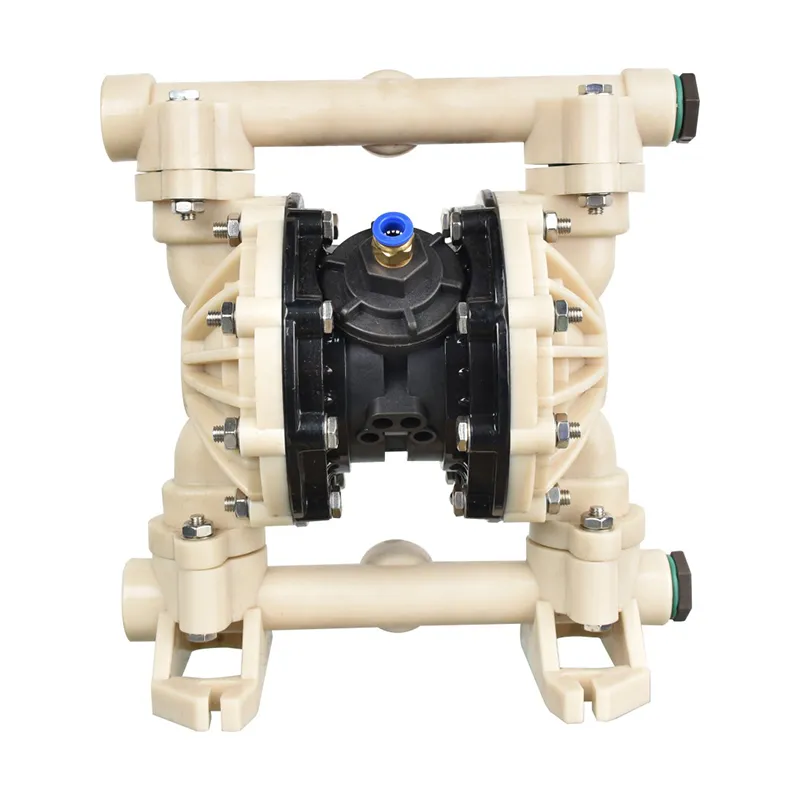




Best Sellingproducts
Best Selling Products-
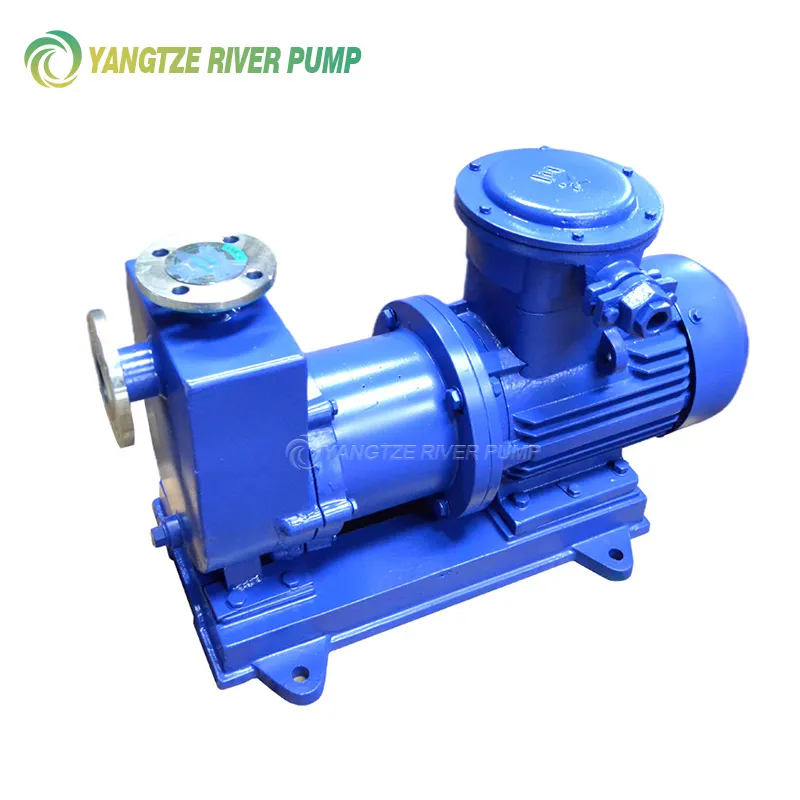 ZCQ Stainless Steel Self-Priming Magnetic Pumps
-
 YCB Type Circular Gear Pumps
-
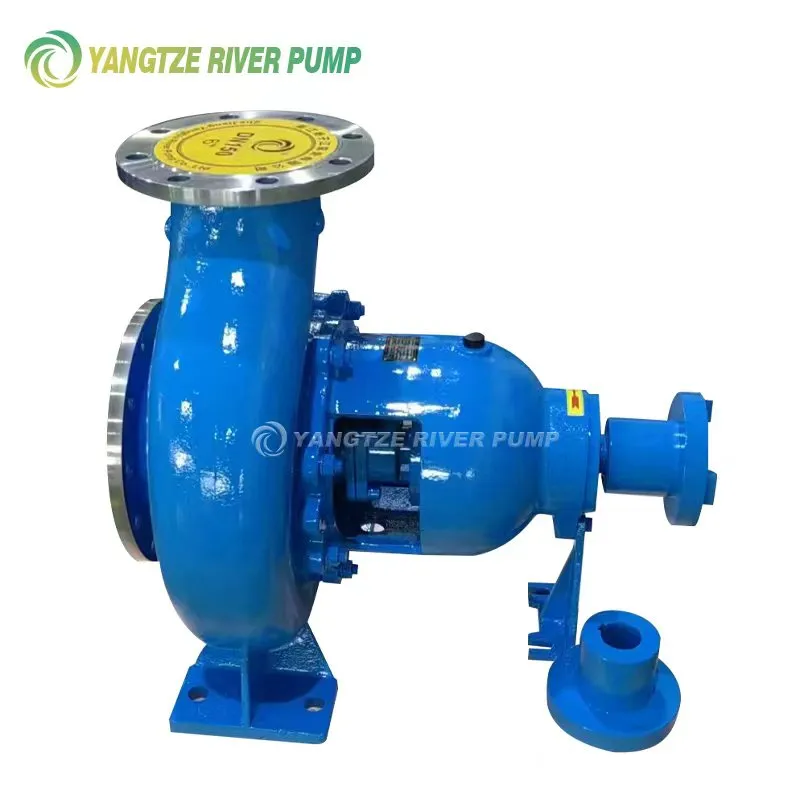 IH Stainless Steel Chemical Centrifugal Pumps
-
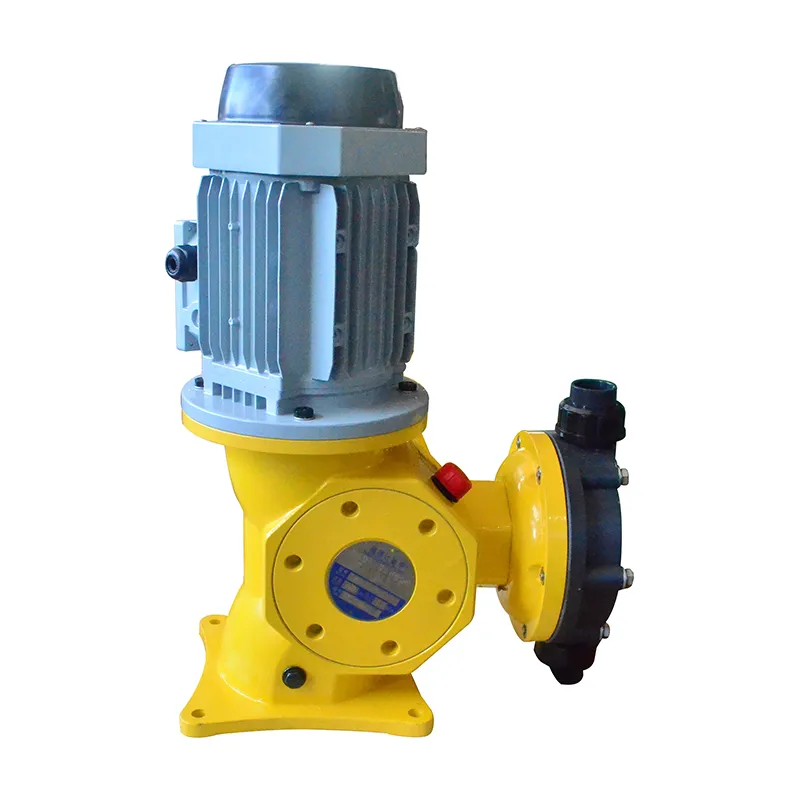 Mechanical diaphragm dosing pumps DJ-Z
-
 Vertical pumps with PTFE lining YQF
-
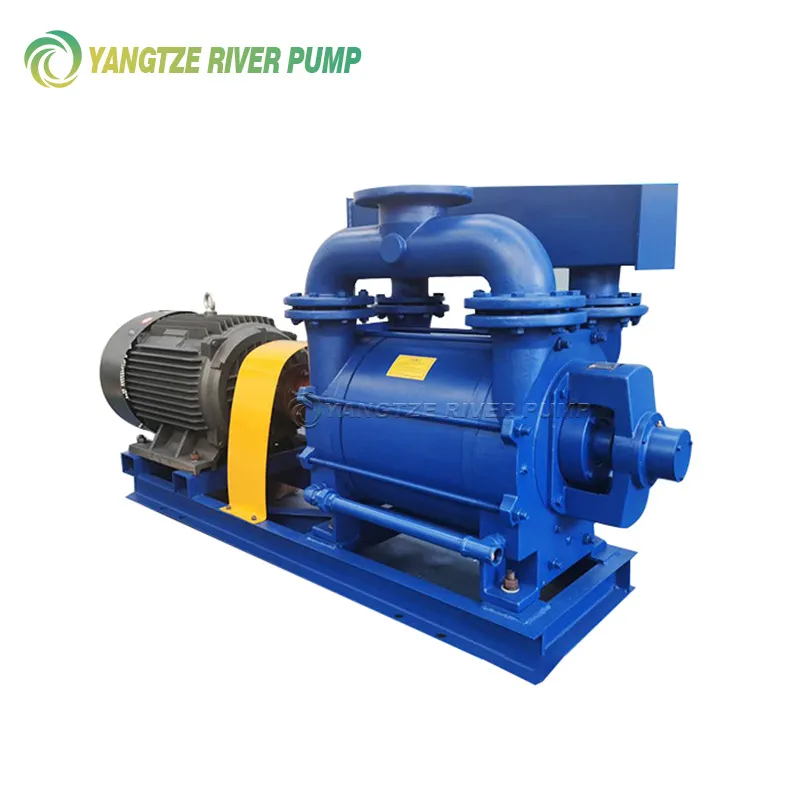 Liquid ring vacuum pumps type 2EB
-
 CQF Plastic Magnetic Pumps
-
 YW Vertical Submersible Sewage Pumps
-
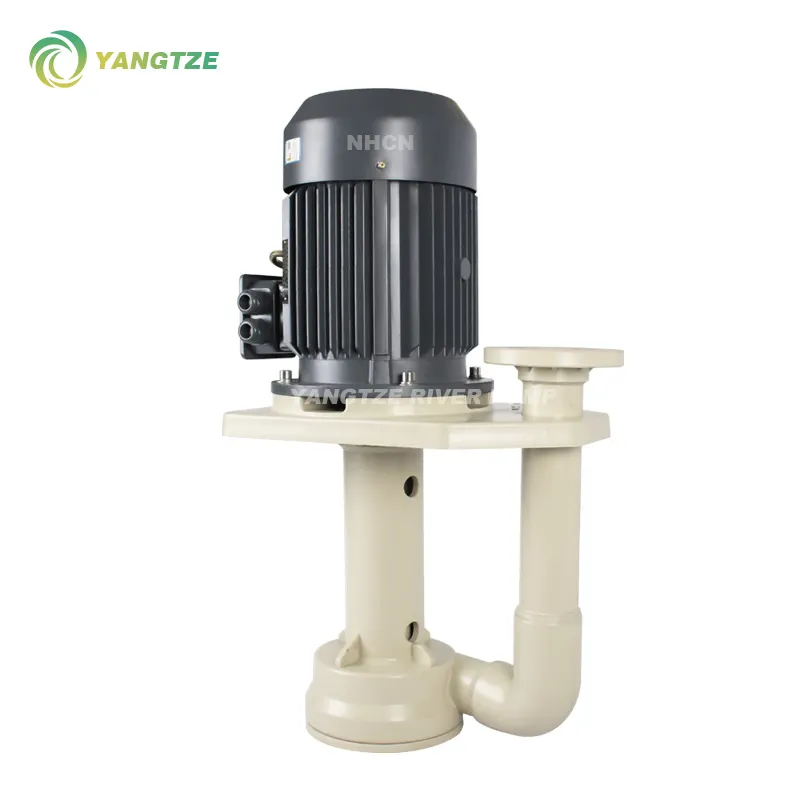 Vertical pumps for installation inside/outside tanks YZCN and YZCW
-
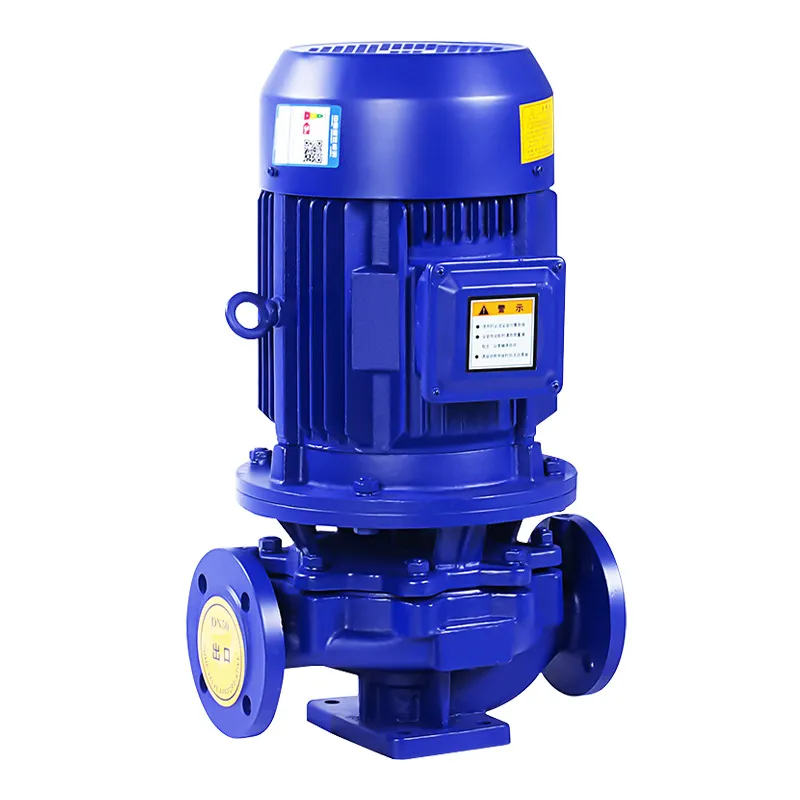 Vertical single-stage pipeline centrifugal pumps ISG and IHG
-
 Complete water supply installations with frequency regulation and constant pressure CDLF
-
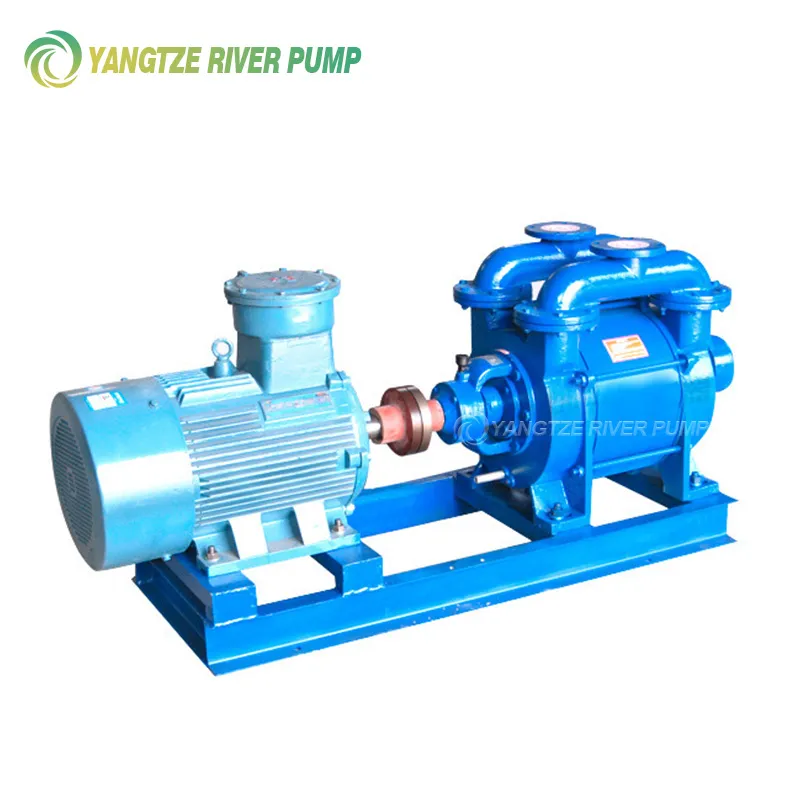 Liquid ring vacuum pumps type SK