







extraction by centrifugal pump
When you hear “extraction with a centrifugal pump,” many people immediately imagine a standard unit that drives water through pipes. But in reality, especially on an industrial scale, this is a whole story with a lot of nuances. The most common mistake is to assume that any centrifugal is suitable for pumping suspensions or, say, sludge at a processing plant. In fact, if you take a regular single-stage pump for clean water and pump an abrasive mixture into it, it can not only fail, but literally “eat” itself from the inside in a matter of hours. And this is not a theory, but something that you regularly see at sites where they are trying to save on equipment.
From theory to practice: why design decides everything
This is where the key point for mining lies. Not everyonecentrifugal pumpBuilt for tough conditions. Take, for example, the line from Zhejiang Yangzijiang Pumping Industry Co.,Ltd. They have both single-stage and multi-stage models in their range. So, for production, where work is often done with liquids containing solid inclusions, a multi-stage option is not always a panacea. More steps mean more bottlenecks where clogging or accelerated wear can occur. To pump pulp after a ball mill, for example, a single-stage mill is often needed, but with a reinforced, often replaceable, flow channel and an impeller made of special alloys.
Their website yangtzeriverpump.ru shows that the company focuses on the full cycle - from R&D to testing. These are not just words. When you deal with the supply of pumps to mining and processing plants, you understand that pre-sale testing in real environments is what separates just a sale from a working solution. By the way, they also produce submersible pumps, which are indispensable in mining, especially for pumping water from quarries or mines. But this also has its own specifics: it is important that the engine is reliably protected from the ingress of abrasive suspension, and this is a question of the design and quality of the seals.
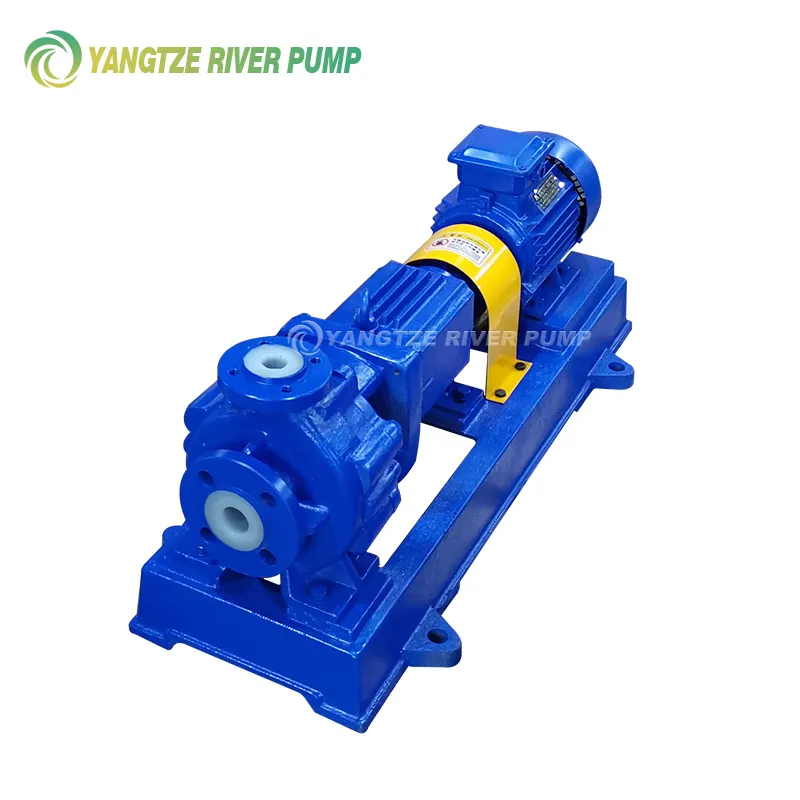
I personally observed the situation at one of the coal mines. They installed a standard submersible pump for drainage, without taking into account the high content of small mechanical particles. As a result, the stuffing box seal failed much earlier than expected and water got into the engine. Stopping, repairs, downtime - all this is money. After this, they began to look more closely at the specifications and demand from manufacturers, like Zhejiang Yangzijiang LLC, test data on abrasive media. Their plastic chemical pumps, by the way, can also find a niche in mining, but already at the stage of chemical enrichment or processing, where corrosion resistance is important.
Magnetic drive vs traditional: controversial choice for mining
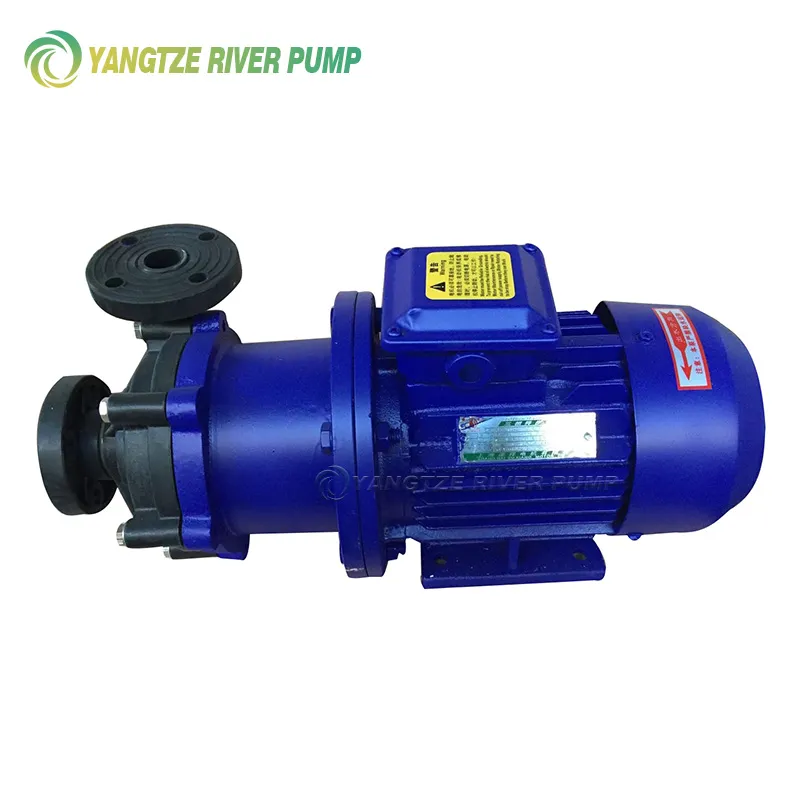
Separately, it is worth mentioning magnetic pumps. The technology is certainly interesting - there is no mechanical seal, which means there is no risk of leakage. This is invaluable in the chemical industry. But in the context of mining? I doubt. When it comes to pumping suspensions with solid particles, the magnetic coupling can run into problems. Particles can settle in the gap between the inner and outer rotors, especially if the media is thick, leading to overheating and loss of efficiency. Although, for pumping certain reagents at a processing plant, where cleanliness and safety are critical, such an option from the same manufacturer may be considered. But this is a targeted solution, not a mass solution.
I remember there was a project to automate the supply of flotation reagents. They were just considering a magnetic pump for safety reasons - leakage of an expensive and dangerous reagent was unacceptable. In the end, we settled on it, but only after we were convinced that the pumped medium would be pre-filtered to a state close to pure liquid. For the bulk of processes related directly toextraction by centrifugal pump, proven designs with mechanical seals designed for abrasive are more reliable.
Self-priming models: convenience for which you pay for efficiency
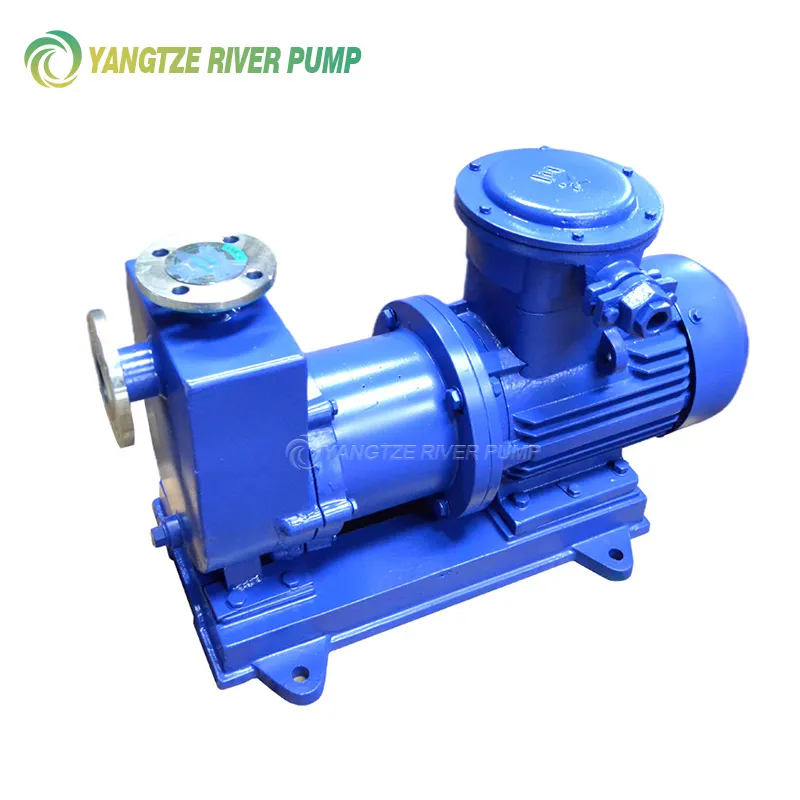
Another common request is self-priming pumps. Convenient, no need to add liquid before starting. In mining, this can be useful for pumping out random accumulations of water, from pits. But you need to clearly understand their limitations. Their efficiency is, as a rule, lower than that of conventional centrifugal ones. And if there is a lot of sand or silt in the water, the suction chamber and check valve can quickly become clogged or worn out. Zhejiang Yangzijiang LLC has such models in its assortment, and their use makes sense where mobility and ease of maintenance are important, rather than maximum productivity 24/7.
There was an incident during the construction of an auxiliary road in a quarry. A mobile pumping unit based on a self-priming pump was used to drain the trenches. It worked, but needed cleaning periodically. For constant, round-the-clock pumping from the sump of the main drainage system of the quarry, of course, we chose a stationary installation with conventionalcentrifugal pumpand a suction filtration system.
Tests and materials: what is hidden behind the catalog
This is what is rarely looked at when choosing, but what is critically important is the materials of the flow part and the availability of real test benches from the manufacturer. The eight production lines announced on the website yangtzeriverpump.ru are a scale that allows not only assembly, but also serious testing. For mining, abrasion testing is key. The pump can pump water perfectly, but its real life on sludge is measured not in hours, but in tons of pumped abrasive.
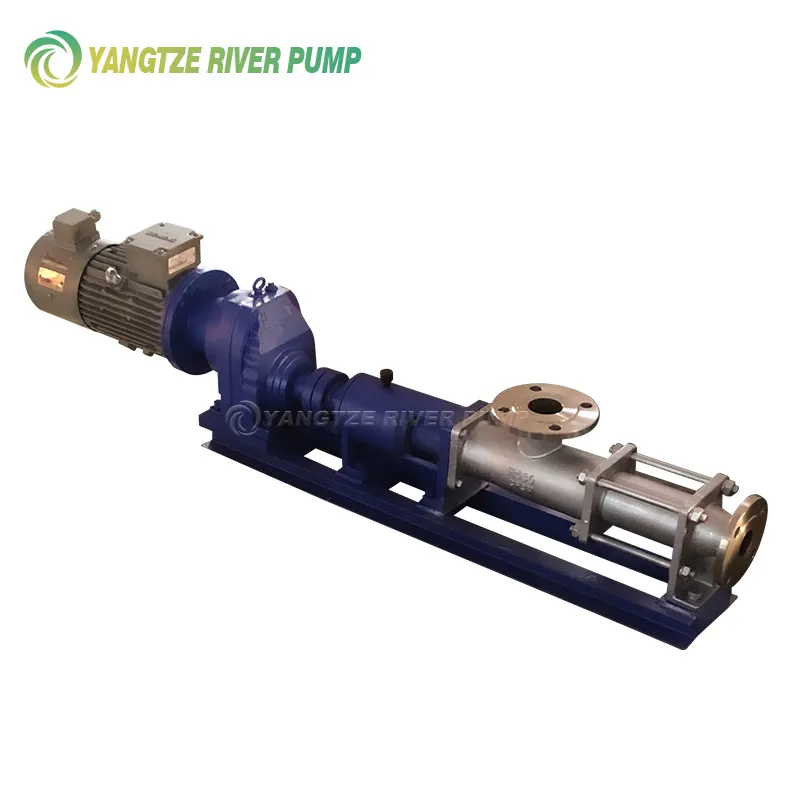
A good industrial-oriented manufacturer should provide impeller and wear housing life data for different environments. Ideally, it is possible to make a trial delivery or receive a test report on a similar environment. Single-screw pumps, which the company also produces, are a completely different principle; they are good for viscous media. But in the classicalextraction by centrifugal pumpthey are used less frequently, except for pumping very thick pastes or sludges.
From personal experience: we were choosing pumps for pulp circulation at a factory. Inquiries were sent to several suppliers, including the company mentioned. The decisive factor was not only the price tag, but the willingness to provide an engineering calculation for wear for our specific density and granulometry of the pulp, as well as recommendations on the material (they suggested an option with high-chromium cast iron). This shows the depth of the approach.
Bottom line: complexity, not just an aggregate
So what's all this for?Extraction by centrifugal pump— this is not about choosing a pump from a catalog. This is about analyzing the technological environment, operating mode, requirements for reliability and maintainability. This is about ensuring that the manufacturer, be it Zhejiang Yangzijiang Pumping Industry LLC or another, understands your task not at the level of “you need pumping,” but at the level of “you need to pump such and such a suspension, with such and such a temperature, with such and such a solid content, with such and such a work schedule.”
That is why their full-cycle model, including R&D and testing, seems logical for the sector. Because the next step after selection is the ability to adapt a standard product to non-standard conditions. For example, strengthen the shaft, change the seal design, or offer an alternative material. Without our own engineering and testing base, this is simply a resale of hardware.
Ultimately, site success depends on this holistic view. The pump is the heart of many mining processes. And you need to choose it not by the most attractive picture or price, but by a combination of factors, where the manufacturer’s experience in solving similar problems and the technical depth of support often mean much more. Errors here are expensive, and not so much the cost of the unit itself, but the cost of downtime of the entire site or factory.
Correspondingproducts
Related Products

Best Sellingproducts
Best Selling Products-
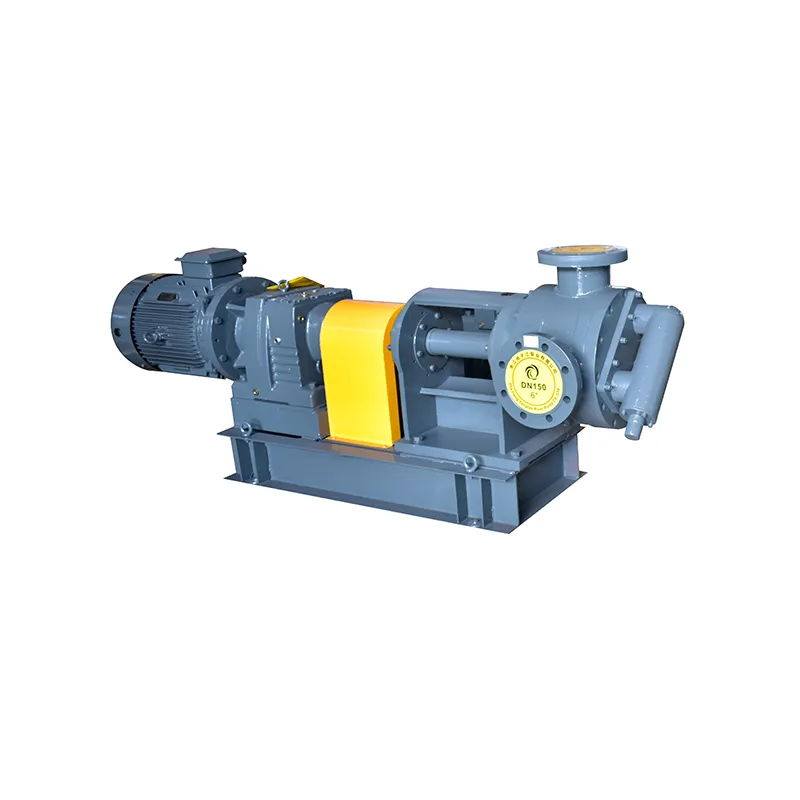 NYP High Viscosity Internal Gear Pumps
-
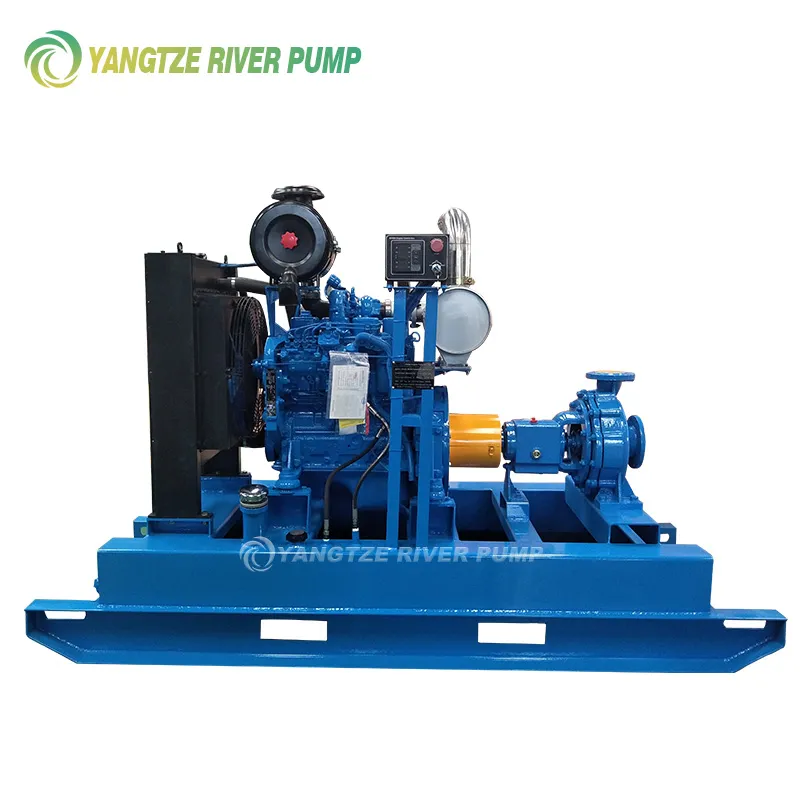 YZIS Diesel Single Stage Centrifugal Pumps
-
 Corrosion-resistant stainless steel centrifugal pumps SFB and SFBX
-
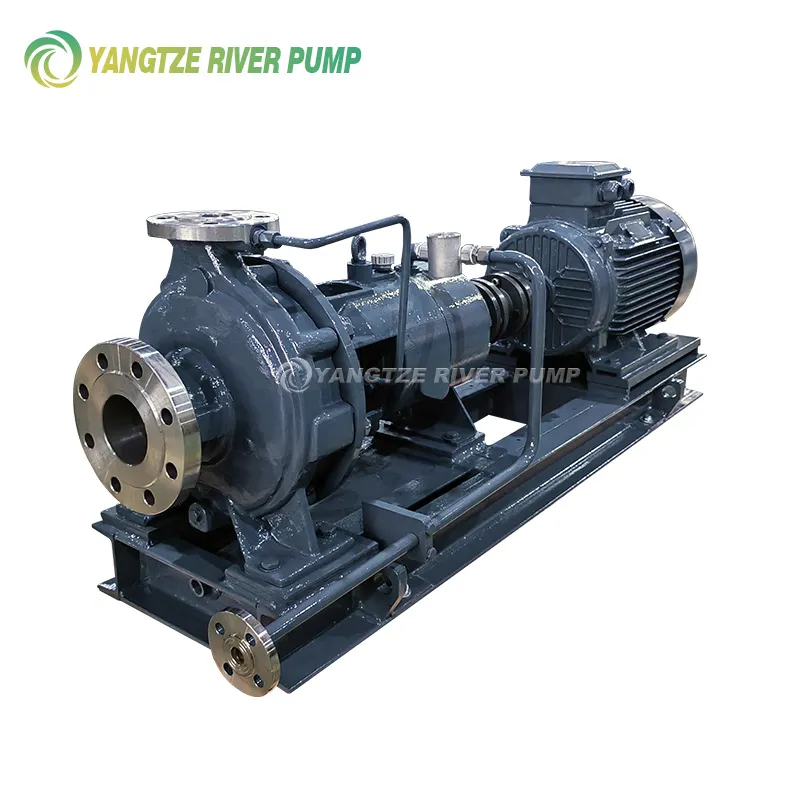 Petrochemical Process Pumps API 610 YZA
-
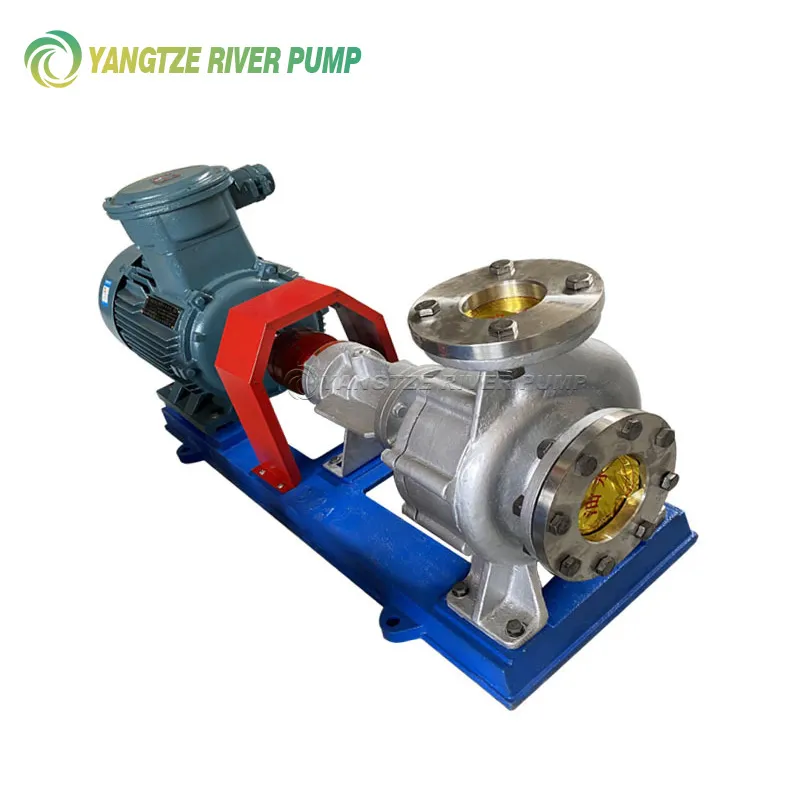 RY thermal oil pumps
-
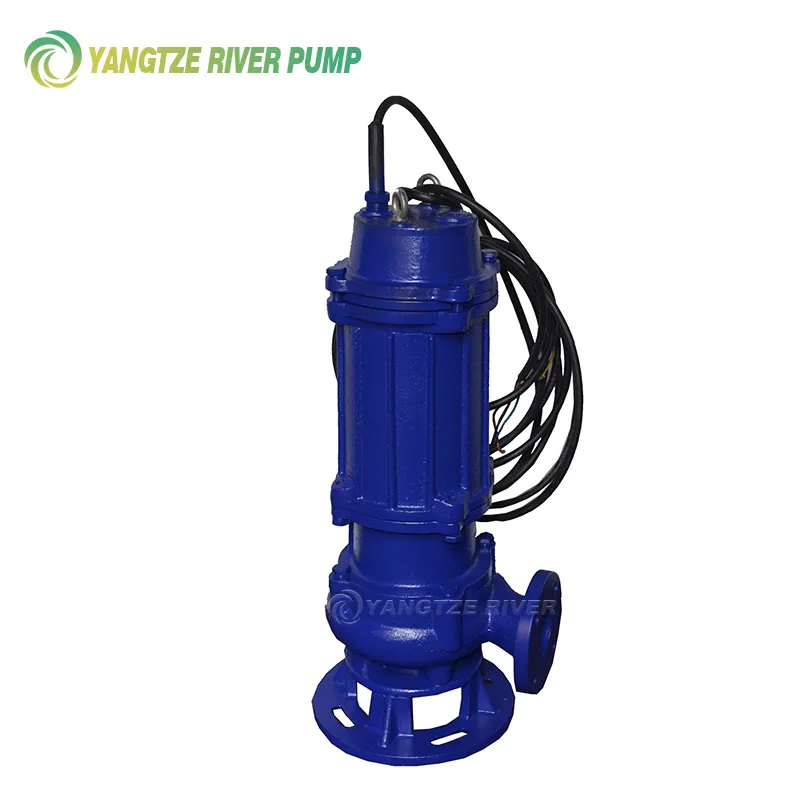 QW Non-clogging Submersible Sewage Pumps
-
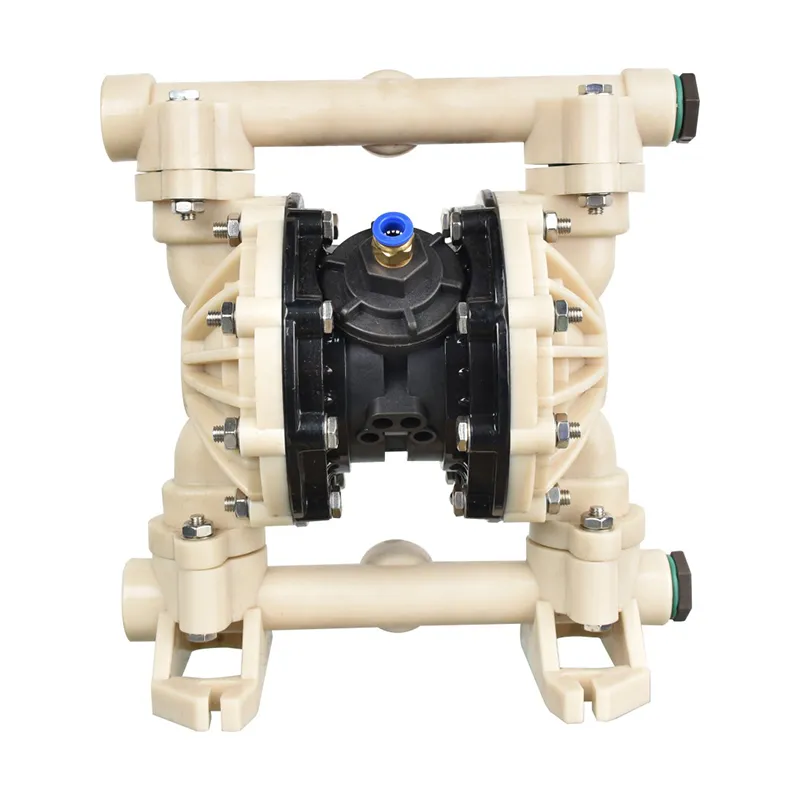 QBK Non-Metallic Air Operated Diaphragm Pumps
-
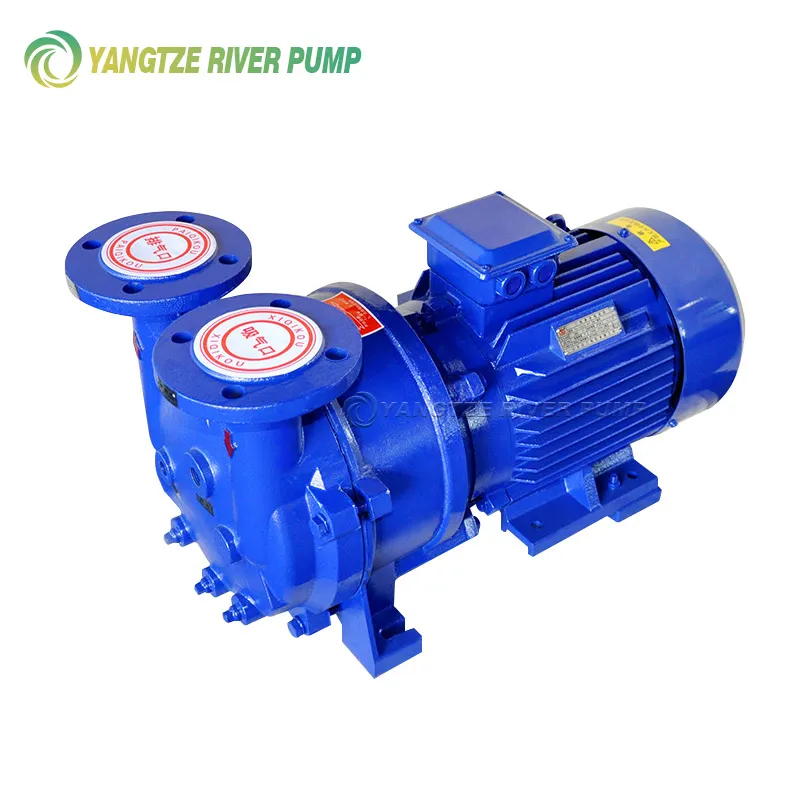 Liquid ring vacuum pumps type SKA and 2BV
-
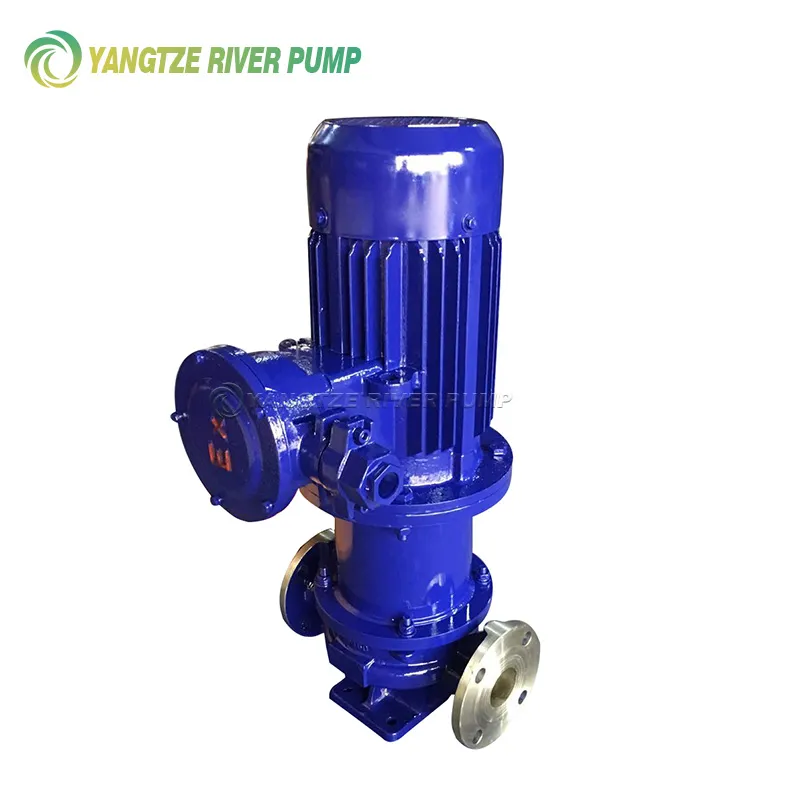 Vertical magnetic pumps CQB-L
-
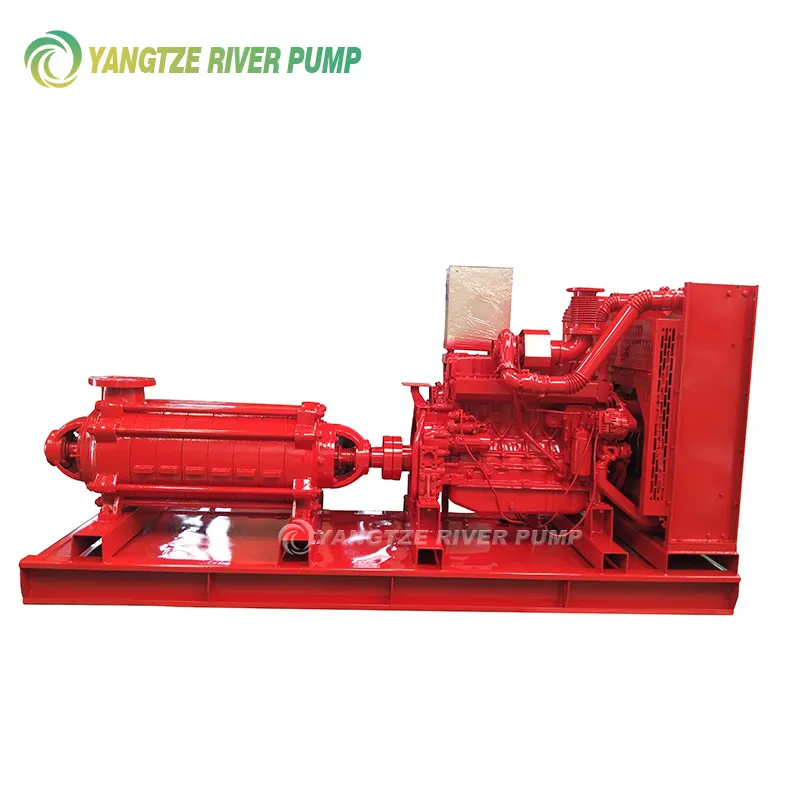 XBC Diesel Intelligent Fire Pumps
-
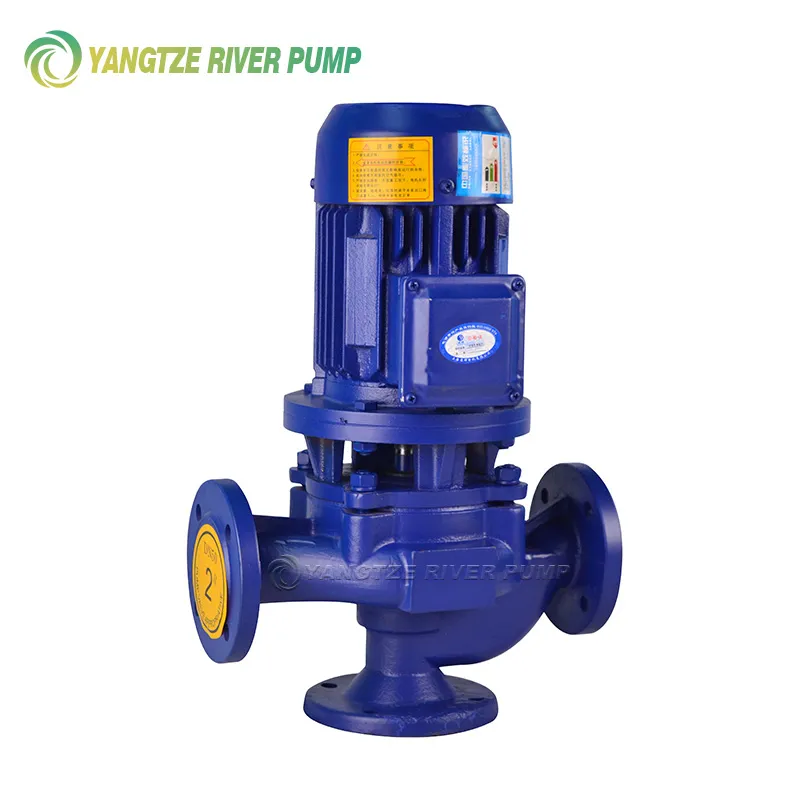 Pipeline wastewater pumps GW
-
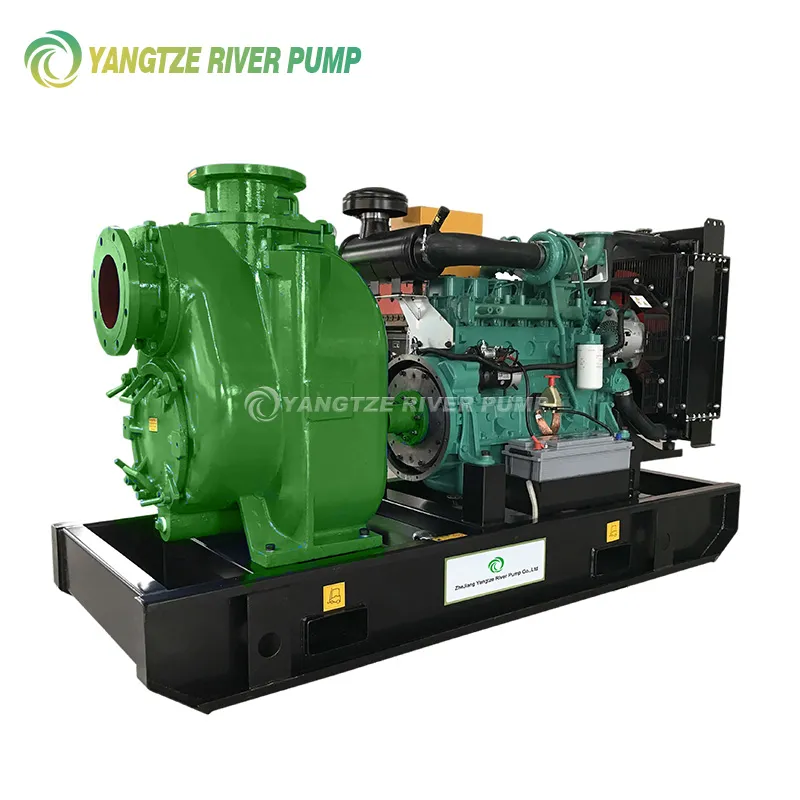 YZSP Diesel Self-Priming Pumps
Relatedsearch
Related Search- 1 vertical multistage centrifugal pump
- gear pump with coupling
- three-phase deep well pumps
- horizontal multistage centrifugal pumps 1.8 kW
- open impeller centrifugal pump
- Type S Single stage double entry centrifugal pumps
- centrifugal pump 5 m3 h
- deep well pump 40 m
- gear lubrication pumps
- IS Types Horizontal Chemical Centrifugal Pumps