







deep well pump 100
When you hear “depth pump 100”, the first thing that comes to mind is probably the model or conditional depth. But in practice, especially in our work at Zhejiang Yangzijiang Pumping Industry Co., Ltd., this figure is often misleading. Clients call and ask for a “pump for 100 meters?”, and then it turns out that they need a flow rate of 100 cubic meters per hour, or a head of 100 meters of water column, or in general this is the article number of an outdated unit. The confusion is colossal. The term itself “deep pump” - this is already a whole story, and with numbers it’s a completely different story. I’ll try to sort it out based on what I personally encountered during testing and when selecting equipment.
What is hidden behind the number 100? in real conditions
In our catalogs and on the website https://www.yangtzeriverpump.ru you will not find a direct model? Deep well pump 100?. This is more of a generalized request. Most often this meanssubmersible pumpsfor wells with a dynamic water level of about 100 meters or with a required pressure of this value. But here’s a nuance: a pump capable of lifting water from 100 meters is not just anydeep well pump. This is already a multi-stage design, where each stage adds pressure. We see the difference in the workshop: for 50 meters and for 100 there is a different number of impellers, a different selection of materials, especially when it comes to a salty or aggressive environment.
There was a case where they brought in a pump for repair that “didn’t pull out?” declared 95 meters. We look - the model seems to be suitable, but after opening it we can see that the steps are made of ordinary technopolymer, and the well contains water with a high content of sand and salts. The abrasive did its job, the gaps increased, and the pressure dropped. The client bought a “hundred-meter” pump at an attractive price, but did not take into account the chemical composition of the water. For such conditions, we always offer options with corrosion-resistant materials - stainless steel or specialized composites, which we use forplastic chemical pumps. The price is higher, but the service life is many times longer.
Therefore, the first thing we clarify is precisely the parameters: static/dynamic level, well flow rate, casing diameter and, what is critically important, water analysis. Without this, talk about a “pump at 100?” - this is fortune telling on coffee grounds. Sometimes it is more profitable to install a slightly more powerful unit, but with a headroom and protection against dry running, especially if the water level drops significantly in the summer.
Design features and common installation errors
Moving on to the design.Deep well pumpfor serious depths it is almost always a multistage centrifugal pump. In our production we focus on shaft balancing and the quality of impellers. Vibration is the main enemy. On the test benches that we have at our plant, we run each such pump under load and take vibrograms. It happens that everything seems to be assembled correctly, but when starting up, a slight vibration appears at the calculated parameters - this means that there is somewhere a millimeter error in the assembly of the steps or the shaft itself has a microscopic deflection. In field conditions, this will result in rapid wear and failure.
Editing errors are another story. The most painful moment is the suspension. The pump hangs in the well on a cable and pressure pipe. If the cable is not stainless, in a couple of years it may rot at the point of contact with water, and the entire structure will collapse into the well. We always insist on using galvanized or stainless steel rope and recommend the use of additional safety clips. Another problem is the absence of a check valve immediately after the pump. Without it, the entire water column in the pipe tends downward when the pump stops, creating a water hammer and spinning the impeller in the opposite direction. This is deadly for the engine.
And about the cable. For a depth of 100 meters, you need a cable with appropriate insulation, designed for long-term immersion. Saving on cable leads to its breakdown, short circuit and, as a result, expensive lifting and repair. We complete oursubmersible pumpscable with waterproofing, but some installers, trying to save money, use what they have on hand. Then they call with complaints.
Connection with other pump types in our range
Working in a company that produces not onlydeep well pumps, but also magnetic, self-priming, diaphragm pumps, you see the system picture. Request for ?pump 100? may come not only for the well. Sometimes you need high pressure in a closed system, for example, for washing or supplying reagents. Then we look awaymultistage centrifugal pumpshorizontal design. They also provide a pressure of up to 100-150 meters, but not for immersion, but for installation on the surface. Their advantage is greater maintainability. I disassembled the body, replaced the stage, and was back to work.
And there are also opposite situations. A request comes in to pump aggressive liquid from the depths of the tank. Here alreadydeep well pumpin the classical sense will not work - you needplastic chemical pumpormagnetic pumpwith complete sealing. But the principle of creating pressure in multi-stage sections often remains similar. Technologies developed on one line, for example, precision casting equipment for impellers, help on the other.
Therefore, when we at https://www.yangtzeriverpump.ru talk about the full production cycle - from R&D to testing - these are not empty words. Experience gained during developmentlinear centrifugal pumpsfor industrial lines, allows you to optimize the hydraulic part for deep models. Less cavitation, higher efficiency, smoother performance.
Practical cases and why ?cheap? the pump is more expensive
I would like to give a couple of examples from practice. One positive: for the water supply of a private house in the Moscow region, we selected a pump from our line for a 110-meter well. The dynamic level was at 98 meters, the flow rate was small. Installed with the expectation of periodic operation and mandatory level control. It's been 4 years now - no complaints. The client sent thanks. The key thing was that, knowing the peculiarities of the geology of the region, we proposed a model with reinforced oil seals and impellers made of wear-resistant polymer, although initially the person wanted to save money and take a simple version.
Unfortunately, there was also a negative example. The company bought from another supplier a powerful deep-well pump 100? for pumping technical water from the quarry. After 7 months - complete failure. During disassembly, it turned out that the engine was not designed for long-term operation in the mode of frequent starts/stops (the automation was triggered by level), the cable insulation was cracked from constant bending, and the design had no protection against overheating. As a result, the cost of repairs and equipment downtime exceeded the initial savings by one and a half times. After that, they turned to us, and we assembled for them an option based on a reliable motor with insulation class F and a built-in thermal fuse, although it was not a standard model from the catalog. It's working now.
The moral is simple:deep well pumpis a system, not just a piece of hardware with a motor. Its selection and installation require an understanding of the entire process chain. Savings at the purchase or installation stage almost always lead to additional costs.
Looking into the future: what to look for when choosing
Based on all of the above, if you need a pump for serious depth, conventionally designated as “100”, look not at the beautiful label, but at the essence. First, demand full technical specifications from the manufacturer: a graph of the pressure-flow characteristic (not just a point, but a curve), material of the flow part, engine protection class (IP), recommended operating mode. Secondly, evaluate the manufacturer's reputation. Having our own test benches like ours at Zhejiang Yangzijiang Pumping Industry Co.,Ltd is a good sign. This means that the product is tested under conditions close to real ones.
Thirdly, do not hesitate to ask questions to technical specialists. Ask about the recommended automation, compatibility with frequency converters (if smooth regulation is planned), the availability of service centers and the availability of spare parts in stock. A real specialist who has personally participated in assembly or testing will always be able to tell you about the weak points of a particular model and give practical advice.
The market is saturated with offers. But reliabledeep well pump, capable of lifting water from 100 meters without problems for years, is the result not of a random assembly, but of thoughtful engineering work, quality materials and strict control at all stages. This is exactly what our eight production lines are aimed at - so that the end user receives not just a device with the number ?100? in the description, but an effective and durable tool for solving its task.
Correspondingproducts
Related Products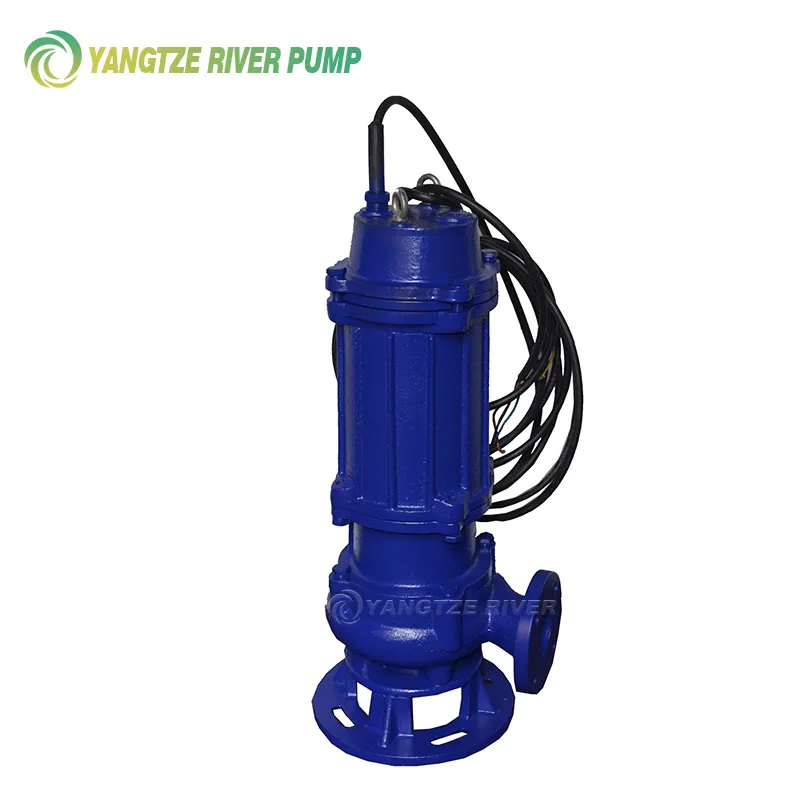

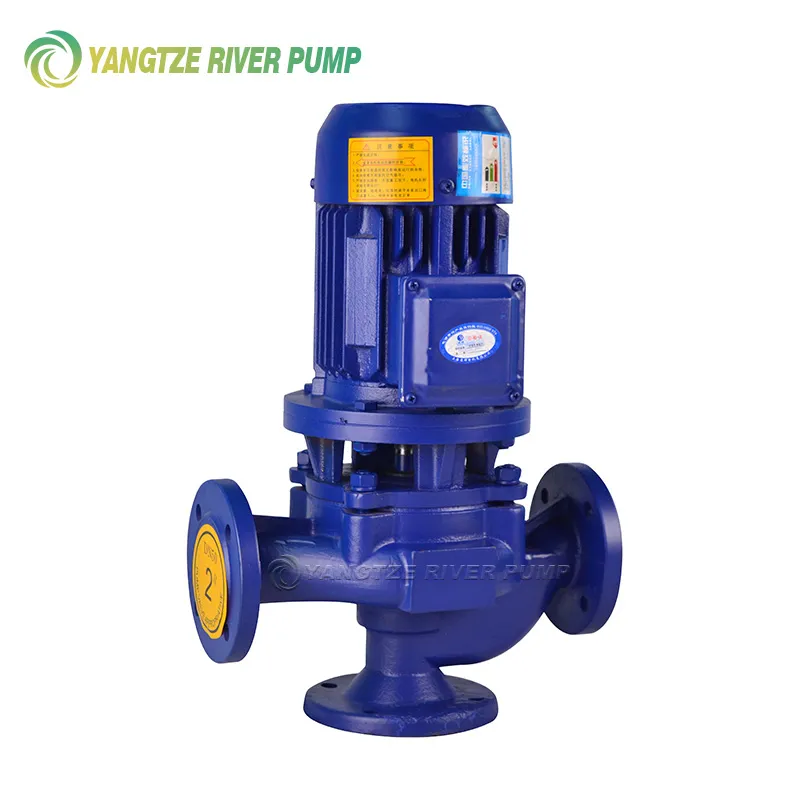
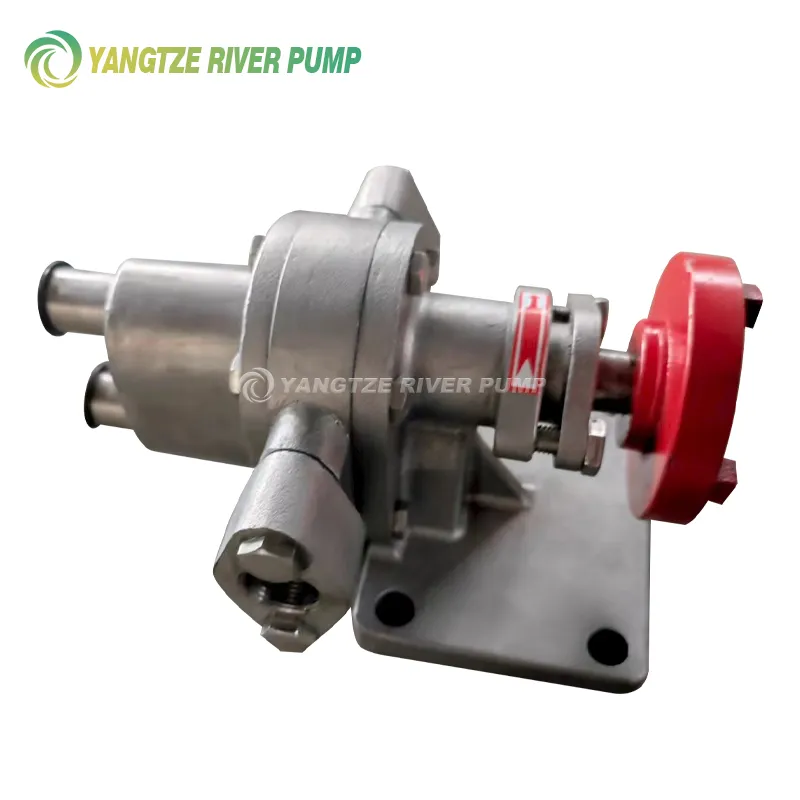

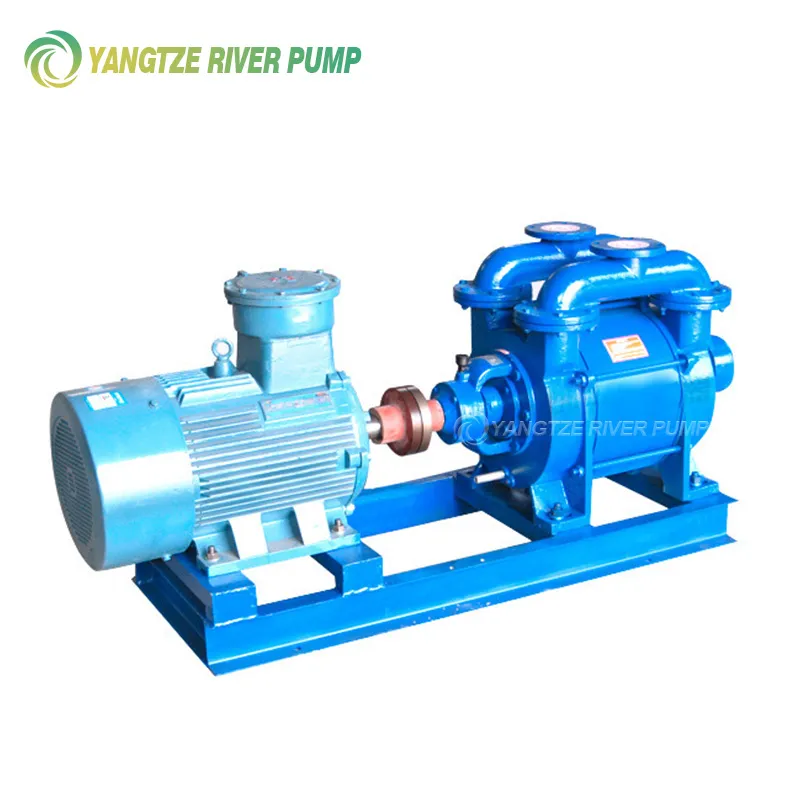
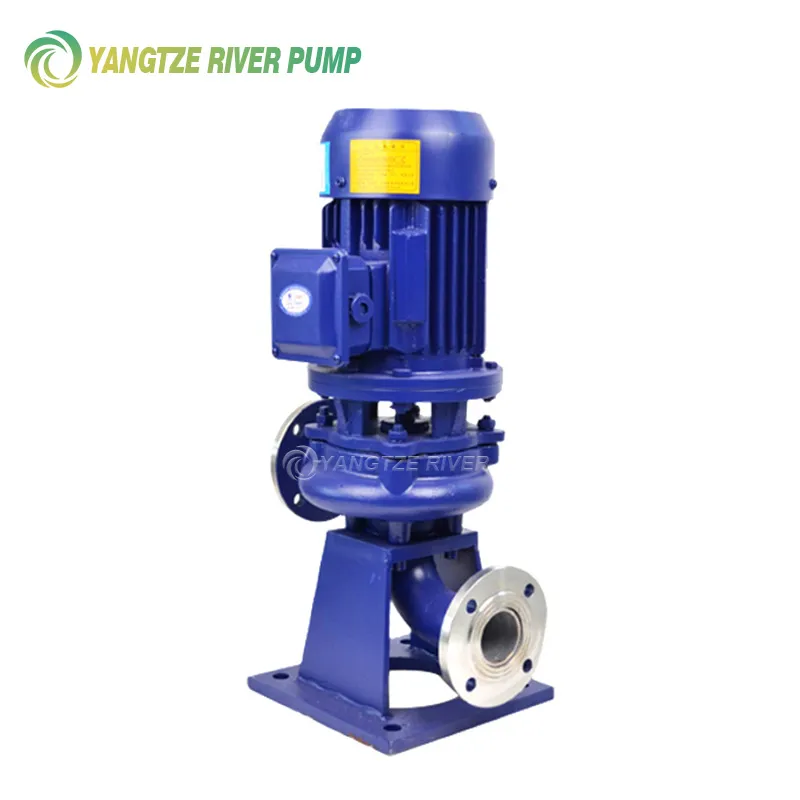

Best Sellingproducts
Best Selling Products-
 Vertical multistage centrifugal pumps made of stainless steel (light series) CDL and CDLF
-
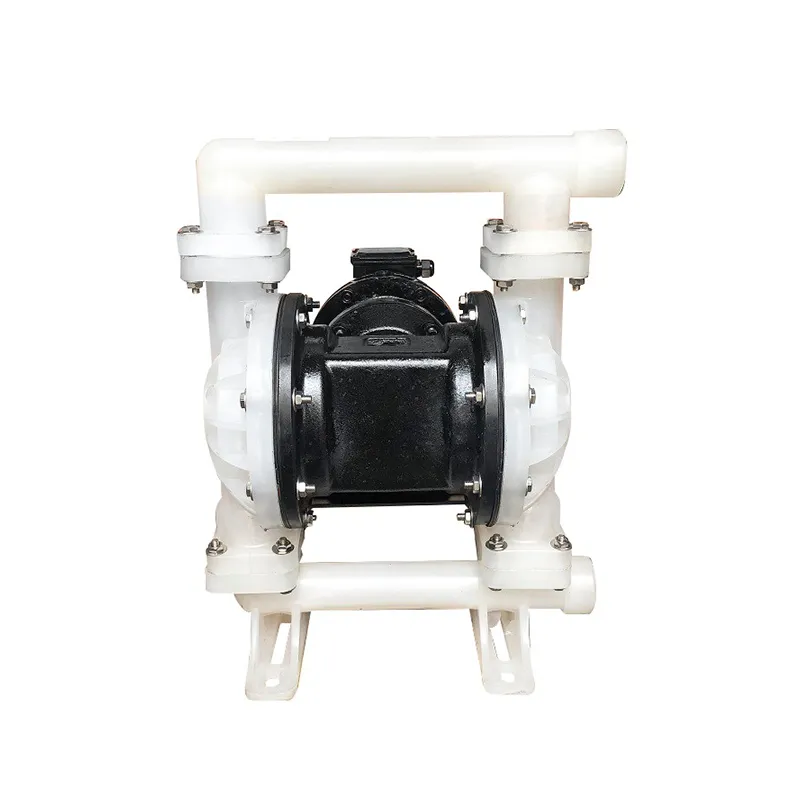 DBY Non-Metallic Electric Diaphragm Pumps
-
 Plastic self-priming centrifugal pumps FP and FS
-
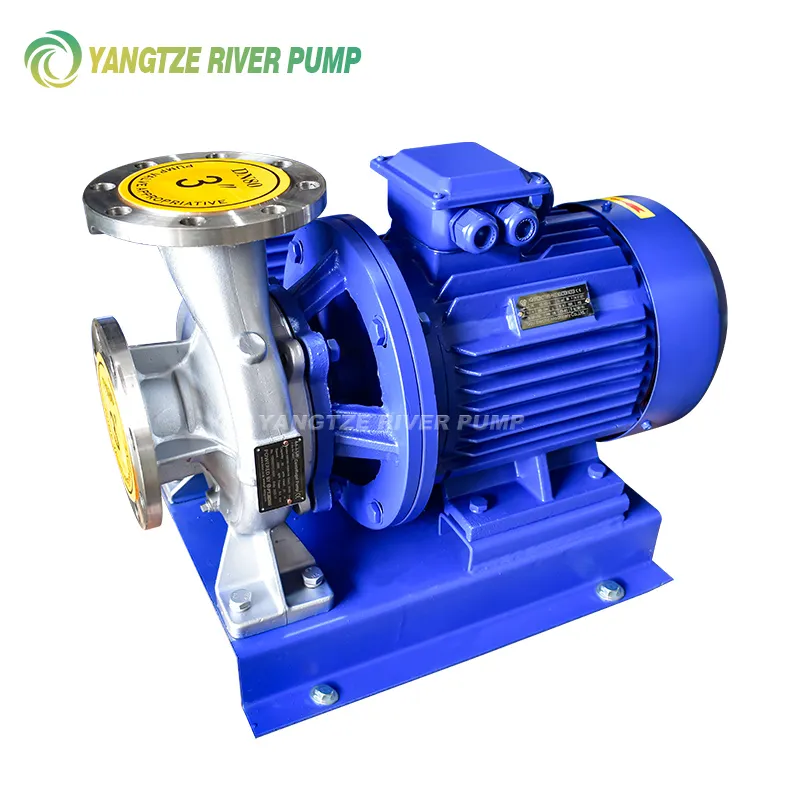 ISW and ISWH Single Stage Horizontal Pipeline Centrifugal Pumps
-
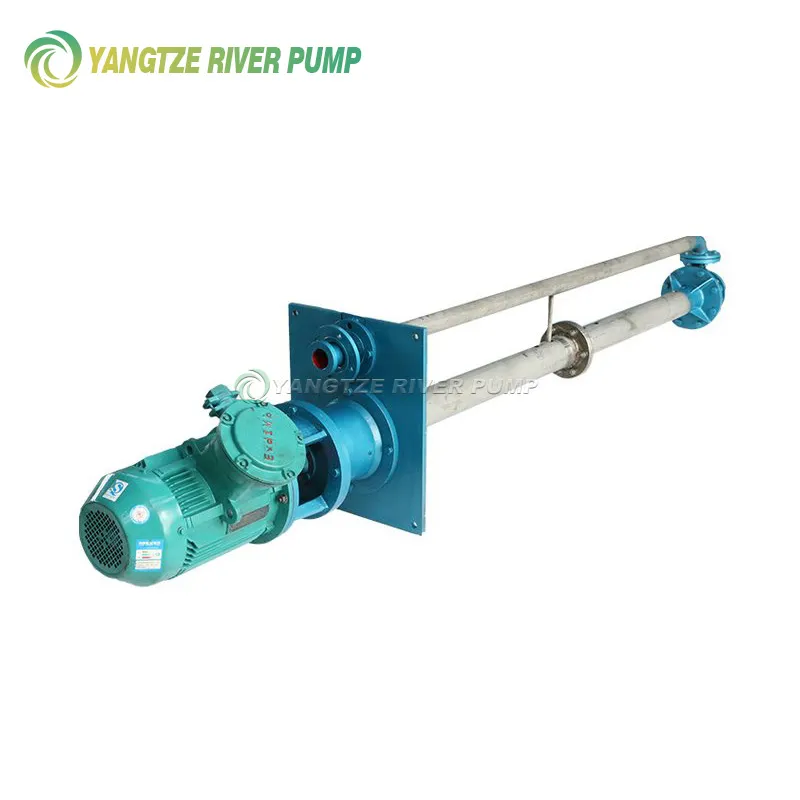 FY Submersible Chemical Pumps
-
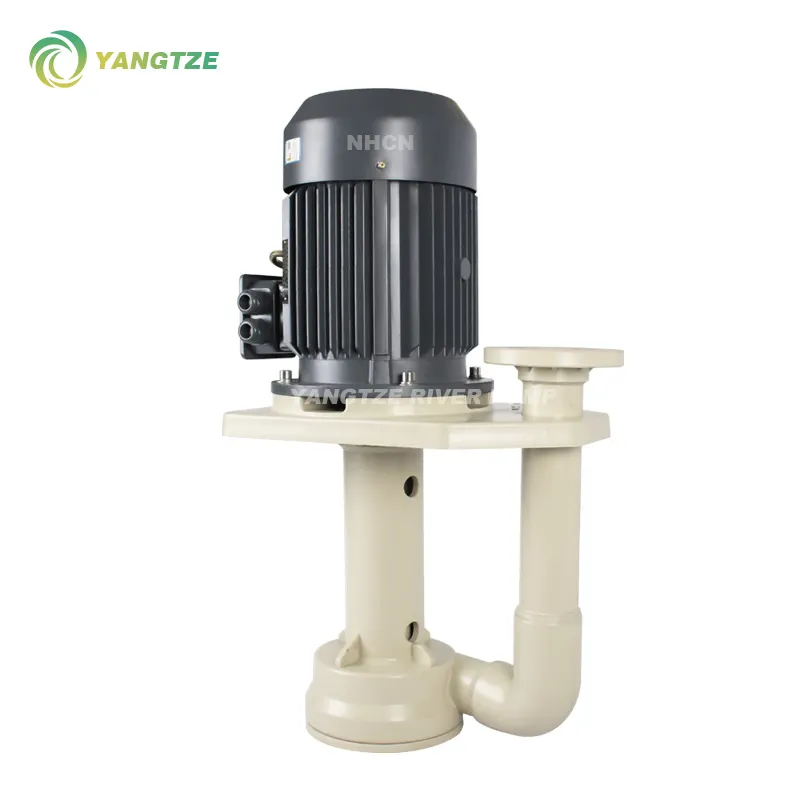 Vertical pumps for installation inside/outside tanks YZCN and YZCW
-
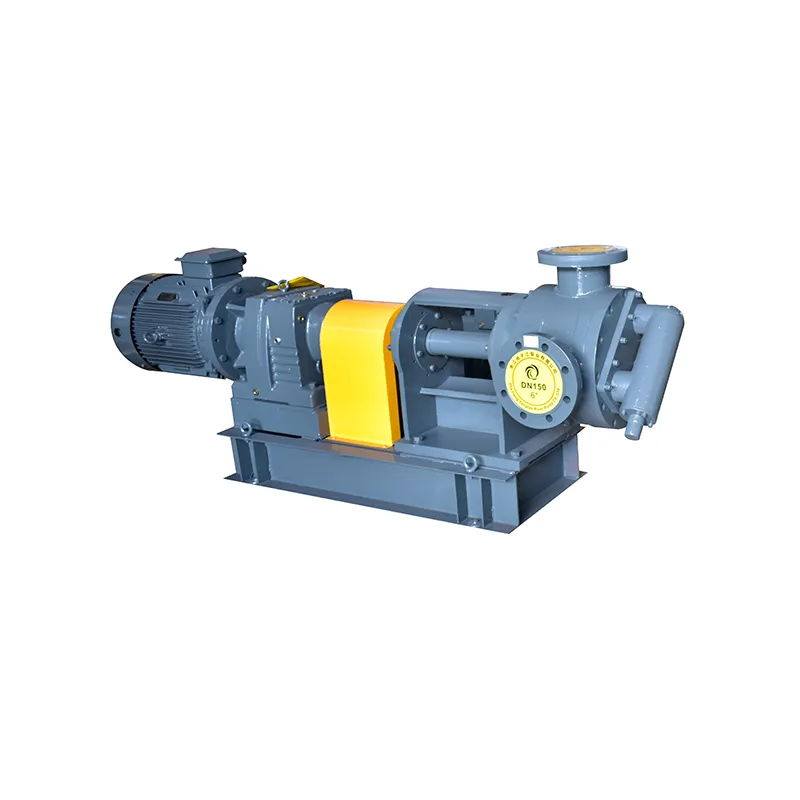 NYP High Viscosity Internal Gear Pumps
-
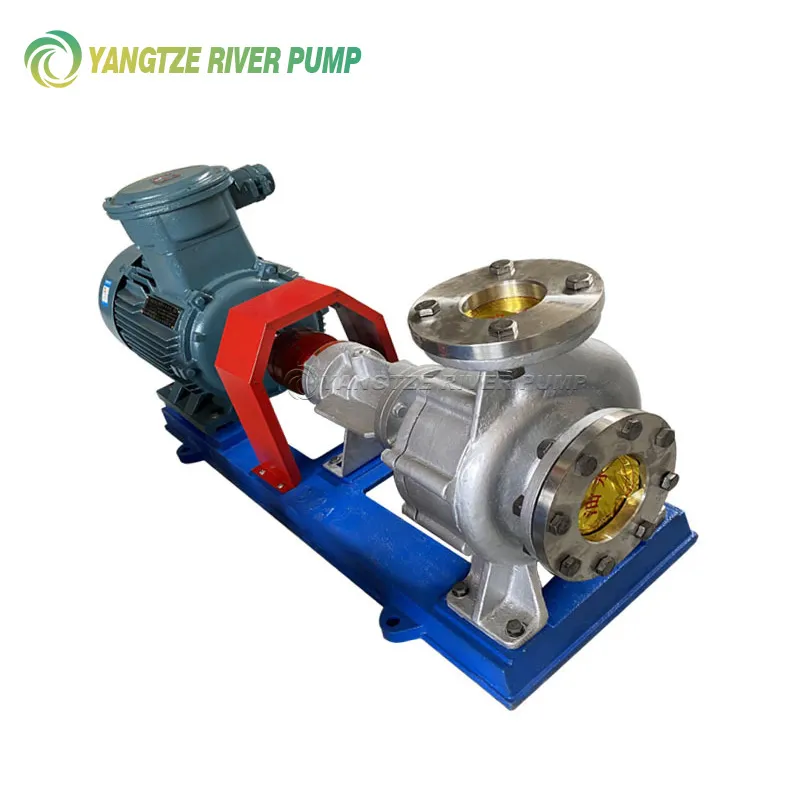 RY thermal oil pumps
-
 Horizontal multistage pumps for feeding DG boilers
-
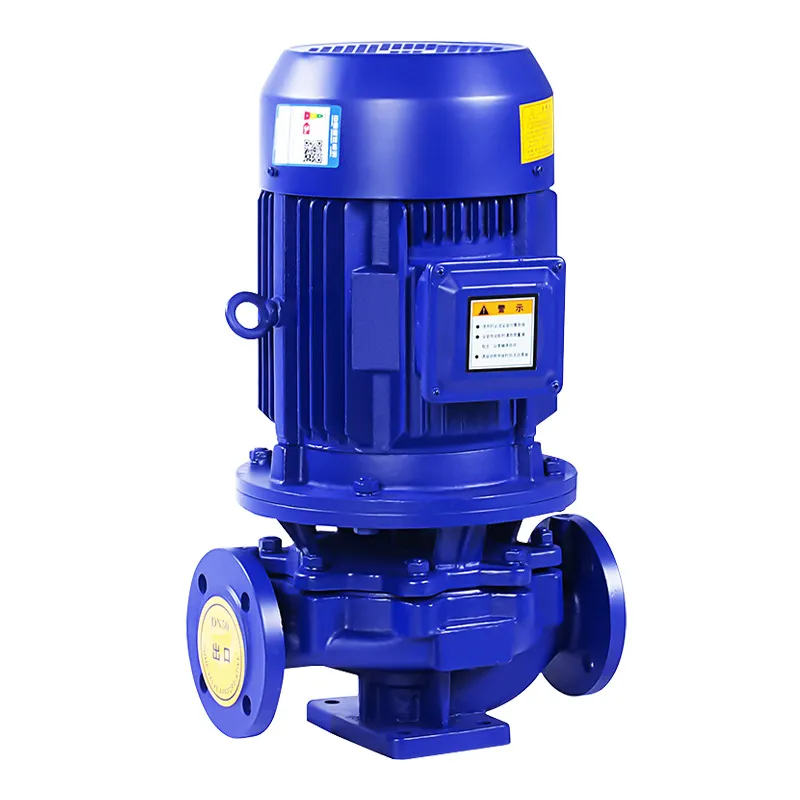 Vertical single-stage pipeline centrifugal pumps ISG and IHG
-
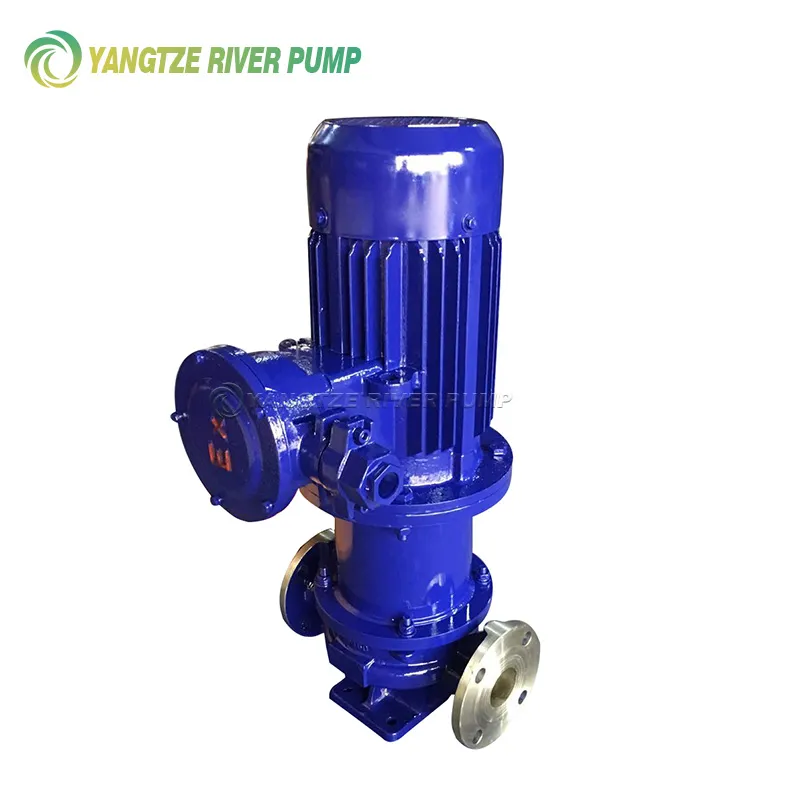 Vertical magnetic pumps CQB-L
-
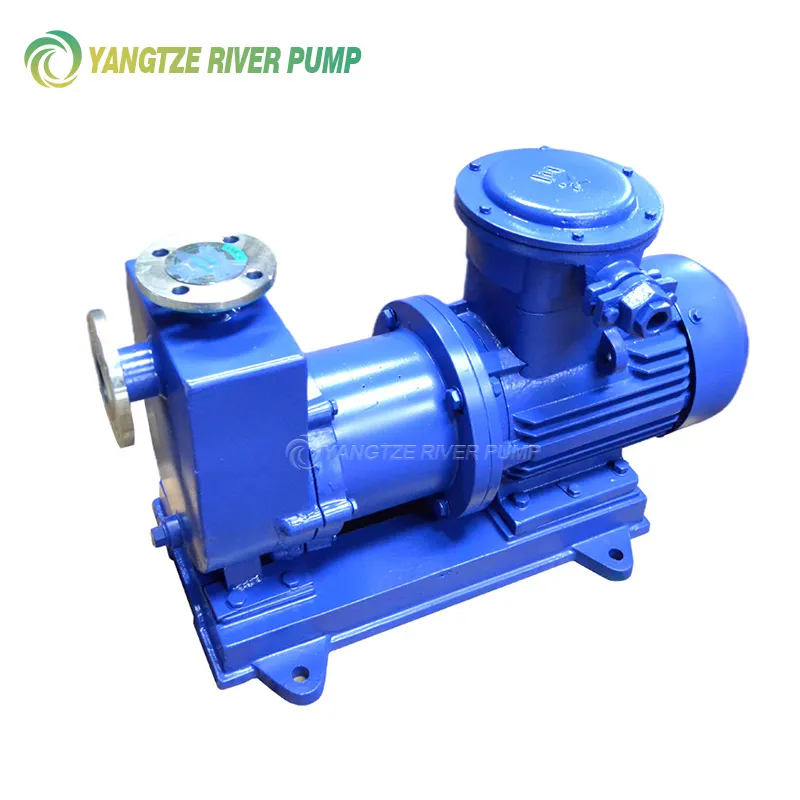 ZCQ Stainless Steel Self-Priming Magnetic Pumps