







deep well pump 100
When you hear the request “deep pump for well 100”, the first thing that comes to mind for many is to simply select a unit with the appropriate maximum immersion depth. But here lies the main trap: ?100 meters? - this is not only depth, it is a whole set of conditions - static/dynamic level, flow rate, casing diameter, and most importantly - the required pressure for the house water supply system. I often come across the fact that people choose a pump based on only one number in the passport, and then they wonder why the pressure in the tap is weak or the system constantly runs dry.
What does “100 meter pump” actually mean?
Strictly speaking, most modern multi-stage well pumps are capable of lifting water from both 100 and 120 meters. But the key parameter is the pressure created. For a well of 100 meters, it is necessary that the pump not only “hold out?” water to the surface, but also provided pressure in the house wiring and compensated for losses in horizontal sections. Therefore, I always look at the characteristic curve: for such depths, the headroom must be substantial, at least 20-30 meters above the diving depth. Otherwise you will suffer.
Another nuance is the material. For constant work at such depths, a stainless steel housing is not a whim, but a necessity. Plastic, even reinforced plastic, is questionable in the long term. In my practice, I prefer to work with trusted manufacturers, where the design is initially designed for high loads. For example, in the assortmentZhejiang Yangzijiang Pumping Industry Co.,LtdThere are a series of multi-stage submersible pumps that are specifically designed for such tasks - durable steel, ceramic-graphite seals, resistant to abrasive. This is not an advertisement, but a statement: when you see on the siteyangtzeriverpump.rudescription of the full cycle from R&D to testing, you understand that the product is not a handicraft.
And yes, “dynamic level?” - this is what I constantly struggle with. The client says: “well 100 meters?”. You arrive, measure it - the dynamic level is set at 70 meters during pumping. This completely changes the calculus! The pump needs to be lowered lower, but not to the very bottom, of course. And its productivity should be less than the well's flow rate. Otherwise - silting and a repeat call in six months.
Costly installation mistakes
The most common story is saving on cables and cables. The cable must be water-submersible, waterproofed, and designed for complete immersion. A regular PVA in a well is a time bomb. It’s the same with the cable - it’s stainless, you can’t do without it. I have seen cases where “masters” The pump was secured with a nylon rope. A year later, it rubbed against the wellhead, and the pump remained at the bottom. Costly extraction guaranteed.
Another point is the check valve. It is often placed directly at the pump outlet. But if the height of the water column is large, a powerful water hammer occurs when the pump is turned off. It is better to install the valve at the top, in the caisson, plus use a water hammer damper. This extends the life of the entire system. By the way, some lines, for example, the samemultistage centrifugal pumpsfrom Yangtzejiang, the design already includes elements to soften starting loads, which is critical for deep wells.
And never neglect installing a dry running sensor, especially if the well flow rate is small. At a hundred meters the pump running “dry” even a minute, it can fail irrevocably. Most often it cannot be repaired - it overheats and the engine jams. This is not to mention the fact that climbing to such a depth is a costly operation in itself.
From practice: the case of a sand well
I had an object, a classic “sandy” one. well for limestone, declared depth 105 meters. The owners installed an inexpensive vibration pump. After 4 months - a drop in productivity, extraneous noise. When we climbed up, we saw that the impellers of a standard centrifugal pump (not a vibration pump, there was a mistake in the first words) were practically erased by sand. The mistake is in the very choice of pump type - for media with abrasive, either special wear-resistant models are needed, or, ideally, auger (screw) pumps.
I had to redo it. Picked upsingle screw pumpwith large clearances and reinforced seals. These are the solutions, by the way, that are in the Yangtzejiang company’s product line. They cope well with sand and fine suspended matter. It was important to correctly calculate the pumping speed so as not to provoke an influx of sand. The system has been operating for more than two years, with replacement of coarse filters once a season - normal operation.
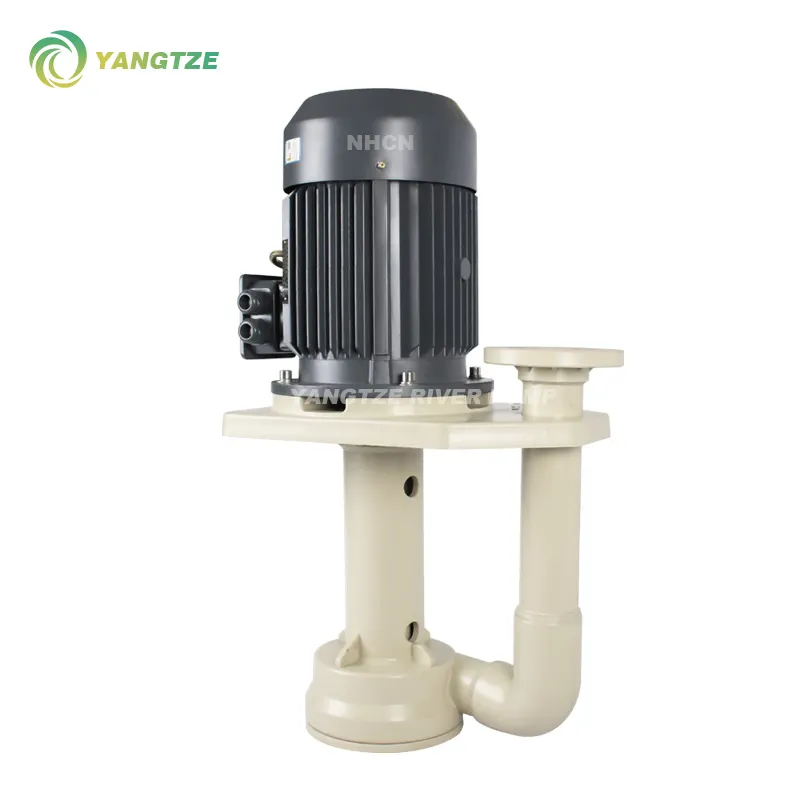
This case once again confirmed: depth is only one of the parameters. The chemical composition of water, the presence of mechanical particles - all this dictates the choice of material and type of working body. Looking at the descriptionplastic chemical pumpson the website yangtzeriverpump.ru, you understand that aggressive environments require their own solutions, and sand needs its own. Universal "pump for 100 meters" does not exist.
About service and “longevity?” systems
Many people think that they installed a pump in a well and forgot about it for 10 years. Alas, this is not true. Even the highest qualitydeep well pumprequires attention. At least once every year or two, it is advisable to lift it and do a visual inspection: the condition of the cable, cable, check the insulation resistance. Problems often start with small things - the electrical tape on the coupling has frayed, the clamp has become loose.
The operating mode greatly affects the resource. A pump that constantly turns on and off (for example, due to an incorrectly selected or faulty automation system) wears out faster than one that operates on long cycles. Therefore, proper calculation of the hydraulic accumulator and setting of the pressure switch is half the success. For deep wells, I often recommend using frequency conversion to allow the pump to ramp up to rated power smoothly. This reduces the load on the mechanics and electrical network.
Here I return to the issue of an integrated approach. When a manufacturer such asZhejiang Yangzijiang Pumping Industry Co.,Ltd, declares a full cycle - from research to service, this is just about longevity. Because the pump was designed taking into account these loads, tested on a stand, and, what is important, you can get competent advice on piping for it. This is not just a piece of hardware in a box.
Summary: how not to make a mistake with your choice
So, to summarize the bitter and sweet experience. First, don’t get hung up on the number “100”. You need real passport data of the well (flow rate, levels). Second, consider not only the depth, but also the pressure you need in the system. Third, evaluate the quality of the water (sand, iron). This will determine the type and material of the pump.
Fourth - do not skimp on “consumables”: cable, cable, pipe. Fifth, consider a protection system (dry running, soft start). And sixth, consider the pump not as a separate item, but as part of the system. Sometimes it is better to take a model that is a little more expensive, but with better efficiency and reliable bearings - at such depths, its replacement costs more than the difference in price itself.
In the end, the task of a deep-well pump is to work for years without reminding itself. And this is achieved not by magic, but by precise calculations, high-quality components and an understanding of what is happening in that very well a hundred meters below. And yes, the presence of the supplier’s own test benches and a full production cycle, like the mentioned company, is a good indicator that they really thought about durability issues.
Correspondingproducts
Related Products



Best Sellingproducts
Best Selling Products-
 Non-clogging self-priming wastewater pumps ZW
-
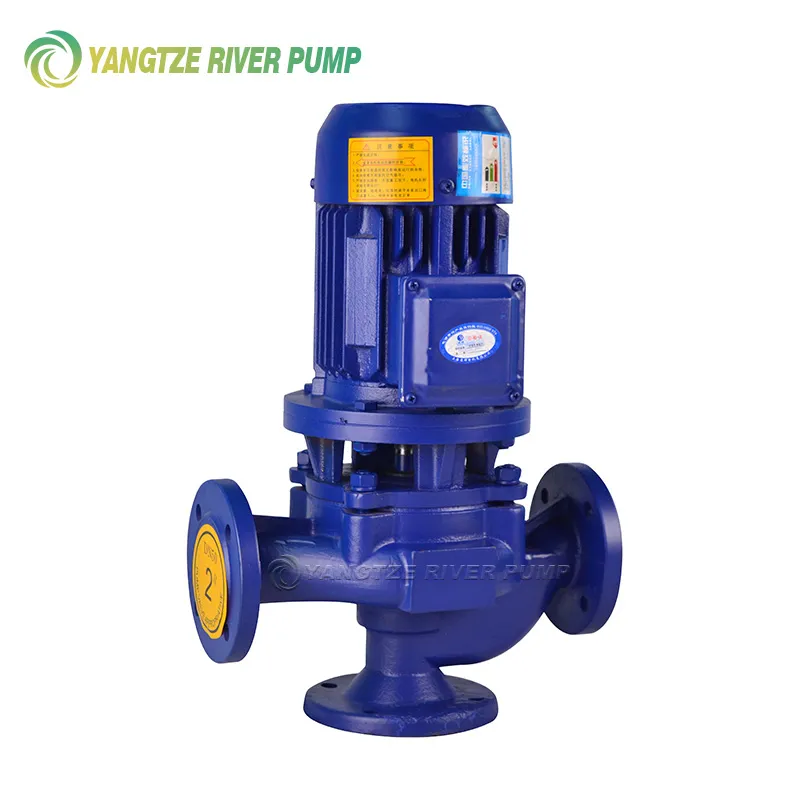 Pipeline wastewater pumps GW
-
 Metal pneumatic diaphragm pumps QBK
-
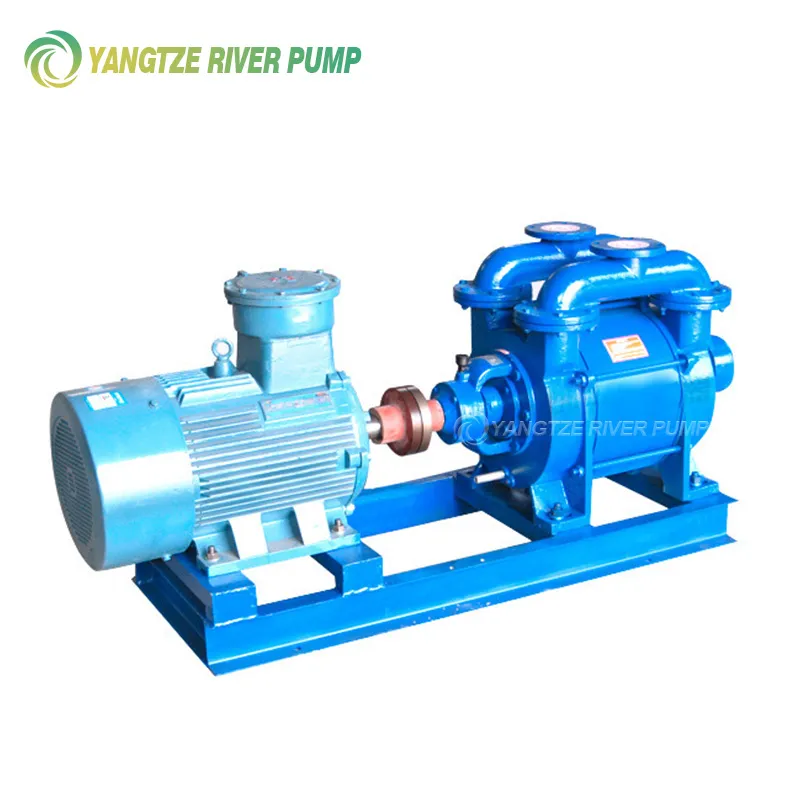 Liquid ring vacuum pumps type SK
-
 YW Vertical Submersible Sewage Pumps
-
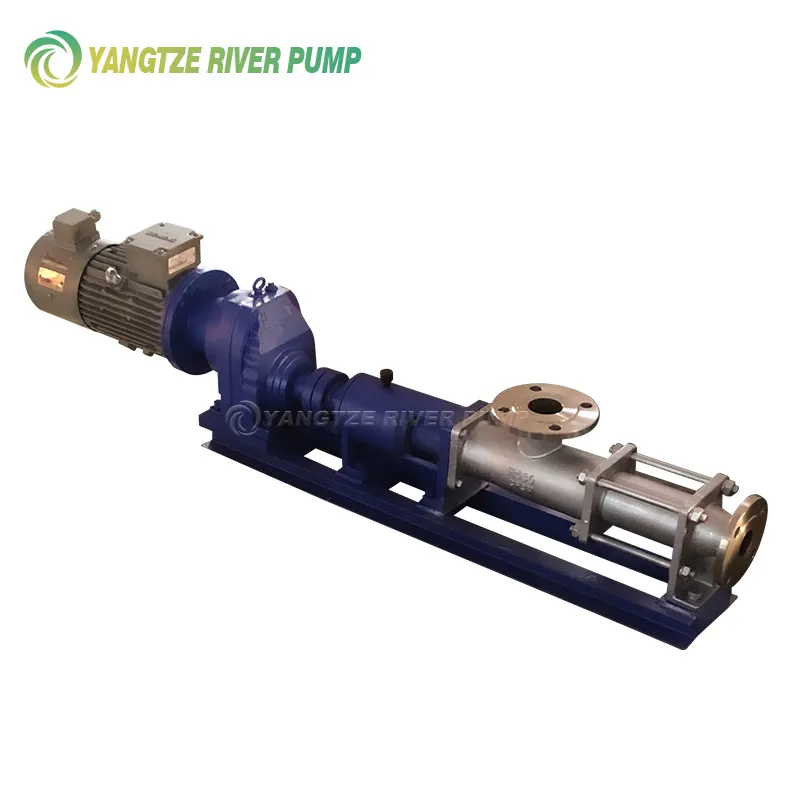 Geared screw pumps type G
-
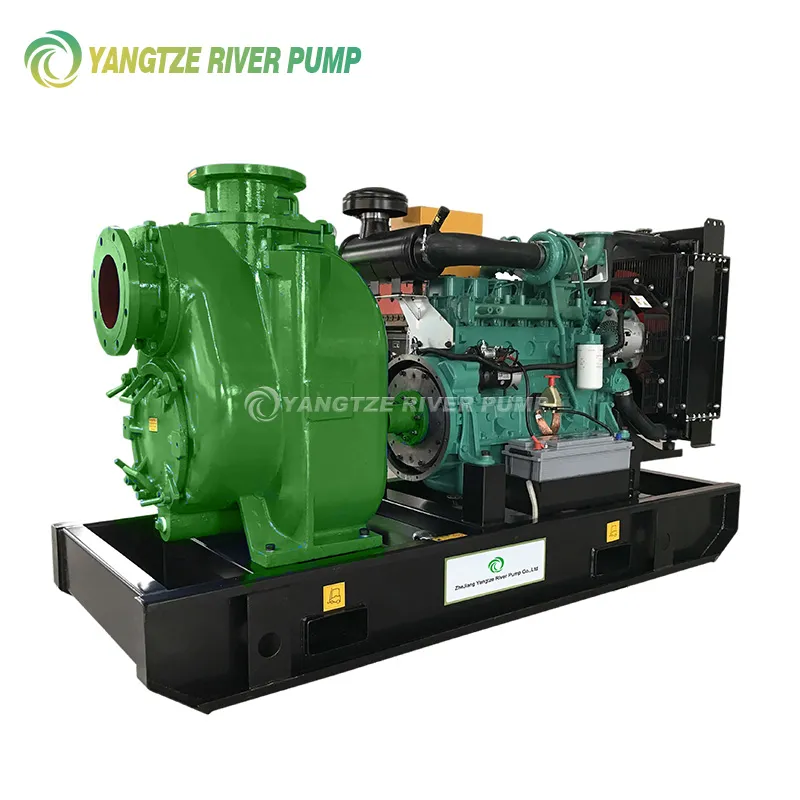 YZSP Diesel Self-Priming Pumps
-
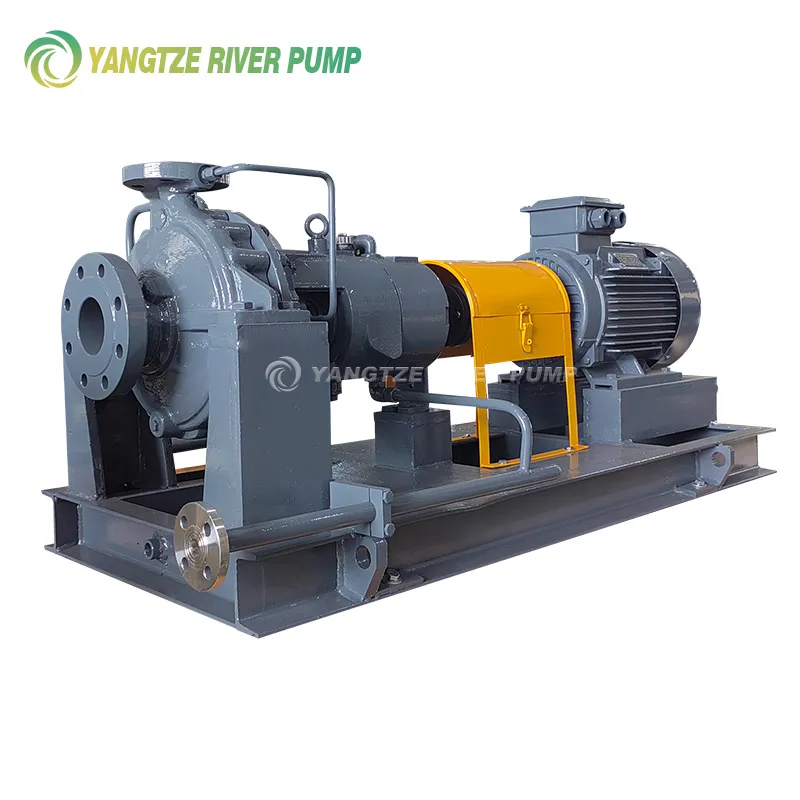 Petrochemical Process Pumps API 610 YZE
-
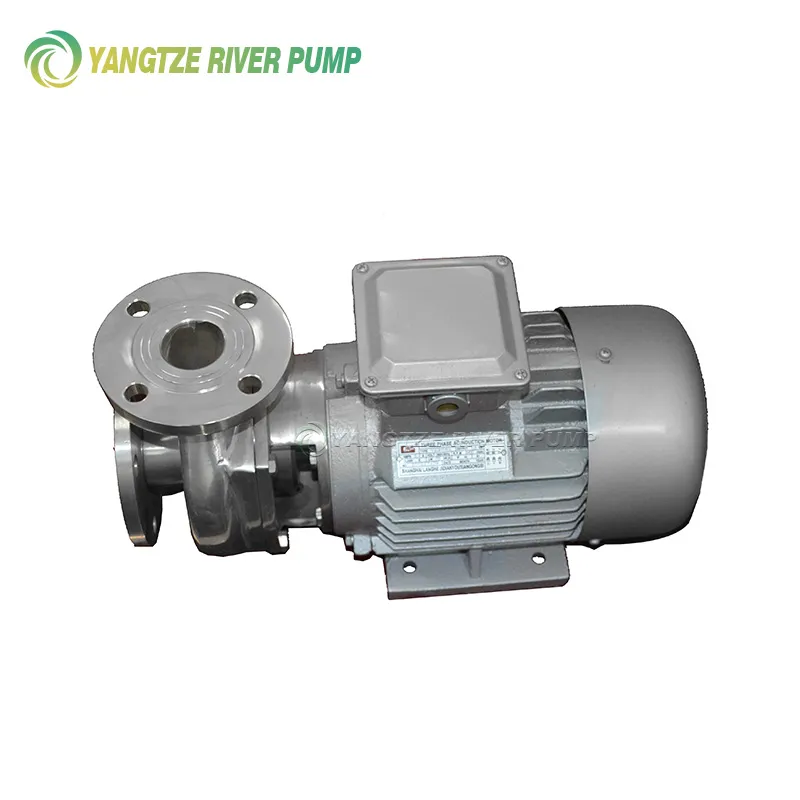 Corrosion-resistant stainless steel centrifugal pumps SFB and SFBX
-
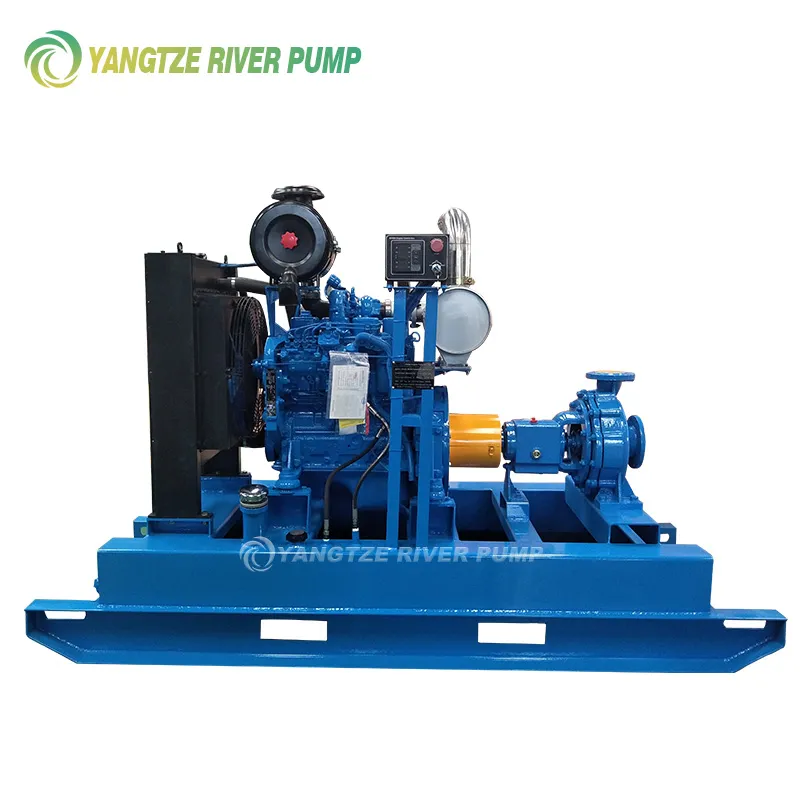 YZIS Diesel Single Stage Centrifugal Pumps
-
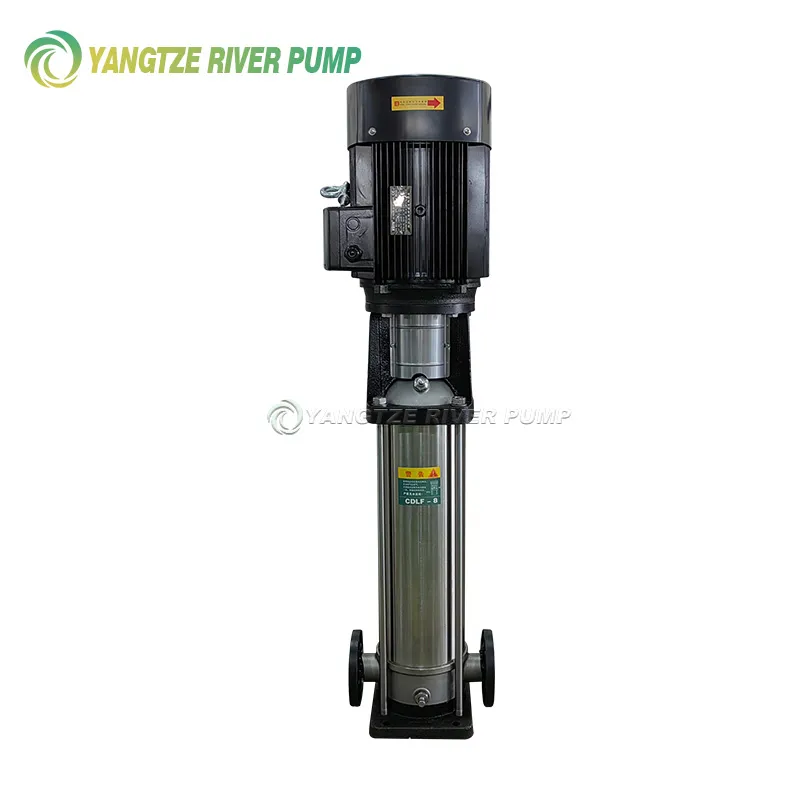 Vertical multistage centrifugal pumps made of stainless steel (light series) CDL and CDLF
-
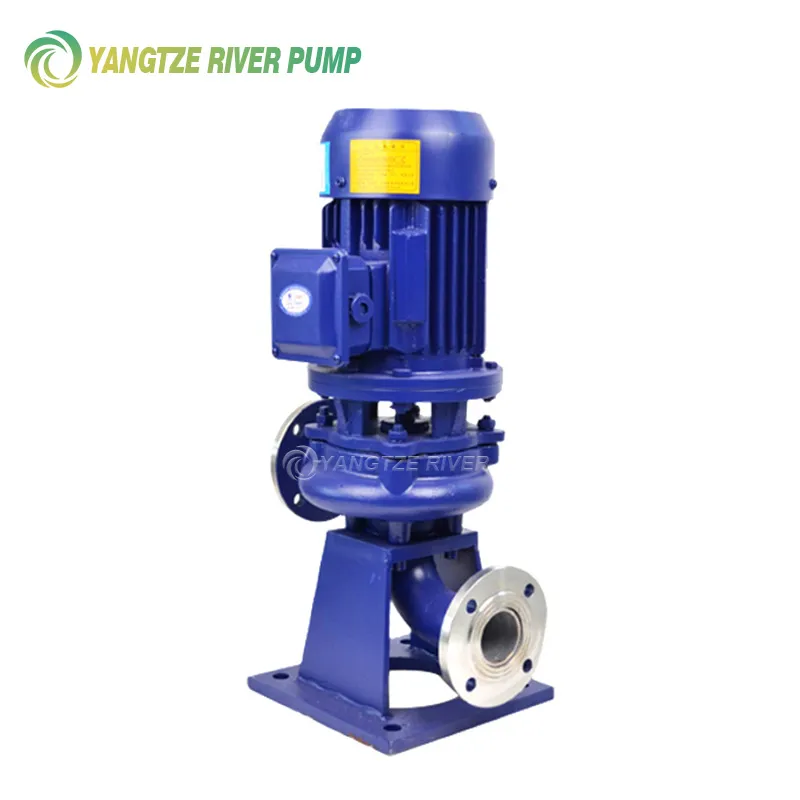 Non-clogging vertical wastewater pumps LW