







deep pump 15 meters
When they say “deep pump 15 meters”, many immediately imagine a standard situation: a well, water somewhere down there, lower the pump - and everything works. But in fact, it is precisely with such seemingly moderate depths that the most tricky mistakes arise. It is often thought that since the depth is shallow, almost any submersible pump will do, but this is not the case. The key point here is not just to “get water from 15 meters,” but to ensure a stable, efficient and long rise, taking into account the dynamic level, well flow rate and the pressure you need in the system. The most common mistake is choosing a pump only based on the nominal immersion depth, without taking into account the fact that it also needs to create pressure in the horizontal distribution around the house or for irrigation.
Why exactly 15 meters is not such an easy task
From my experience, orders for wells of about 15 meters are one of the most common for private homes. And this is where the fun begins. Often the static water level is high, say, at 5-6 meters, and the pump is lowered approximately by 12. It seems that there is a reserve. But when turned on, especially with intensive water extraction, the dynamic level can quickly drop by the same 3-4 meters. If the pump is installed without sufficient depth relative to the dynamic level, it will begin to “snap” air, work under overload and will soon fail. Therefore fordeep-well pump 15 metersIt is critically important to look not at the rated depth, but at its ability to work with a possible drop in the water surface. Inexpensive models often have a small margin of permissible immersion depth, and when the level fluctuates, their resource is sharply reduced.
Another nuance is water quality. At such depths, especially in sandy wells, the water is rarely perfectly clean. Fine suspension, sand is an abrasive for impellers. A pump that is not designed for such conditions, even if it is powerful and beautifully pumps clean water during testing, can “eat?” your hydraulics for the season. I've seen customers replace two pumps in a year until they installed a model with reinforced, abrasion-resistant impellers, often made from polymer composites. It is not always more expensive, you just need to choose the right design from the beginning.
And the third point is power supply and control. At 15 meters the cable already has a noticeable length, voltage drop is a real problem, especially in older networks. A weak starting torque due to low voltage may simply not allow the pump to spin up, and frequent starting attempts will burn out the winding. Therefore, I always insist on checking the voltage directly at the pump terminals during a test run, and not at the shield. And select the appropriate automation, with protection against dry running and overloads, which will monitor not only the pressure, but also the motor current.
Selection experience and mistakes that can be avoided
In the past, we often recommended universal multistage well pumps for such applications. They provide good pressure, which is important for a two-story house or for pressure irrigation. But over time, it became clear that special models are better suited for shallow but possible sand wells. For example, some linessubmersible pumpswith lower water intake and open impeller, less sensitive to sand. Or, conversely, pumps with a built-in multi-stage system, but in a stainless steel case rather than plastic - although they are more expensive, they last many times longer in difficult conditions.
There was an illustrative case at a summer cottage near Moscow. Well 16 meters, static level 7 meters. The client, on the advice of a "knowledgeable" a neighbor bought a powerful centrifugal pump designed for 30 meters. It seems like there is a huge supply. But the pump was too productive for the flow rate of this well. It pumped out water faster than it came in, dry running protection was triggered, and the pump was constantly turned off. The owner suffered from interruptions in water supply. The solution turned out to be replacement with a less productive but more suitable model. The pump's performance must correspond to the well's flow rate, and not be the maximum possible.
Hence the conclusion: before choosingdeep well pumpIt is imperative to know not only the depth of the well, but also its passport data - static/dynamic level and flow rate. If you don’t have a passport, these parameters need to be measured. At least approximately. This will save both money and nerves. People often save on consulting a hydrogeologist or installer, and then spend twice as much on replacing equipment.
Equipment and approach to reliability
Lately, for standard tasks - home, cottage, water supply from a shallow well - we are increasingly paying attention to the products of companies with a full control cycle. It is important when the manufacturer is responsible for both development and testing. For example, atZhejiang Yangzijiang Pumping Industry Co.,LtdThe range includes models that perform well at depths of about 15 meters. Their website -yangtzeriverpump.ru- useful to study not for advertising, but to understand their approach. Eight complete production lines, including its own R&D and testing, are an indication that the product is internally controlled and not simply assembled from third-party components.
What exactly might be suitable? From their line, multi-stage ones are interesting for our conditionscentrifugal pumpsmade of stainless steel. They are precisely designed to create high pressure at a relatively shallow fence depth. That is, a pump lowered to 12 meters will easily give a pressure of 3-4 atmospheres in the system, which is enough for all household needs. Or some modelssubmersible pumpswith sand protection. The key is the presence of tests. If the company itself tests pumps on stands that simulate working with sand, this is already a serious argument.
Of course, no pump lasts forever, especially in difficult conditions. But experience shows that the difference between ?noname? a device and a product from a manufacturer with a developed R&D base - this is a difference of 2-3 years versus 5-7 years of stable service with proper operation. And it’s not only about the materials, but also about the quality of assembly, shaft balancing, and accuracy of fit. All this reduces vibration, which at depth is the main killer of bearings and seals.
Installation and operation: subtleties that are not written about in the instructions
Even the best onedeep pump 15 metersYou can ruin it in a month with improper installation. The first is the suspension. You cannot simply hang the pump on a cable or on an unreliable rope. It is imperative to use a stainless steel cable, and the cable and hose must be secured to it with clamps without tension, with a slight slack. This is necessary so that vibrations from the pump are damped and not transmitted to the connections. A frequent breakdown is a break in the power cable at the seal due to constant voltage.
The second is protection against backflow and water hammer. A mandatory element is a check valve immediately after the pump. And even better - a soft start using a frequency converter or, at a minimum, installing a hydraulic shock absorber (hydraulic accumulator) in the system. Sudden starts and stops of the pump at such a depth create severe stress on the mechanics.
And the third, the simplest, but often neglected - regular, at least once a season, check. Raise the pump, inspect for corrosion, wear, and cleanliness of the water intake grids. This takes half a day, but can prevent a sudden breakdown at the most inopportune moment, for example in winter. Many people think: “I left it and forgot.” This works, but only until the first serious failure.
Instead of a conclusion: a practical selection algorithm
So, if you need a pump for a well of about 15 meters, do not just search by requestdeep pump 15 meters. Take it one step at a time. 1) Find out or measure the real parameters of the well (levels, flow rate). 2) Determine your needs for water flow and the required pressure (pressure). 3) Look for a pump whose maximum immersion depth is at least 25-30% greater than your operating depth (this is the margin for dynamic level drop). 4) Pay attention to materials (stainless steel, resistant polymers for wheels) and the presence of sand protection if the water is not ideal. 5) Choose a manufacturer who designs and tests their own products, such asZhejiang Yangzijiang Pumping Industry Co.,Ltd, where the full cycle from R&D to service allows you to control quality. 6) Do not skimp on installation and wiring (cable, valve, circuit breaker).
This is not a guarantee of eternal operation, but it is a way to ensure that the pump works out its full service life without surprises. In our business, the main thing is not to sell at a higher price, but to select it so that the equipment works silently for years, and the client simply forgets about it. This is exactly what you should strive for when choosing anysubmersible pump, especially for such common but treacherous depths of 15 meters.
And lastly: always keep the contact details of a good service technician on hand. Even the most reliable equipment sometimes requires attention, and the ability to quickly receive qualified assistance is often more valuable than the small initial savings on the purchase itself.
Correspondingproducts
Related Products

Best Sellingproducts
Best Selling Products-
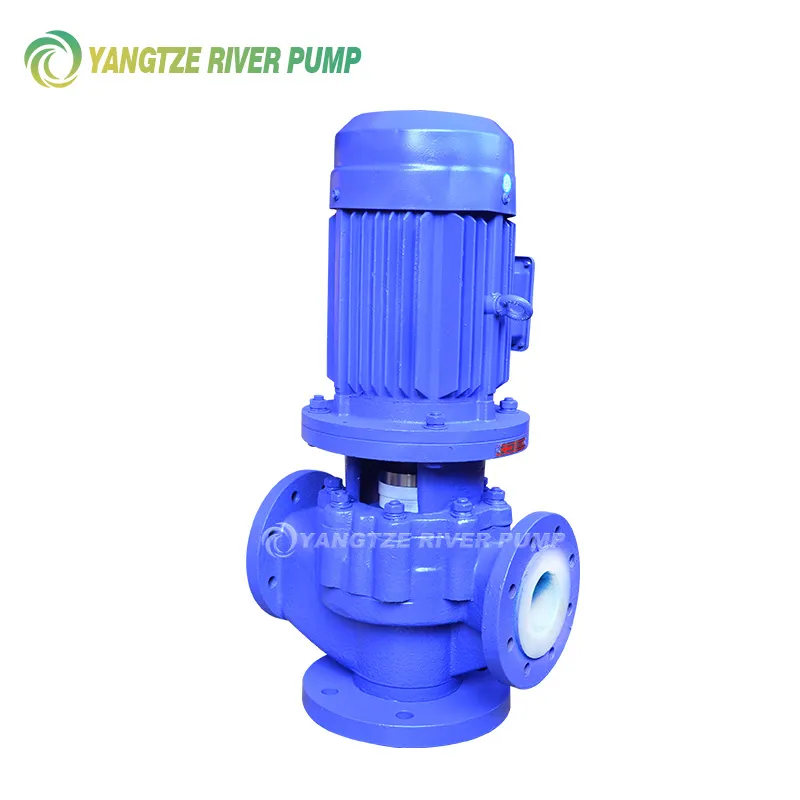 Vertical pumps with PTFE lining YQF
-
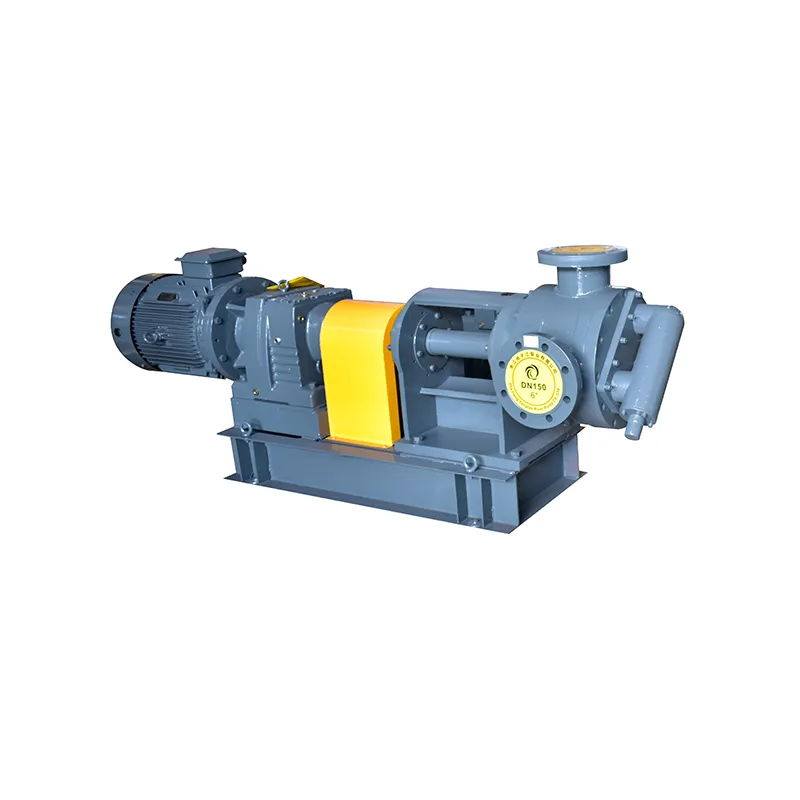 NYP High Viscosity Internal Gear Pumps
-
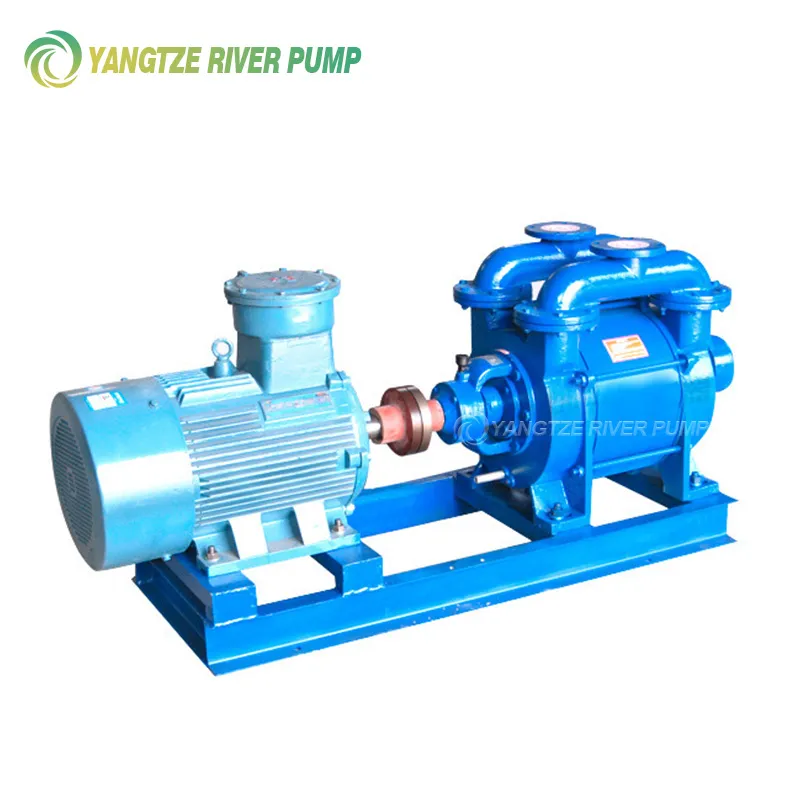 Liquid ring vacuum pumps type SK
-
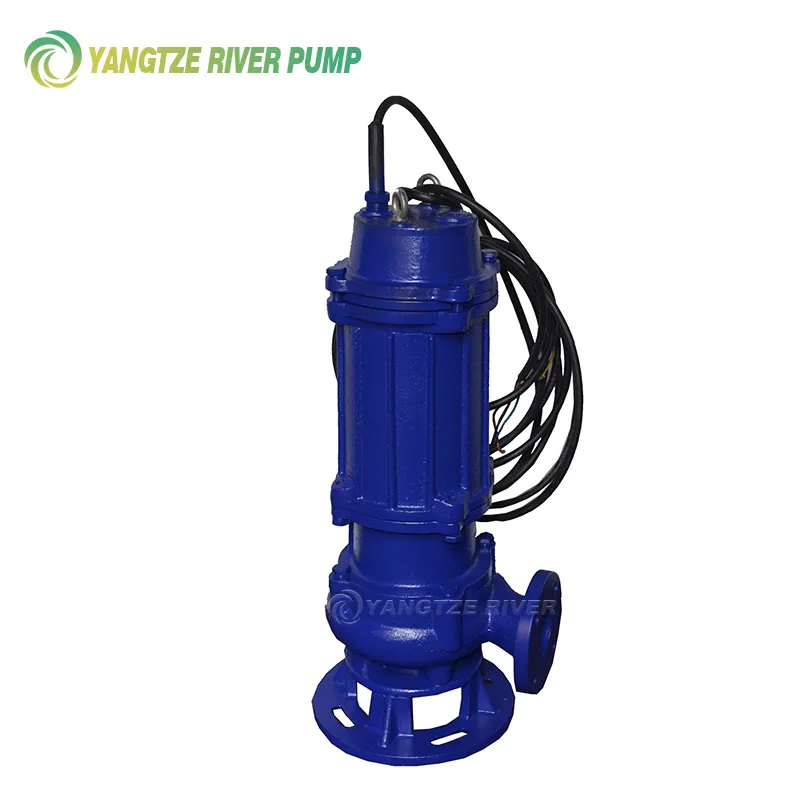 QW Non-clogging Submersible Sewage Pumps
-
 Diesel pumps with horizontal connector YZS and YZSH
-
 Corrosion-resistant stainless steel centrifugal pumps SFB and SFBX
-
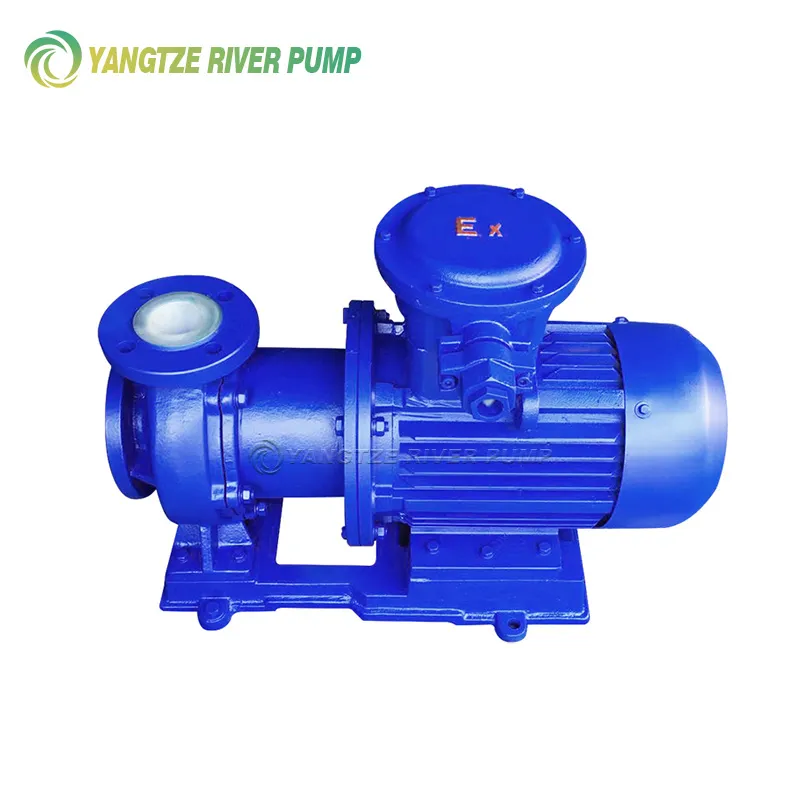 Magnetic pumps with fluoroplastic lining CQB-F
-
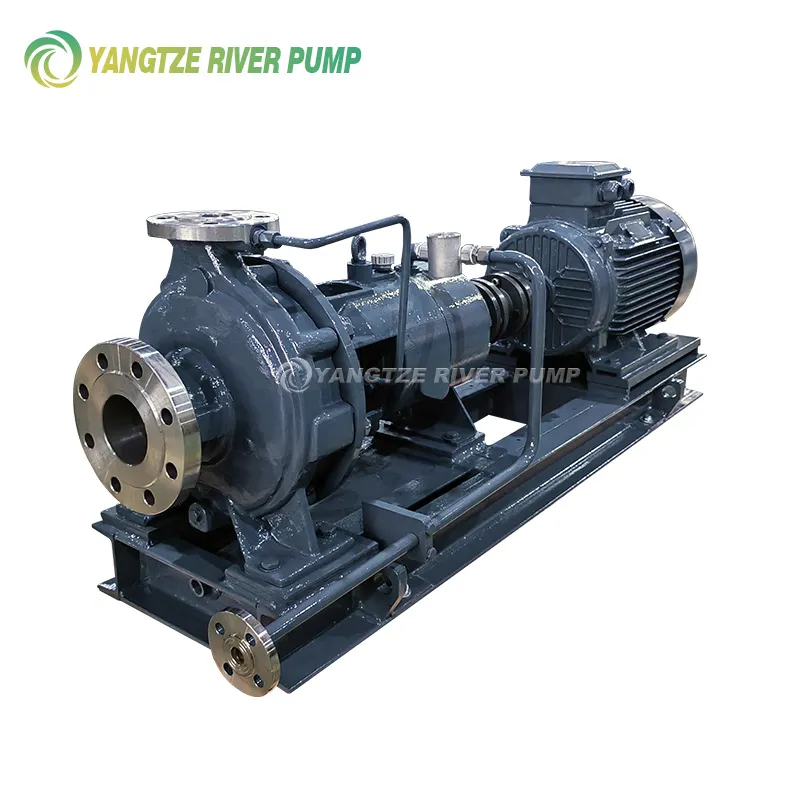 Petrochemical Process Pumps API 610 YZA
-
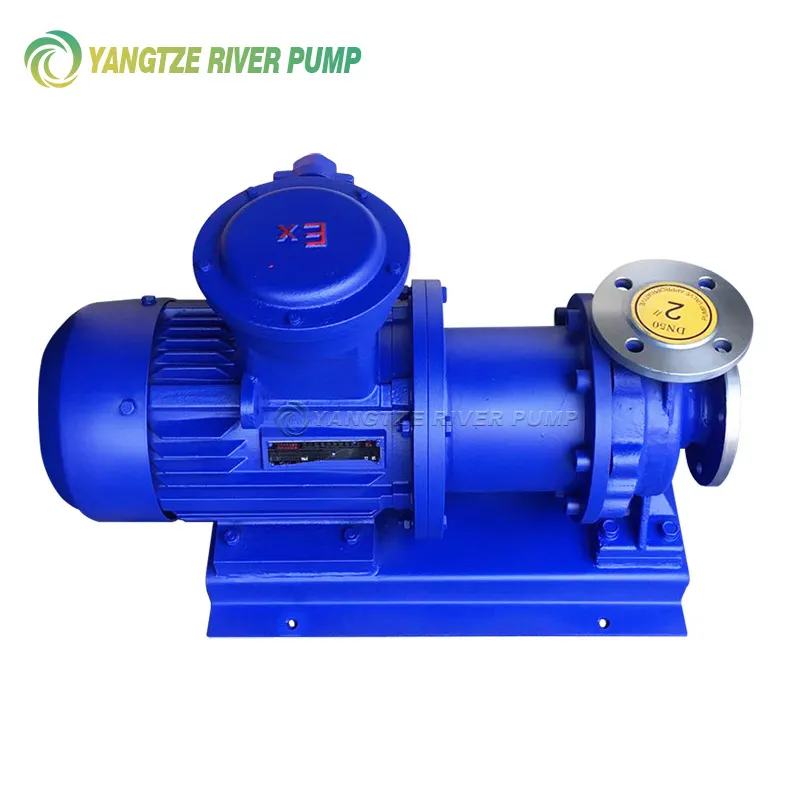 CQB Stainless Steel Magnetic Pumps
-
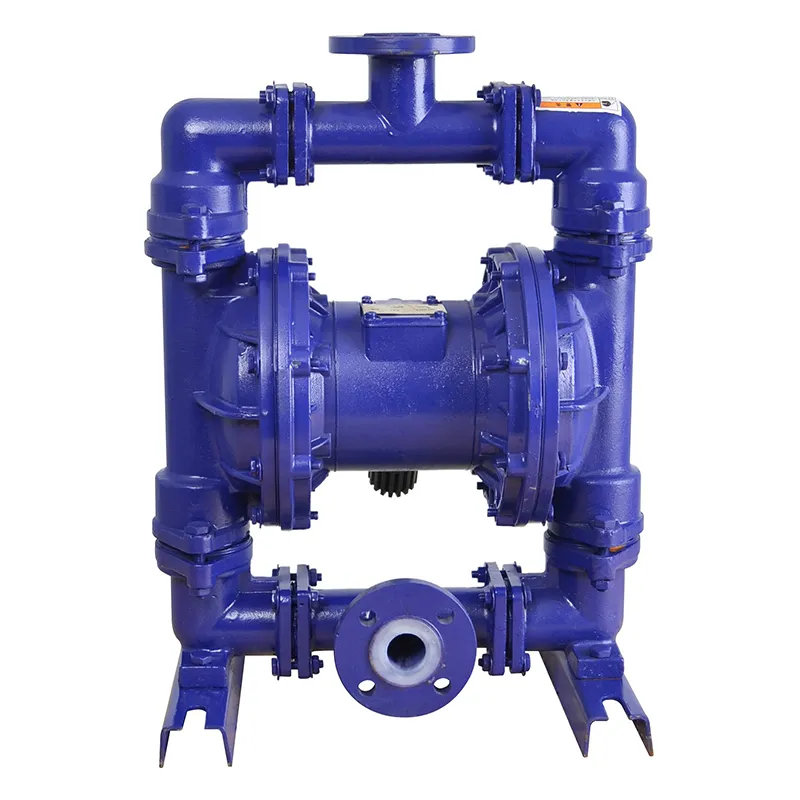 Metal pneumatic diaphragm pumps QBK
-
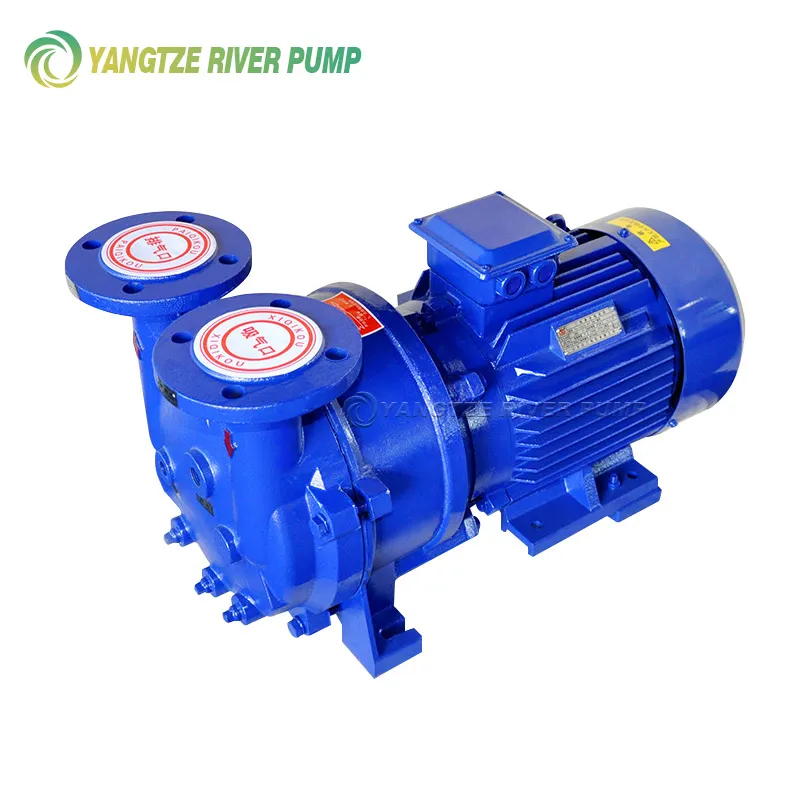 Liquid ring vacuum pumps type SKA and 2BV
-
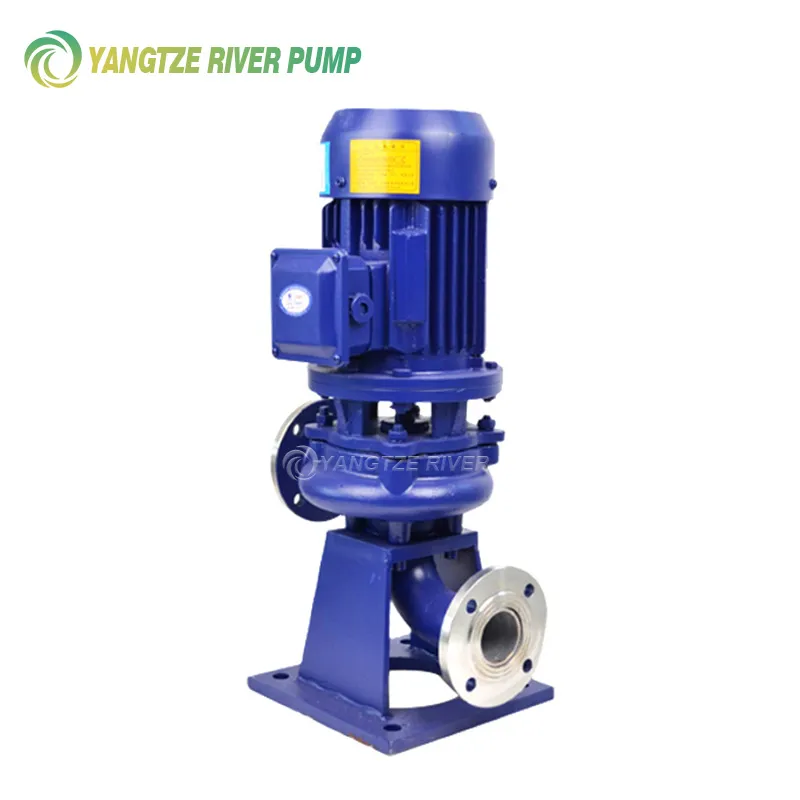 Non-clogging vertical wastewater pumps LW
Relatedsearch
Related Search- magnetic transfer pump
- positive displacement rotary pumps
- CDL Vertical multistage centrifugal pumps made of stainless steel (light series)
- centrifugal pump 2 inches
- Complete frequency control units with constant pressure
- manufacturing of centrifugal pumps
- centrifugal disc pump
- chemical horizontal centrifugal pumps
- gear pumps for fuel oil
- vacuum pump large