







single phase deep well pump
When you hear “single-phase deep-well pump?”, many immediately imagine a simple piece of iron for a summer residence - stuck in a well, plugged into a 220V socket and that’s it. But in practice, if you want the system to work for years without surprises, this is the “simple” one. the pump requires more attention than it seems. I went through this myself, more than once. Especially when it comes to choosing between dozens of models, where the difference in price can be twofold, and in reliability - even more.
Where is the catch with single-phase power?
The main misconception is that a single-phase motor is easier and cheaper to maintain. In part, yes, but its weak point is the trigger point. In a deep well, especially if there is sand or slight siltation, the starting point is critical. A three-phase motor often wins here. But what to do when there is only 220V on the site? There is no time for illusions here - you need to look at the passport of a particular pump: what is its starting torque, does it have built-in protection against “dry running?” and overload. Many budget models suffer from this - the passport is meager, the parameters are blurry.
From personal experience: I once installed a pump at a site where the well was about 30 meters deep. The customer bought an inexpensive "single-phase" with decent pressure according to the passport. And six months later I got a call - the water was flowing in spurts, then it stopped altogether. We took it apart and it turned out that the impellers were partially eaten by sand, and the thermal protection worked too late. The engine survived miraculously. Conclusion - for wells with a risk of sand, a single-phase deep-well pump must be taken with a power reserve and always with a good protection system. Don't skimp on this.
By the way, now some manufacturers, likeZhejiang Yangzijiang Pumping Industry Co.,Ltd, they began to make models specifically for difficult conditions. On their websiteyangtzeriverpump.ruIt’s clear that the line doesn’t just include “submersible pumps,” but separate solutions for different media. It's not just marketing - when a company has a full cycle from R&D to testing, like theirs, there is a chance that the product is truly thought out. But more on that later.
The choice is not based on pressure, but on the characteristics of the well
Everyone is chasing big numbers of pressure and productivity. But the key parameter for a deep-well pump is, oddly enough, the diameter of the casing pipe. Standard "single-phase" often go to 4 inches (about 100 mm). If the well is narrower, you will have to look for a special model, but they are more expensive and there is less choice. An error of a couple of millimeters can lead to the pump simply not going down or overheating due to poor cooling.
Another nuance is the material. For clean water, stainless steel will do, but if the water is highly aggressive (iron, salts), then it is better to look at models with components made of bronze or special polymers. I remember an incident at a dacha cooperative: they installed several identical pumps in wells with different water. A year later, in one - everything is perfect, in the other - corrosion on the body. The difference was precisely in the chemical composition of the water, which was not initially tested.
This is where it’s useful to pay attention to manufacturers with a wide range. For example, the sameZhejiang Yangzijiang Pumping Industry Co.,Ltdin its assortment it indicates not only the types of pumps (centrifugal, self-priming, submersible), but also the materials used. When you see that a company makes both plastic chemical pumps and multistage centrifugal pumps, you can assume that they have competence in selecting materials for different environments. This is important for long service lifesingle-phase deep well pumpin non-ideal conditions.
Installation and first hours of work - what is often missed
The most common installation mistake is incorrect suspension. The pump must not touch the walls or bottom. It would seem obvious. But in reality, they often save on the safety rope by using the same cable or a weak cord. And then they are surprised when, through vibration, the pump “ate” casing pipe or broken. The cable must be made of stainless steel and separately attached to the well head.
The first hours of work are diagnostics. You need to listen: there are no extraneous noises or vibrations. Check whether the pressure in the system is stable and whether there is a drop in performance. Once during startup I overlooked it - the pump worked, but with a slight interruption. It turned out that there was an air pocket in the pipeline due to not entirely even installation. Eliminated - everything returned to normal. A trifle, but can lead to premature wear.
And one more thing about the cable. For a single-phase deep-well pump, the cross-section of the power cable must be generous, especially if the well is deep. Voltage drop over length is the enemy of a single-phase motor. It is better to take a cable with waterproofing, especially for submersible pumps. Savings on cables then come at the expense of repairing or replacing the engine.
Maintenance and typical breakdowns - a look from the inside
The myth that you set a deep-well pump and forget it is tenacious. In fact, even the most reliablesingle phase deep well pumprequires attention. At least once a season, it is worth checking the pressure, flow rate of the well, and, if possible, lifting and inspecting for deposits or mechanical damage. Especially if the pump does not operate constantly, but seasonally.
Typical breakdowns I have encountered: jamming of the impeller due to sand or silt, wear of seals, failure of the starting capacitor (capacitor) in a single-phase motor. The latter is a very common story. The capacitor “gets old”, the capacity drops, the engine cannot reach rated speed, overheats and is switched off by the protection. The solution is to preventively replace the capacitor every few years if the pump is actively working. Cheaper than replacing the engine.
It is interesting that some manufacturers have now begun to make modular designs where it is possible to replace, for example, only the hydraulic part without touching the engine. It's convenient. Judging by the description of the production lines onyangtzeriverpump.ru, where R&D, production and testing are combined, such companies have the opportunity to work out service scenarios. For the end user, this means a potentially lower cost of ownership - a unit has failed, rather than the entire unit.
Where to look when choosing a manufacturer
Price is not the main indicator. A cheap pump is often made from recycled materials, has an unbalanced rotor and poor winding insulation. When choosing, you should request not only a passport, but also, if possible, test reports. A serious manufacturer conducts them and can provide them.
Pay attention to how the company positions itself. If she's just a brand that outsources everything, that's one level of risk. If, as in the case ofZhejiang Yangzijiang Pumping Industry Co.,Ltd, which has its own eight full-cycle production lines, including research and testing, is a different story. This is not a guarantee of eternal work, but it is an indicator that engineers, and not just sales managers, are working on the product. Forsingle-phase deep well pumpsuch a difference can be decisive - there are many nuances in hydraulics and electromechanics.
And the last thing is the availability of service and spare parts. Find out in advance whether you can buy a repair kit, impeller, and seals. If there is nothing for the model and the pump fails after two years, you will be left with useless hardware. It is better to choose models that have been on the market for several years and that have clear service support, be it from the factory itself or from a distributor. This is the very practical little thing that ultimately saves nerves and money.
Correspondingproducts
Related Products

Best Sellingproducts
Best Selling Products-
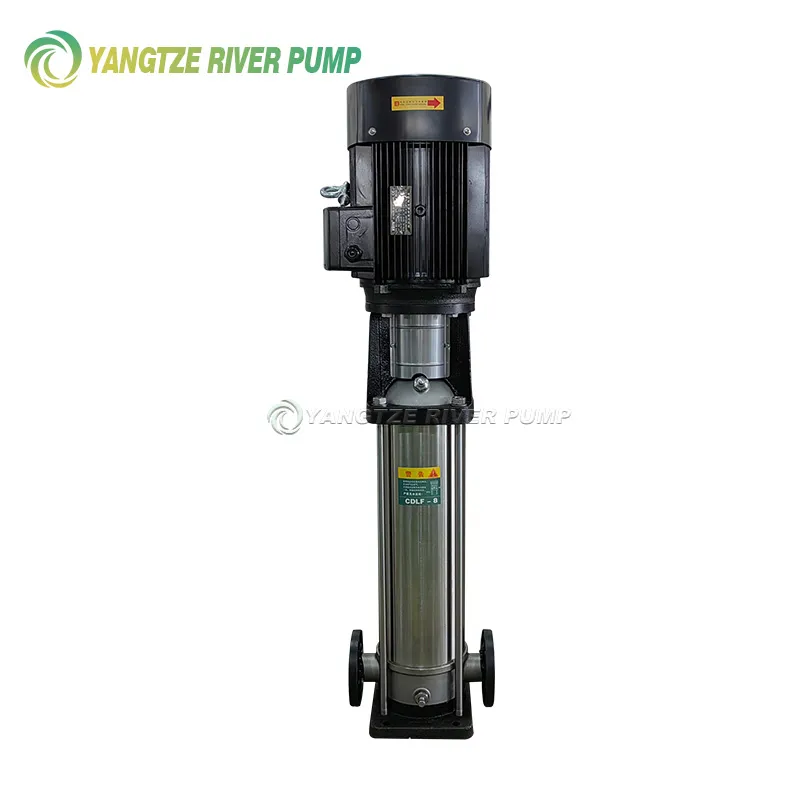 Vertical multistage centrifugal pumps made of stainless steel (light series) CDL and CDLF
-
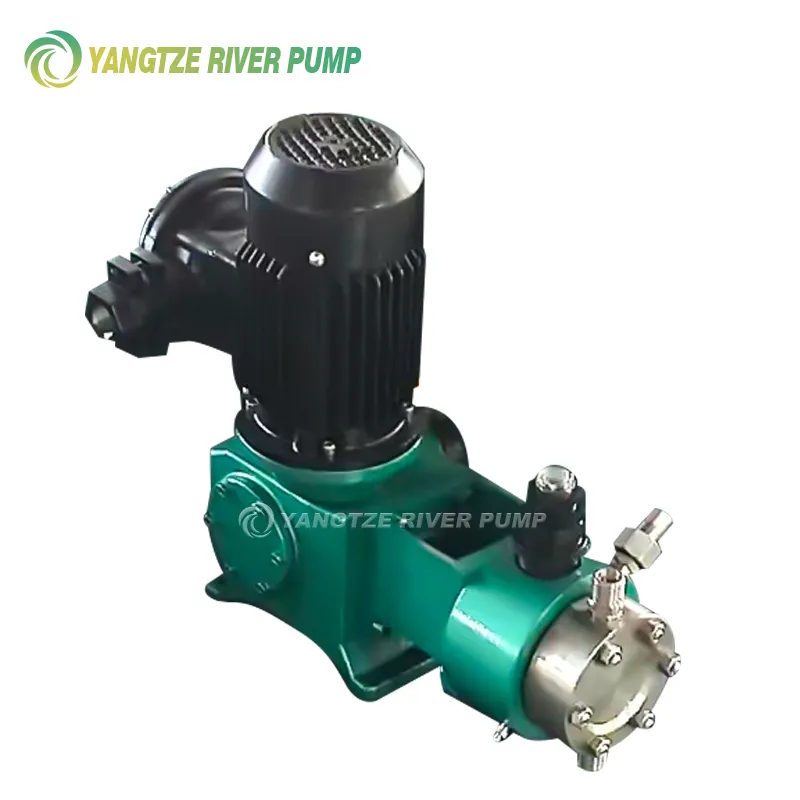 Plunger dosing pumps type DZ-X
-
 Liquid ring vacuum pumps type 2EB
-
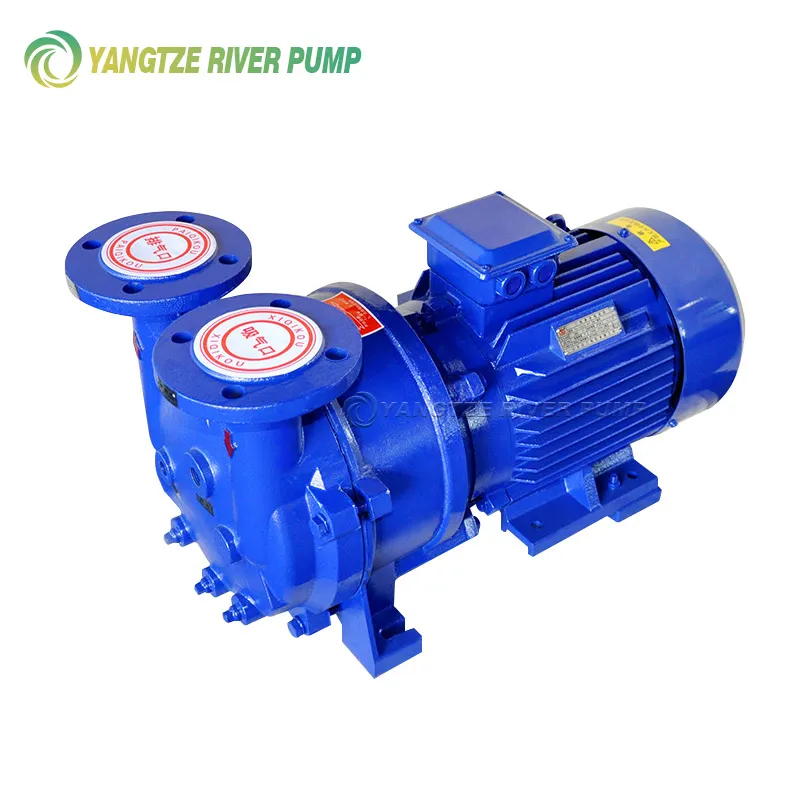 Liquid ring vacuum pumps type SKA and 2BV
-
 YCB Type Circular Gear Pumps
-
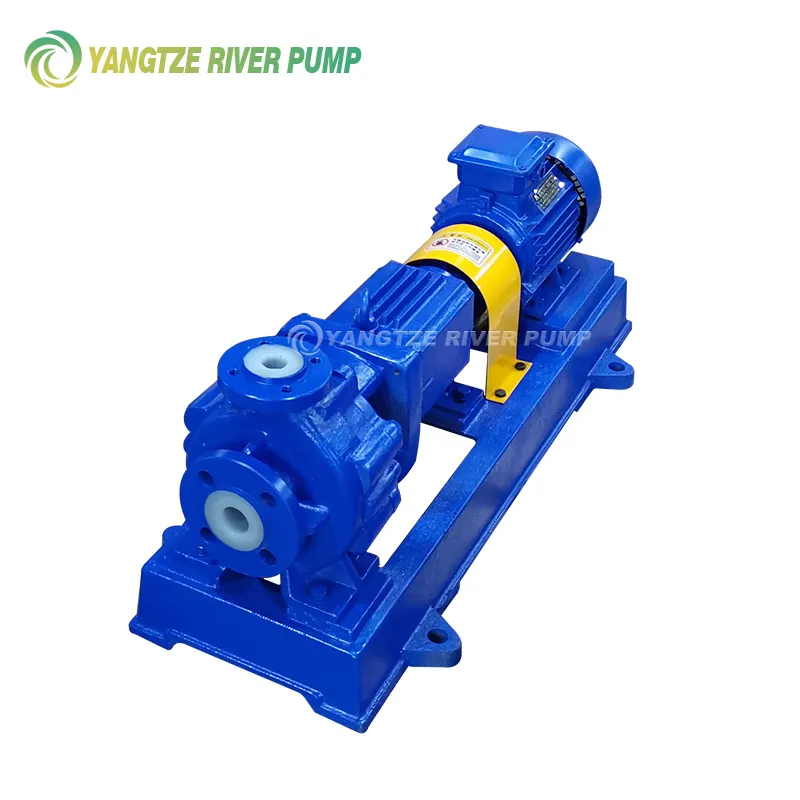 IHF PTFE Chemical Centrifugal Pumps
-
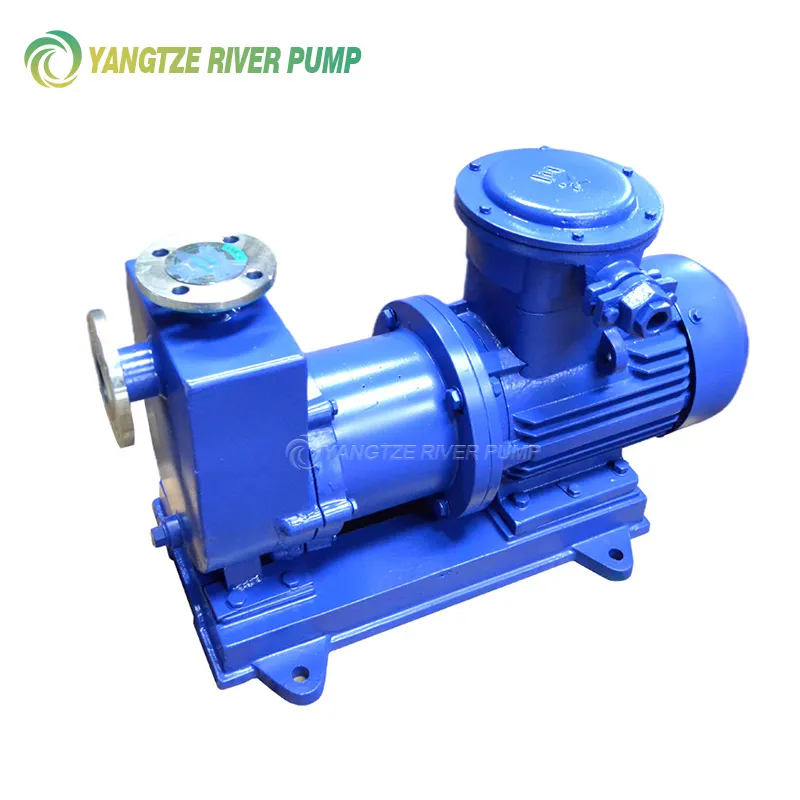 ZCQ Stainless Steel Self-Priming Magnetic Pumps
-
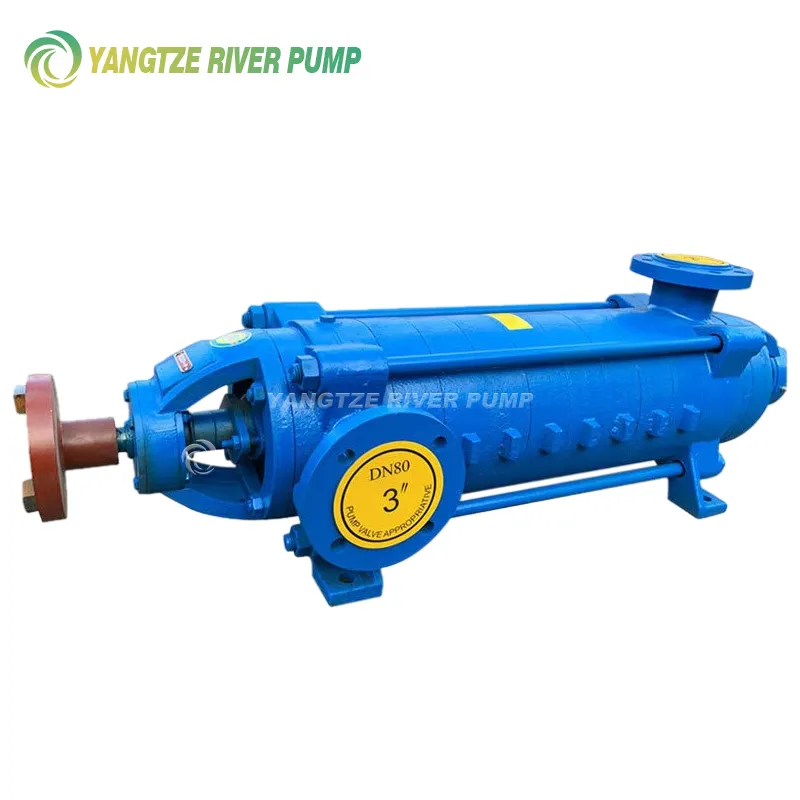 Horizontal multistage pumps for feeding DG boilers
-
 YW Vertical Submersible Sewage Pumps
-
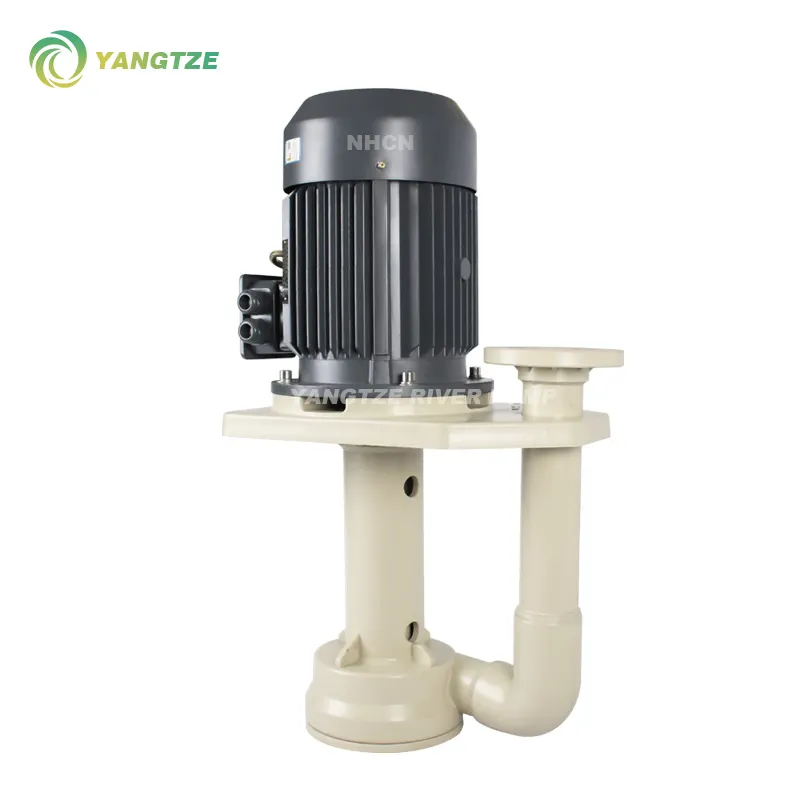 Vertical pumps for installation inside/outside tanks YZCN and YZCW
-
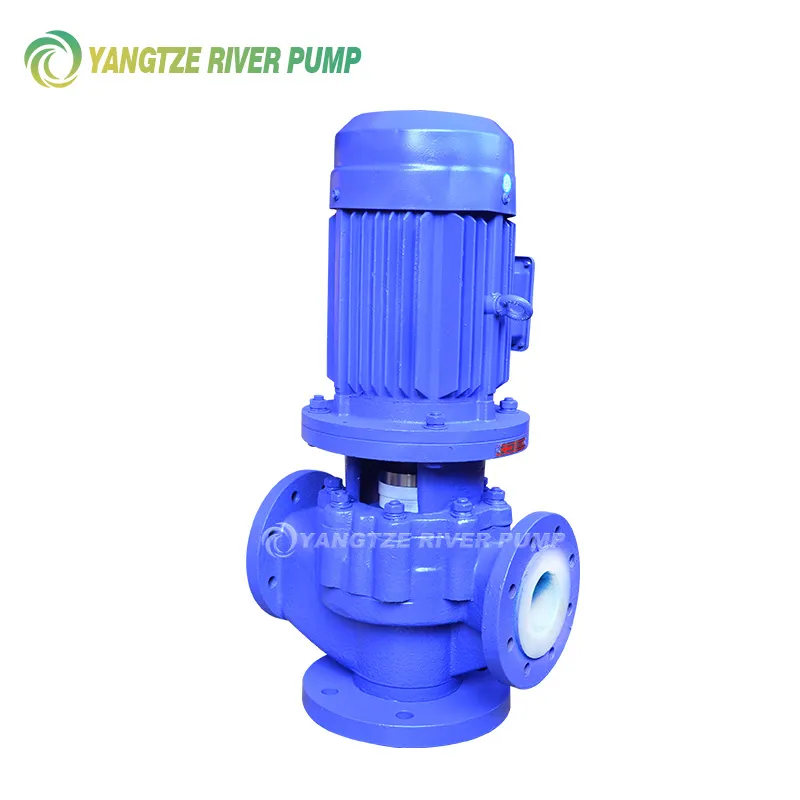 Vertical pumps with PTFE lining YQF
-
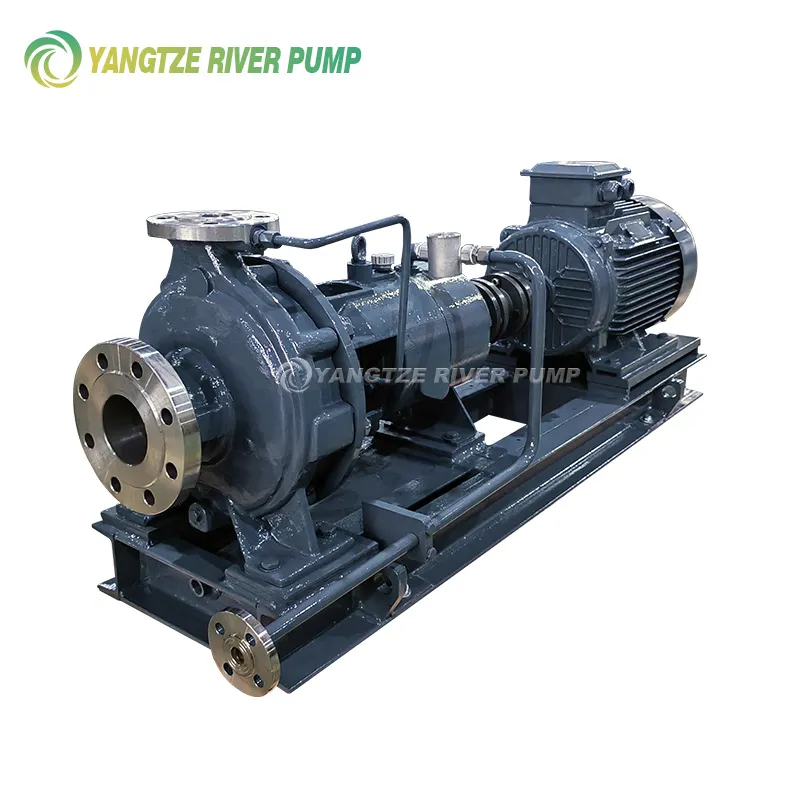 Petrochemical Process Pumps API 610 YZA