







centrifugal pump with magnetic coupling
When they talk aboutcentrifugal pump with magnetic coupling, many people immediately think - well, this is for aggressive environments, so as not to leak. In principle, yes, but if you dig deeper, it’s not just a matter of tightness. It is often overlooked that this is also a question of reliability of torque transmission under conditions of vibration, distortions, and thermal expansion. I myself have worked with different models, and I will say that sometimes problems begin not with chemical resistance, but with the fact that the magnetic drive is poorly balanced with the hydraulic part. This is what I would like to talk about, based on practice.
From idea to metal: where the pitfalls lie
The concept seems simple: two magnets, one outer and one inner, separated by a sealed casing. Rotation is transmitted without contact - ideal for leaks. But when you start assembling or servicing such units, you realize that simplicity is deceptive. For example, the gap between the coupling halves. Too high - the transmission torque drops, the pump may fall off the curve when the load jumps. Too small - risk of contact due to thermal deformation or vibration. In our lines onYangzijiang Pumping IndustryIt is necessary to calculate this gap for each standard size not only according to catalogs, but adjusted for real working environments. I remember the case with pumping hot oil - the pump seemed to be selected correctly, but after reaching the operating mode, vibration began. It turned out that the case was heating up more than expected, the internal magnetic rotor had shifted, and the gap at one point had shrunk. almost to zero. We had to reconsider the casing material and cooling system.
Another point is the material of permanent magnets. Neodymium ones are often installed, they are powerful. But if the environment is even slightly abrasive, or there is a risk of crystallization, particles can settle on the casing. Over time, this actually increases the gap, and the efficiency decreases. For chemical environments, where we specialize, samarium-cobalt magnets are sometimes more reliable, although more expensive. They hold properties better at high temperatures. But here we must consider the economics of the project - the client is not always ready to pay for such a reserve.
Tests are a different story. It is not enough to simply test the pump on water. On our lines, we run prototypes on a simulator of a real environment - say, with the same viscosity and temperature. It happened that a pump that worked perfectly on water began to overheat the magnetic coupling on glycol due to an increased moment of resistance. We had to adjust the calculation of the magnetic pair. This is the same “fine-tuning” that you won’t see in general catalogs.
Connection with production: why the line is not everything
In ourZhejiang Yangzijiang Pumping Industry Co.,LtdThe range includes both standard centrifugal andmagnetic pumps. But it is important to understand: a magnetic pump is not just a centrifugal pump to which a coupling is screwed. These are redesigned hydraulics. The internal rotor shaft operates in a closed volume, its bearings are lubricated by the pumped medium. This means that there are special requirements for the bearing material and the lubricity of the medium. For chemical applications, we often go for combinations - ceramics (for example, SiC) with graphite or tungsten carbide. But if the medium is dry or has low lubricity (some solvents), it can cause rapid wear. There was a project involving pumping methylene chloride, which seemed to be a liquid. But its lubricating properties are almost zero. Standard bearing pairs failed in hundreds of hours, not thousands. A solution was found using special filled polymers, but this required additional test cycles.
Production lines that integrate R&D and testing are critical here. You can make a beautiful 3D model, but until you assemble a real sample and put it on a stand with torque, temperature and vibration sensors, you will not understand how the system will behave in resonant modes. Sometimes the problem is solved not by strengthening the magnets, but by simply balancing a higher-class impeller. This seems like a small thing, butcentrifugal pump with magnetic couplingthe imbalance is doubly destructive - it causes the internal rotor to run out, which leads to bearing wear and, in the worst case, jamming.
The sales department often encounters requests where the client wants a “magnetic pump like everyone else, but cheaper?”. And here the explanatory work begins. The cheaper option often means simpler magnets, less durable casing materials (for example, regular stainless steel instead of Hastelloy for particularly aggressive environments) or a simplified system for dissipating heat from the coupling. In the long term, this may result in frequent shutdowns. Our position is to offer several options, but clearly define the limits of application of each. Sometimes it is more honest to offer not a magnetic, but a good mechanical seal for less hazardous environments, if the budget is limited.
Field stories: when theory meets reality
One of the most significant cases was at the pickling solution recirculation plant. The medium is hot acid with a suspension of salts. It was importedcentrifugal pump with magnetic coupling. The main problem was not corrosion, but salinity. Salt crystals gradually grew on the outer surface of the sealed casing. Over time, this layer began to act as a heat insulator. The magnetic coupling began to overheat, the magnets were partially demagnetized, the torque dropped, and the pump stopped. During disassembly, we saw the same “fur coat?” from salt. The solution that our engineers proposed after analysis was not simply replacing the pump with a similar one. They designed the housing with a smoother surface (less crystal snags) and added periodic flushing of this cavity with a gentle stream of water (compatible with the process, of course). For the client, this meant a slight complication of the strapping, but the resource increased significantly.
Another example is pharmaceutical applications where cleanliness and CIP (clean in place) capability are critical. Here, the advantage of magnetic drive—no potential contamination points from seal leaks—was key. But a difficulty arose: when washing with hot steam or alkali, sudden temperature changes occurred. The structure had to withstand them without deformation, so as not to violate that very critical gap. We had to work out the design of the casing (thickness, stiffening ribs) and the method of attaching it to the pump body so that thermal expansion would occur evenly. This is exactly the work that is done in close cooperation between designers and production technologists.
There were also failures, of course. We tried to somehow adapt the successful design of a magnetic coupling from a pump for mildly aggressive media to a model for pumping abrasive suspensions. The logic was: since the coupling is sealed, abrasive will not get inside. But they did not take into account that the suspension itself, circulating in the cavity of the inner rotor bearings, acts as a grinding paste. The wear and tear was catastrophic. Conclusion: classic for abrasivescentrifugal pumpwith a mechanical seal and the ability to quickly replace wearing parts is sometimes more practical than trying to make an “eternal” one. magnetic option. Recognizing this was important to forming the right portfolio of solutions.
Looking to the future: what else can be improved
Nowadays there is a lot of talk about condition monitoring. This is especially true for pumps with magnetic couplings. The outer rotor spins, but what is happening inside is not visible. Direct temperature control of magnets is difficult. We experimented with indirect methods - for example, with precise measurement of the motor current consumption and its phases. When jamming or overheating begins, the moment changes, and this can be caught at an early stage. But for this you need the appropriate element base in the control unit and algorithms. For now, this is more of an option for large, critical installations, but the trend is that such functionality will be in more and more demand.
Another area is materials. We are constantly looking for new compositions for bearings operating in aggressive environments without lubrication. The development of the topic of coatings looks promising. For example, applying a wear-resistant layer to ceramic bearings for environments where there is a risk of dry starting. This could expand the scope of application of magnetic pumps.
And of course, efficiency. Efficiencycentrifugal pump with magnetic couplingalways slightly lower than a similar direct drive pump due to losses in the magnetic transmission. The goal is to minimize this gap. We play with the shape of the magnetic poles, the configuration of the coupling (for example, using a Halbach array for a stronger and more concentrated field) in order to transmit more torque with the same dimensions. This is painstaking work, which is often not visible from the outside, but it is precisely this that determines the competitiveness of the product in a segment where the price per kilowatt of energy saved becomes a significant factor.
Final Thoughts: A Tool, Not a Panacea
In the end, back to the beginning.Centrifugal pump with magnetic couplingis an excellent solution for many applications, especially where safety and integrity are a top priority. But this is a specific tool. Its successful application depends on a deep understanding of not only the operating principle, but also all the associated nuances: from the properties of the pumped liquid to operating conditions and even maintenance procedures.
Our task as a manufacturer with a full cycle from development to testing is not just to sell this tool, but to help the client choose exactly the option that will work for a long time and without surprises. Sometimes this means offering a more expensive package, sometimes it means recommending a different type of pump from our line, for example, a diaphragm or auger. Sincere interest in the customer’s real problem and a willingness to dig deeper than standard specifications is what, in my opinion, distinguishes a simple supplier from a partner. And in this sense, working with magnetic couplings is an excellent indicator of such a depth of approach.
Correspondingproducts
Related Products

Best Sellingproducts
Best Selling Products-
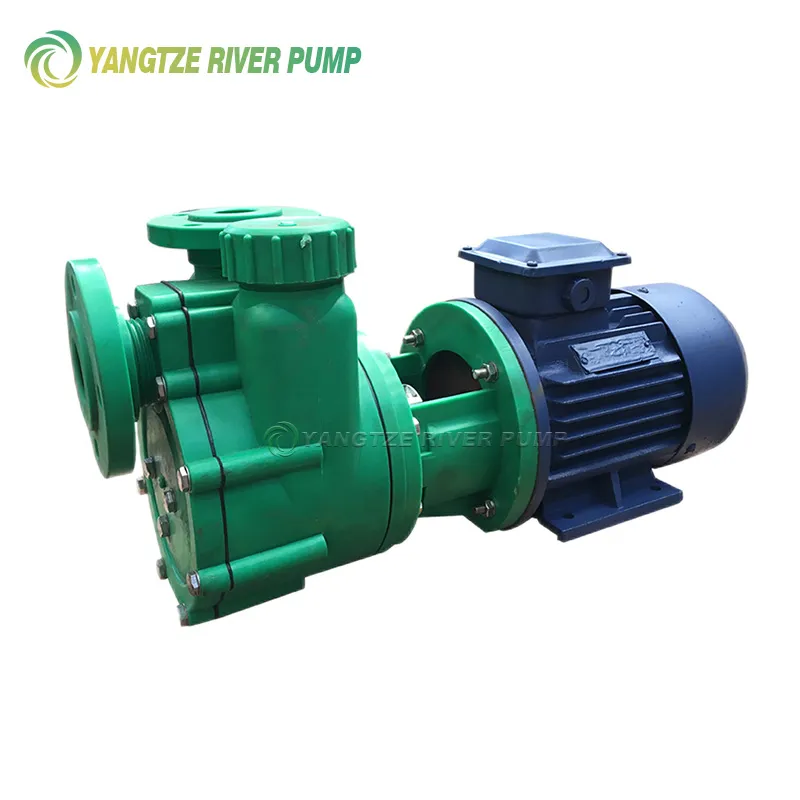 Plastic self-priming centrifugal pumps FP and FS
-
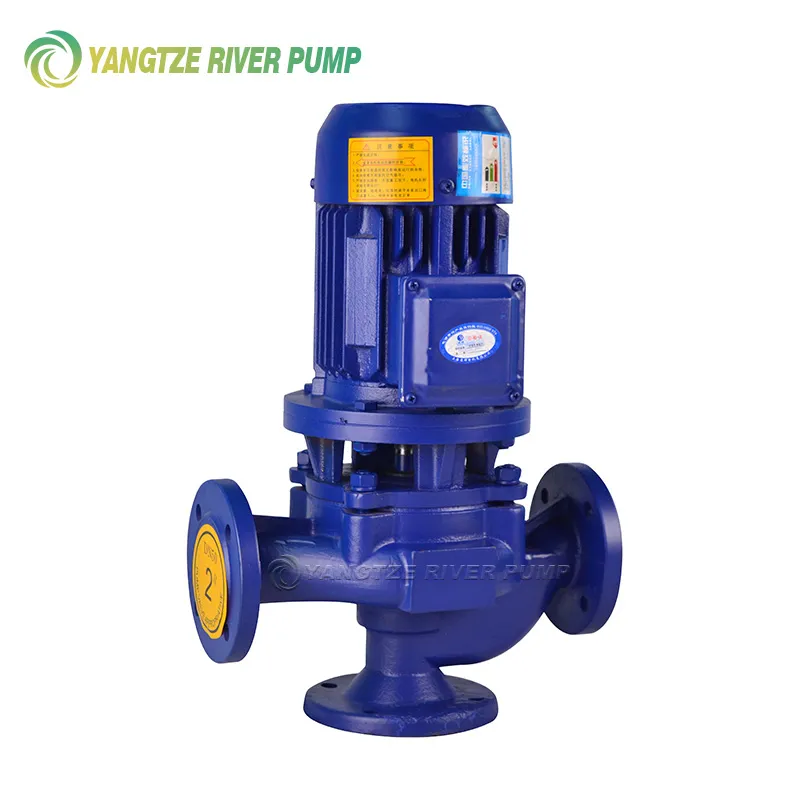 Pipeline wastewater pumps GW
-
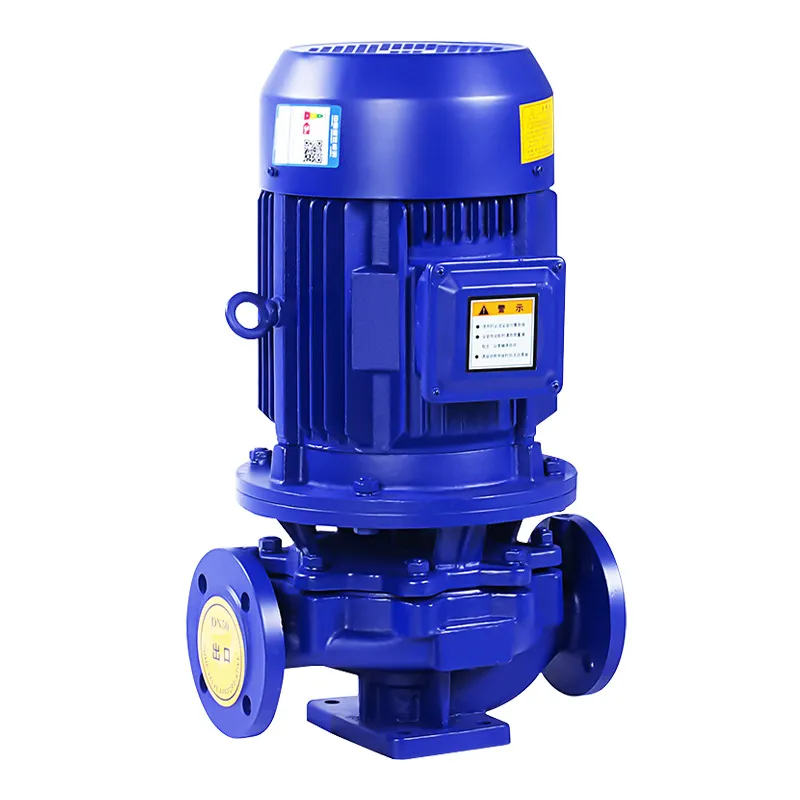 Vertical single-stage pipeline centrifugal pumps ISG and IHG
-
 Metal pneumatic diaphragm pumps QBK
-
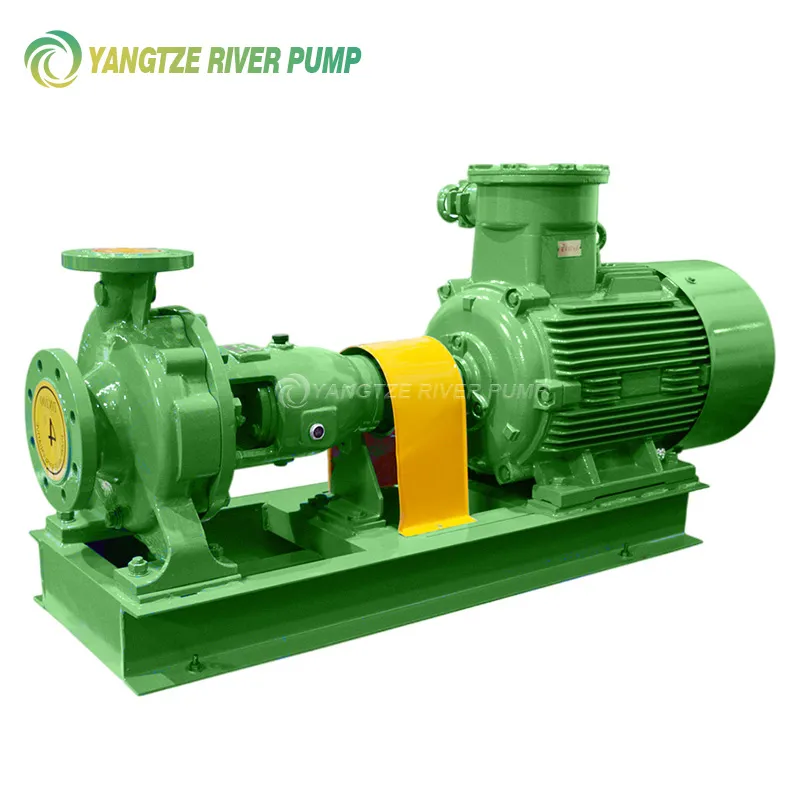 YCZ Chemical Process Pumps
-
 Mechanical diaphragm dosing pumps DJ-D
-
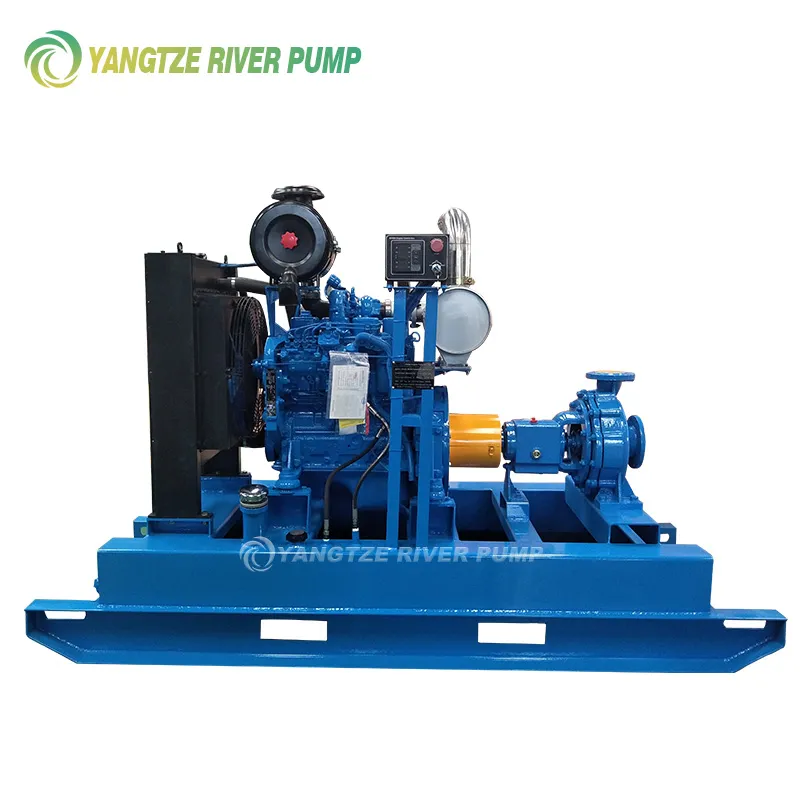 YZIS Diesel Single Stage Centrifugal Pumps
-
 Infinitely variable screw pumps type G
-
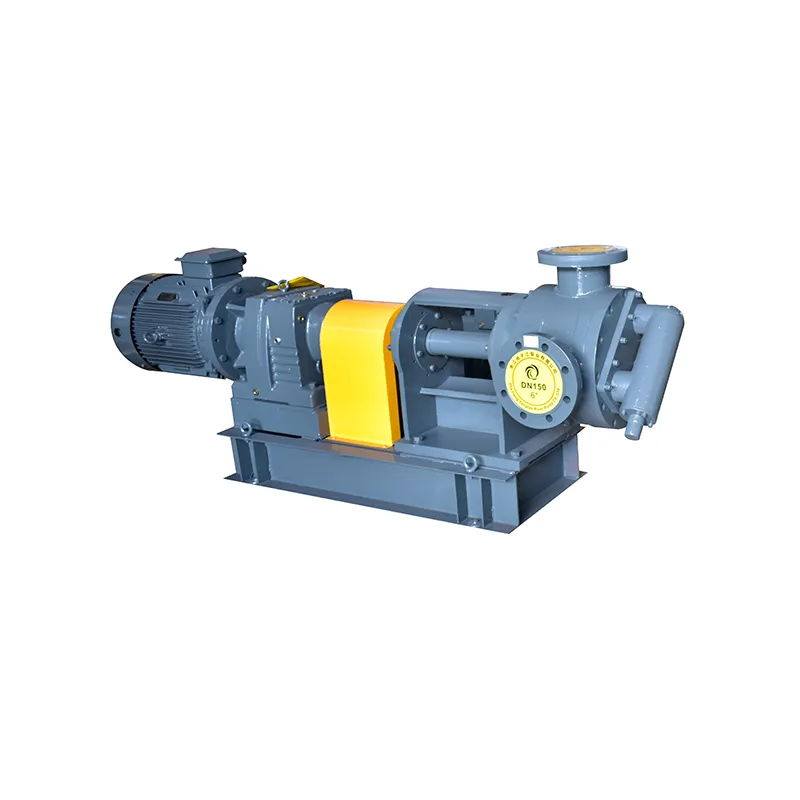 NYP High Viscosity Internal Gear Pumps
-
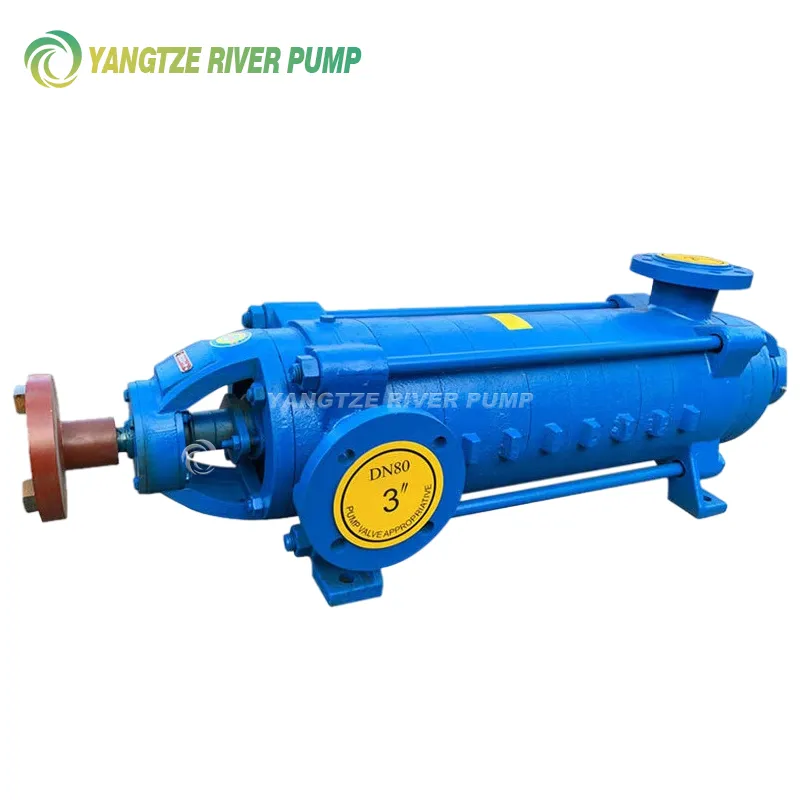 Horizontal multistage centrifugal pumps type D
-
 Liquid ring vacuum pumps type 2EB
-
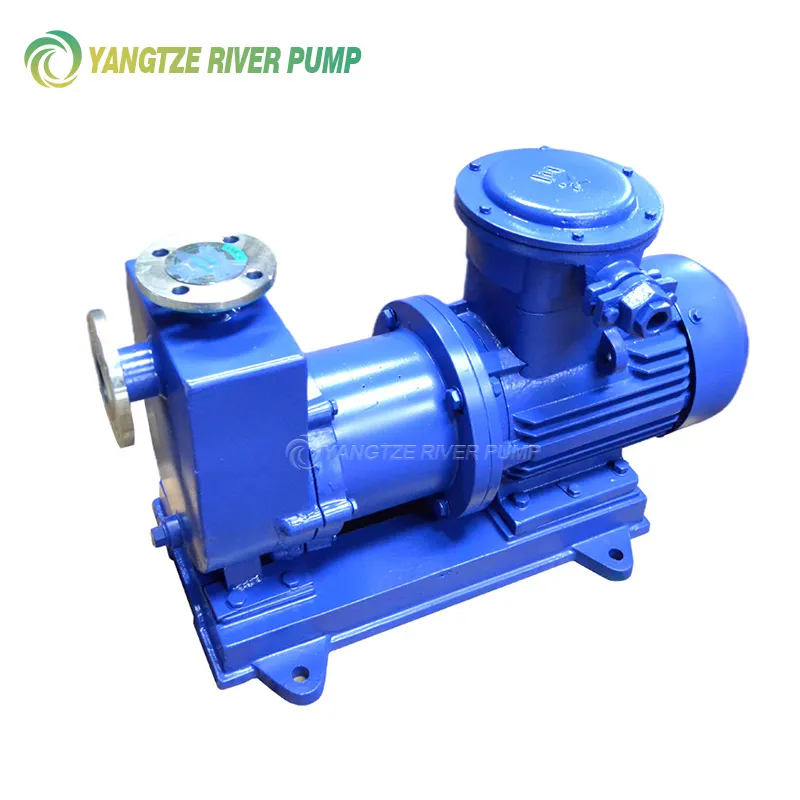 ZCQ Stainless Steel Self-Priming Magnetic Pumps