







centrifugal pump for station
When they say “centrifugal pump for a station,” many immediately imagine just a powerful unit that drives water. But therein lies the main trap. A station is not an abstraction, it is specific conditions: maybe a water supply pumping station, or maybe a production line where not water is pumped, but, say, an alkaline solution. And here it is already “simply powerful?” doesn't fit. You start digging into the parameters: what medium, what temperature, whether there is an abrasive, what output pressure is required, how the seal will behave. Often the customer himself does not fully formulate this; he has to draw out questions, like a dentist. Otherwise, it’s a warranty case story where everyone is pointing at each other.
Experience suggests: key components and typical mistakes
I once took an order for a pump for a heating network make-up station. The terms of reference are standard: clean water, temperature up to 110°C. We installed a conventional cantilever single-stage pump with a mechanical seal. Six months later, the phone rings: it’s leaking. We arrived and sorted it out. It turned out that there were water hammers in the system, plus the temperature jumped higher than stated. The seal is not designed to withstand such changes. I had to replace it with a cascade seal with a barrier liquid and install a check valve on the suction. Lesson: ?standard conditions? in TK - this is the first thing that needs to be questioned. You need to ask about the operating mode: constant or cyclic, about the likelihood of water hammer. For stations with variable load, we now often look towards frequency-controlled pumps - but this is a separate story in terms of economics.
Another point is the material of the flow part. For chemical water treatment stations, where there may be weak acids or alkalis, cast iron is no longer suitable. Stainless steel AISI 304 or 316 is a must have. But here, too, not everything is simple. I saw a case where a pump made of 316 steel was installed at a station for pumping liquids with chlorides. It would seem to be stainless steel. But due to stagnation, pitting corrosion began in the line. I had to explain to the customer the difference between resistance to general and local corrosion. As a result, they switched to a pump with a thermoplastic flow part - for their specific chemistry it turned out to be more reliable and, oddly enough, cheaper in the long run.
But vibration is a different story. A centrifugal pump for a station must run smoothly, this is an axiom. But it only works smoothly if installed correctly and at the design point of the characteristic. Installers often skimp on alignment with the engine and do it “by eye”. The result is increased vibration, bearing wear, and seal failure. The simplest and most effective advice that I always give is: do not waste time on alignment. With a laser tool, not an old probe. This will save thousands on repairs later. And it is imperative to require from the customer a mounting foundation of sufficient mass - light frame bases sometimes “play”, and all alignment goes down the drain.
Case study: multi-stage pump in a boiler room
There was a project to modernize a pumping station in an industrial boiler house. It was necessary to replace the old Soviet units, which no longer held pressure, were noisy and voracious. The goal is to ensure stable pressure in the system while reducing energy consumption. After analyzing the load diagrams, it became clear that a simple single-stage pump is not optimal here. A high outlet pressure was required at a relatively low flow rate.
We proposed a solution based onmultistage centrifugal pumpvertical design. The key arguments were: compactness (important for a cramped machine room), the ability to create high pressure due to several successive impellers, and as a result, higher efficiency at such parameters compared to a single-stage “monster”. We considered several manufacturers, including our production - Zhejiang Yangzijiang Pumping Industry LLC. They have a series of vertical multi-stage pumps in their line, which are often used specifically for water supply and pressure boosting stations.
We connected their engineers and discussed the details: material - GG-25 cast iron for the body, stainless steel for the shaft and impellers, mechanical seal from Burgmann. An important nuance that has been worked out is the axial force relief system. In multistage pumps this is critical to bearing longevity. As a result, after commissioning, the pump reached its operating point. The noise level has dropped radically, the main thing is that kWh consumption has decreased by almost 15% compared to the old fleet. The customer was satisfied, but the main result for us is confirmation that the correct selection of the type of pump for the specific parameters of the station gives real savings, and not just “new hardware”.
About service and “unpleasant surprises?”
Any, even the most reliable centrifugal pump for a station, requires attention. And this is where they often fail. They installed it, launched it, and forgot about it. Until it breaks. But a lot can be prevented. The simplest point is vibration control. It is not necessary to set up online monitoring, although this is ideal. But regular measurements with a vibrometer once a month is the minimum. An increase in vibration is the first sign of problems with the bearing, imbalance or cavitation.
Cavitation is a separate scourge. It sounded like gravel had been poured into the pump. Destroys impeller blades in a matter of months. A common reason at stations is insufficient suction pressure. Either the suction height is too high, or the filter in the suction pipe is clogged, or the liquid temperature is higher than the calculated one (for hot water, the saturated vapor pressure is higher, cavitation occurs more easily). You explain this to the customer, and he says: “It worked before!?” Previously, the coolant temperature was lower and the filter was clean. We have to delve into the logic of the operation of the entire station, and not just the pump.
Another pain is spare parts. A story from personal experience: a bottling pump station was installed at one food factory. The motor on the main pump burned out. The backup was launched, but needed repairs. It turned out that the engine was a specific one, flanged, with a special mounting size. His ?from wheels? don't buy. The wait is a week. A simple line means huge losses. Moral: when purchasing a pump for a critical station, you must immediately include in the contract the availability of key spare parts in stock at the manufacturer or dealer: a seal kit, bearings, maybe even an impeller. Our company, Zhejiang Yangzijiang Pump Industry LLC, for example, always maintains such a warehouse reserve for serial models, which has helped out customers more than once. This is not advertising, this is a practical necessity that you understand only after several such rush jobs.
Choosing a supplier: not only the price per kilowatt
When choosing equipment for a station, the temptation to buy something cheaper is huge. Especially if the procurement is carried out by a department that is far from operations. But a cheap pump often turns out to be expensive to maintain. Inaccurate casting of the housing, unbalanced impeller, weak bearings - all this will come out later. Therefore, I always look not only at the price tag, but also at how the supplier conducts the dialogue. I ask tricky questions about hydraulics, about tolerances, about tests.
It’s a good sign when a manufacturer, such as YangtzeRiver Pump (this is their website https://www.yangtzeriverpump.ru), can provide not just a catalog, but detailed pump curves, cavitation test results (NPSH), and piping recommendations. On their website you can see that they have their own full cycle production - from casting and machining to testing. This is important. This means they can control quality at all stages, and not just assemble from purchased components. And yes, the presence of eight production lines, including R&D, suggests that they are, in principle, capable of non-standard solutions if a station suddenly needs a pump with special parameters.
But even with a good supplier you need to speak the same language. Technical specifications are sacred. It’s better to spend two weeks clarifying it with the customer’s technologists than to spend a year dealing with the consequences. I always insist on including in the technical specification not only design points (flow, pressure), but also possible operating ranges of the station, the full composition of the pumped medium with temperature and density, requirements for material, type of seal, motor protection class. This insures both us and the customer.
Instead of a conclusion: thinking out loud
Centrifugal pump for the station... It would seem that there is nothing complicated here? The wheel rotates and pumps liquid. But behind this simplicity lies a lot of nuances that can only be learned through practice, sometimes bitterly. This includes correct hydraulic calculations, taking into account real, not paper, operating conditions, high-quality installation, and thoughtful maintenance. This is not just a “unit”, it is an element of the system on which the operation of the entire station depends. And the approach to its selection should be systematic. Now, looking at any project, I mentally run it through these points: environment, parameters, mode, materials, maintenance. If you don't get them right, you'll get a headache. You guessed it - the pump will silently do its job for years. And this, ultimately, is the best result.
Correspondingproducts
Related Products

Best Sellingproducts
Best Selling Products-
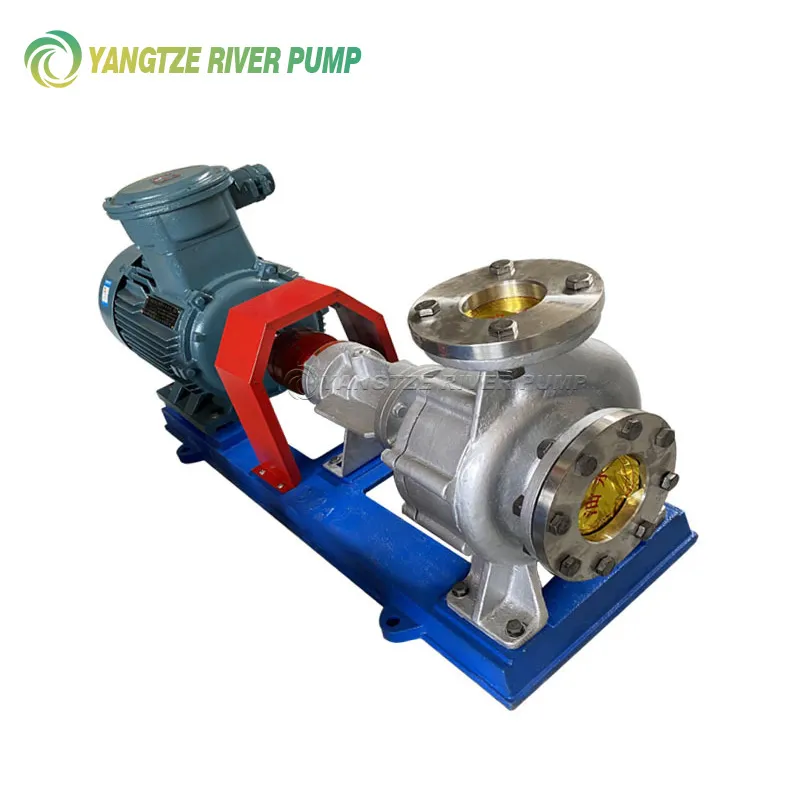 RY thermal oil pumps
-
 Sanitary screw pumps type GF
-
 Metal pneumatic diaphragm pumps QBK
-
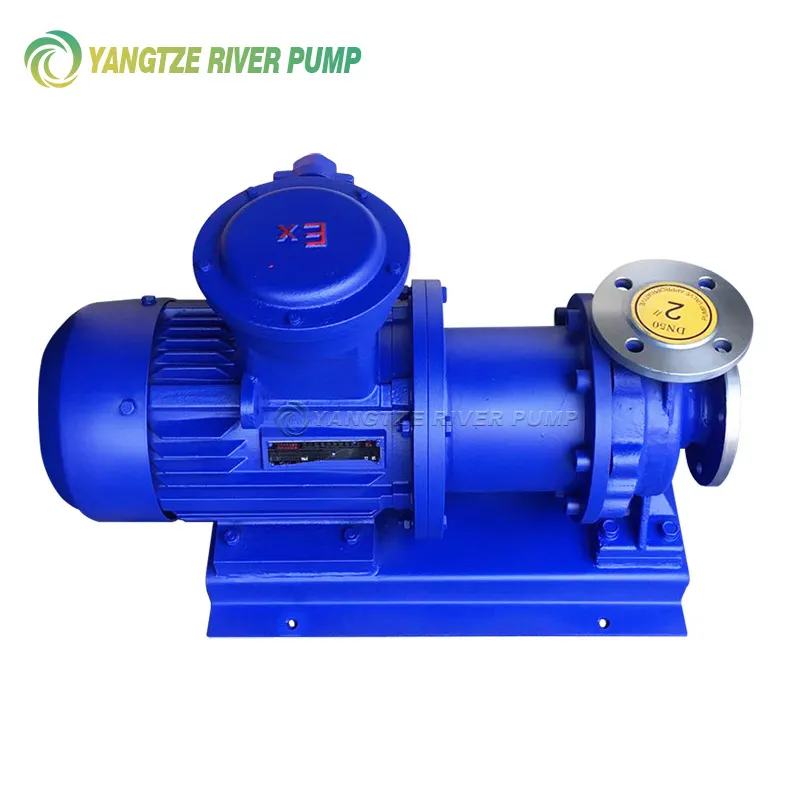 CQB Stainless Steel Magnetic Pumps
-
 Horizontal multistage pumps for feeding DC boilers
-
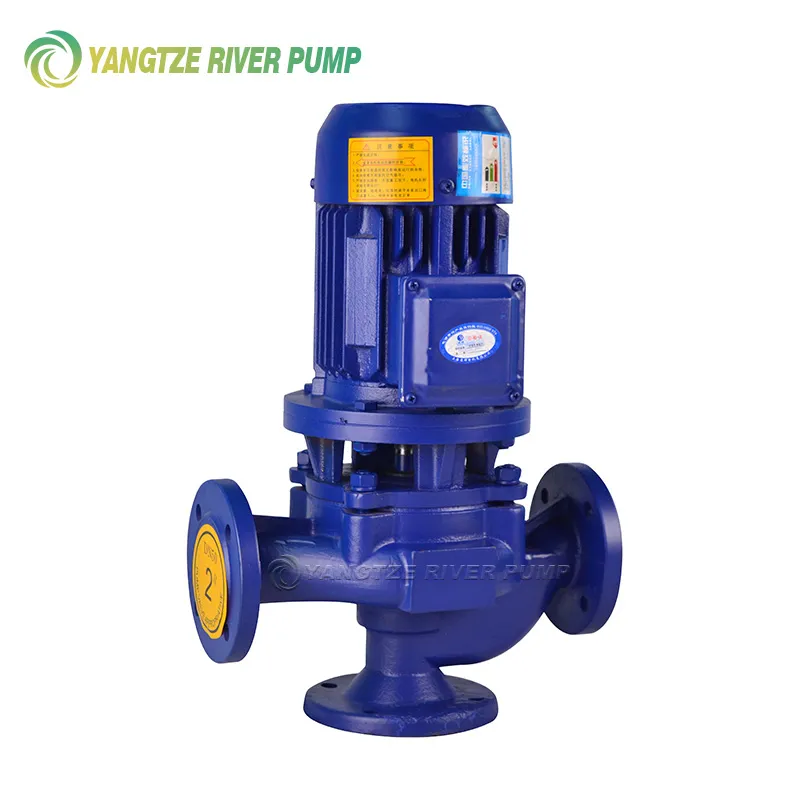 Pipeline wastewater pumps GW
-
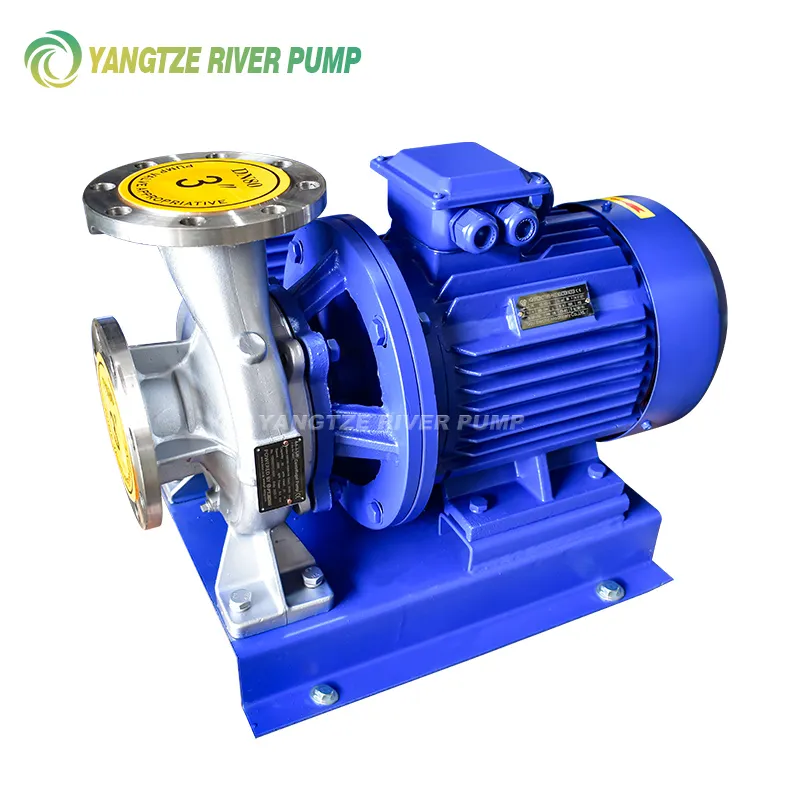 ISW and ISWH Single Stage Horizontal Pipeline Centrifugal Pumps
-
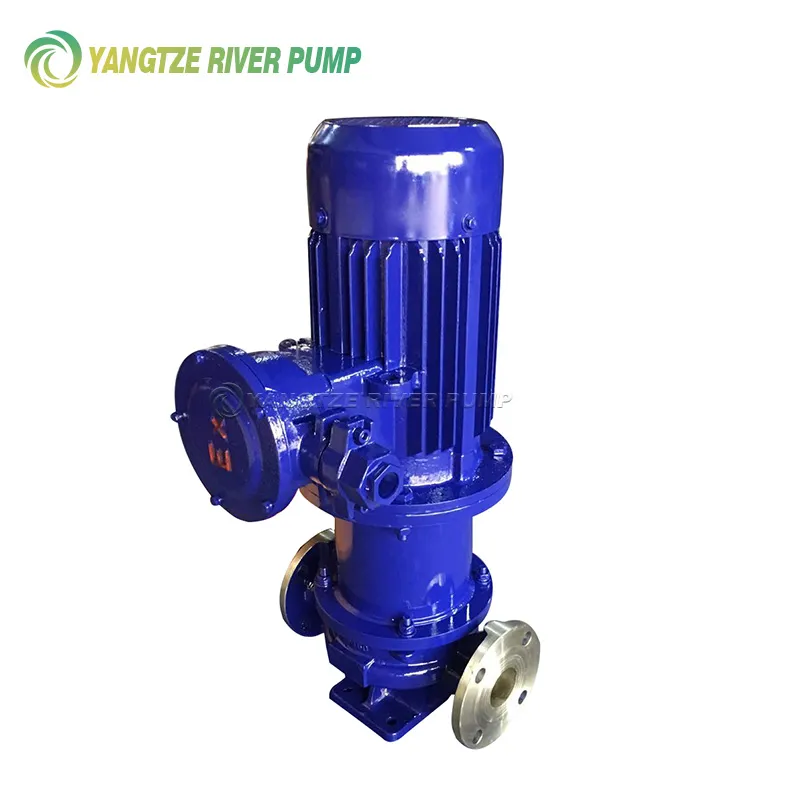 Vertical magnetic pumps CQB-L
-
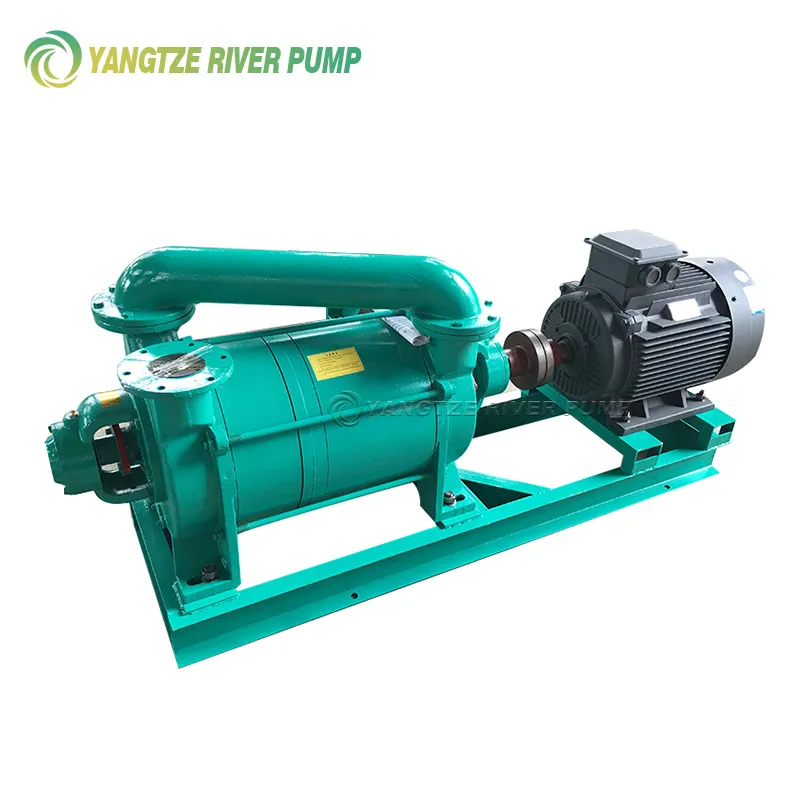 Liquid ring vacuum pumps type 2SK
-
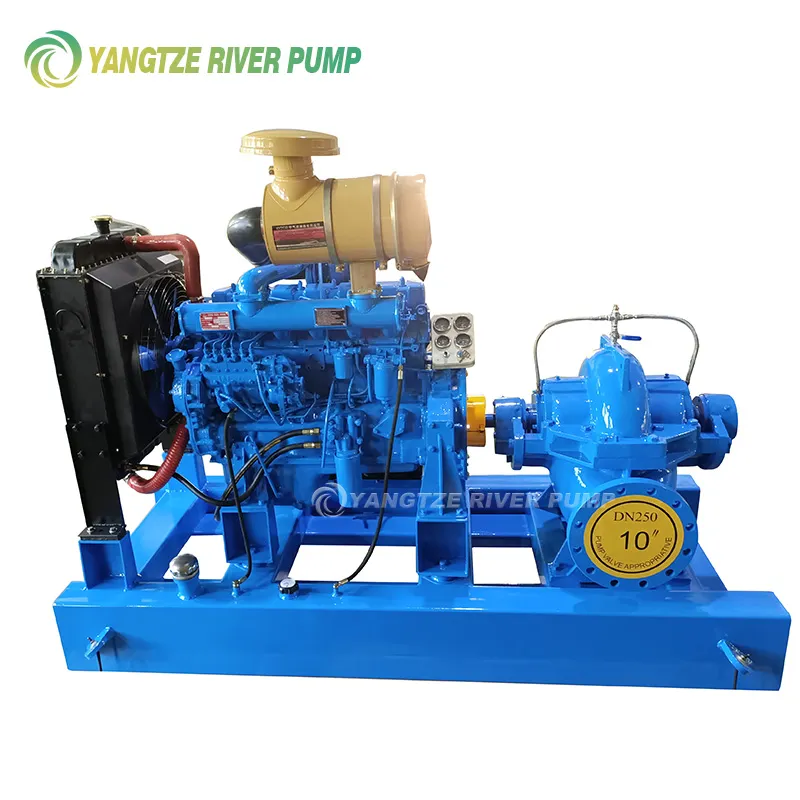 Diesel pumps with horizontal connector YZS and YZSH
-
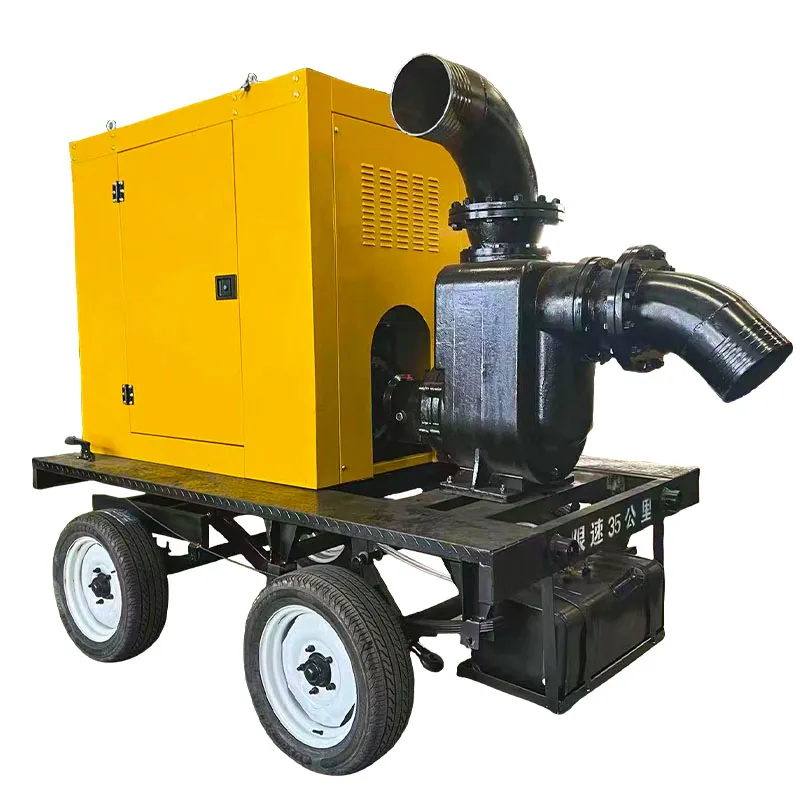 YZZW Diesel self-priming pumps
-
 Horizontal multistage centrifugal pumps (light series) CHL and CHLF
Relatedsearch
Related Search- submersible sewage pump with cutting mechanism
- Electric diaphragm pumps
- small centrifugal pump
- centrifugal pump 7.5 kW
- FY Submersible Chemical Pumps
- submersible well pump 5
- horizontal centrifugal multistage pumps
- vacuum pump from storage
- CDLF Vertical multistage centrifugal pumps made of stainless steel (light series)
- internal gear pump