







centrifugal pump for well
When you hear “centrifugal pump for a well?”, many people immediately imagine a simple piece of iron that was lowered into the water, turned on, and everything works. In fact, this often becomes the entry point into a whole tangle of problems: from incorrect selection of pressure to complete disregard for water quality. The most common mistake is to take a pump with a reserve “just in case”, without taking into account the real dynamic level and flow rate of the well. As a result, the equipment either runs dry or does not produce the required pressure, and the owner blames it all on “low-quality goods?” Let's understand it without gloss.
Why centrifugal? Let's get to the bottom of it
For a well, especially if we are not talking about a tiny country house option, but about a complete water supply for the house, the choice often falls oncentrifugal pump. The reason is simple: a reliable design, proven over decades, capable of producing stable pressure at a decent flow rate. Unlike some vibration models, it does not muddy the water in the well and does not create destructive vibrations that over time can affect the integrity of the structure of the well itself.
But here is the first pitfall. ?Centrifugal? - this is not one specific model. This is a whole class. For wells, either surface centrifugal pumps are usually used (if the water level is high and the distance is short), or, more often and more reliable, submersible multistage models. It is the multi-stage design that makes it possible to obtain high pressure with a relatively small diameter - what is needed for a standard well pipe.
Here, for example, in the assortmentZhejiang Yangzijiang Pumping Industry Co.,Ltd (yangtzeriverpump.ru) there is just this line. They don’t just make pumps, but carry out the full cycle: from R&D to testing. This is important because a well pump is not a universal replacement part. Its characteristics must accurately match the conditions of a particular well, or rather, a well. And these conditions - sand, possible suspensions, temperature - all this must be included in the design at the development stage and tested on the bench.
Key parameters: what to look for, besides price
So you've decided to buycentrifugal pump for well. The first thing they ask is the price. The second is power. And both questions are often asked from the wrong side. Two other parameters are much more important: pressure (H, in meters) and flow (Q, in cubic meters per hour or liters per minute).
Pressure is not the depth of your well. This is the sum of: 1) the depth to the dynamic water level (when the pump is running), 2) the height to which the water needs to be raised to the highest water point in the house, 3) pressure loss in horizontal pipelines (about 1 meter of pressure per 10 meters of pipe), and 4) the margin for spouting (free pressure from the tap, usually 2-3 atmospheres). If the pump is not designed for this total pressure, the water in the shower on the second floor will barely flow out.
Consumption is the total demand of all water points. Simultaneously open tap, shower and washing machine. Calculate this peak flow. The pump should provide it, but not be too powerful so as not to drain the well in minutes. A balance is needed here, and sometimes it is better to install a storage tank with automation than to chase the enormous performance of the pump.
Materials and protection: what's inside matters
Housing, impeller, shaft - what are they made of? For clean water, stainless steel will do. But if there is sand in the well or the water is hard, it is better to look at models with wear-resistant materials. For example, impellers made of technopolymers or composites sometimes resist abrasion better than steel. This is not advertising, but observation from the fields. A pump that starts humming after six months due to blades broken by sand is wasted money.
Dry running protection is a must have. Float switch or built-in relay. A well is not a borehole; the water level in it can fluctuate significantly depending on the season or intensity of water intake. Without protection, the engine will burn out in a matter of minutes of operation “in air”. In some lines, like the one mentioned in Yangtzejiang, this is a basic option, which is correct.
Installation and operation: errors that are visible after the fact
Let's say the pump was chosen perfectly. But they installed it... A common story: the pump is simply suspended on a cable, without a shock-absorbing suspension. When turned on, vibration is transmitted to the cable, and from it to the head of the well and pipes. Over time, this leads to loose connections, casing friction, and noise.
The correct way is to use a nylon cord or cable in a plastic sheath plus a damping suspension. And be sure to install a check valve immediately after the pump so that the water does not flow back when turned off. This extends the life of both the pump and the entire system.
Another nuance is seasonality. If it is a summer house, the pump needs to be raised for the winter. But even if it stands all year round, in frosty weather there is a risk of icing of the outlet pipe in the upper part of the well. Simple insulation or heating cable solves the problem, but this is often forgotten until the pipe bursts.
Case study and why brand matters
I had a case: we installed an inexpensive centrifugal pump in a deep well for a client. Everything matched the passport. After 4 months - complaint: pressure dropped. They picked it up. It turned out that the impeller, made of ordinary plastic, simply rubbed off on the sand suspension. The water was visually clean, but there was a fine abrasive present. We switched to a model with a glass-filled polyamide wheel - the problem went away.
This goes to the question of why it is important that the manufacturer, howZhejiang Yangzijiang Pumping Industry Co.,Ltd, had its own development and testing lines. They can vary materials and design for specific tasks, rather than just churning out the same type of product. On their website you can see that the range of centrifugal pumps is wide: from single-stage to multi-stage, there are also linear models. This suggests that they understand: different depths and flow rates of the well require different machines.
This is why I am skeptical about “universal” ones. decisions. Goodcentrifugal pump for wellis always a compromise between pressure, flow, resource and environmental conditions. And this compromise is achieved at the design stage, and not during operation.
Results: do not complicate, but do not simplify either
In the end, what do you want to say? There is no need to make quantum physics out of choosing a pump. But also treat it like a light bulb - screw it in and it works? - it’s also impossible.
Clearly measure the parameters of your well (preferably with the assistance of a specialist), calculate the real water needs. Based on this, select a model, paying attention not to big words in the description, but to specific technical characteristics and materials of key components.
Working with trusted suppliers who are responsible for the full cycle, from drawing to testing, as in the case of Yangtzejiang, often saves headaches in the future. Because it is in their interests for the pump to serve its life, and for you to return for the next one, and not for a defective replacement. Good luck with the water, it's worth it.
Correspondingproducts
Related Products

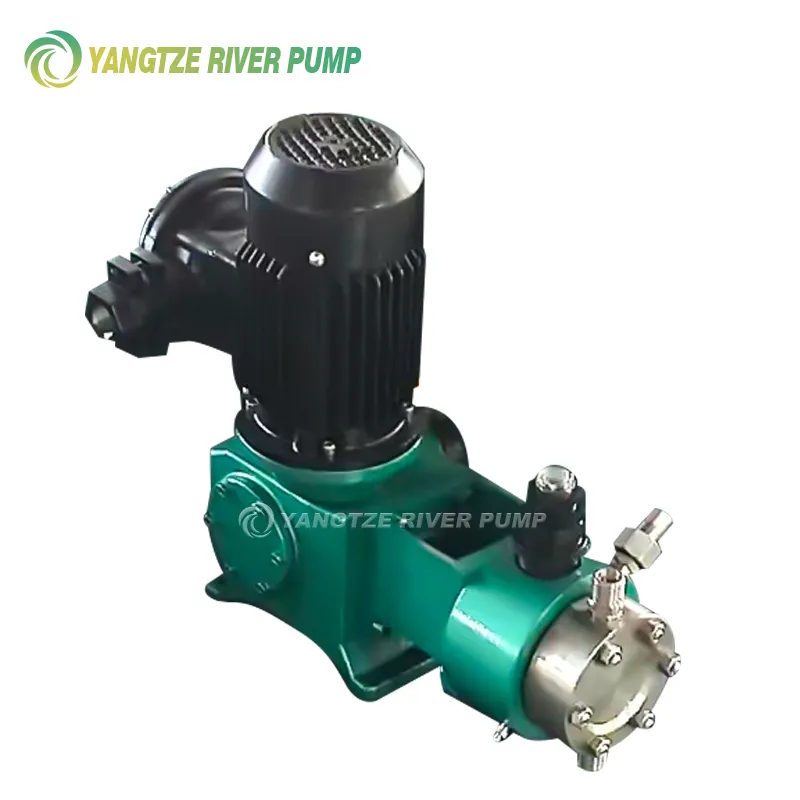


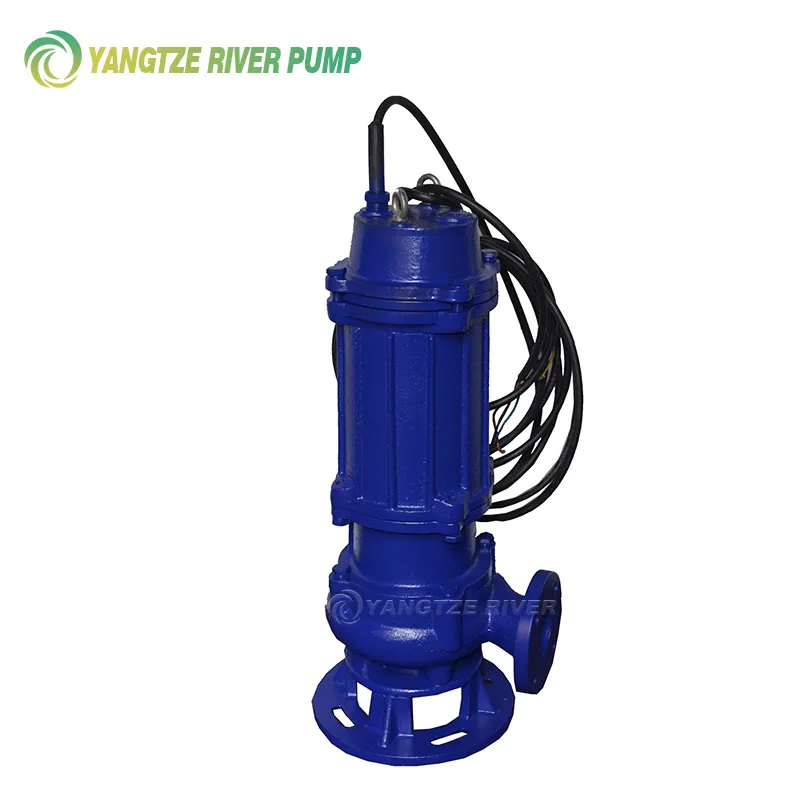
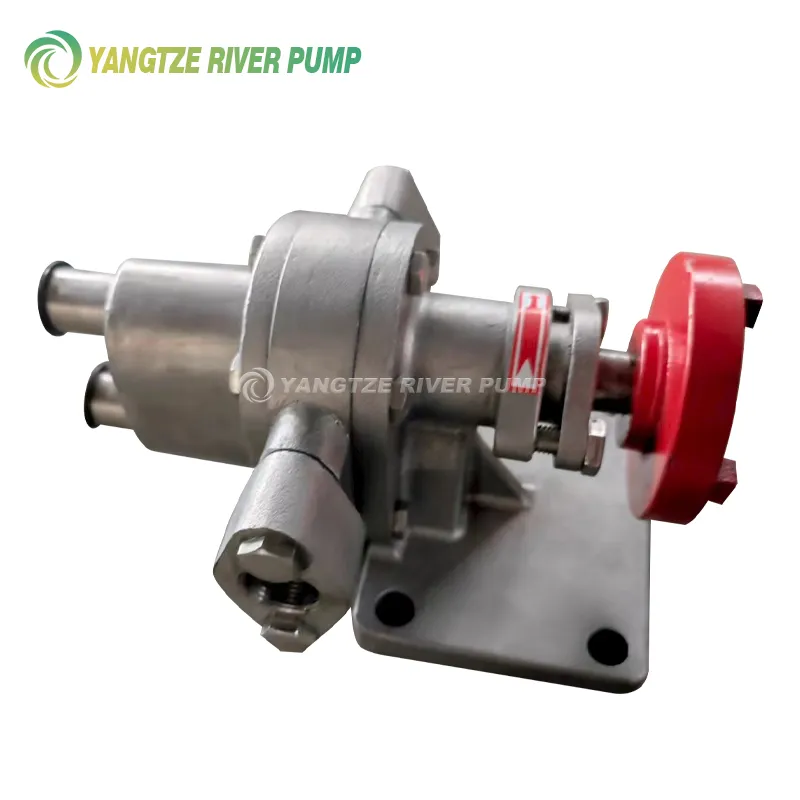

Best Sellingproducts
Best Selling Products-
 IHF PTFE Chemical Centrifugal Pumps
-
 Corrosion-resistant stainless steel centrifugal pumps SFB and SFBX
-
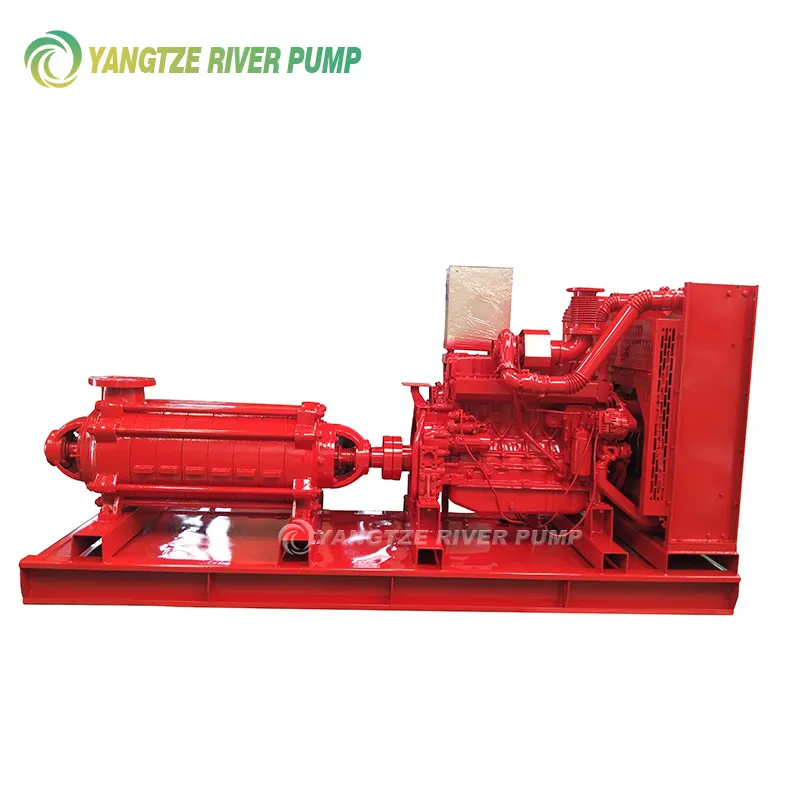 XBC Diesel Intelligent Fire Pumps
-
 YCZ Chemical Process Pumps
-
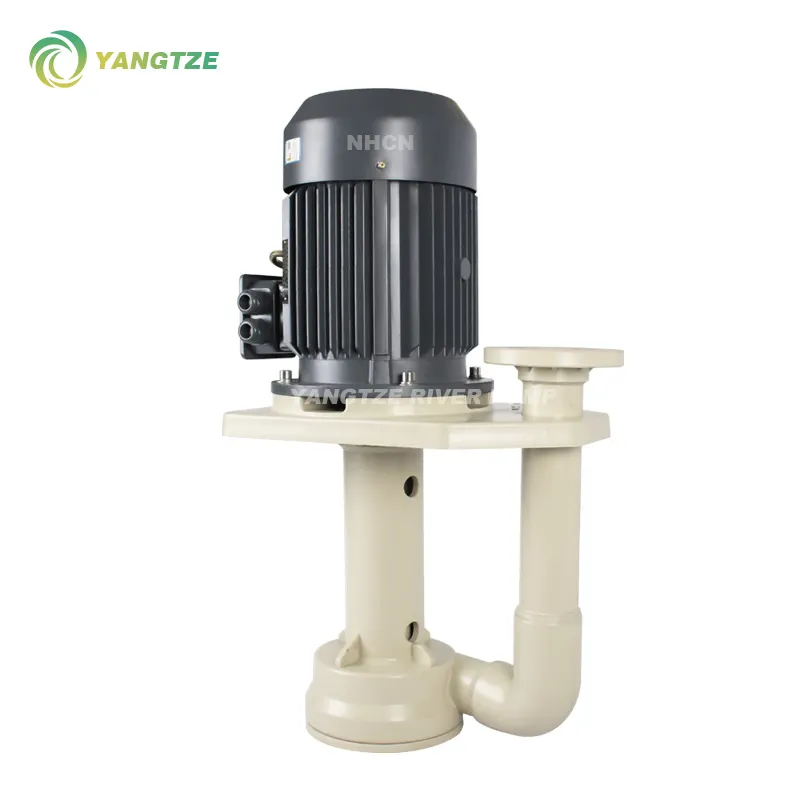 Vertical pumps for installation inside/outside tanks YZCN and YZCW
-
 YCB Type Circular Gear Pumps
-
 Vertical multistage centrifugal pumps made of stainless steel (light series) CDL and CDLF
-
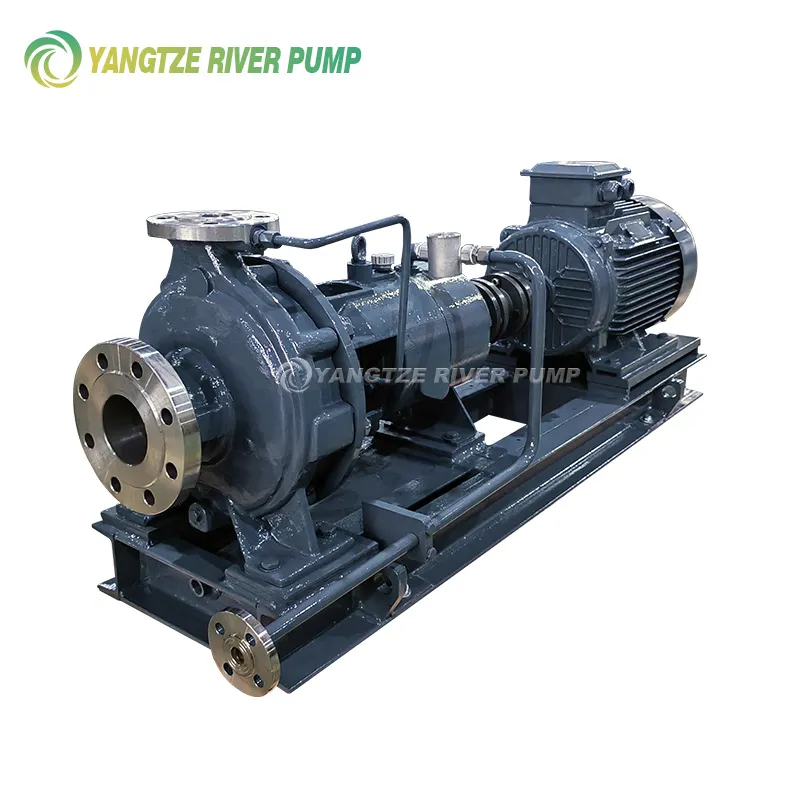 Petrochemical Process Pumps API 610 YZA
-
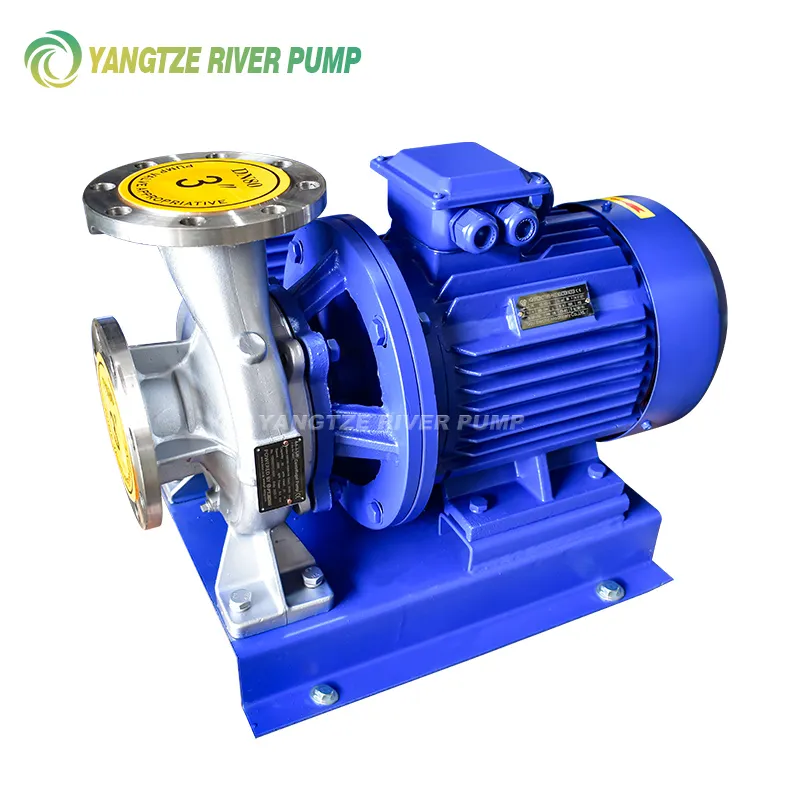 ISW and ISWH Single Stage Horizontal Pipeline Centrifugal Pumps
-
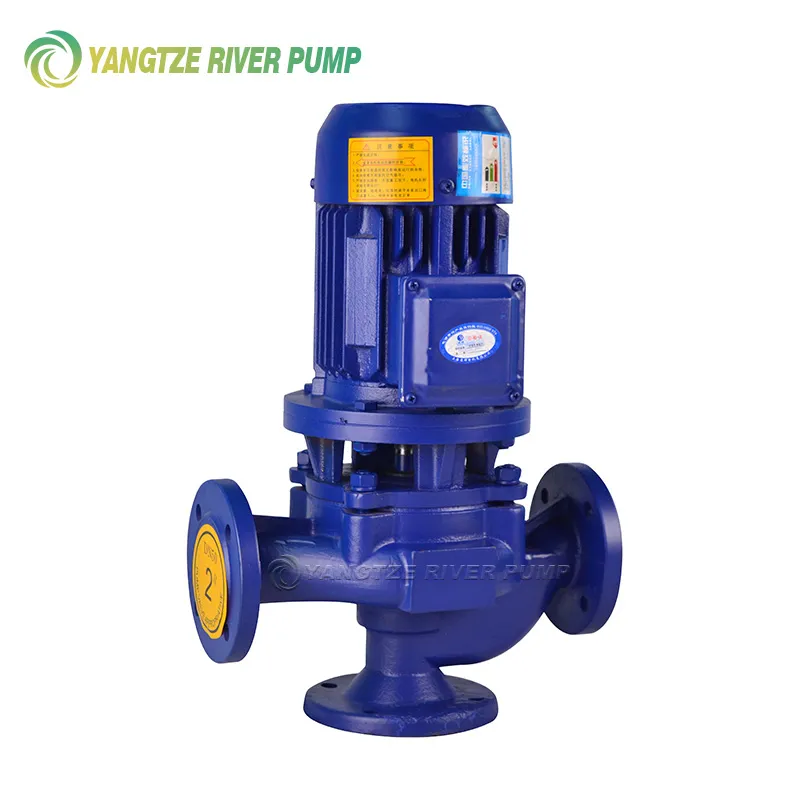 Pipeline wastewater pumps GW
-
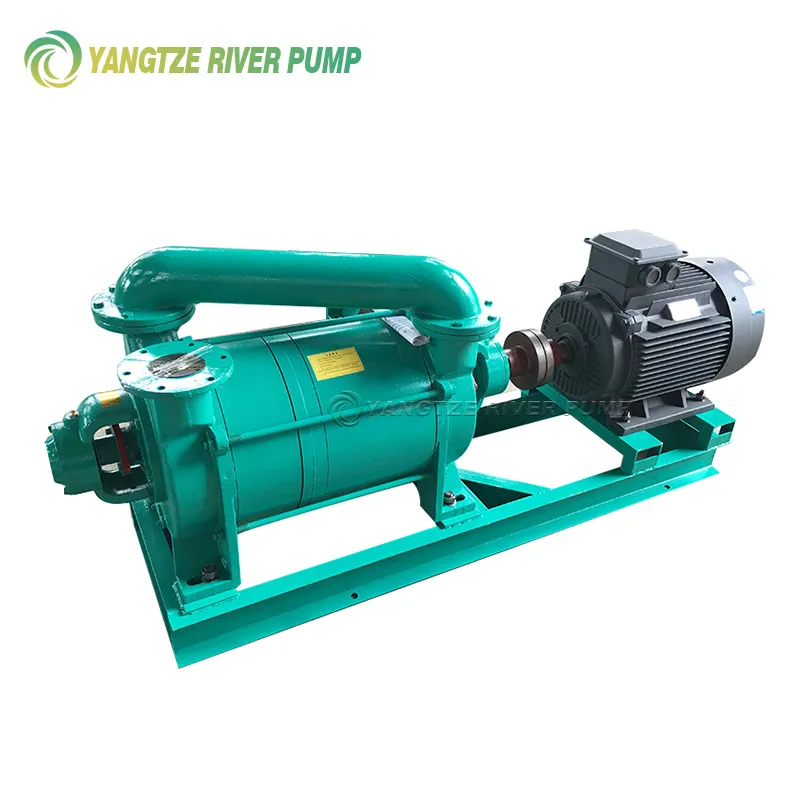 Liquid ring vacuum pumps type 2SK
-
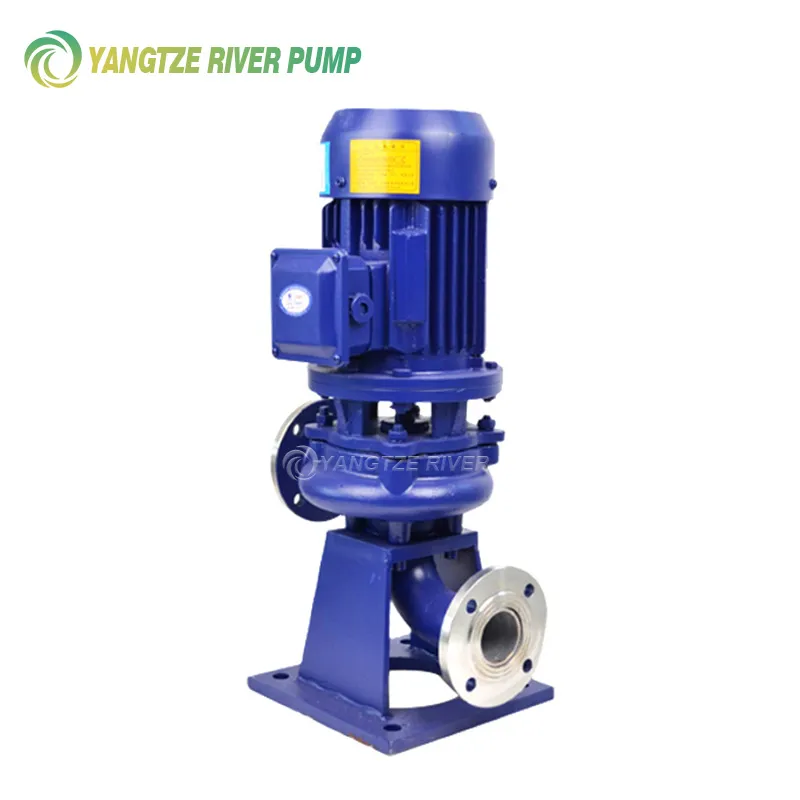 Non-clogging vertical wastewater pumps LW