






Causes and solutions to the problem of insufficient flow and reduced flow in centrifugal pumps
2025-12-30
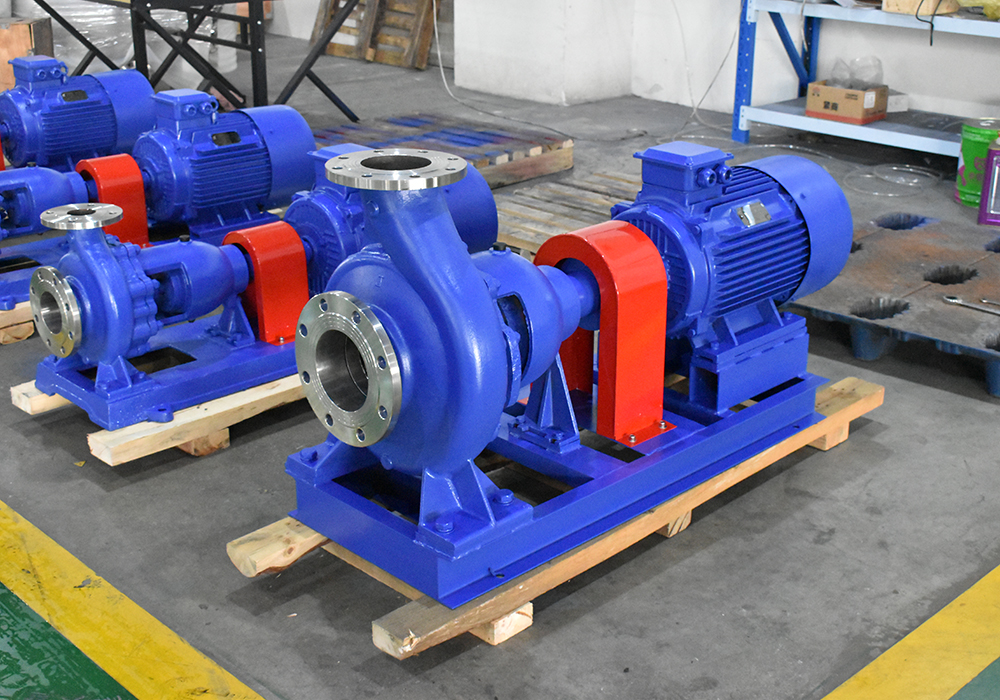
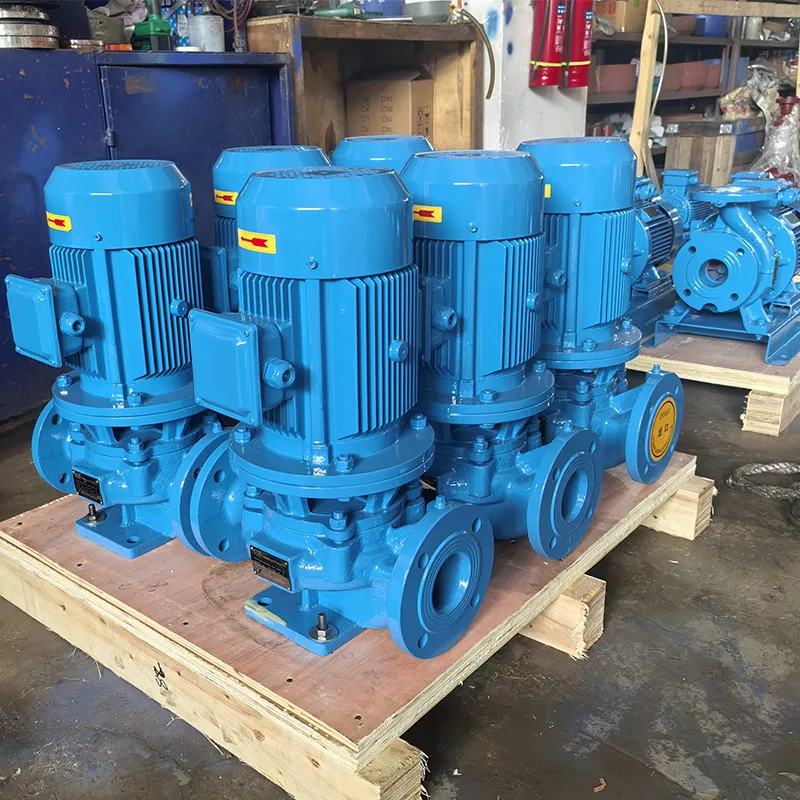
Centrifugal pumps are designed for pumping clean water and other liquids with physical and chemical properties similar to clean water. They are suitable for industrial and municipal water supply and drainage, pressurization in high-rise buildings, garden irrigation, pressurization for fire fighting, long distance transport, refrigerant circulation in HVAC systems, as well as for pressurizing cold/hot water circulation in bathrooms and for integration into equipment. Below we detail the causes of insufficient flow and reduced flow in centrifugal pumps.
Causes and remedies for insufficient flow in centrifugal pumps
1. Partial blockage of the inlet/outlet pipeline or impeller channel, with scale deposits inside the pump housing. Inspect the piping and pump chamber for any obstructions, then readjust the valves.
2. Insufficient voltage. Remedy for insufficient flow: stabilize the voltage.
3. Wear of the centrifugal pump impeller. Solution: Replace the impeller with a new one.
4.If none of the above reasons apply, do a comprehensive check to find out why the centrifugal pump is not pumping water.
5.Inlet or outlet valves remain closed, inlet piping is blocked or impeller passages are clogged. Check valve position, open any closed valves, and remove debris from lines and impeller passages.
6.Wrong direction of motor rotation or phase failure, causing low speed. Reverse the polarity of the motor to adjust the direction of rotation and make sure the connection to the power source is secure.
7. Air entering the inlet pipe causes the centrifugal pump to constantly suck in air. Check the inlet pipe for leaks, repair any damage, tighten all sealing surfaces and bleed air.
8. The centrifugal pump is not filled with liquid, resulting in air in the pump chamber. Unscrew the top cap of the pump or open the vent valve to remove air.
9. The supply flow through the inlet pipe of the centrifugal pump is insufficient for the required pump flow rate, or the suction lift is excessively high. The bottom valve at the pump inlet may leak due to poor sealing. Stop the pump to check (this problem often occurs in water supply networks or systems with suction height). Adjust by shortening the suction distance, or replace the pump with a self-priming one.
10.Excessive resistance in the pump discharge line caused by incorrect pump selection or insufficient performance of the selected pump. Reduce the number of bends in the pipeline; If there are too many bends, install automatic air vents to remove air trapped in the bends, or rebuild the pump.
The reasons and methods for eliminating insufficient flow and reducing flow in centrifugal pumps are described above. As the main component, the impeller operates at high speed with significant performance, with its blades playing a major role. Before assembly, the impeller must undergo static balancing tests. The inner and outer surfaces of the impeller must be smooth to minimize frictional losses in the water flow.