Selection method for vertical centrifugal pumps, Factors to consider when choosing
2026-01-06
When choosing centrifugal pumps, customers often cannot decide which model to choose: vertical or horizontal. In fact, the solution is quite simple: it all depends on the specific operating conditions. Below we will describe in detail the methodology for selecting vertical centrifugal pumps.
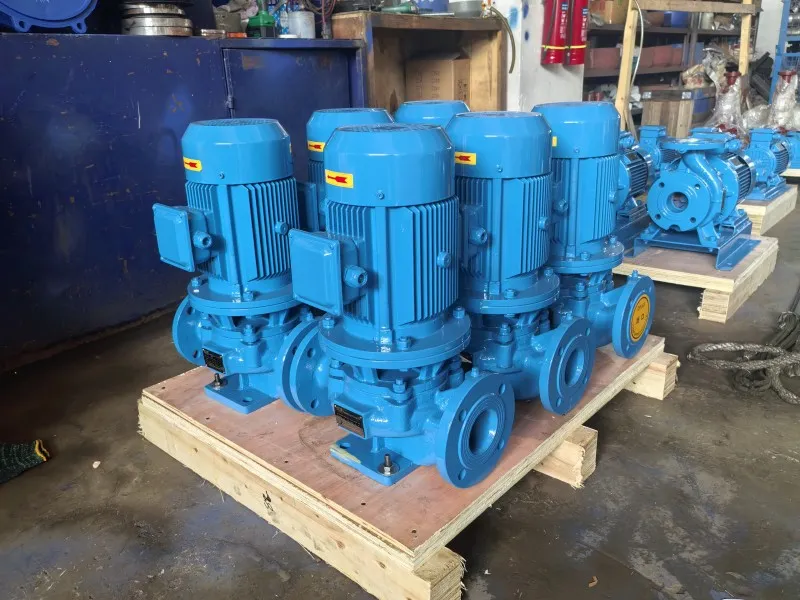
Selection method for vertical centrifugal pumps
The main control parameters when selecting vertical centrifugal pumps are flow Q, head H, efficiency η, power input, speed n, operating pressure and net positive suction head (NPSH). To select the right vertical centrifugal pump, technical and economic factors such as pump installation, pumping station investment and operating costs must be comprehensively considered, ensuring that the principles of economy, safety and suitability are met. In particular, this includes the following aspects:
1.Choose high efficiency, low noise, energy saving vertical centrifugal water pumps; The use of obsolete products is strictly prohibited.
2.Select vertical centrifugal pumps based on design flow rate and required lift height, taking into account loss of performance due to wear. The calculated lift heights (H) should be multiplied by a factor of 1.05 to 1.10 before making the final selection. Select pumps with characteristics that show a gradual decrease in head as flow increases. Such pumps operate stably and reliably in parallel configurations. Maintain the operating point within the high efficiency range to save energy and minimize component wear.
3. If there are no regulating devices in the water supply network, either vertical variable-speed centrifugal pumping units or fixed-speed vertical centrifugal pumping units operating in parallel mode should be used for water supply. The performance of a vertical centrifugal pumping unit should not fall below the design flow rate for water supply to a residential area and should be tested under firefighting conditions.
4.When choosing vertical centrifugal pumps for lifting water from tanks or towers, the number of units used should be minimized; It is preferable to use one working unit with one standby unit. If one vertical centrifugal pump is sufficient, parallel connection of several pumps should be avoided. If parallel connection of several pumps or a combination of large and small vertical centrifugal pumps is unavoidable, their number and types should be kept to a minimum. As a general rule, no more than two pump models should be used, and their head ranges should be similar. During parallel operation, each vertical centrifugal pump must remain within the high efficiency range.
5.Variable frequency drive vertical centrifugal pumps (or groups of pumps) must be designed to provide a flow rate that meets the design peak flow requirements of the water supply system. The power supply must be reliable (dual power supplies or double circuits). The operating point of a vertical centrifugal pump should be selected within the high efficiency zone of its performance curve (Q-H curve) and should not lie on the continuation line of the Q-H curve. The calculated unfavorable operating point should be located at the right end point of the high efficiency pump segment of the performance curve. This corresponds to the point at which the pump delivers the required flow at the lowest possible head, i.e. the point at which the pump's high efficiency curve intersects with the pipeline performance curve. The operating range of a vertical variable speed centrifugal pump should remain within its high efficiency segment whenever possible; the speed control range should be set between 25% and 100% of the water supply pump capacity; the equipment must be equipped with an automatic water level control function.
6.Domestic water supply systems under pressure must be equipped with backup vertical centrifugal pumping units. The capacity of the standby pump must exceed the capacity of any individual operating pump. Automatic switching and alternating operation are recommended.
7.Motors connected to vertical centrifugal pumps must have the same voltage ratings and match the electrical network configuration.