







centrifugal pump housing
When they talk aboutcentrifugal pump housing, many people immediately think about a simple cast-iron body that holds everything inside. In reality it is much more complicated. I have seen more than once how sites underestimate this part, and then are surprised by vibrations, overheating of bearings, or, worse, shaft breaks. Especially in chemical environments where the crankcase material is pushed to its limit. At our production facility at Zhejiang Yangzijiang Pump Industry LLC, hundreds of modifications have passed through the test bench, and each time it is the crankcase that dictates how “survivable” the pump will be. in specific conditions. If it is designed without taking into account real loads, expect problems.
Design: what is hidden behind the casting
Take, for example, our multistage boiler pumps. There is serious pressure there, and the crankcase is not just a shell. It must evenly distribute mechanical stress from all stages, otherwise microcracks will appear in the flange attachment areas over time. Previously, we made calculations only for static pressure, but practice has shown that water hammer and pulsations produce cyclic loads, which standard formulas do not always take into account. It was necessary to modify the stiffening ribs and wall thickness in specific areas.
Material is a different story. For ordinary water we use SCh20 cast iron, but for our plastic chemical pumps, which we also produce, the crankcase is a complex composite structure made of fiberglass-reinforced polypropylene. Filling such a form without internal stress is an art. There were cases when, during thermal cycling (heating from the medium plus cooling), deformation appeared and the rotor began to touch. We had to change the technology of casting and cooling of the casting.
Another nuance is the seats for bearing units. It would seem that it would be easy to bore the hole. But if you do not ensure the alignment of these places with an accuracy of a fraction of a millimeter along the entire length of the crankcase, the shaft will work with misalignment. Particularly critical for long linear centrifugal pumps. At the stand we specifically measure runout at several points after assembly. Sometimes the problem is solved not by adjustment, but by revising the design of the crankcase itself - adding guide belts during casting.
Thermal conditions and heat dissipation
It is often forgotten thatcentrifugal pump housing- This is also the main radiator for bearing units. In self-priming pumps, for example, there is constant heating due to friction in the seals and cavitation during the first stage of operation. If the crankcase is massive, but without ribs or channels for natural air convection, the temperature in the bearing area can rise to 90 degrees, even if the environment is cold. This kills the lubricant. In such cases, we add fins on the outside in the upper part, but in such a way as not to complicate cleaning.
In submersible pumps it’s a different story - where heat is removed through the pumped liquid. But if the pump often operates partially submerged or “dry,” the crankcase in the surface part overheats. There was an order for drainage: the client complained about frequent failures. It turned out that the crankcase was a smooth cylinder. We added longitudinal ribs along the length, which simultaneously strengthened the structure and increased the heat transfer area - the number of failures fell.
Magnetic pumps (we also produce them) are generally interesting. There, inside the crankcase there is heating from eddy currents in the sleeve. If the crankcase is made of ordinary carbon steel, it becomes a screen and heats itself. For some models, it was necessary to switch to stainless steel with low magnetic permeability and make the walls thinner in the area of the magnetic coupling in order to improve heat dissipation to the environment. This is a non-obvious solution that came after several unsuccessful launches.
Vibroacoustics: quiet pump - correct crankcase
Noise and vibration are most often not the rotor, but the resonance of the housing. The crankcase, especially in single-stage volute pumps, acts as a sound chamber. I remember a project for a food factory where there were strict noise requirements. The standard cast-iron crankcase transmitted pressure pulsations loudly. The solution was not to increase the mass, but to change the internal geometry of the stiffeners. We made them asymmetrical and added damping pads where they attach to the frame. It's not by the book, but it worked.
Another point is the mounting paws. They are cast together with the crankcase. If their location or cross-section is incorrect, all vibration is transmitted to the foundation. Once I had to redo the equipment for a diaphragm pump, because when operating at certain speeds, such vibration arose that the bolts were unscrewed. It turned out that the paws were too rigid and did not dampen vibrations. We added a little flexibility to them due to the shape - the problem went away.
For pumps operating in variable mode (for example, in water supply systems with frequency regulation), the entire frequency spectrum is important. The crankcase must be “discordant” so that not a single harmonic coincides with the natural frequency of the structure. This is checked by trial method. At our test bench at Zhejiang Yangzijiang Pumping Industry Co.,Ltd., we specifically run pumps in different modes, taking vibrograms. Often a little cosmetics in the form of an additional boost on the body changes the picture dramatically.
Interaction with other components: installation and maintenance
The design of the crankcase determines how convenient the pump will be to service. For example, in our multistage pumps we initially made the crankcase connector horizontal. But to replace the rotor, it was necessary to dismantle all the suction and pressure fittings. We switched to a modular design with separate sections - the crankcase has become more difficult to manufacture, but replacing the flow part now takes three times less time. Customers who service the equipment themselves appreciate this.
Holes for drainage and ventilation are a small thing, but critical. If they are missing or they are poorly located, condensation or residues of an aggressive environment accumulate in the crankcase cavities. For chemical pumps this is death. We always place drainage fittings at the lowest point, and ventilation fittings, on the contrary, at the top, with threads for a plug or vapor removal tube. This became standard after a customer had a bad experience with shaft corrosion inside the crankcase.
Base plane. It would seem elementary. But if, when casting the crankcase, it “leads?” (and this happens when the casting is cooled unevenly), then the pump stands crooked on the frame, and the load on the shaft is uneven. In production, we check this plane on a special plate with an indicator even before the start of machining. We reject if the deviation is greater than the tolerance. It is better to lose the casting than to later deal with a warranty claim due to bearing failure.
Materials and specific media
For standard conditions - cast iron, and there are no questions. But for seawater or environments with chlorides, even AISI 304 stainless steel may not be suitable. The crankcase made from it will begin to suffer from crevice corrosion, especially in the seal areas and under the gaskets. For such cases, we offer crankcases made of duplex steel or with internal lining. But here it is important to understand: coating (for example, fluoroplastic lining) does not last forever. During thermal cycles it may peel off. Sometimes it is more reliable to make the entire crankcase from an expensive alloy, but this is for specific, critical applications.
Plastic crankcases for chemical pumps are our separate line. Polypropylene, PVDF. The main problem is the creep of the material under load and UV radiation if the pump is outdoors. The crankcase may deform slightly over time, disrupting alignment. Therefore, in such structures we always install more powerful stiffeners and recommend that customers periodically check the gaps, especially after long periods of inactivity or work in hot environments.
An interesting experience was with crankcases for pumps pumping abrasive suspensions (for example, sludge). Wear from the inside was minimal as the flow is through the impeller. But vibration from the uneven flow and particle impacts caused fatigue cracks in the transition zones from the volute to the chamber of the bearing assembly. We strengthened these places by changing the casting configuration, adding smooth transitions instead of sharp corners. This increased the resource significantly.
Final Thoughts: Crankcase as a System
So,centrifugal pump housing- this is not a shell, but a full-fledged supporting and functional system. Its design is always a compromise between strength, weight, heat dissipation, manufacturability and cost. At Zhejiang Yangzijiang Pumping Industry Co., Ltd. we have gone from copying standard designs to deeply adapting them to the actual conditions of customers. That's why our eight production lines, from R&D to testing, pay so much attention to such a seemingly simple detail. Because it depends on it whether the pump will work for the required years or fail at the most inopportune moment. And this experience cannot be bought in a textbook - it is gained through dozens, or even hundreds of completed projects and, no less important, by analyzing failures.
Correspondingproducts
Related Products

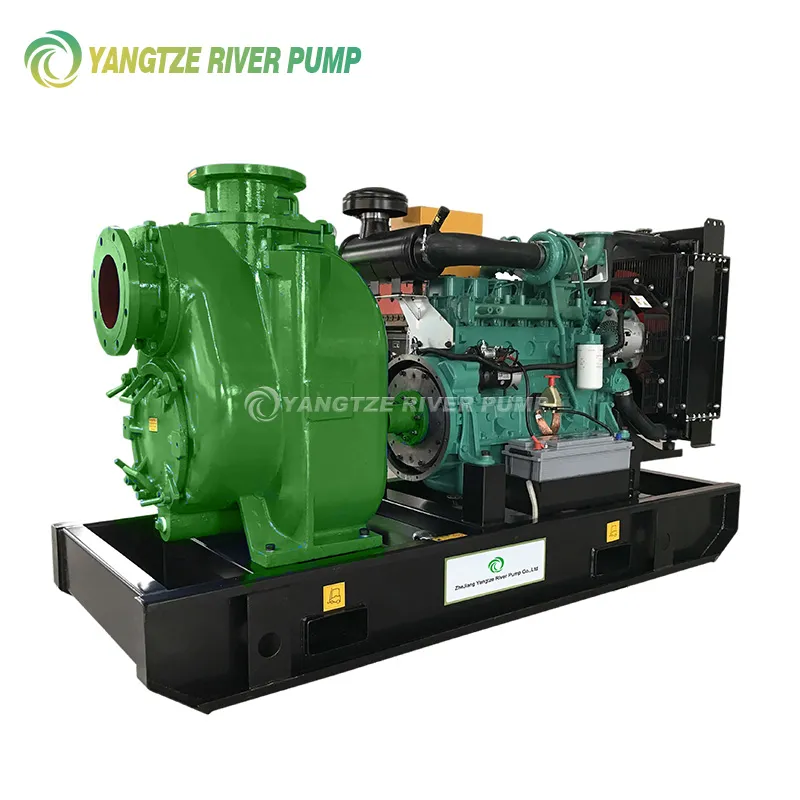

Best Sellingproducts
Best Selling Products-
 Sanitary screw pumps type GF
-
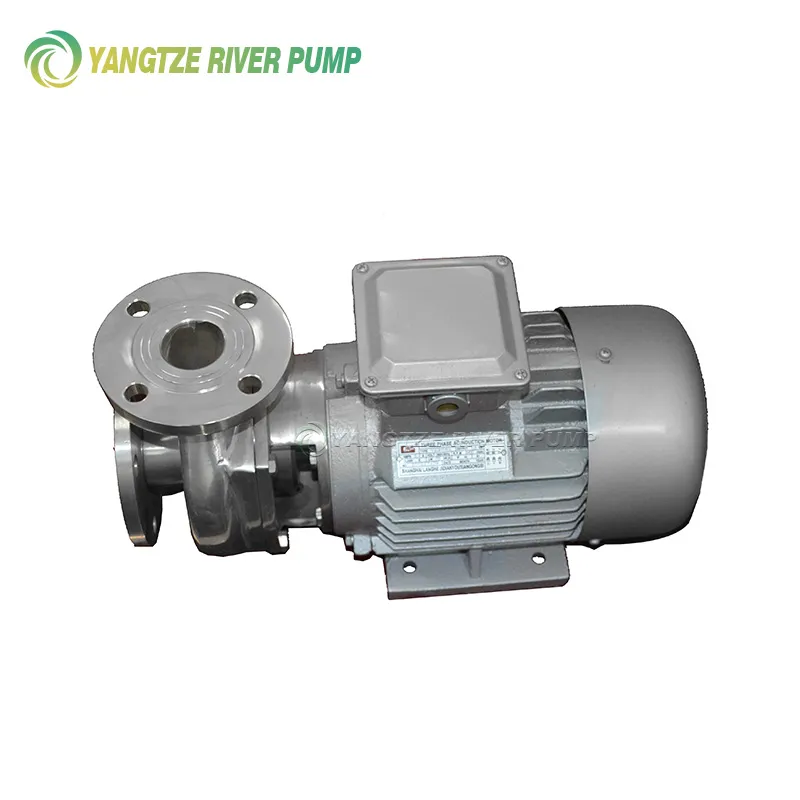 Corrosion-resistant stainless steel centrifugal pumps SFB and SFBX
-
 Infinitely variable screw pumps type G
-
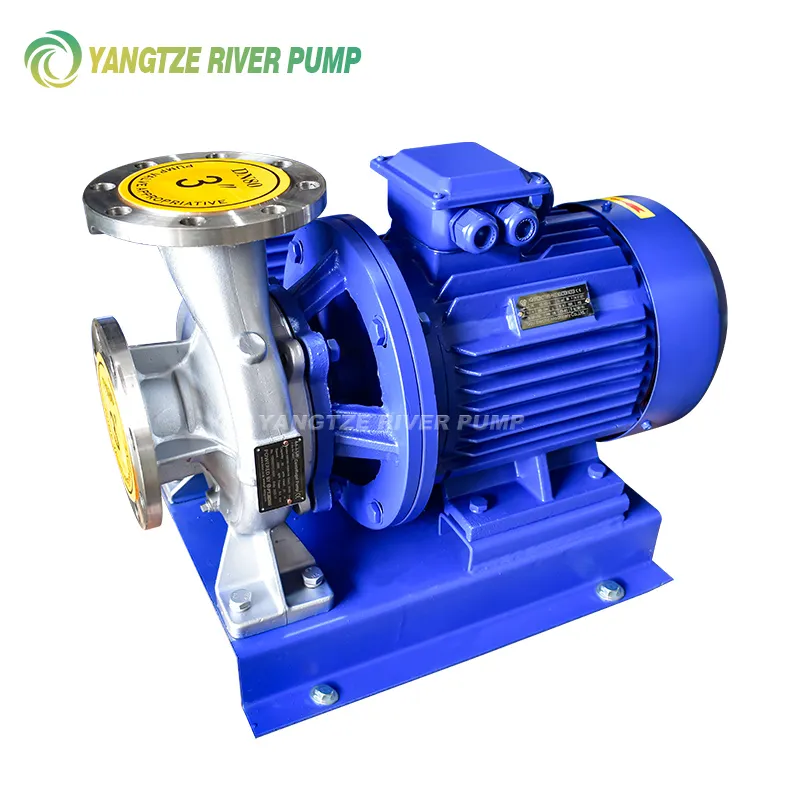 ISW and ISWH Single Stage Horizontal Pipeline Centrifugal Pumps
-
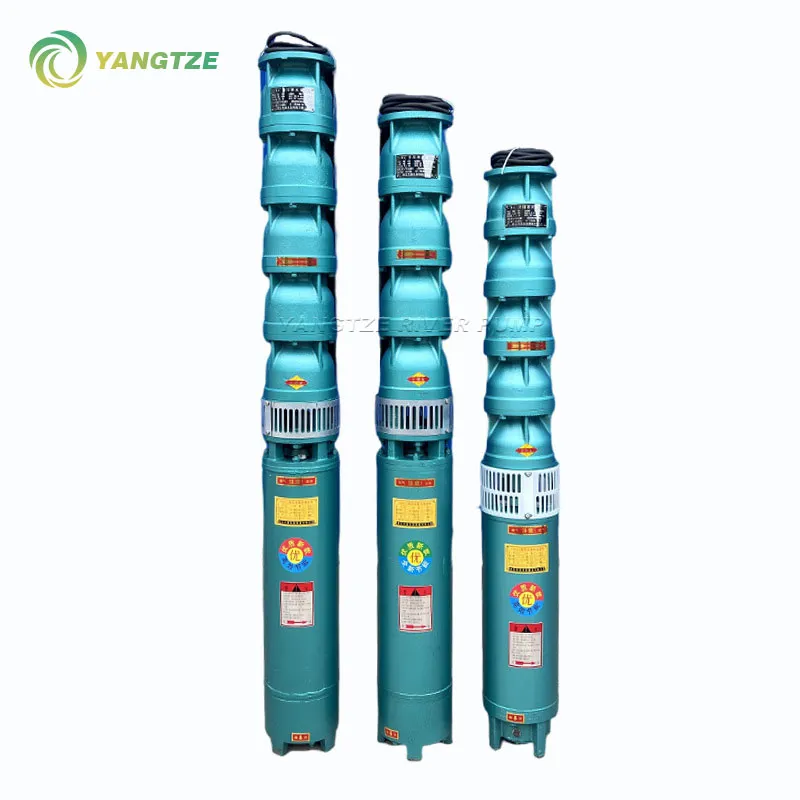 QJ type borehole pumps
-
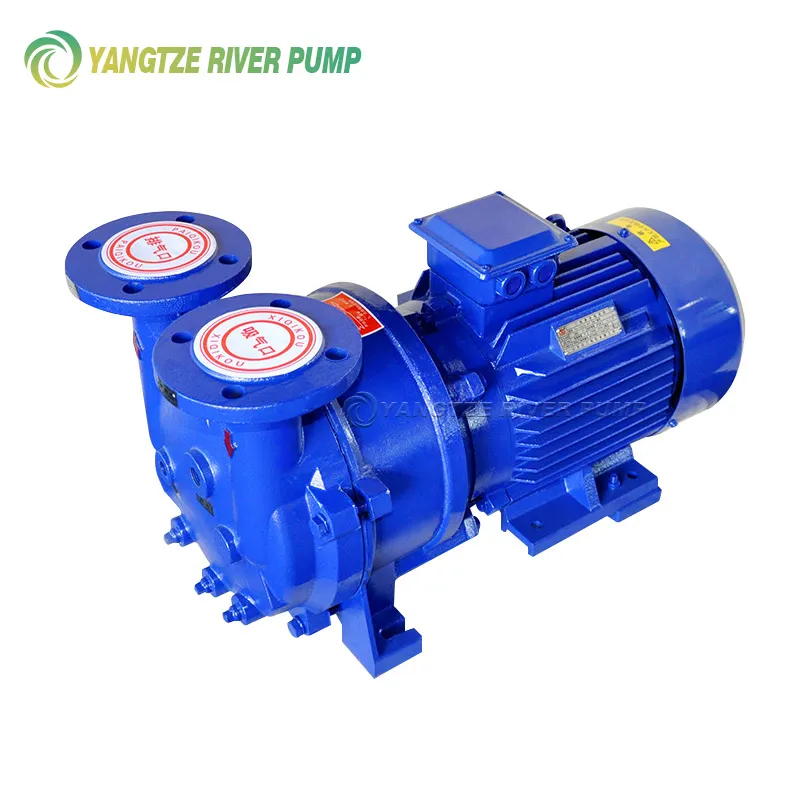 Liquid ring vacuum pumps type SKA and 2BV
-
 YCB Type Circular Gear Pumps
-
 IH Stainless Steel Chemical Centrifugal Pumps
-
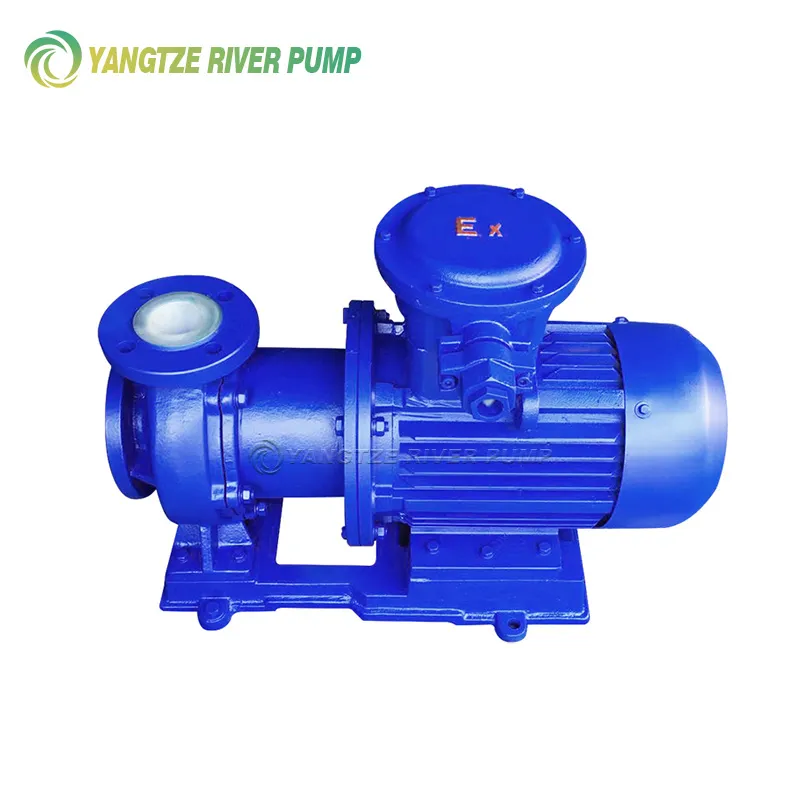 Magnetic pumps with fluoroplastic lining CQB-F
-
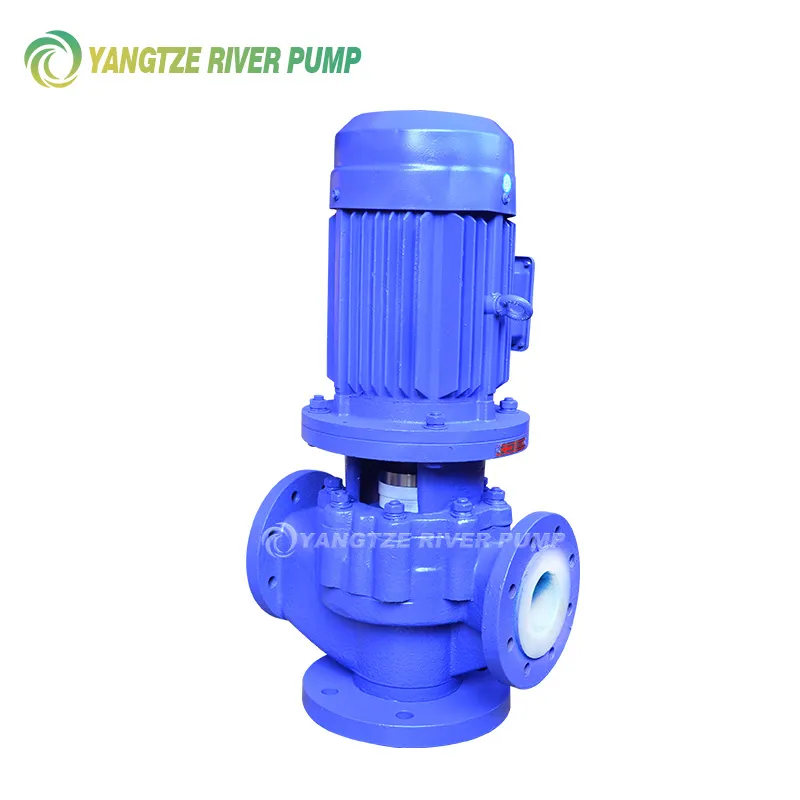 Vertical pumps with PTFE lining YQF
-
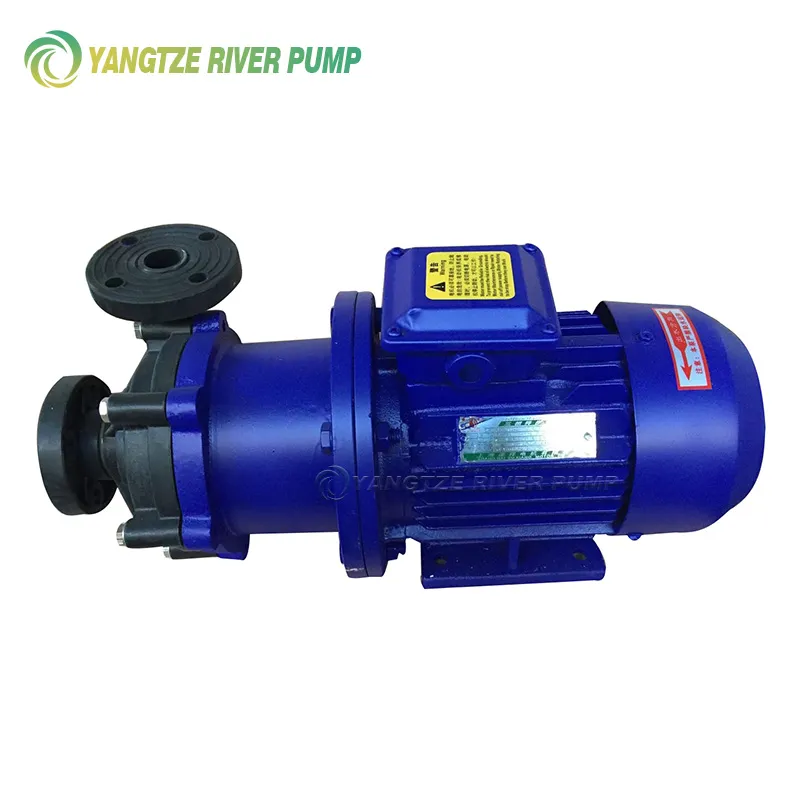 CQF Plastic Magnetic Pumps
-
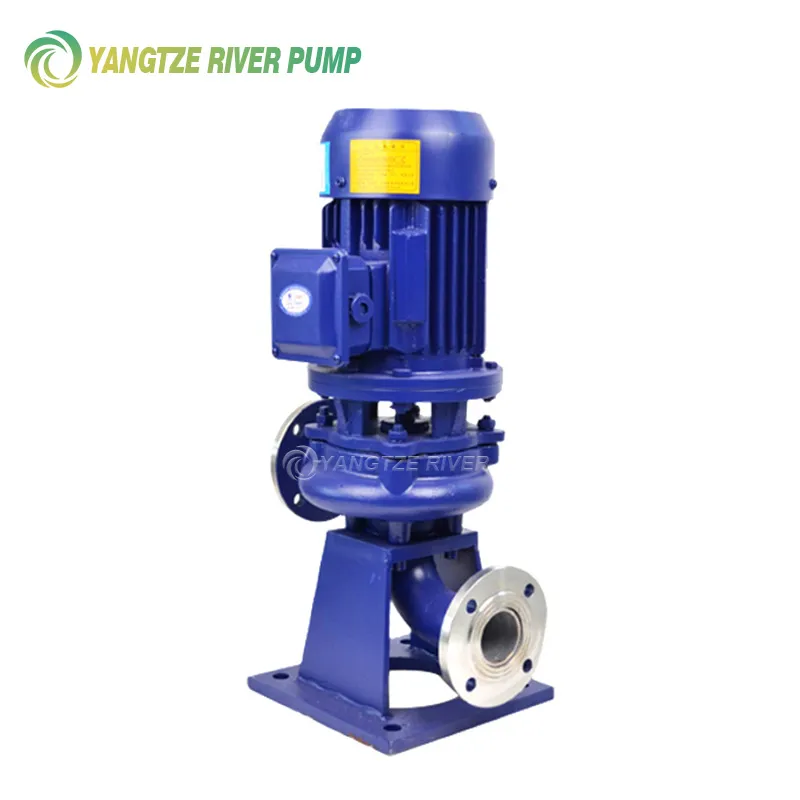 Non-clogging vertical wastewater pumps LW