







centrifugal pump 0 8 kW
I’ll tell you right away - when you hear “centrifugal pump 0 8 kW”, many people think: “a trifle, a trifle, plug it in and forget it?” But in fact, with such kids there is sometimes more hassle than with their powerful brothers. Especially when it comes to chemical media or precise dosing. I have set up dozens of them myself, and each time has its own story. The power is only 0.8 kW, and there are a lot of nuances. And the main one: not every manufacturer understands that for such a caliber you need not just a smaller copy of a large model, but your own design, thought out down to the screw.
Why is 0.8 kW not ?just a small pump?
Let's take, for example, pumping aggressive liquids. This is where the material comes to the fore. The 0.8 kW plastic chemical pump is not just a polypropylene body. This is a question of the durability of welds, the quality of seals, and the compatibility of the material with a specific environment. I have seen cases when a pump from a seemingly solid plant began to “sweat?” at the joints after just a month of working with weak acids. It turns out that the wrong type of plastic was used during casting, and the design of the impeller was designed for water, and not for more viscous chemicals.
Or a moment with efficiency. At low powers, losses of even 5-7% are already critical. A 0.8 kW motor already works at the limit, and if the hydraulic part is not optimal, it will simply overheat and shut down. I had to deal with Chinese models, where, to reduce the cost, they installed a standard electric motor that was not adapted for frequent starts and stops in automatic dosing systems. The result is burnt-out windings after six months.
Here, by the way, manufacturers who perform the full cycle - from R&D to testing - perform well. Like for exampleZhejiang Yangzijiang Pumping Industry Co.,Ltd. On their websiteyangtzeriverpump.ruIt can be seen that the line of chemical pumps is highlighted separately. This is an important signal: it means that they are not approached as a by-product, but are developed specifically. In their case, eight production lines make it possible not to stamp everything one size fits all, but to select materials and parameters for the task.
Self-priming at low power - is it real?
Another common request is a 0.8 kW self-priming centrifugal pump. Technically this is possible, but with serious reservations. Typically, these models require pre-priming and a perfectly sealed suction line. Any air leak, even microscopic, and productivity drops to zero.
I remember a project to pump condensate out of a tank. The customer specifically wanted a compact 0.8 kW self-priming device. We installed one of those common on the market. Everything worked until the temperature in the workshop dropped and condensation appeared in the pipes. Air locks completely killed the self-priming ability. I had to redo the circuit, adding a check valve and an air separator right in front of the inlet. Conclusion: for reliable operation of the self-priming mode with a low-power engine, the system must be ideally designed, and the pump must be initially designed for this purpose. The company mentioned earlier, by the way, also has self-priming pumps in its product range - it’s worth looking at the specific characteristics of the suction height for such low-power models.
This is where the catch in passport data often lies. Some manufacturers specify a maximum suction lift for ideal conditions (water, short straight hose). In practice, with the same viscous liquid or winding pipeline, the real figure may be one and a half to two times lower. I always advise clients to reserve power or look at models with a slightly larger headroom.
Magnetic drive vs mechanical seal in the context of 0.8 kW
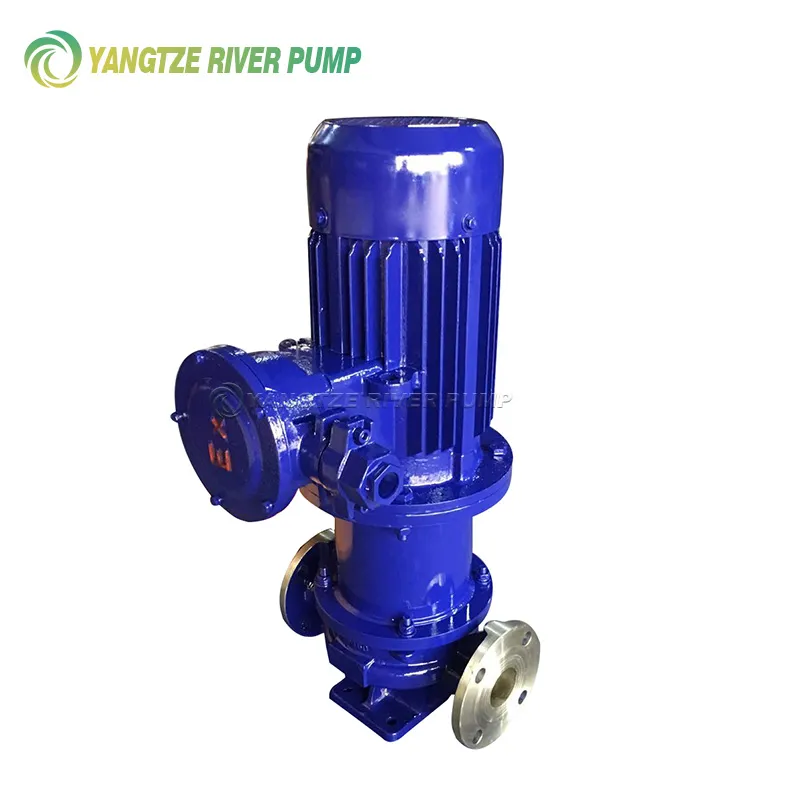
Magnetic pumps (magnetic coupling pumps) are increasingly being chosen for chemical applications. And for a power of 0.8 kW, this, in my opinion, is one of the most reasonable solutions. Completely sealed, no mechanical seal to leak. But even here there are some “buts”.
The magnetic coupling tends to slip when overloaded. If suddenly a blockage occurs in the line or the liquid suddenly increases in viscosity, the 0.8 kW motor can continue to spin, and the impeller can stop. This leads to overheating of the coupling and demagnetization. When I installed such pumps for pumping suspensions, I had to additionally install a flow sensor for emergency shutdown, since the standard thermal protection of the motor was not enough.
On the other hand, it is ideal for clean but aggressive environments. Especially if the production is likeZhejiang Yangzijiang Pumping Industry Co.,Ltd, covers both magnetic pumps and plastic chemical pumps. This allows them to select a solution not based on the principle of “what is available?”, but based on the problem. For 0.8 kW, it is important that the magnetic coupling is correctly designed for the torque of this particular engine, and not be universal for the range of 0.5-1.5 kW. Such ?versatility? often reduces efficiency.
Immersion and linear options - where are they appropriate?
When it comes tosubmersible pumpslow power, many people immediately think about drainage. But there are also chemical submersible models with a capacity of 0.8 kW. Their main advantage is that self-priming ability is not needed, the pump is always flooded. But the downside is that the entire unit, including the engine, must be resistant to the environment. It's more expensive. I have seen successful solutions in small galvanic lines, where the pump constantly operates in a bath of electrolyte.
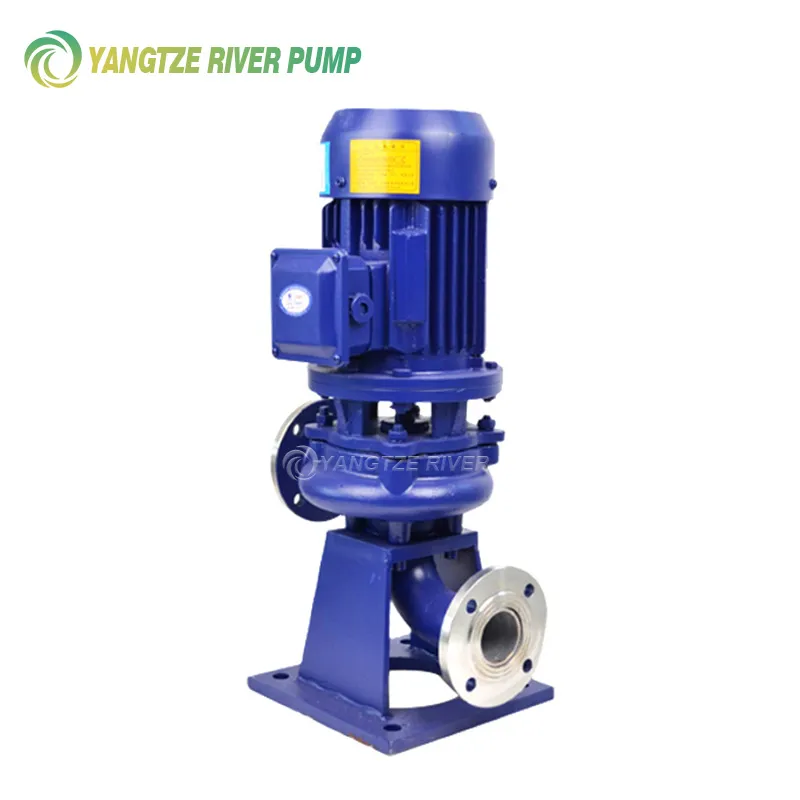
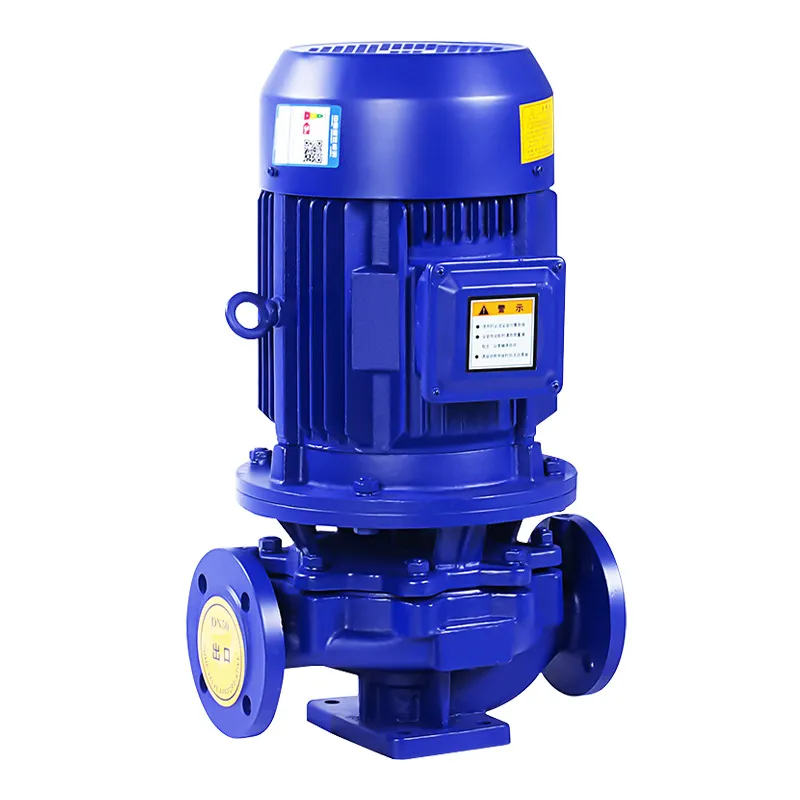
Linear centrifugal pumps(in-line) at 0.8 kW is an excellent solution for inserting into an existing pipeline without changing its geometry. They are compact. But their weak point is often more difficult to access the seal for maintenance. If the pump pumps liquid with abrasive inclusions, the mechanical seal can wear out very quickly, and changing it by dismantling half the pipeline is even more fun.
In this regard, the approach of full-cycle manufacturers is interesting. If a company, like Yangtzejiang, produces linear, submersible, and standard centrifugal pumps, then most likely they have proven modular solutions. For example, for a 0.8 kW linear pump, they can offer several seal options to choose from - stuffing box, single or double end seal. This is already the level when they approach the issue in detail.
Testing and service - nothing without it
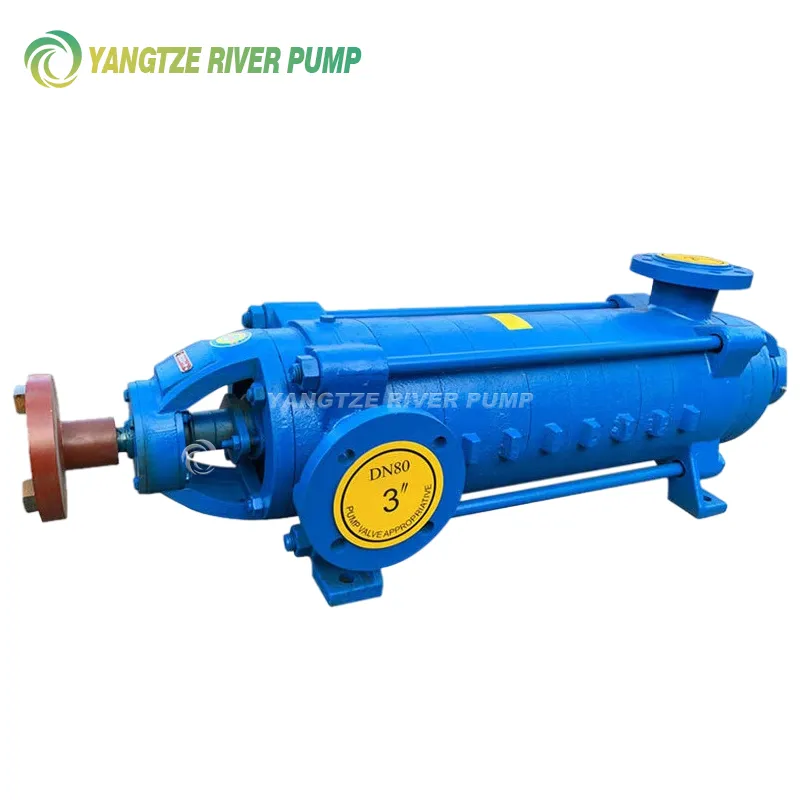
The most important thing that distinguishes ?iron? from reliable equipment - these are tests. A 0.8 kW pump, which was assembled and immediately packaged, is a lottery. There must be runs on water, testing of performance characteristics (pressure, flow), and vibration-acoustic control. Especially for multi-stage centrifugal pumps of this power - where an imbalance of even one stage can cause premature wear.
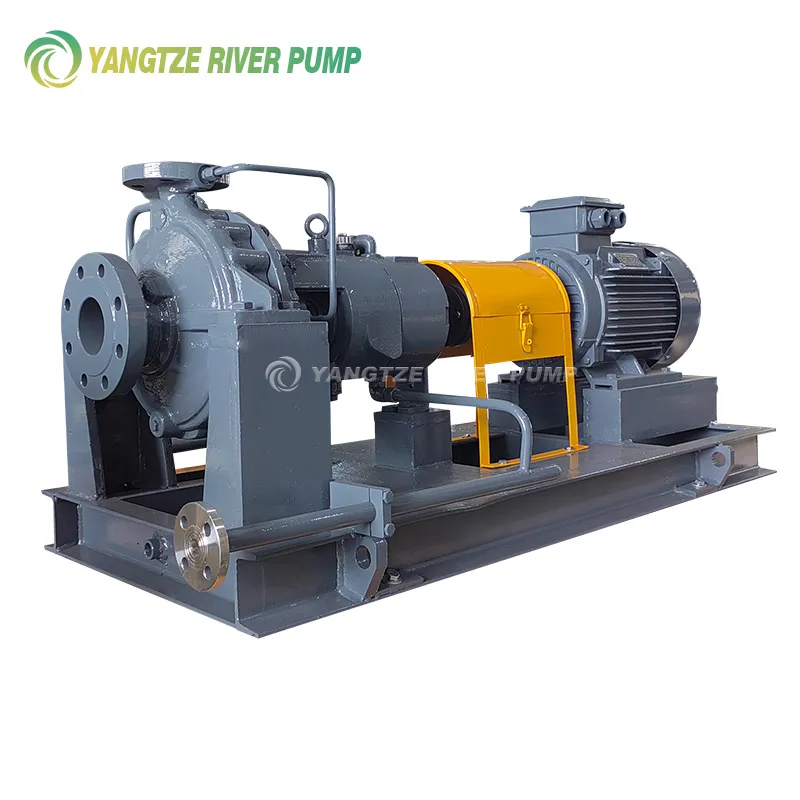
On their website in the company descriptionyangtzeriverpump.ruexpressly stated: ?...combining the areas of R&D, production, testing, sales and customer service?. For me, as a practitioner, the word “test” here is the key. This means that there is a chance that the pump was at least tested on a bench before shipment. This is already a huge plus.
And the last thing is the service. Even with the most reliable 0.8 kW pump, questions may arise regarding installation or selection of sealing materials. The willingness of the manufacturer or its representative to promptly provide advice, send a wiring diagram or connection drawing is what saves days and sometimes weeks of work. When the production is complex, as in the company described, where they make single-stage, multi-stage, magnetic, and plastic pumps, technical support usually has a deeper understanding of the entire line and more options for solving a non-standard problem.
In general, a 0.8 kW centrifugal pump is the whole world. Its choice is not based on the principle of “smaller and cheaper”, but on the principle of “right on target”. And you need to look not only at the price tag, but at who makes it and how, from what and what he can offer in addition to the “piece of hardware” itself.
Correspondingproducts
Related Products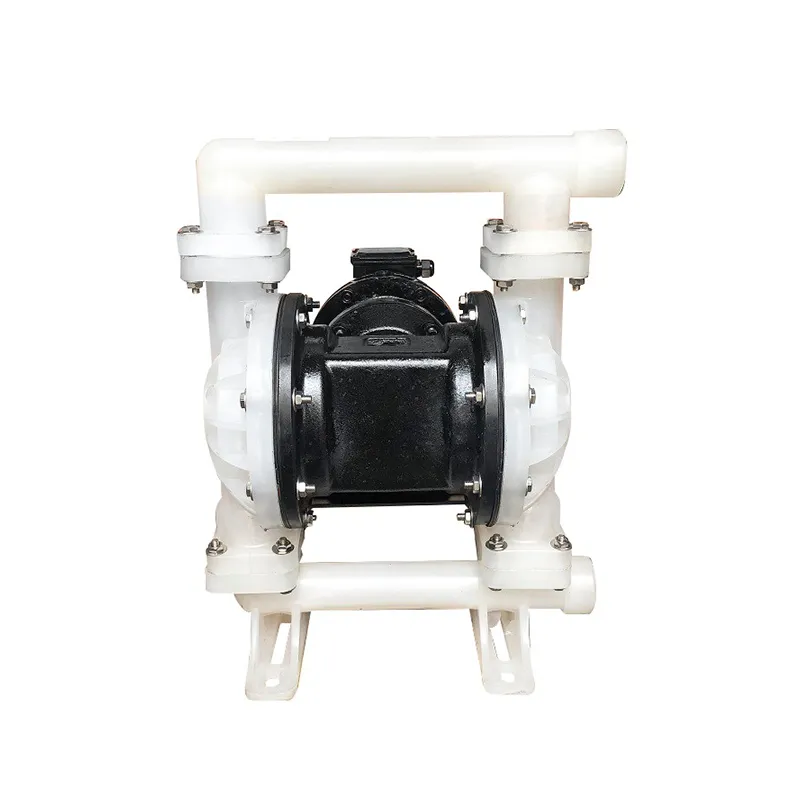

Best Sellingproducts
Best Selling Products-
 Vertical single-stage pipeline centrifugal pumps ISG and IHG
-
 Vertical magnetic pumps CQB-L
-
 YCZ Chemical Process Pumps
-
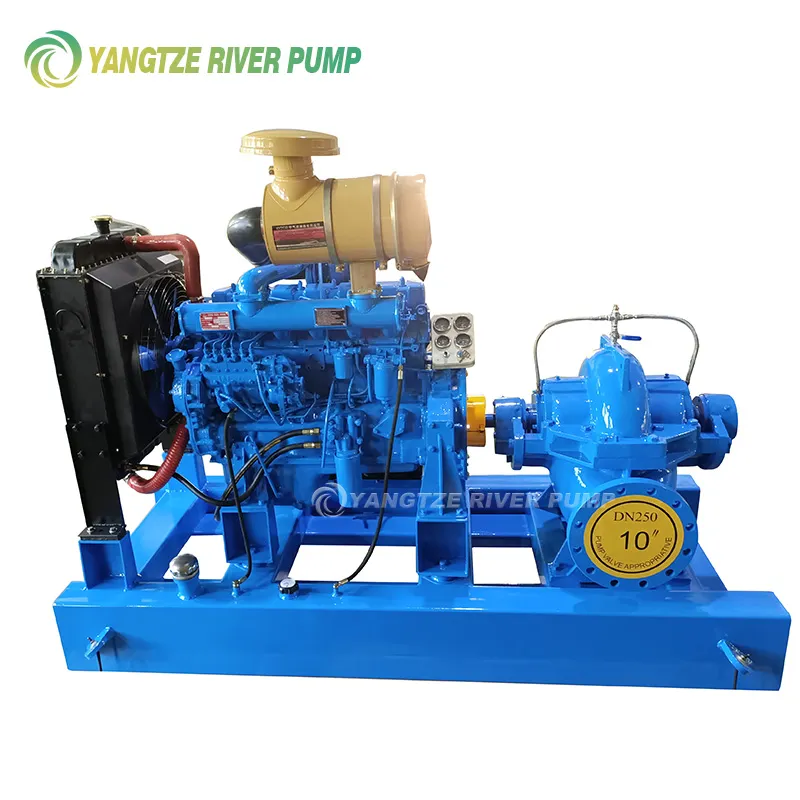 Diesel pumps with horizontal connector YZS and YZSH
-
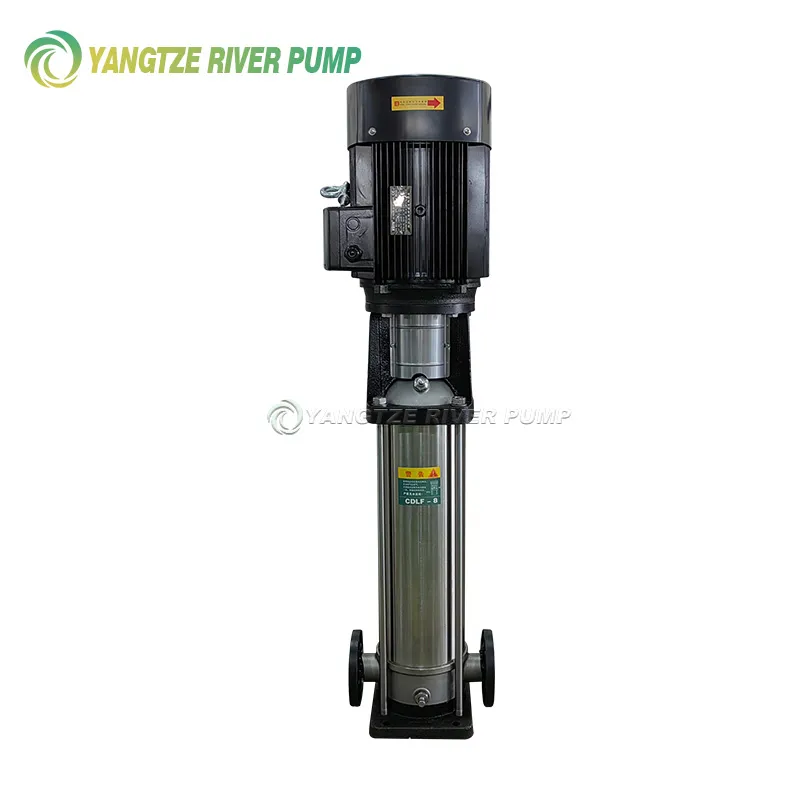 Vertical multistage centrifugal pumps made of stainless steel (light series) CDL and CDLF
-
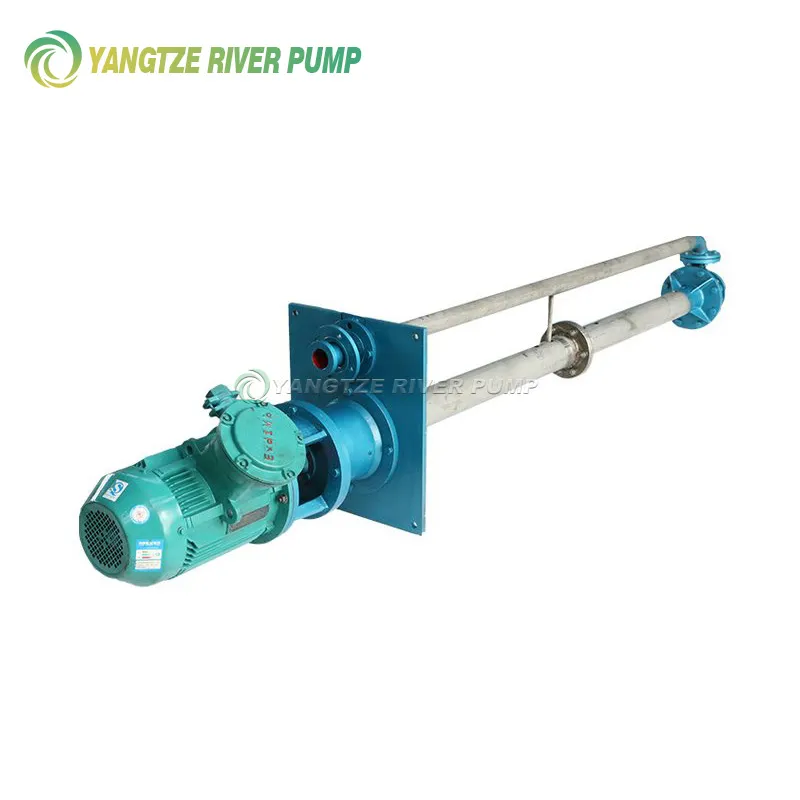 FY Submersible Chemical Pumps
-
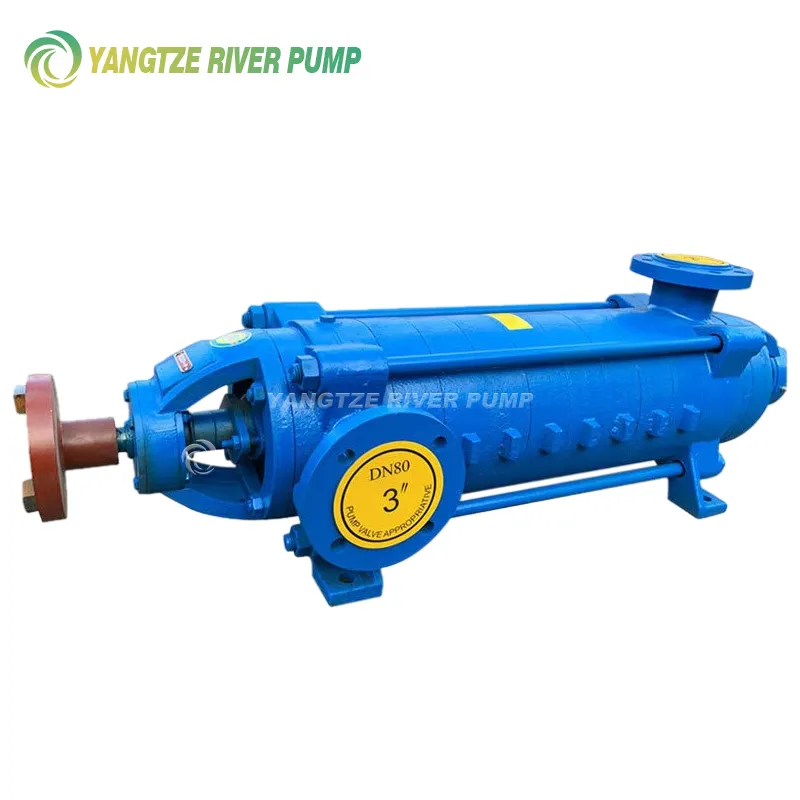 Horizontal multistage pumps for feeding DG boilers
-
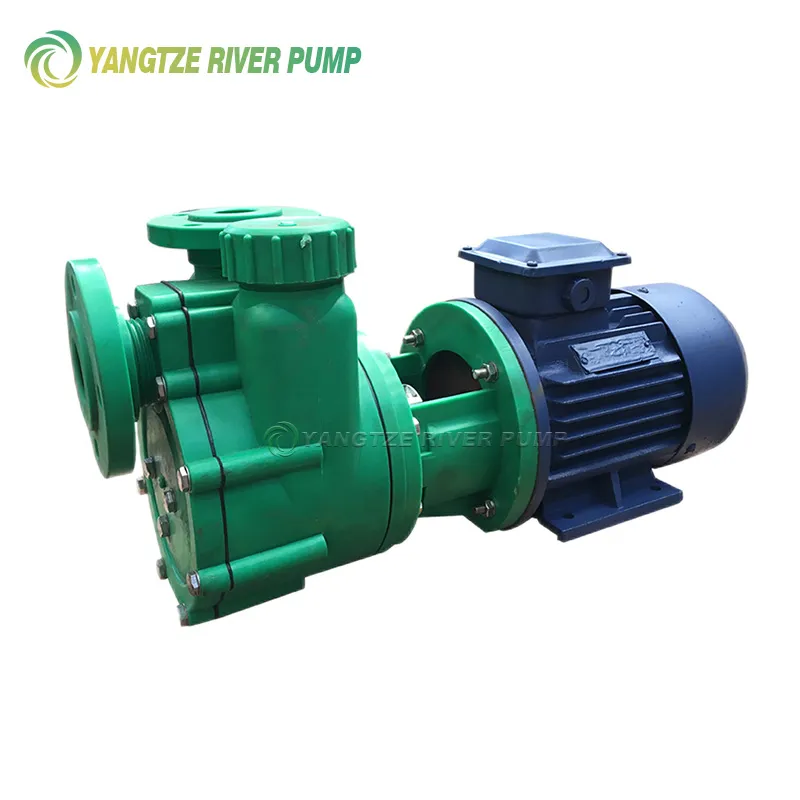 Plastic self-priming centrifugal pumps FP and FS
-
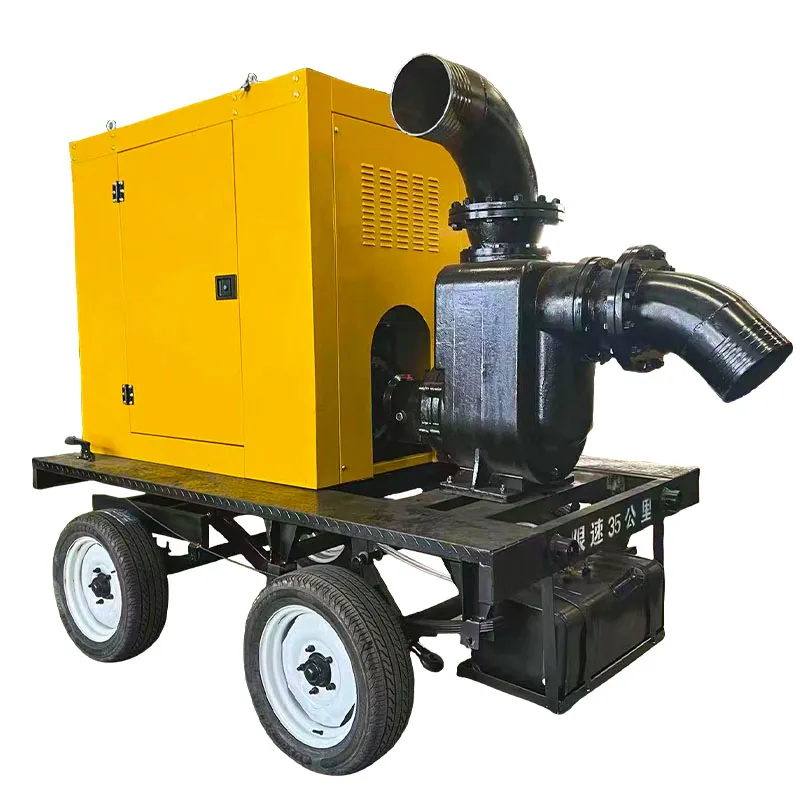 YZZW Diesel self-priming pumps
-
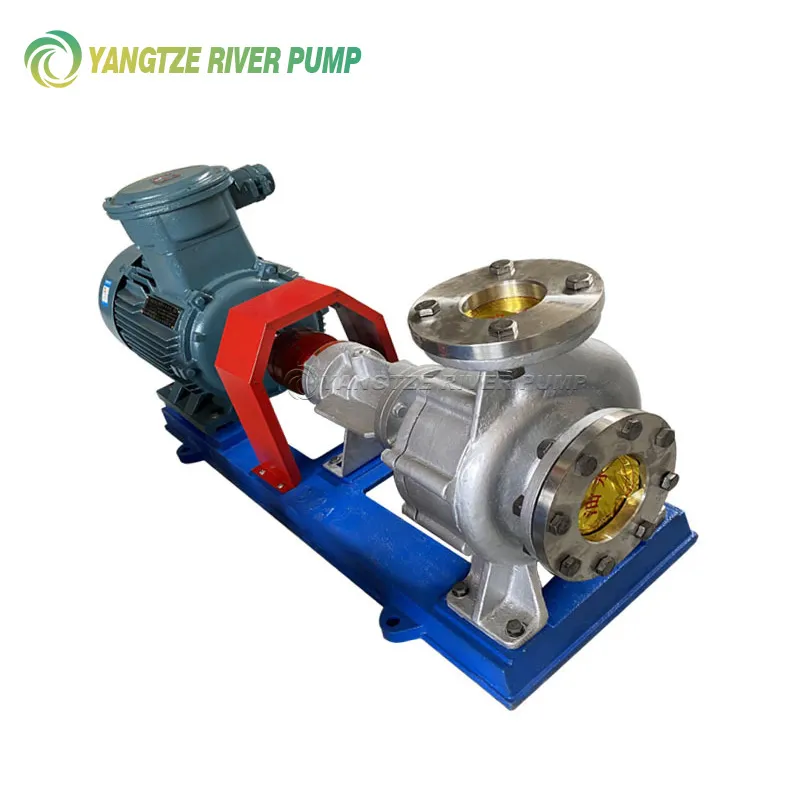 RY thermal oil pumps
-
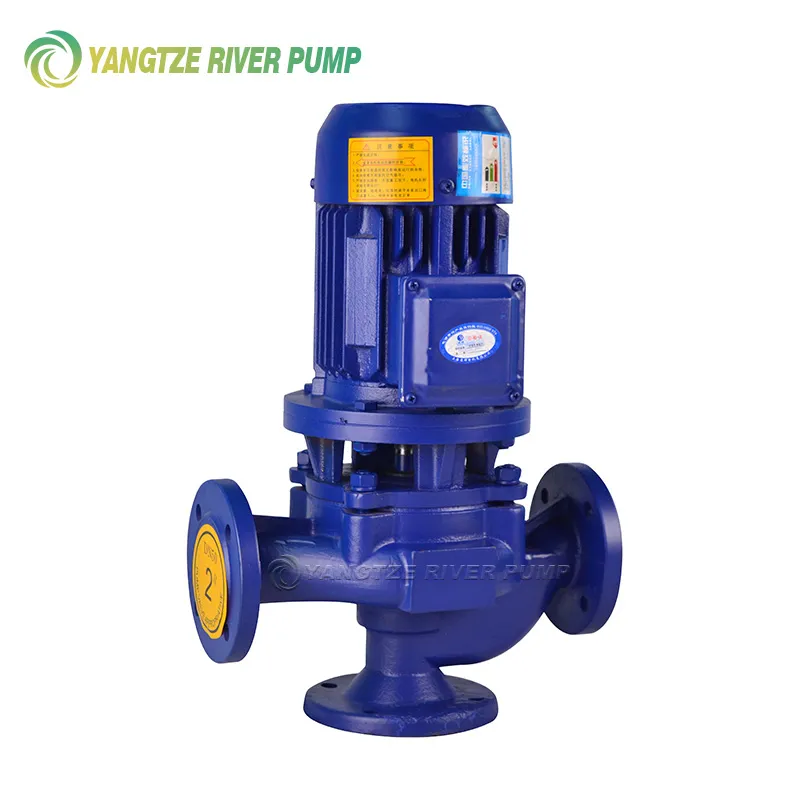 Pipeline wastewater pumps GW
-
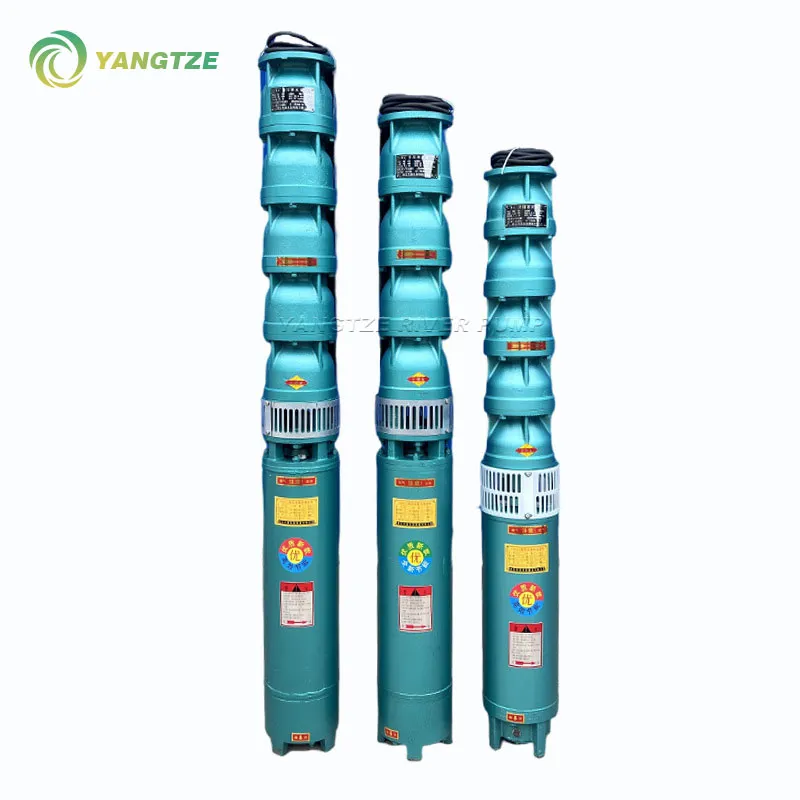 QJ type borehole pumps