







deep well pump 40 m
When you hear “40 m deep pump,” the first thing that comes to the mind of an inexperienced buyer is probably that he will get water from forty meters and that’s it. But in practice, this figure is only the starting point for a whole chain of calculations and “what if?” The most common mistake is not to take into account the dynamic level and flow rate of the well. It happened that the pump was set to capacity according to the passport at 40 meters, and after a season it began to “suffocate for air”. - because in the summer the level dropped, and the filter gradually silted up. Or another story: the pump seems to be working, but the supply is weak, the house is in strict water saving mode. And all because they forgot about the horizontal section from the well to the house, which also creates resistance, that same pressure. So what? 40 meters? - this is not the depth to which it was lowered, but rather the total load that it must overcome in order to produce the stated parameters. Here, without an understanding of how the unit itself is structured and what realities it will have to face in the ground, there is nowhere.
What's Really Hidden Behind the Characteristics?
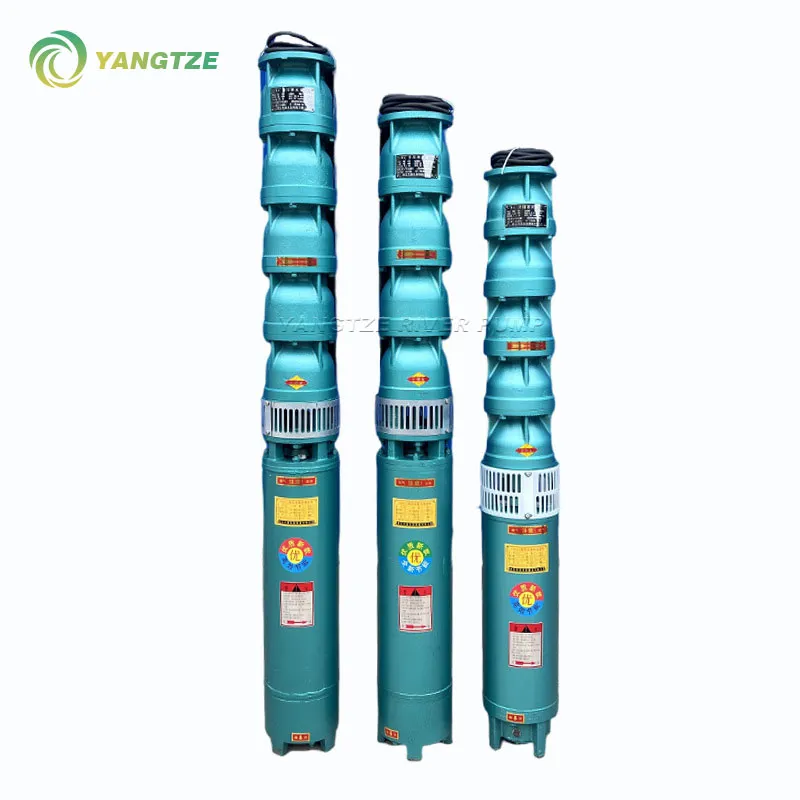
Take, for example, multistage submersible pumps - they are often used for such depths. The principle is that several impellers (stages) sequentially increase the pressure. The more there are, the higher the potential pressure. But here’s a nuance: for a 40-meter well, you don’t always need a pump with the maximum possible pressure of 80 or 100 meters. Excessive pressure is not only an overpayment, but also the risk of more difficult work, perhaps even the need to install an additional pressure relief valve so as not to “rupture” pipeline. The key parameter is the created pressure, which must cover the sum: depth to the dynamic level + height to the upper water point in the house + losses in horizontal pipes + required free pressure in the tap. I often see how people take a pump with a reserve “just in case?”, and then suffer from noise in the system and frequent switching on of the accumulator.
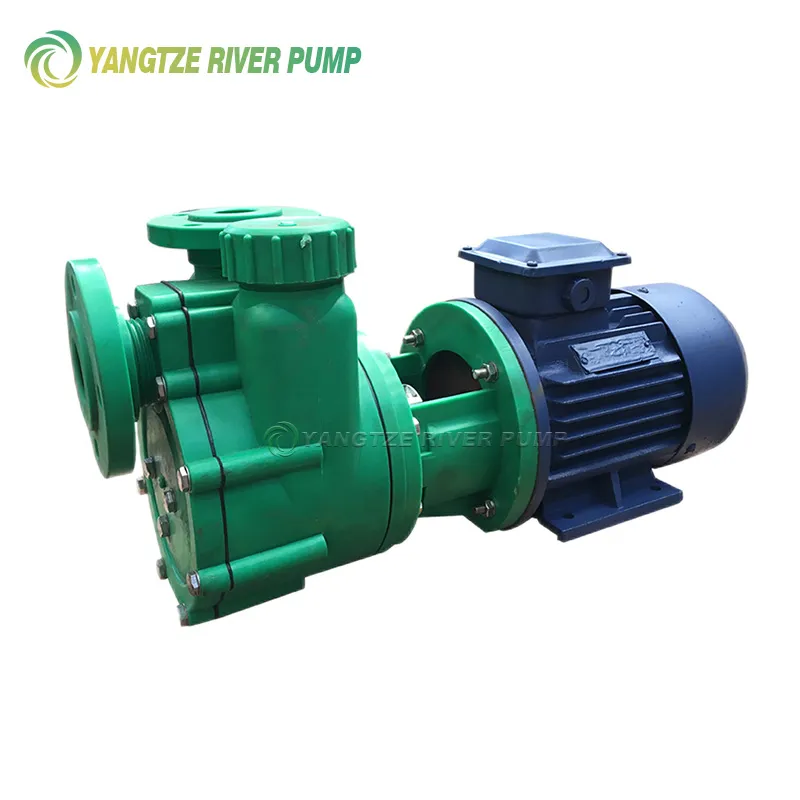
The material of the housing and impellers is a separate issue. For fresh water with low aggressiveness, stainless steel is often sufficient, but if the water has signs of hydrogen sulfide or increased mineralization, it is worth taking a closer look at options with a higher chromium content or even plastic chemical pumps for very difficult environments. In our production, inZhejiang Yangzijiang Pumping Industry Co.,Ltd, the line of plastic chemical pumps just grew out of requests for wells with aggressive water, where the standard is “stainless steel?” I might not be able to stand it. But for an ordinary well on sand or limestone with a normal pH, a high-quality food grade stainless steel AISI 304 is most often sufficient.
And one more thing about the diameter. ?Forty meters? pump - often a model with a 4-inch (about 100 mm) casing to fit into a standard 110-115 mm casing pipe. But here it is important not just to fit in, but to leave a gap for normal cooling of the engine with water. There were precedents when a pump was picked up end-to-end, and after a slight bend in the wellbore, it simply got stuck when trying to lift it for maintenance. So I always advise: know the exact internal diameter of your casing and take a pump at least 10-15 mm smaller.
Experience from the field: when theory meets reality
One of the most significant cases was at a facility near Moscow. Well 45 meters, casing 125 mm, clean water. The customer bought a powerfuldeep well pumpwith a pressure of as much as 90 meters. Installed. Six months later, complaints: the pump turns on every two minutes, even when the water is not being dispensed. We arrived and checked - the check valve does not hold in the pump. But the reason was not marriage. Due to too high a pressure and an incorrectly configured pressure switch, constant water hammer was created during shutdown, which “landed” valve. I had to install an additional valve on the line and reconfigure the automation. Conclusion: excess power does not equal reliability. Sometimes it is more correct to take a model whose parameters are closer to the calculated ones, but from a trusted manufacturer, where the build quality and materials are high.
Another common problem that you won’t see on the data sheet is inrush current and the quality of power supply in rural areas. A 40 meter pump is usually a unit with a power of 0.75 to 1.5 kW. When starting, the current can be 3-5 times higher than the nominal value. If the line is old, the voltage “drops,” the engine may not reach rated speed, overheat and shut down due to thermal protection. In such cases, we always recommend installing a stabilizer or at least making sure that the cable cross-section from the shield to the well is sufficient. And yes, it is better to take the cable with a reserve length and not extend it in the well - any twisting under water is a potential point of failure.
I’ll also tell you about my early mistake. About ten years ago, a pump was installed at a site where the dynamic level was about 35 meters. They installed it as expected, with a check valve and a safety rope. Everything worked. And two years later the customer calls: the water comes with sand. It turned out that the well filter had silted up, and the pump, which was standing almost at the bottom, began to “drill” it. I had to lift, flush the well and reposition the pump higher, installing a dry-running sensor for safety. Now I always insist that the pump hang no lower than 2-3 meters from the bottom of the well, and be sure to install a sensor to protect against operation without water. This has saved more than one pump from burning out.
Choice and subtleties of installation: what to look for besides price
When choosing a pump for such depths, you cannot simply compare pressure and performance figures. You need to look at the design. For example, shaft. It is better if it is a solid stainless shaft, rather than assembled from separate sections - there are fewer points of potential runout and wear. Bearings: sliding or rolling? For clean water, graphite or ceramic sliding bearings are often used; they are quieter. But if there is a risk of sand, then rolling bearings (ball bearings) may be more durable, although noisier.
A very important point is the engine cooling system. In goodsubmersible pumpsThe engine is cooled by the flow of rising water. To do this, there must be sufficient clearance between the pump casing and the casing. If the pump is standing end-to-end, the engine will overheat, even if the water is cold. Sometimes the specifications directly state the minimum recommended well diameter. Ignoring this means guaranteed to reduce the service life by half, or even more.
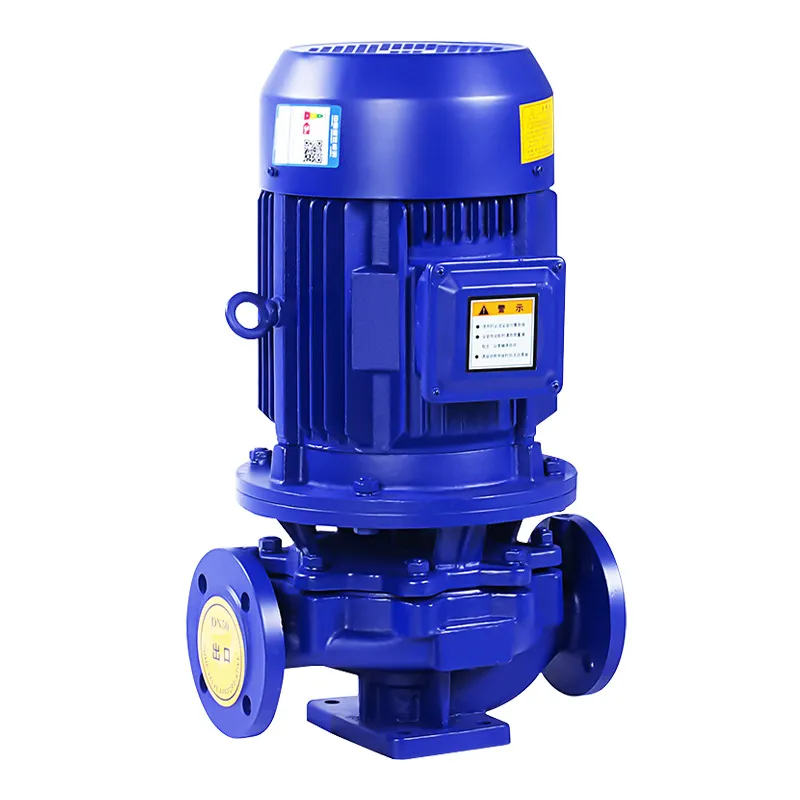
About installation. It would seem so complicated: lower it, connect it, turn it on. But there are no trifles here. The cable should be made of stainless steel, and not galvanized, which rusts at the crimp point. The cable is special, for submersible equipment, with moisture-proof insulation. All connections are better made through sealed couplings, and not twisted, filled with heat shrink. And you definitely need to putlinear centrifugal pump? No, of course, this is a different type. But by the way, our company also makes these, they are for other tasks. And for a well, it’s a submersible multi-stage model. So, it is imperative to keep a log where the depths are recorded: total, static and dynamic levels, pump suspension point. This will then save a lot of time in case of any problems.
Service and durability: how not to throw money away
No pump lasts forever. The question is how to extend its life. The first enemy is dry work. A dry running sensor is a must have. The second enemy is voltage surges. A stabilizer or at least a high-quality protection unit with a voltage control relay helps a lot. The third enemy is water hammer. A soft start (if it is included in the design) or installation of soft starting valves and a hydraulic accumulator of sufficient volume eliminates the problem.
Routine maintenance for submersible pumps is a relative concept, because it is expensive to get it every year. Therefore, all diagnostics are based on measurements: current consumption (increased current indicates load, possibly due to sand or wear), well flow rate (has it dropped), pressure in the system. If something goes wrong, it’s better not to delay. Sometimes it is easier and cheaper to lift the pump for inspection than to later buy a new one due to a jammed shaft.
And one last thing. Much depends on the manufacturer. Not from the country, but from a specific plant and its approach. At our production inZhejiang Yangzijiang Pumping Industry Co.,Ltd (https://www.yangtzeriverpump.ru) full cycle - from R&D to testing of the finished product. This allows you to control quality at all stages. For example, all submersible pumps are tested on a bench under load, simulating real conditions in terms of pressure and performance. It’s not just “turn on and off”. Therefore, when choosing a pump, I am always interested in how the manufacturer tests it. If the answer is vague, this is a reason to think. In the end, this unit will hang tens of meters underground, and whether there will be water in the house depends on its reliability. And water is no longer just a technology, it is comfort and the very opportunity to live outside the city.
Correspondingproducts
Related Products

Best Sellingproducts
Best Selling Products-
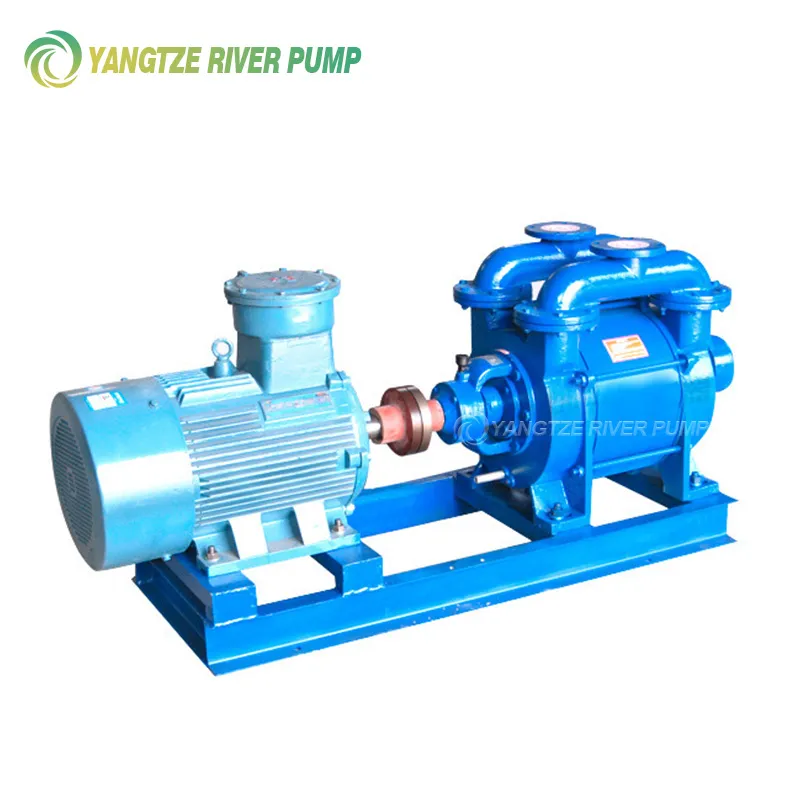 Liquid ring vacuum pumps type SK
-
 Liquid ring vacuum pumps type 2EB
-
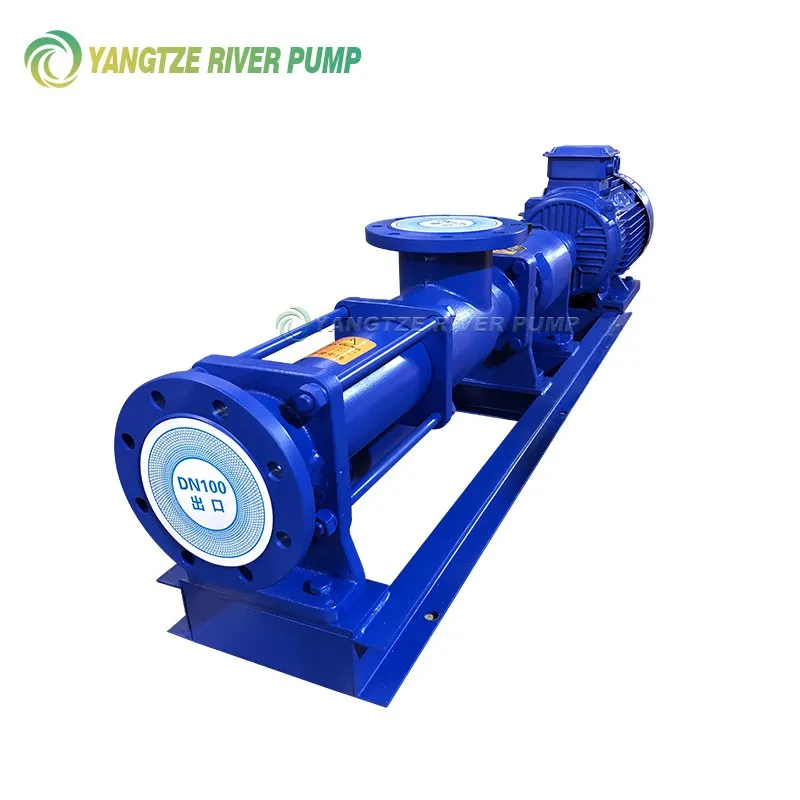 Single screw pumps type G
-
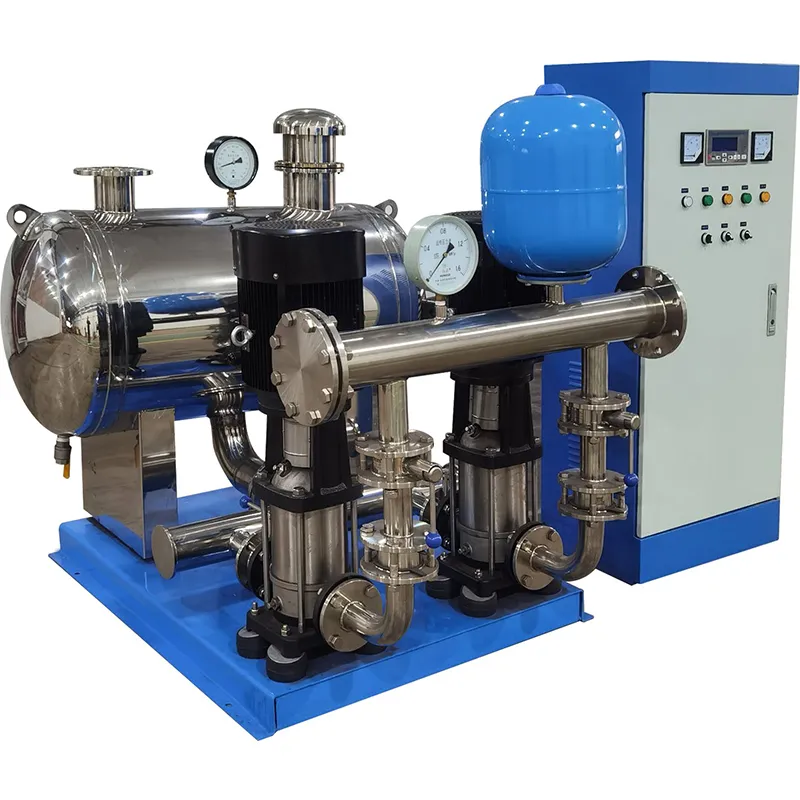 Complete water supply installations with frequency regulation and constant pressure CDLF
-
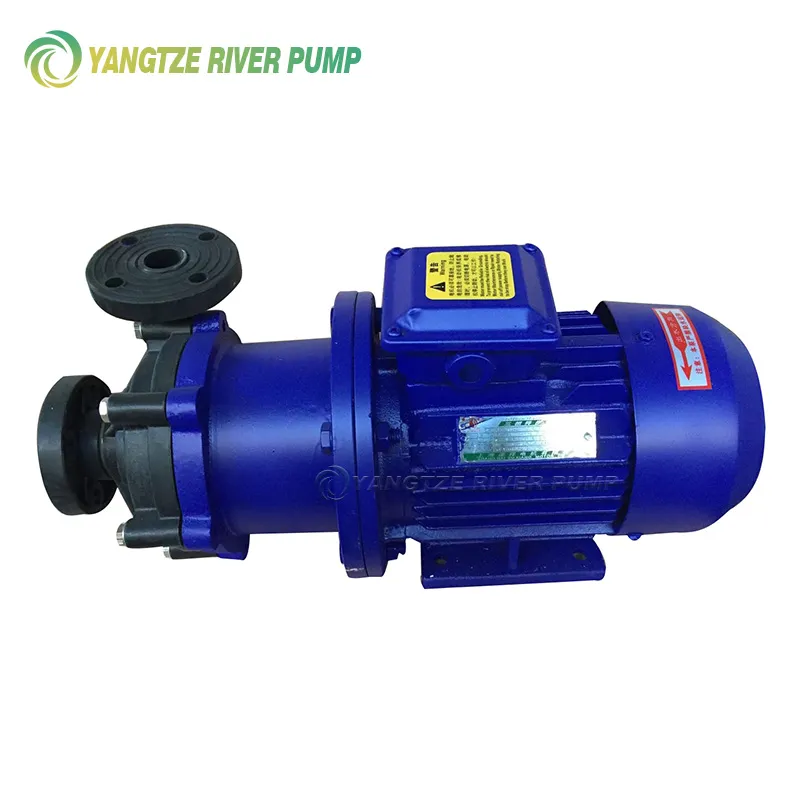 CQF Plastic Magnetic Pumps
-
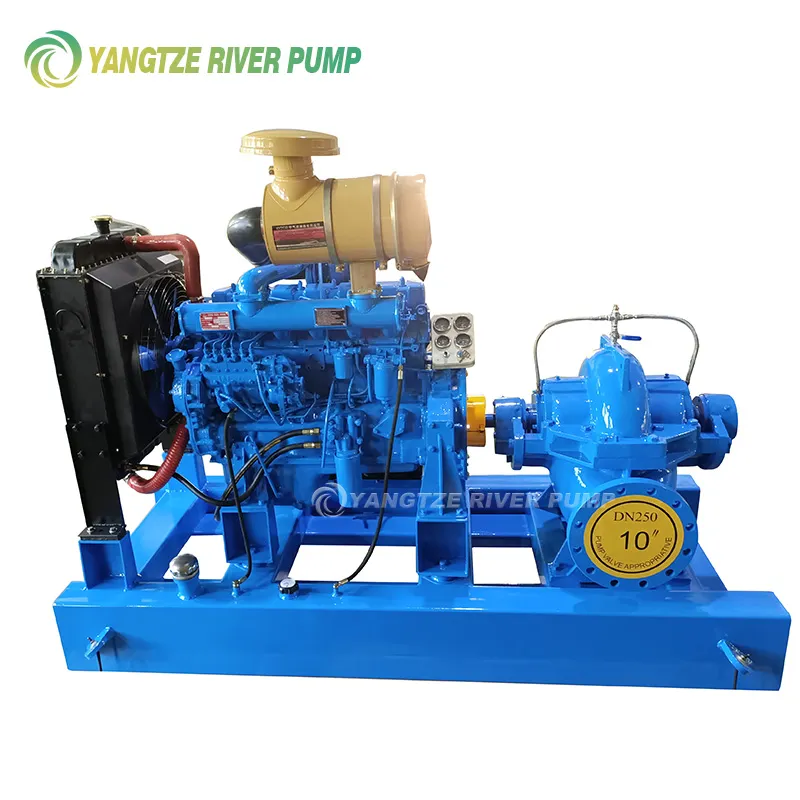 Diesel pumps with horizontal connector YZS and YZSH
-
 Sanitary screw pumps type GF
-
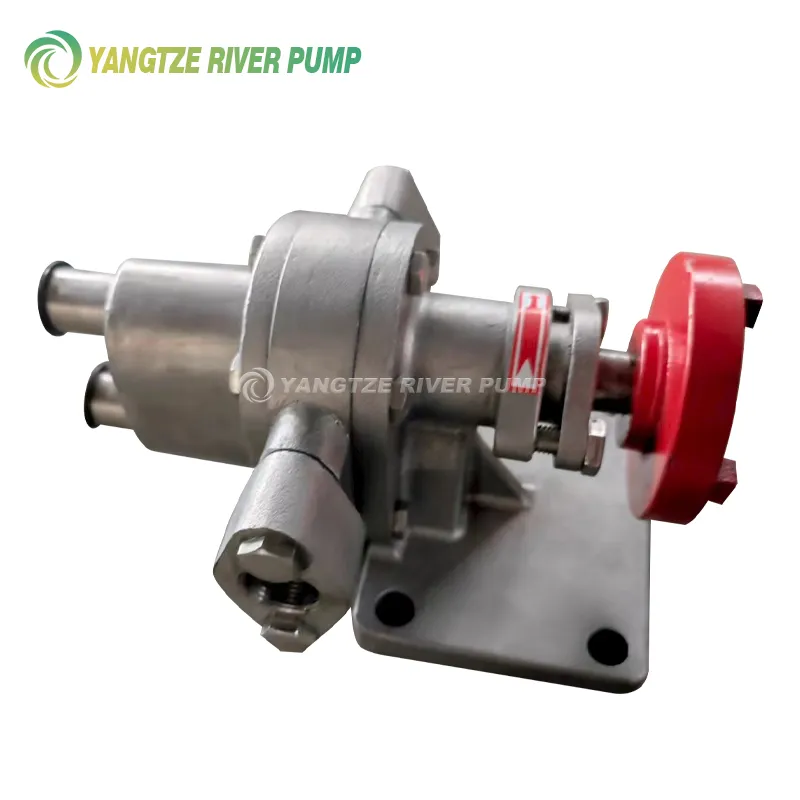 Gear oil pumps type KCB
-
 Infinitely variable screw pumps type G
-
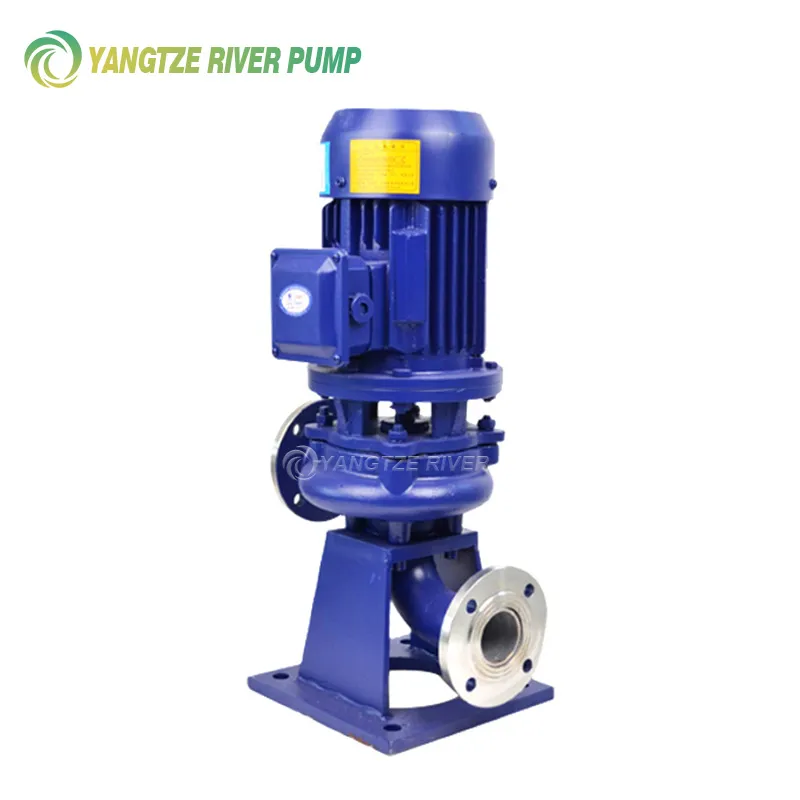 Non-clogging vertical wastewater pumps LW
-
 Horizontal multistage pumps for feeding DC boilers
-
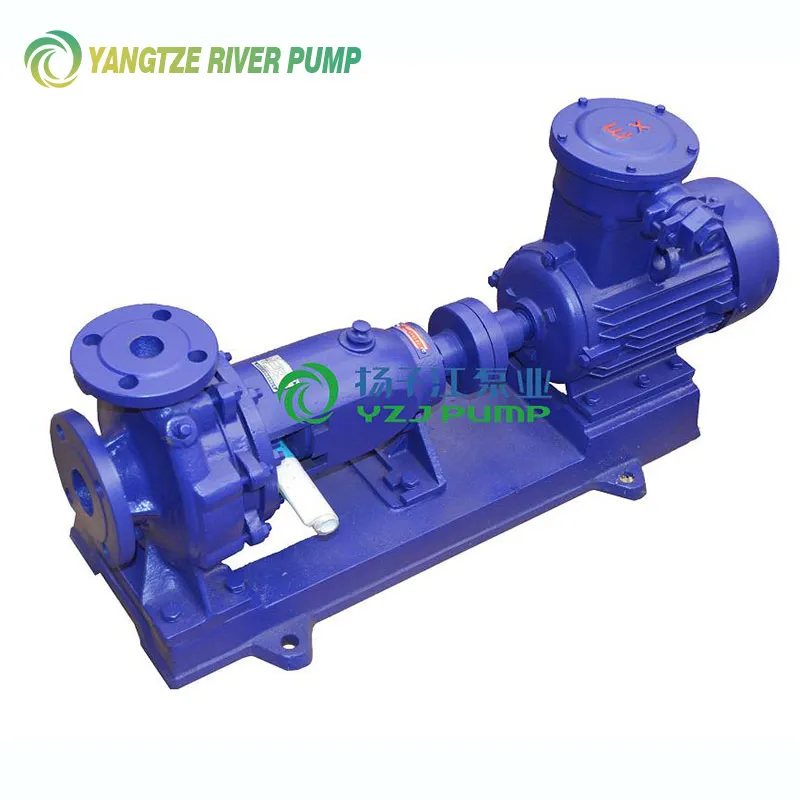 Horizontal chemical centrifugal pumps types IS and IR