







deep well pumps 80
When do you hear?deep well pumps 80?, the first thing that comes to the mind of an inexperienced customer is probably something about 80 meters of lift or maybe 80 cubic meters per hour. And this is where the fun begins, because in real work this figure is rarely so clear-cut. I often see people chasing this “80” as if it were a magic panacea, without going into details: 80 of what? At what pressure? From what depth? And most importantly - for what environment? At Zhejiang Yangzijiang Pumping Industry Co.,Ltd, when it comes to selection, we always start with these questions. Because if you install the wrong unit, you will then suffer with repairs or, worse, complete downtime of the well.
Where does this ?80 come from? and why it is deceptive
In the passports of many models, especially of Chinese origin, which are now flooding the market, this number often appears. But if we take our experience of testing at our own stands (and our company has a full cycle, including R&D and testing), it turns out that the declared 80 meters of pressure can only be achieved in ideal laboratory conditions - with clean water, with a stable voltage and a new, unplanted impeller. In real life, in the same sand well, the actual pressure can drop by 15-20% already in the first month of active work. This is not a hoax, this is physics - abrasive wear.
Therefore, we have long ago developed an approach for ourselves: when a client requests a pump for 80 meters, we immediately clarify the depth of the dynamic level, the flow rate of the well and the nature of the impurities. And we often offer a model with a reserve. For example, if you need to guarantee pumping from 75 meters, it is better to look at units whose ratings start from 90-95 meters. This is especially true for multi-stage centrifugal pumps - where the supply of stages provides this “safety cushion”.
There was a case at one of the facilities in the Moscow region: the customer bought somewhere a cheap “eighty-meter” one. pump for an artesian well. According to the passport, everything matched. But after two months the supply dropped by half. They dismantled it - and there was erosion of the impellers due to the increased content of dissolved iron. The material was not the same. So much for ?80?. We had to install our submersible pump made of a corrosion-resistant alloy, specially selected for chemical analysis of water. Since then it has been working for three years without any complaints.
YangtzeRiverPump line: what is hidden behind the designations
On our website https://www.yangtzeriverpump.ru in the submersible pumps section you can find models where the number 80 appears. But if you dig deeper into the technical specifications, it becomes clear what we are talking about. For example, the QS series model. In our country it can be marked as QS80-XX, where the first number often indicates the nominal diameter of the casing in millimeters, and the subsequent numbers indicate the pressure and flow characteristics. But this is an internal logic that we are always ready to decipher.
It is important not just to sell the pump, but to ensure that it fits into the well as if it were original. Therefore, we have in production both linear centrifugal and multi-stage vertical models, which cover the segment of deep wells. For the “eighties” Multi-stage designs are often optimal - they provide high pressure with a compact diameter. But their heart is in the build quality of the steps and the balancing of the shaft. The slightest misalignment and vibration will eat up the bearings within a season.
By the way, about the diameter. A common mistake is to try to fit a pump with a 98 mm casing into a 100 mm casing pipe. There seems to be a gap. But in practice, after lowering the cable, cable, or possible bending of the barrel, the pump may simply jam. We always advise setting a minimum gap of 5-7 mm, or better yet 10. Therefore, for narrow wells we have special rulers with a reduced diameter, but without loss of productivity due to optimization of hydraulics.
Practical pitfalls during operation: the pump is not the only one to blame
Let's say the pump is selected perfectly, lowered into the well, and started. And here the surprises begin. One of the most common is dry work. or with interruptions in water supply. For deep-well pumps this is death. Modern models, of course, have dry-running protection, but it does not always work instantly. In sand wells, it happens that the filter gradually silts up, the flow rate drops, and the pump begins to grab sand and water, and then even air. This is the case when you need to look at the system as a whole: perhaps you need not just a pump 80, but a pump designed to work with abrasive, plus regular pumping and maintenance of the well.
Another point is power supply. In rural areas, the network voltage is rarely stable at 220V. Drawdowns up to 190-200V are common. And for a centrifugal pump, especially a multistage one, this means a drop in speed, a decrease in pressure and an overcurrent. The motor is heating up. I have seen more than once how “unkillable” they are. In appearance, the units failed precisely because of chronic undervoltage. The solution is a stabilizer or, better yet, a frequency converter, which not only stabilizes, but also allows you to smoothly adjust operating parameters.
And, of course, editing. It would seem that it was so complicated: I lowered it on a cable, connected the cable, and secured the head. But how many times did we have to pull out pumps where the cable was simply taped to the pressure pipe, and the cable was just ordinary wire, which rusted and broke after a year. We always insist on a stainless steel cable, on special cable clamps and, preferably, on the use of stainless steel or high-quality polyethylene pipes, and not cheap plastic ones that can burst from water hammer.
Comparison with other types: when 80 is not about depth
Sometimes a request?deep well pumps 80? comes from people who actually need not a submersible, but, for example, a powerful self-priming pump to lift water from 8 meters with horizontal transfer to 80 meters. This is a completely different task! Here we are talking about horizontal pressure and losses in the pipeline. And for this purpose, our linear centrifugal or surface-mounted multistage pumps will be optimal. Confusion about terms is common.
Or another option is pumping chemically aggressive liquids from depth. Here standard submersible water pumps are absolutely not suitable. You need either special coated chemical submersible pumps or, which is often more reliable, plastic chemical pumps or fully sealed magnetic pumps. We also have such solutions in our assortment. They are ?80 meters? – this is a story about the resistance of materials to the environment, and not just about hydraulics.
Therefore, our sales and technical support department, which works in conjunction with production and R&D, always begins the dialogue with an in-depth interview. You can’t just take and sell “pump 80”. You need to understand where they will put it, what they will download and under what conditions. Only then will the equipment serve its useful life and not create headaches for us or the client.
A look from inside production: how a reliable unit is born
When we assemble a deep well pump at Zhejiang Yangzijiang Pumping Industry Co., Ltd., the number 80 is not the starting point, but one of many parameters that is checked at the final stage. First, engineers calculate the hydraulic part: the shape and number of impellers, gaps, material (brass, polymer, stainless steel). Then an electric motor with the required torque and insulation class, often waterproof, is selected.
Particular attention is paid to sealing. The motor shaft must be absolutely isolated from water entering the stator. They use multi-stage mechanical seals or, in more advanced versions, magnetic couplings, as in our magnetic pumps, where there is no mechanical contact at all between the motor shaft and the hydraulics. This is more expensive, but for critical facilities there is no alternative.
Tests are a different story. Each pump is tested on a stand before receiving a passport. We take actual characteristics: pressure, flow, current consumption, case temperature. And if the same 80 meters are declared for a model, then at the stand we check whether it produces them not only at peak, but also in the operating range, adjusted for efficiency. We often underestimate the actual nominal parameter relative to the calculated one in order to ensure that in the field the pump will perform no worse, and sometimes even better. This is more honest to the client.
As a result, returning to the original request. ?Deep well pumps 80? – this is not a product off the shelf, but a whole complex of technical solutions. There is no universal answer. There are the right questions, careful selection and understanding that behind the number in the passport there is specific engineering work, the quality of materials and, ultimately, the experience of a company that does not just sell hardware, but is responsible for its operation in real, far from ideal, conditions. This is exactly what our work at Yangtzeriverpump is based on.
Correspondingproducts
Related Products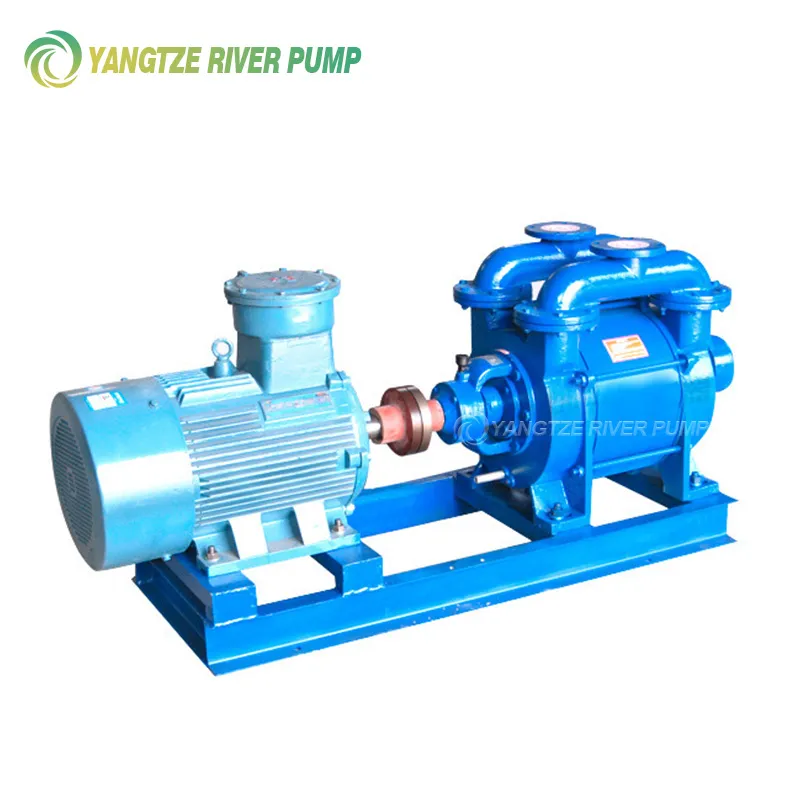
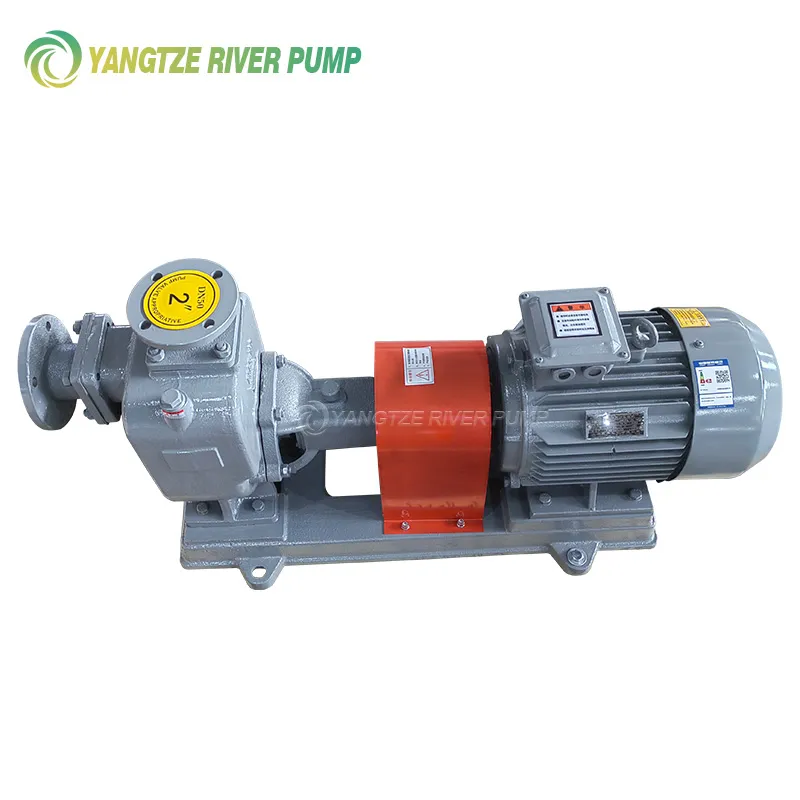
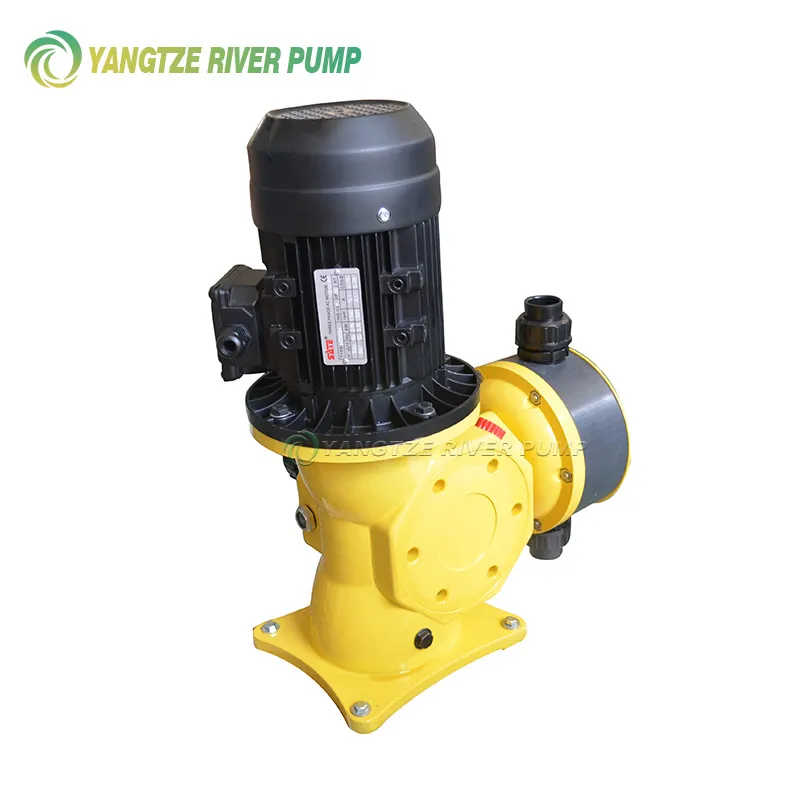
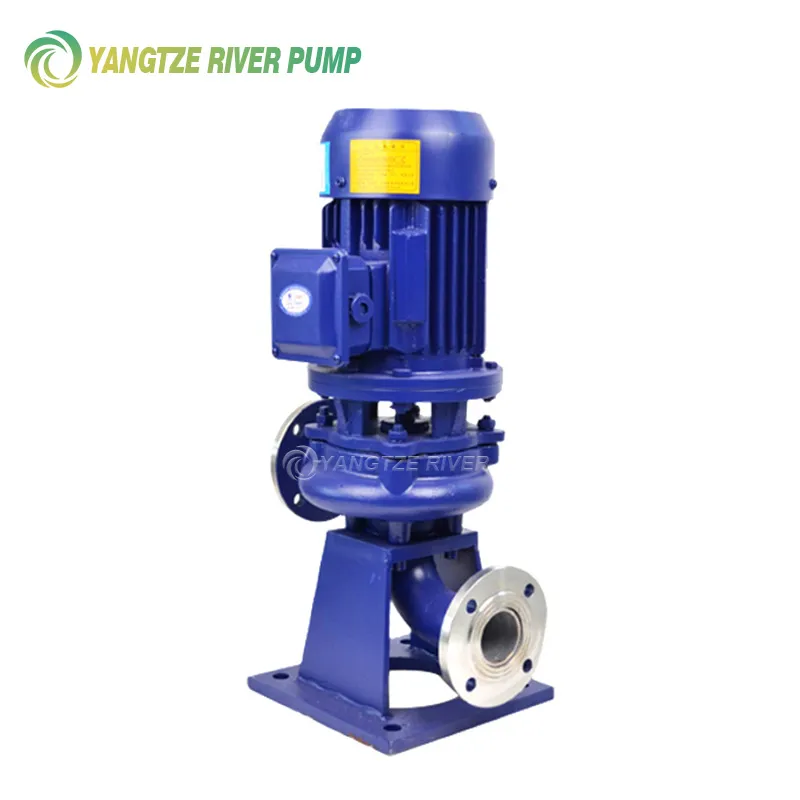

Best Sellingproducts
Best Selling Products-
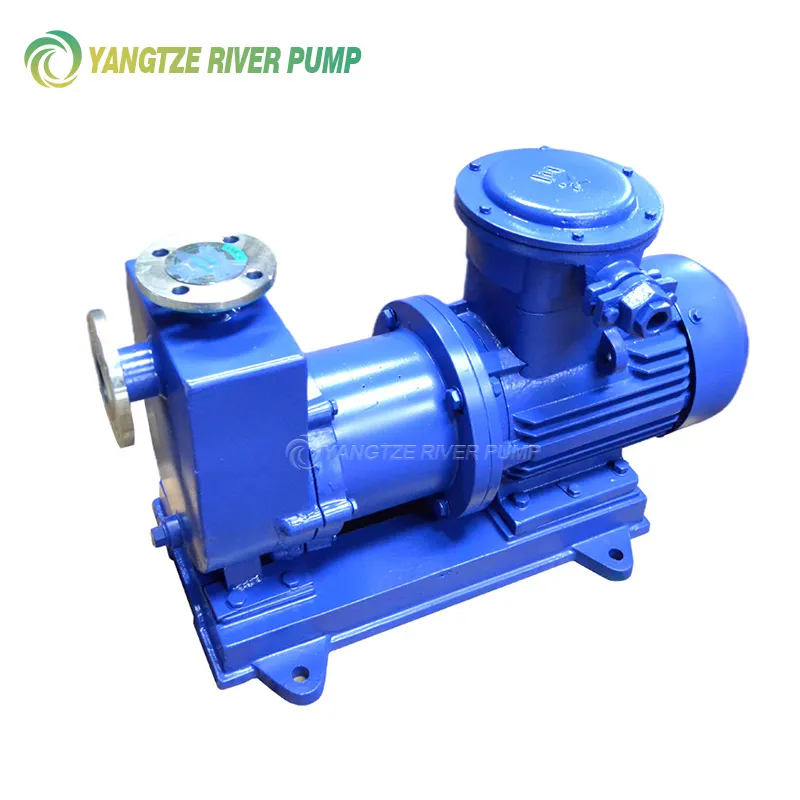 ZCQ Stainless Steel Self-Priming Magnetic Pumps
-
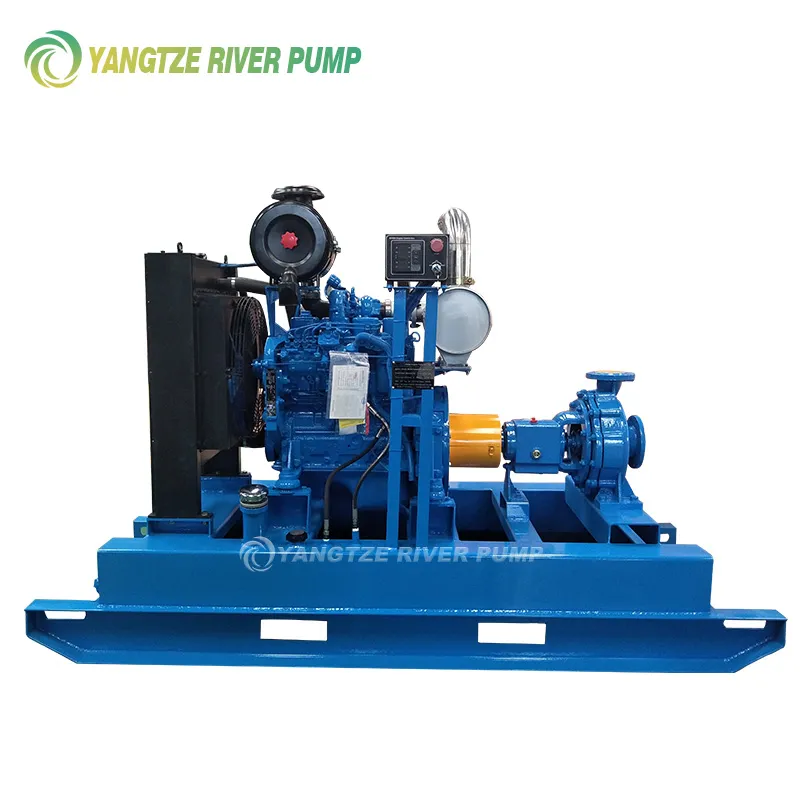 YZIS Diesel Single Stage Centrifugal Pumps
-
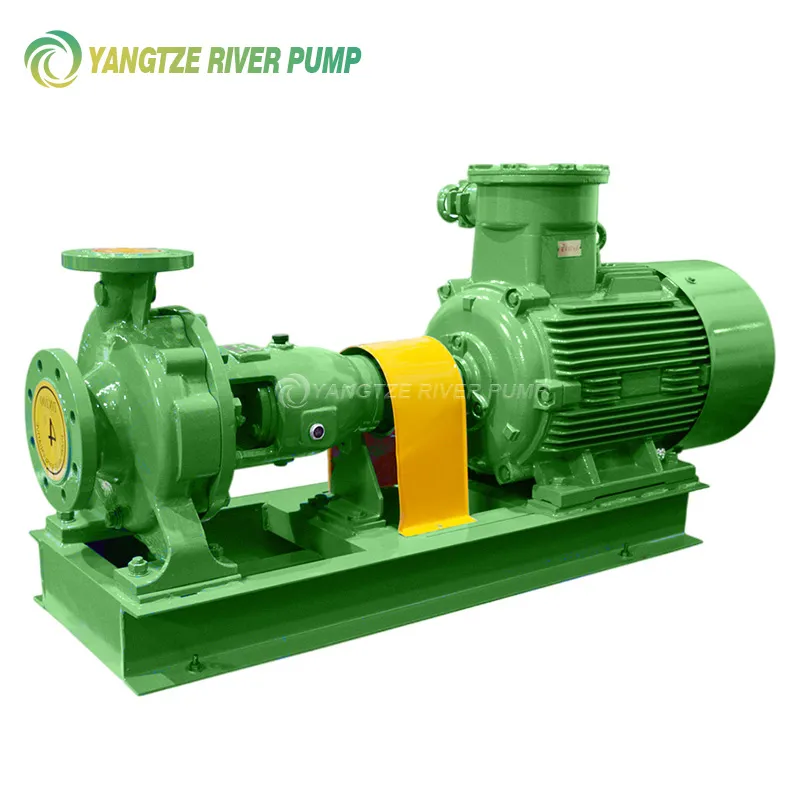 YCZ Chemical Process Pumps
-
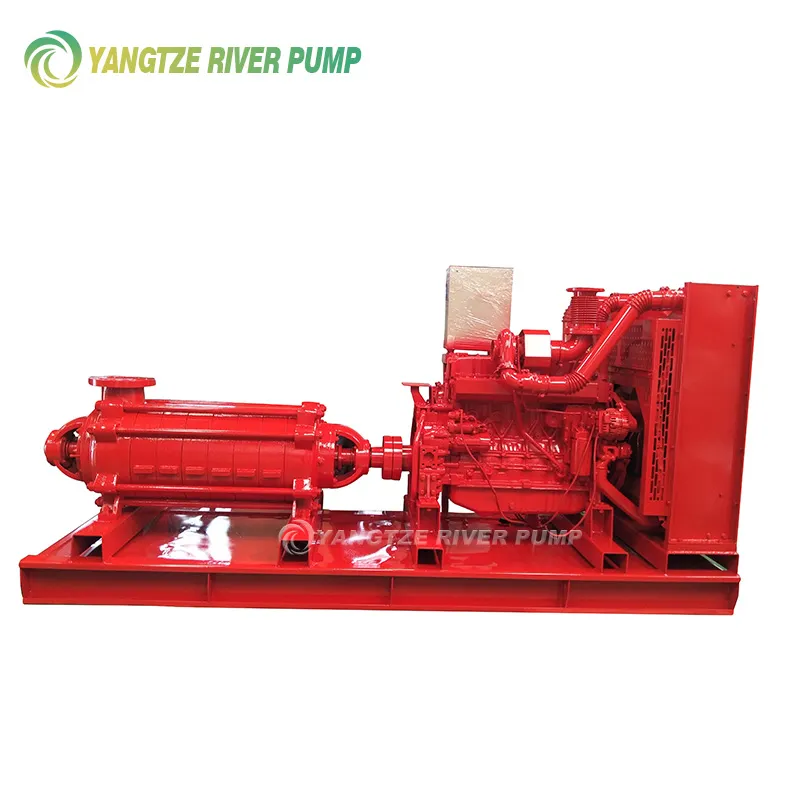 YZD Series Diesel Multistage Centrifugal Pumps
-
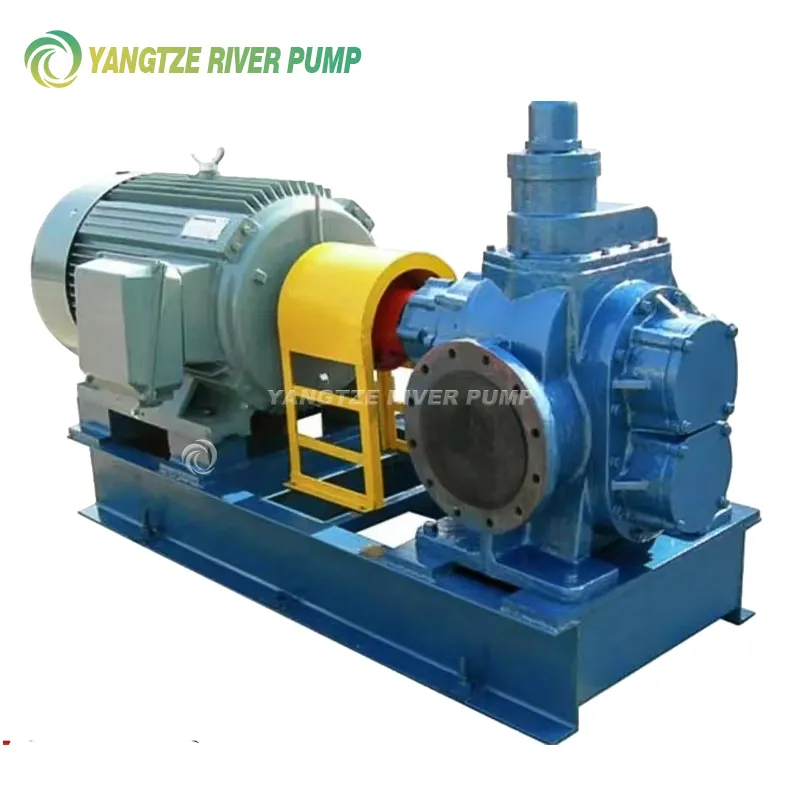 YCB Type Circular Gear Pumps
-
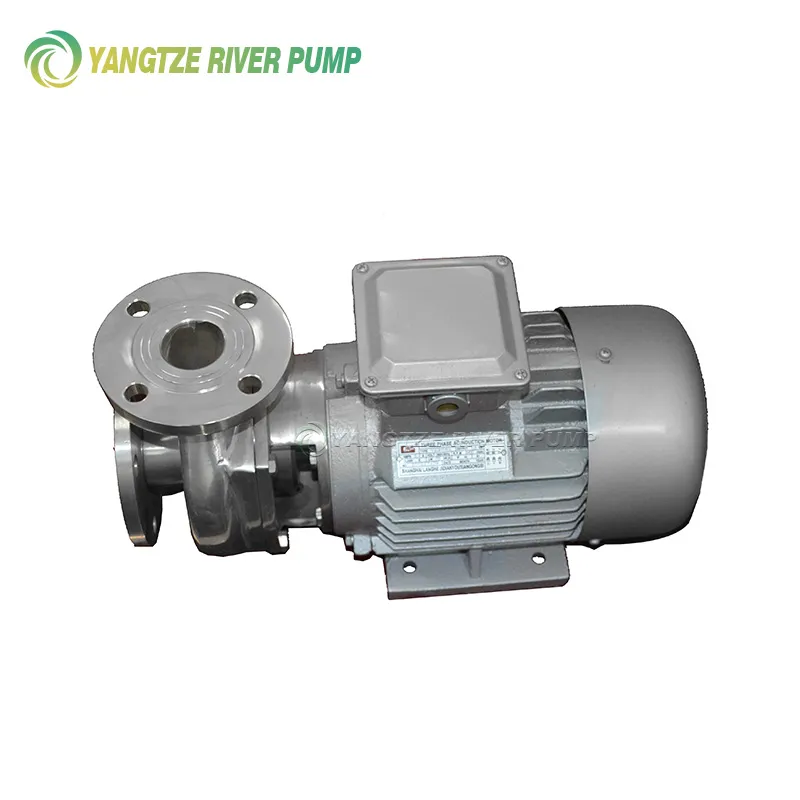 Corrosion-resistant stainless steel centrifugal pumps SFB and SFBX
-
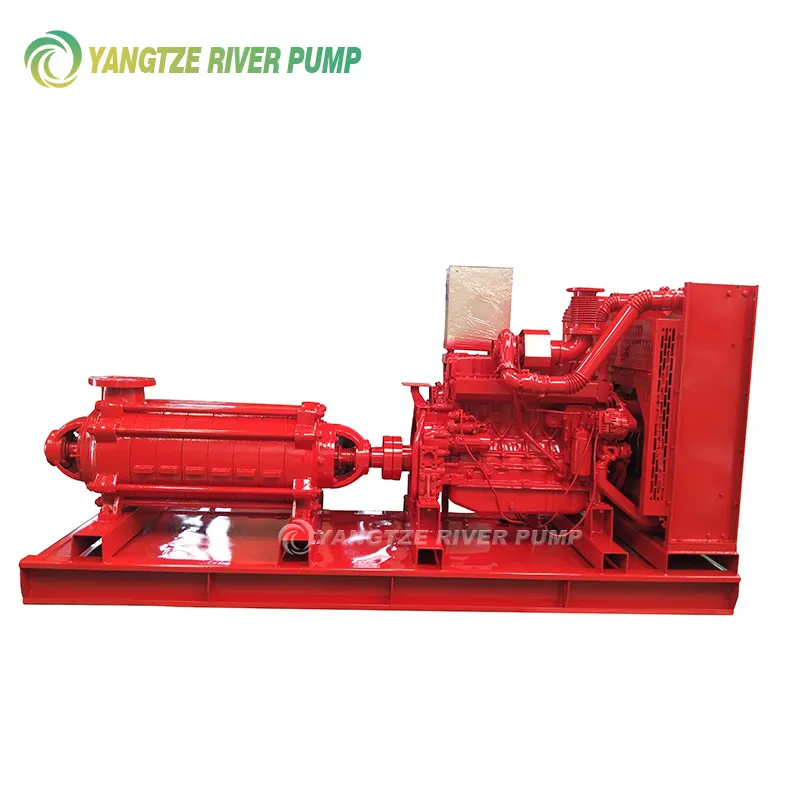 XBC Diesel Intelligent Fire Pumps
-
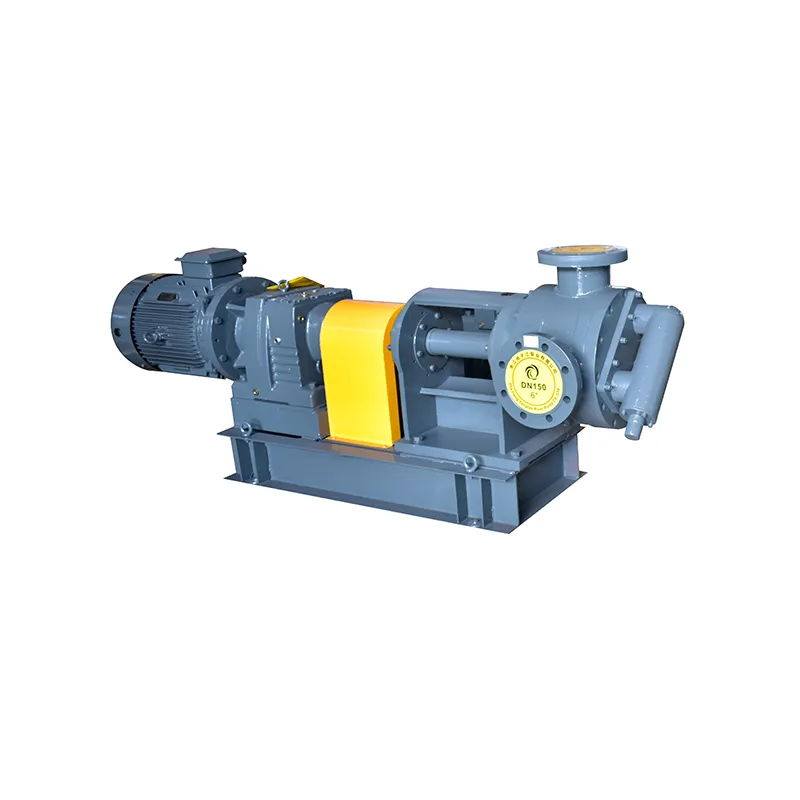 NYP High Viscosity Internal Gear Pumps
-
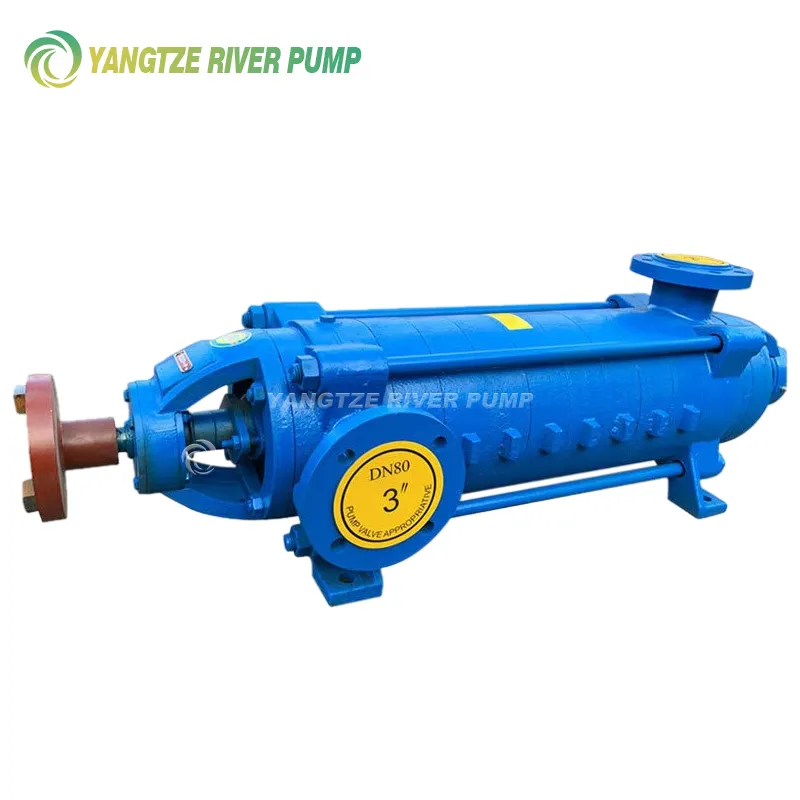 Horizontal multistage pumps for feeding DG boilers
-
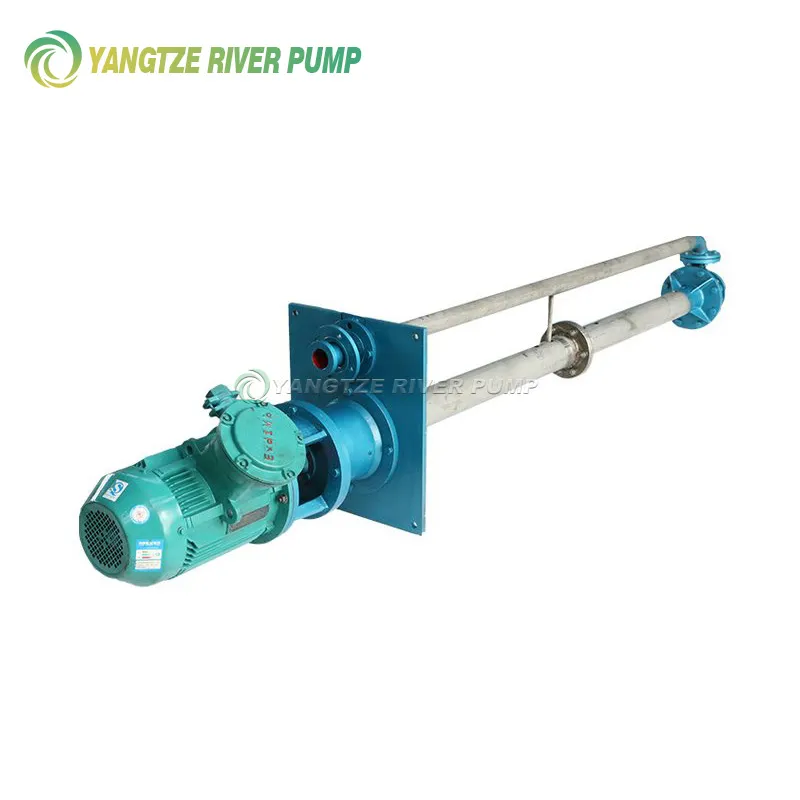 FY Submersible Chemical Pumps
-
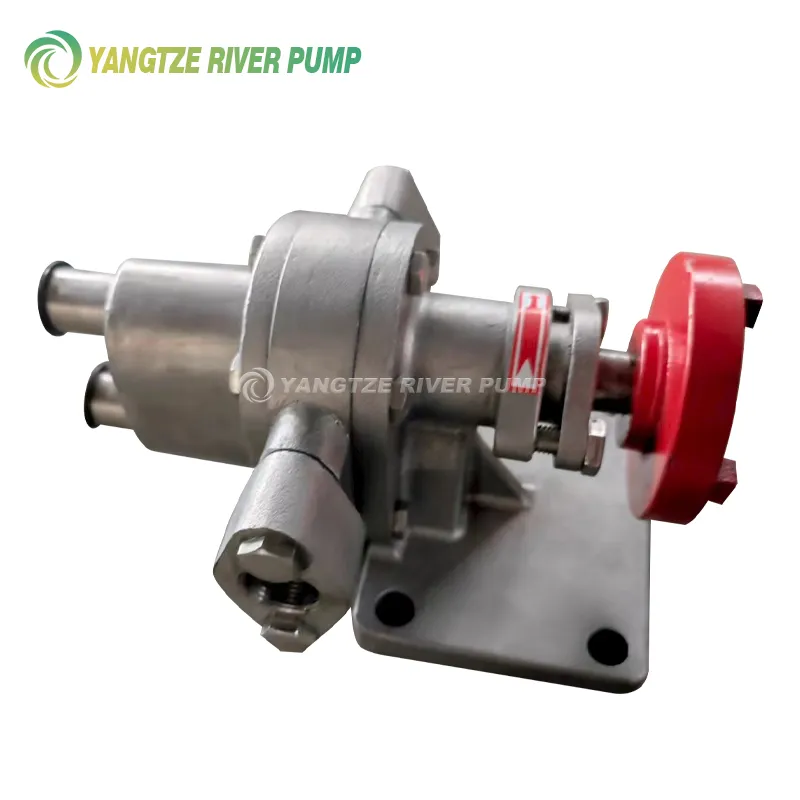 Gear oil pumps type KCB
-
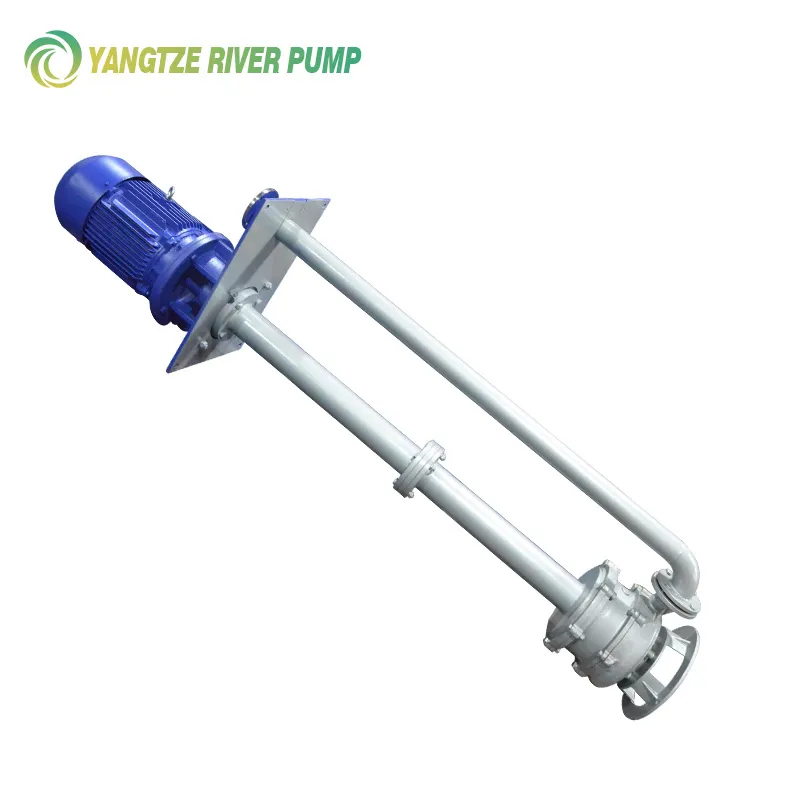 YW Vertical Submersible Sewage Pumps
Relatedsearch
Related Search- single-stage vertical centrifugal pump with dry rotor
- liquid ring vacuum pump 11 kW
- cantilever single-stage centrifugal pump
- FP Plastic Self-Priming Centrifugal Pumps
- centrifugal pump 10 m3 h
- semi-submersible centrifugal pump
- centrifugal pump for oil
- CQB-F Magnetic pumps with PTFE lining
- centrifugal pump 37 kW
- vacuum pump 60 l min