







Horizontal centrifugal pumps for pipelines
When they talk abouthorizontal centrifugal pumps for pipelines, many immediately imagine something standard, almost a consumable item. Like, you chose it from the catalog, mounted it on the line - and it worked. In fact, this is often the point where designers and operators begin to argue. Because ?centrifugal? — this is about the principle of operation, and “horizontal for pipelines?” - this is about integration into the system, and this is where the most interesting, and sometimes painful, begins.
From catalog to flange: where the unobvious lies
Take, for example, our experience in production. In ourZhejiang Yangzijiang Pumping Industry Co.,LtdThe range of horizontal centrifugal pumps is wide, from single-stage to multi-stage. And often the client requests a model, say, for pumping conditionally clean water at a facility. According to the passport, everything agrees: pressure, flow, body material - cast iron. But he arrives at the site, and there is residual welding scale and sand in the pipeline. After a month or two - increased wear of the seals and impeller. Question: Is it the pump's fault? No. This is a discrepancy between the operating conditions and the “ideal” ones. parameters for which the pump is designed. But in the end, the problem is up to us, the manufacturer.
Therefore, now we always clarify, and in detail: what exactly will go through the pipeline, what the temperature is, whether there are abrasive inclusions, what is the frequency of starts. Because it's standardhorizontal centrifugal pumpfor water may not survive regular work on liquid with fine sand. And then we are talking about the materials of the flow parts - say, wear-resistant alloys or even ceramic seals. This is not just “more expensive”, it is a question of feasibility and service life of the entire system.
Another point is the installation execution. It seems that since the pump is horizontal, it is mounted in a standard way. But there have been cases when the foundation slab under the pumping station at the site has shrunk, the pipelines have given way, and the load on the pump flanges has become beyond the design limits. Vibration, leak. It was necessary to develop and offer the client more flexible installation schemes, with compensators and a different arrangement of supports. This is to the question that the pump is part of the system, and not an independent unit.
Compare the incomparable: multi-stage vs single-stage in pipelines
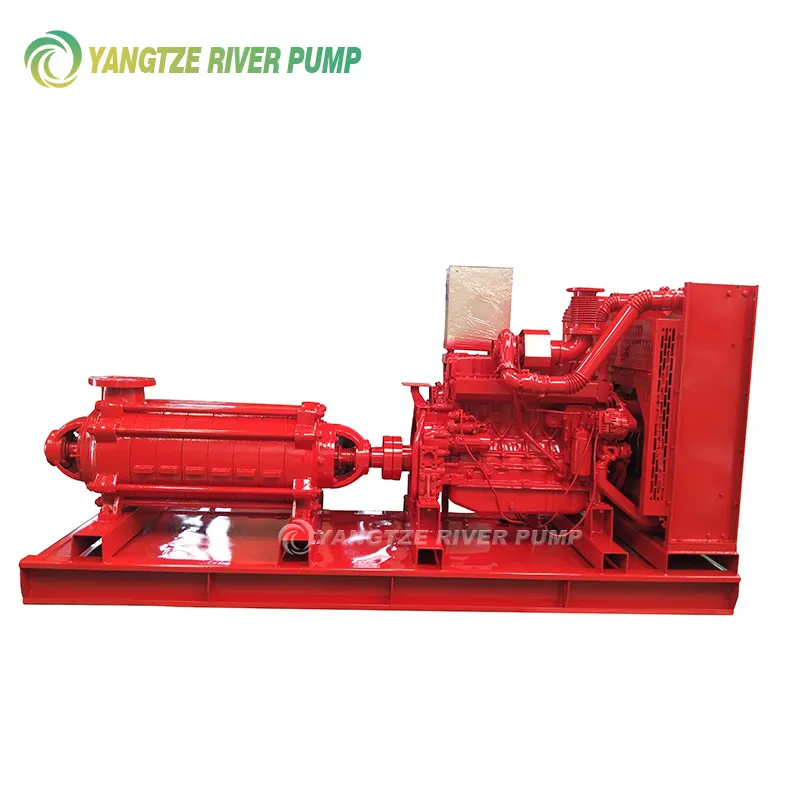
This is where confusion often arises. For long main pipelines where high pressure is needed, multi-stage horizontal pumps look logical. They give that same pressure. But we're inYangzijiang Pumping IndustryWe encountered situations where the customer, chasing high pressure figures in the specification, chose a multi-stage model for a system with frequent flow changes. And then - problems with cavitation at partial loads, overheating.
It turned out that for systems with a variable operating mode, where pressure is needed, but the flow “floats”, sometimes a cascade of several single-stage units looks more reliable and economical (in the long term).horizontal centrifugal pumps, working in parallel or switching on as needed. Yes, the initial cost may be higher, but the service life and controllability of the system are better. This solution is not from a catalog, it is born from a dialogue with the customer’s technologists.
Therefore on our websiteyangtzeriverpump.ruWe don't just post technical specifications. We try to convey this message through product descriptions and applications: the choice between a single-stage and a multi-stage pipeline pump is not a choice of “more powerful or weaker?”. This is the choice of architecture for the entire hydraulic system.
Tests as part of dialogue, not a formality
We have our own test bench at our company. And this is not for show. Everyonehorizontal centrifugal pumpfor pipelines, especially from non-standard series, we run them under conditions as close as possible to those specified by the customer. There was a story when a pump was selected for a chemical plant to pump an alkaline solution with a temperature of about 85°C.
According to the documents, all materials (stainless steel housing, seals) were suitable. But in tests under long-term cyclic load (simulating a real technological process), we noticed a slight drop in parameters after several hours of operation. The reason is that the thermal expansion of the rotor elements was slightly different from the calculated one. I had to quickly make adjustments to the gap and select a different type of gland seal. If they had sent it “as is?”, failures would have started at the site within six months. And so, the pump has been working for three years without any complaints.
This example means that production is not just assembly. This is a chain: R&D (where we model different modes) -> production -> testing. And only then - shipment. Skipping any stage means increasing risks for the client.
Neighborhood in the pumping station: what the diagrams are silent about
Often designers, when placing equipment on the plan, take into account dimensions, but forget about maintenance.Horizontal centrifugal pumpfor pipelines requires periodic inspection, replacement of seals, and possibly repairs. And if there is no normal technological passage to it from the drive side or from the flanges, everything turns into a quest.
We have come to the point that commercial proposals for large facilities begin to include not only dimensional drawings, but also sketches with recommended service areas. This may seem like a small thing, but it actually saves the customer time and money in the future. Otherwise, you then have to dismantle a section of the pipeline just to get to the stuffing box.
Another practical point is vibration isolation. A pump, even one perfectly balanced on a stand, in conjunction with specific pipelines and supports can begin to transmit vibration. Therefore, we always draw the client’s attention to the need for correct vibration-isolating supports and flexible inserts. Sometimes they even refused the standard supply of a foundation slab, offering a heavier and more massive one, specific for a given object. There is only one goal - for the system to work quietly and for a long time.
Not only water: chemistry, suspensions, temperature
AlthoughZhejiang Yangzijiang Pumping Industry Co.,Ltdproduces linear centrifugal, self-priming, and submersible pumps; horizontal centrifugal ones are a special story for pipeline systems with aggressive media. This is where our plastic chemical pumps or pumps with flow parts made of special alloys come into play.
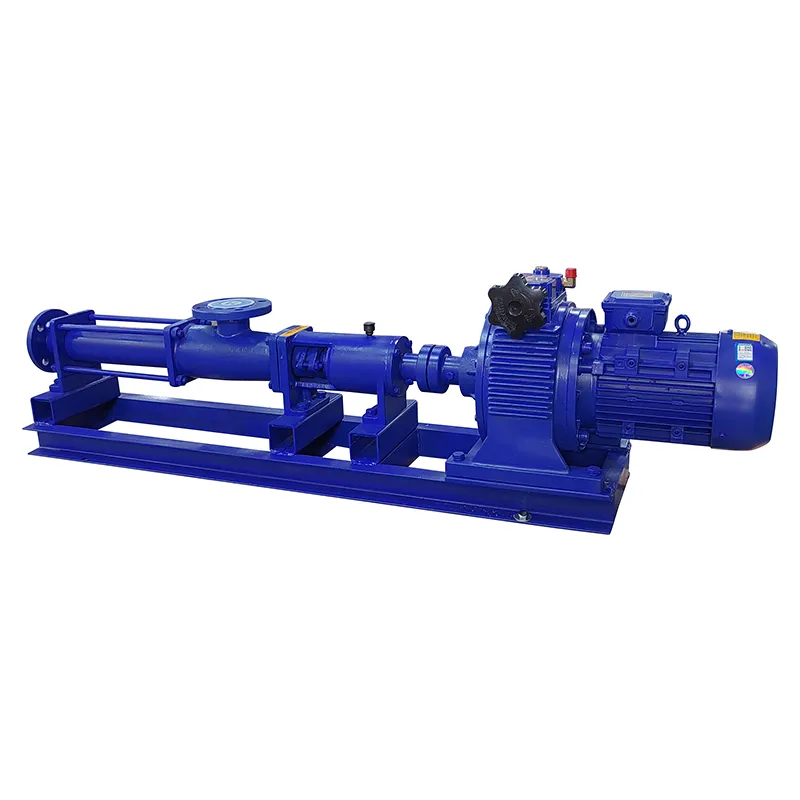
The key is to understand the limit. A horizontal centrifugal pump is good for relatively homogeneous liquids with a certain viscosity. If there is a dense suspension with large particles in the pipeline, this may already be the area of application for screw or diaphragm pumps. There was an error in early practice: they tried to adapt a standard horizontal centrifugal pump for pumping slurry water, simply by strengthening the material. It didn’t work out - rapid wear and clogging. We had to admit that for such tasks we have other, more suitable products in our portfolio, and honestly recommend them.
Temperature is also not that simple. High temperatures (above 110-120°C) require not only special materials, but also a cooling system for bearing units and special seal designs. Sometimes it is more economical to split the flow into two stages with intermediate cooling than to install one heavy-duty and expensive pump operating at the limit of its temperature capabilities. This is already engineering, and we, relying on our eight production lines and R&D department, can propose and discuss such solutions.
Instead of a conclusion: a pump as a process, not a product
So what's all this for? To the point that choice and exploitationhorizontal centrifugal pumps for pipelines- This is not buying goods off the shelf. This is a process that begins with a deep understanding of the problem, continues with joint development of details, and lasts throughout the life of the equipment.
Our role as a manufacturer integrating development, production, testing and service is to be not just a supplier, but a partner along the way. So that after launching the system, the client thinks about his technological process, and not about how to reach the service department. And so that his next order would not come from the need to replace what was broken, but from the desire to modernize or expand a successfully operating production. This is probably the main criterion for choosing the right pump for a pipeline.
Correspondingproducts
Related Products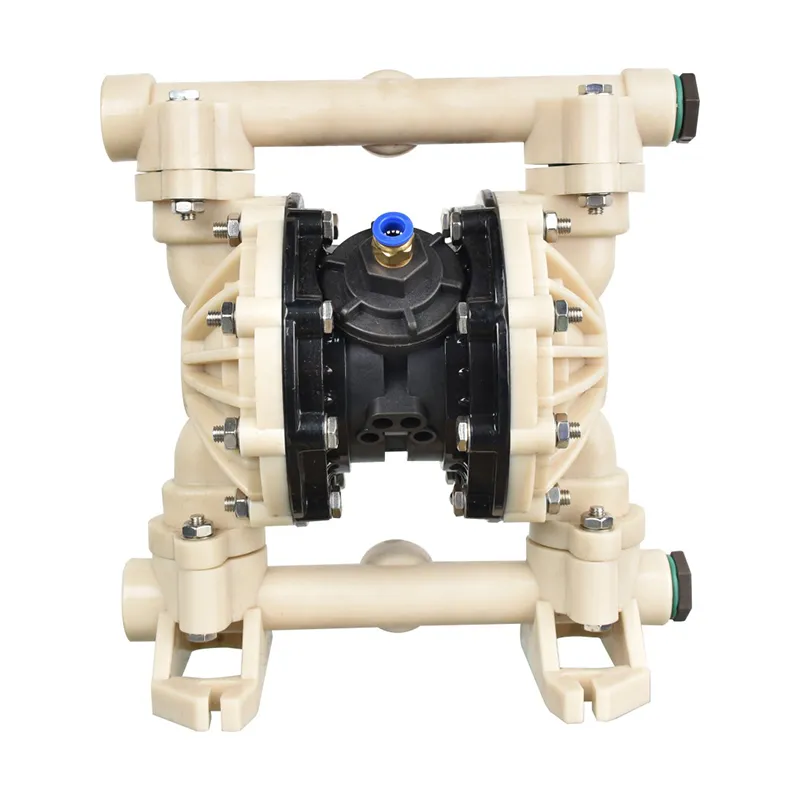

Best Sellingproducts
Best Selling Products-
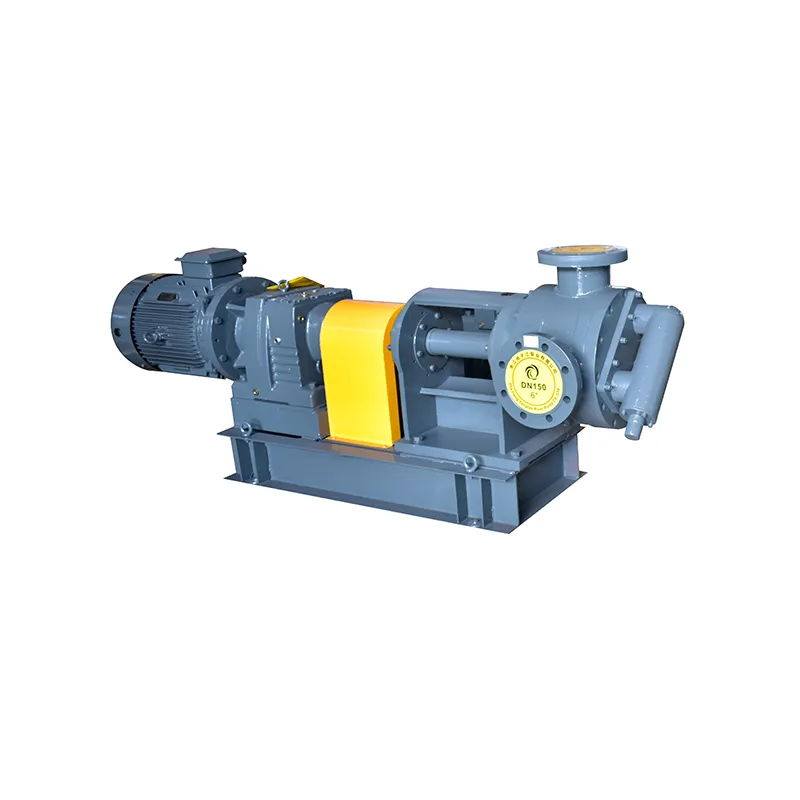 NYP High Viscosity Internal Gear Pumps
-
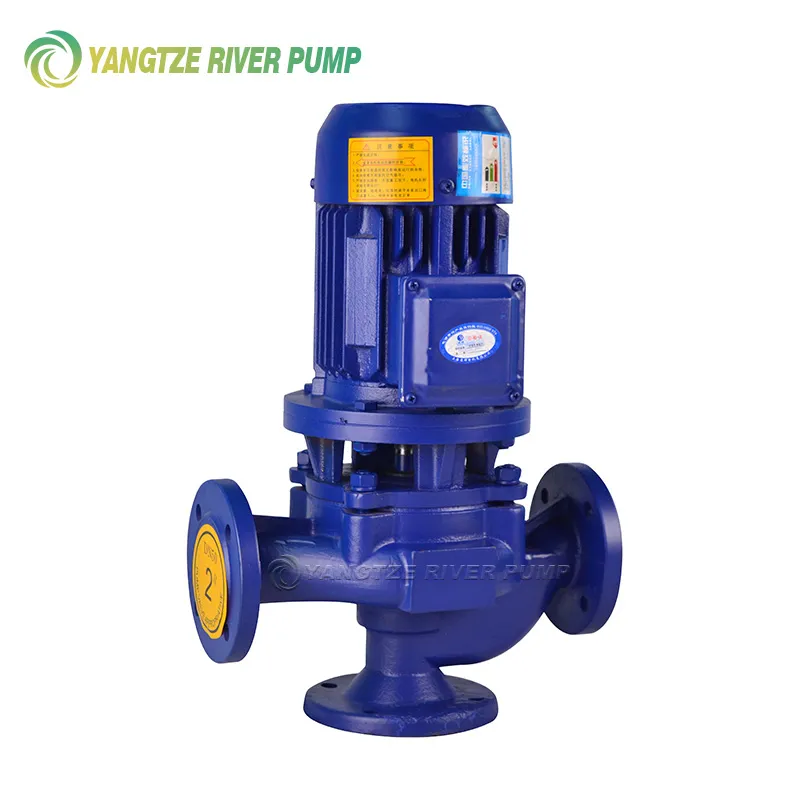 Pipeline wastewater pumps GW
-
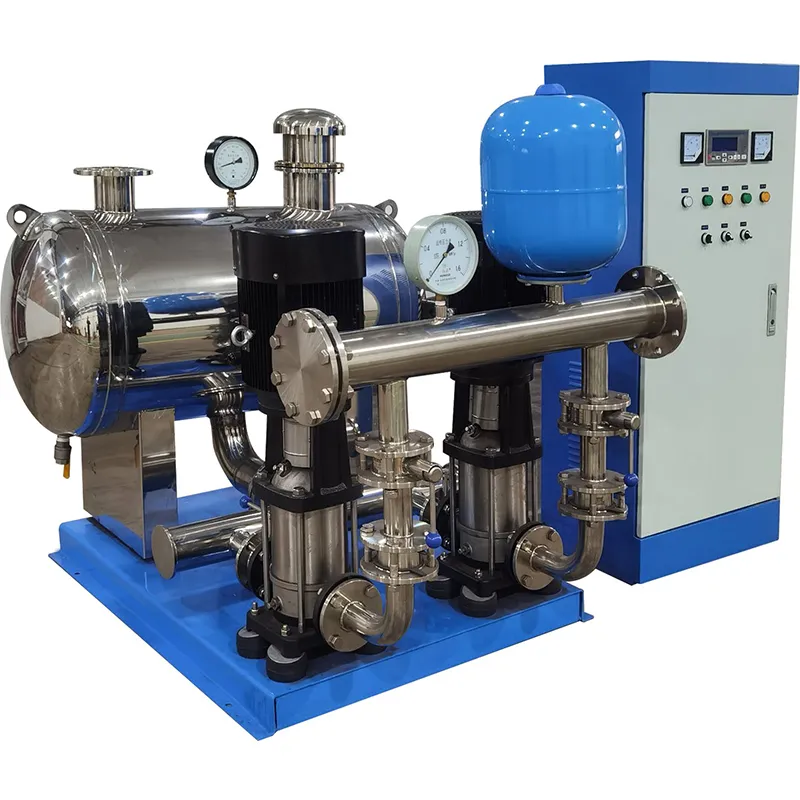 Complete water supply installations with frequency regulation and constant pressure CDLF
-
 YCB Type Circular Gear Pumps
-
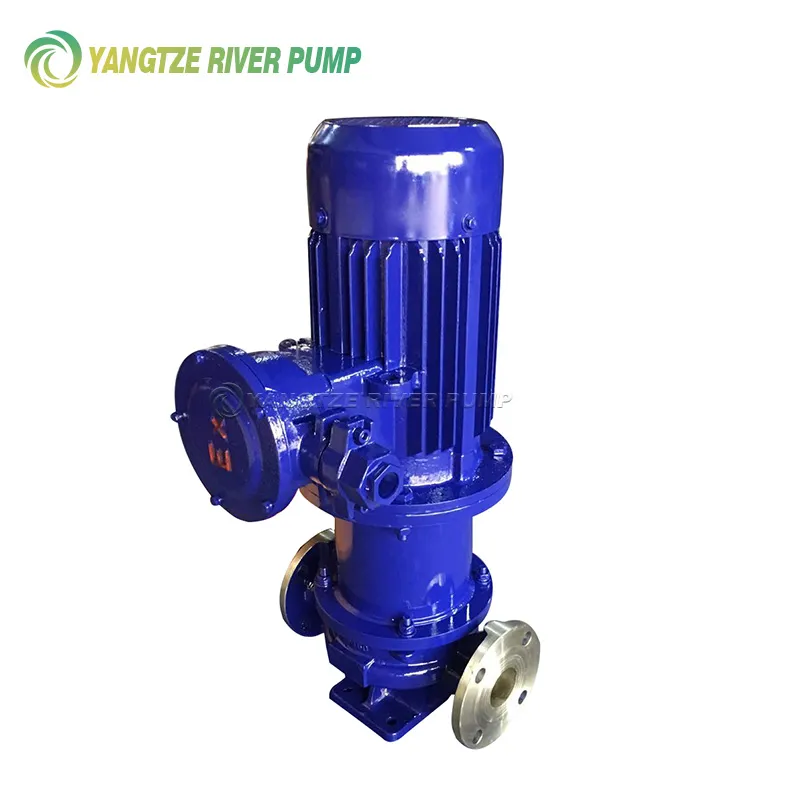 Vertical magnetic pumps CQB-L
-
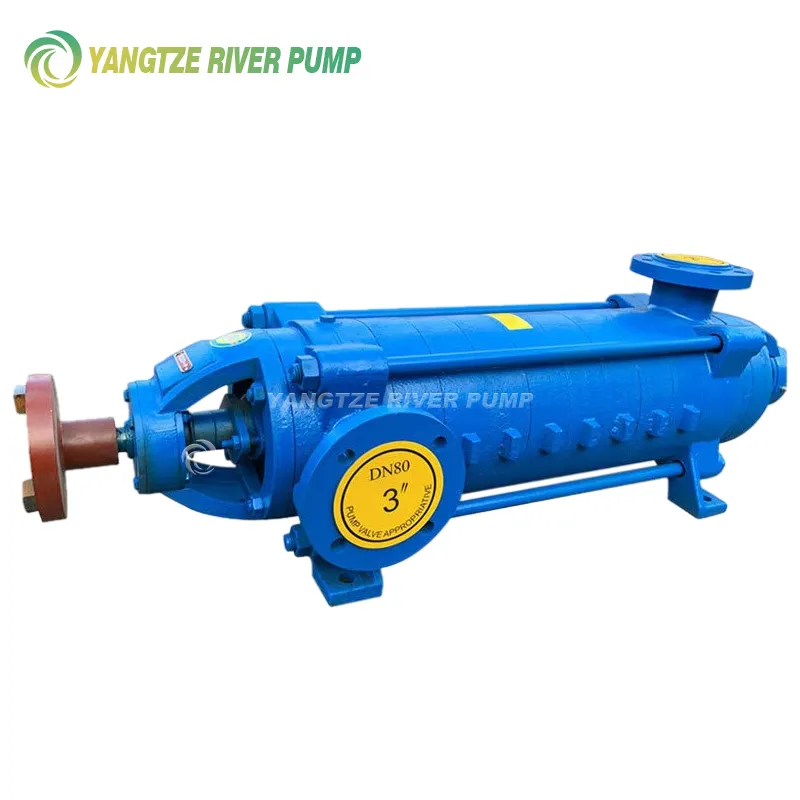 Horizontal multistage pumps for feeding DG boilers
-
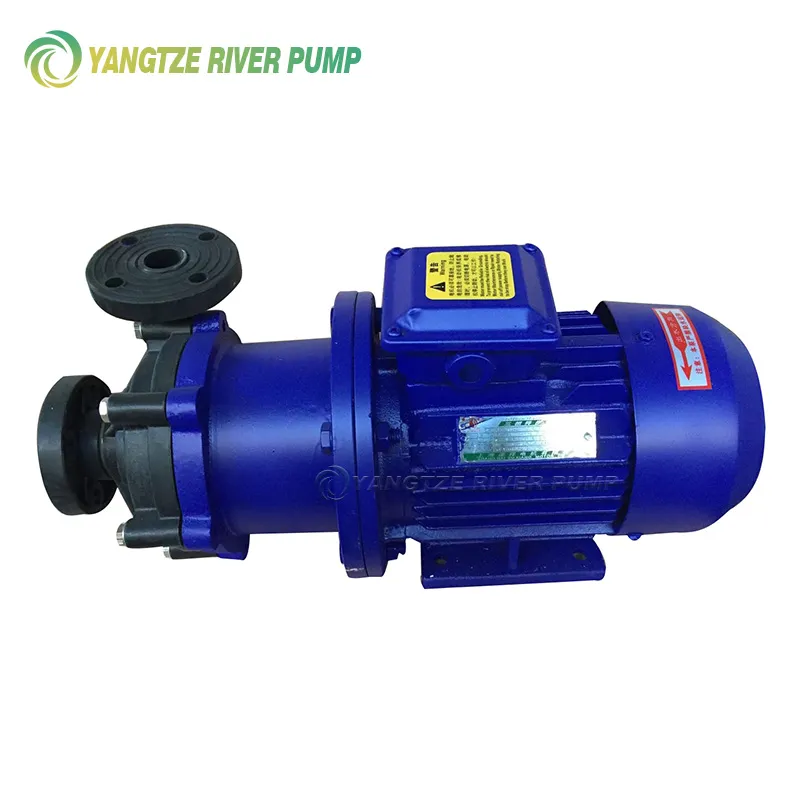 CQF Plastic Magnetic Pumps
-
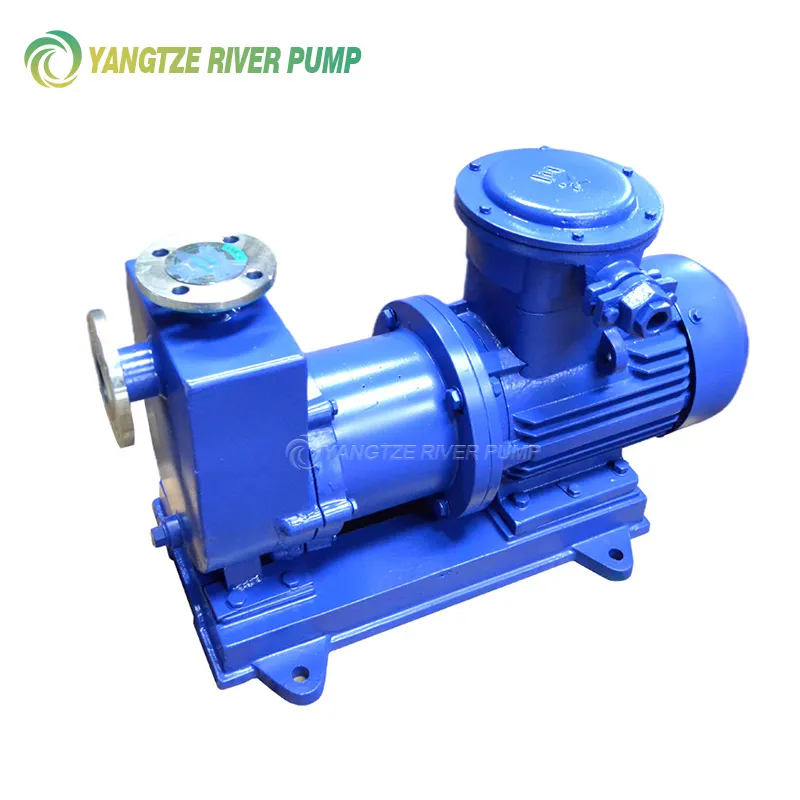 ZCQ Stainless Steel Self-Priming Magnetic Pumps
-
 Corrosion-resistant stainless steel centrifugal pumps SFB and SFBX
-
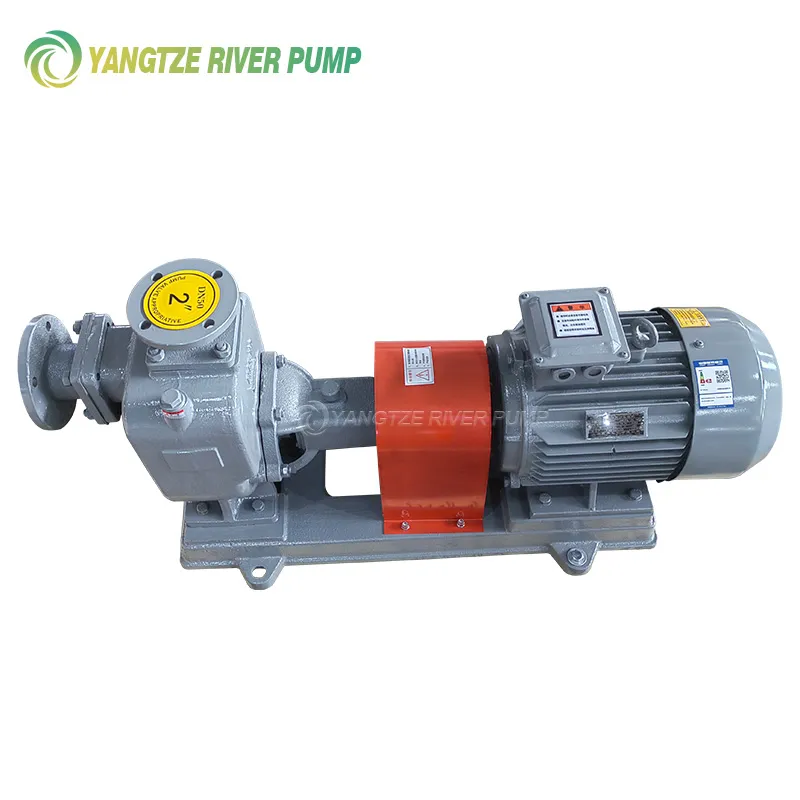 Non-clogging self-priming wastewater pumps ZW
-
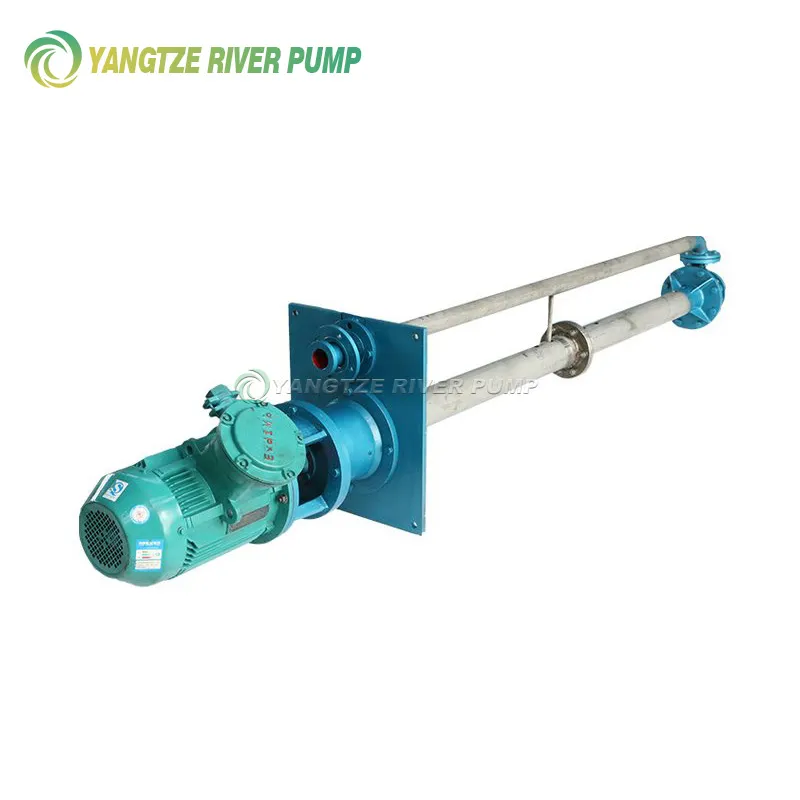 FY Submersible Chemical Pumps
-
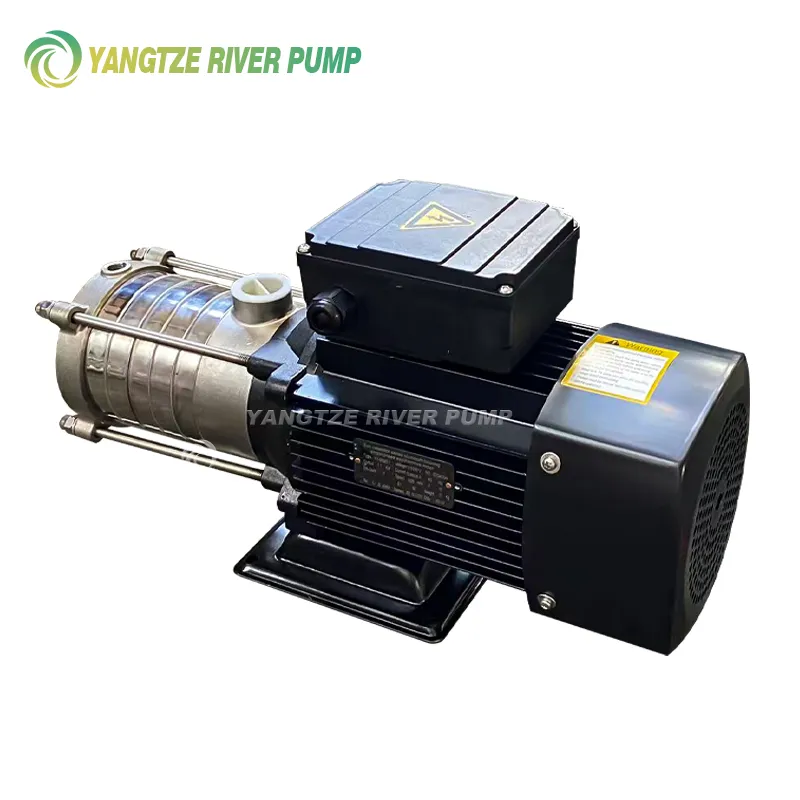 Horizontal multistage centrifugal pumps (light series) CHL and CHLF