







slurry horizontal centrifugal pump
When you hear “slurry horizontal centrifugal pump?”, many people immediately imagine just a heavy unit that pumps a thick mixture. But here lies the first pitfall: not every horizontal centrifugal design can cope with real sludge, especially abrasive sludge. A common mistake is to assume that since the pump is centrifugal and the casing is thick, then it is automatically “slurry”. In reality, the key is the balance between fluid end strength, impeller design and, often overlooked, the shaft seal system in a continuous solids environment.
A design that survives
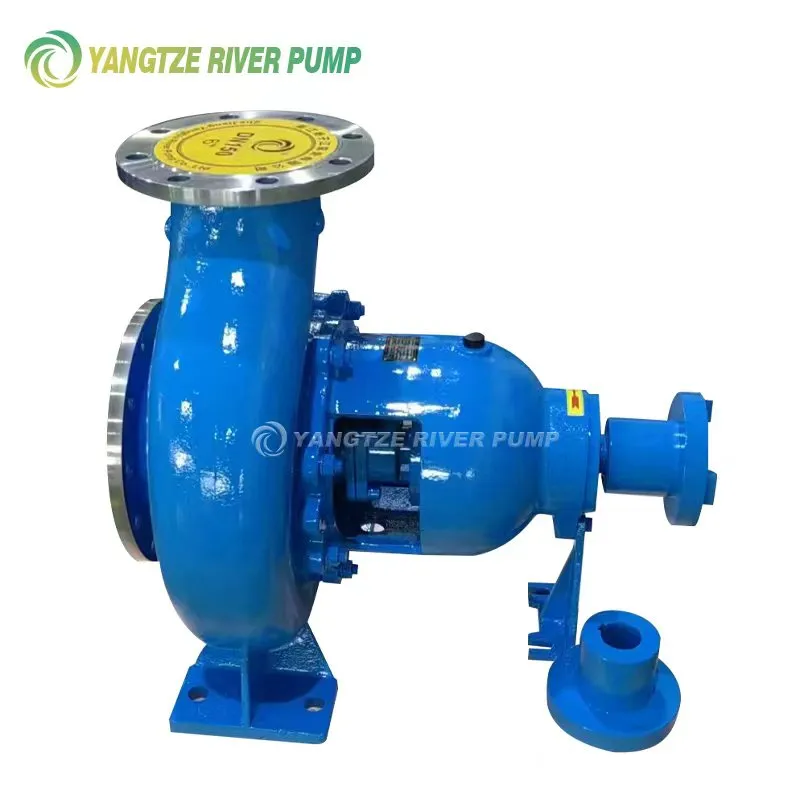
Look, it's classicslurry horizontal centrifugal pumpfor a mining and processing plant. The body is cast iron, reinforced, yes. But the most important thing is the impeller. It should be not just wear-resistant, but with an open or semi-open design, with a reduced number of blades, but thicker. Why? To avoid clogging. At one of the projects for pumping enrichment tailings, we initially installed a pump with a conventional closed wheel for heavy media - after two weeks it simply stopped and clogged tightly. I had to urgently change to a model with an open wheel and adjustable clearance.
That is why in our production at Zhejiang Yangzijiang Pump Industry LLC, for such tasks we focus on customizing the impeller and internal linings. You cannot take a universal drawing and stamp it. For abrasive slurries, say, containing sand, a wheel made of high-chromium cast iron is often used, and for sludges with a larger fraction, but less abrasive, wear-resistant rubber may be suitable. It all depends on the granulometric composition; this is always discussed with the customer separately.
Another nuance is the shaft. It should be short and thick. The horizontal design has its advantages in terms of maintenance, but creates a greater load on the supports. If the shaft is long and thin, vibration and rapid wear of the bearings are inevitable when working with slurry slurry of uneven density. We went through this in the early stages. Now in our linear centrifugal pumps for slurry, the shaft is calculated with a margin, and the supporting frame is made massive, one-piece, not welded from profiles.
Seal - pain point
Perhaps the biggest headache in operation is the shaft seal. Gland packing? For water - yes. For sludge with small particles - a disaster. Particles get into the packing, scratch the shaft, and the seal begins to leak instantly. Mechanical mechanical seals? It's also not a panacea. Standard "ends" quickly fail due to abrasive.
We at Yangtzeriverpump.ru, after a series of failures, came to a scheme with the supply of clean flushing water into the cavity of the mechanical seal under pressure. But this does not always work if there is no source of clean water. Then we consider the option with an elastic rubber diaphragm, which isolates the seal chamber itself from the pumped medium, but this already complicates the design. For the most severe cases, we offer an option with a magnetic coupling, i.e.magnetic pumps. The motor shaft and impeller are separated by magnets; there is no physical contact, which means there is no mechanical seal. Ideal for aggressive and abrasive slurries, but the price, of course, is different. This solution is in our portfolio, and we do not hide it, although it is not the cheapest.
Clients often ask: is it possible to make something “eternal?” seal? No, you can't. Any node in such an environment is consumable. The engineer’s task is not to make it eternal, but to make it as maintainable as possible and with a predictable service life. For example, in some models we place the seal assembly in a separate cartridge block, which can be replaced without disassembling the entire pump body. This saves hours of downtime.
Tests and real numbers
All our eight production lines are designed for a full cycle. The test line is especially important.Slurry horizontal centrifugal pumpYou can’t just test it on the water. This will give false data on pressure and efficiency. We make sure to carry out sea trials on water to check vibration and tightness, but then we do a bench test with calibrated sand or simulated sludge. This is the only way to see the real characteristic curve and the drop in parameters as it wears out.
There was a case with a supply of phosphogypsum to a phosphogypsum processing plant. According to the passport, the pump gave the required 100 cubic meters per hour. It was like that on the water. But in a real environment, more viscous, the productivity dropped to 70. It’s good that we agreed on this point in advance and made an adjustment in the choice of model, taking the unit one size larger. If it weren't for the testing base, we would have received a claim.
Therefore, in the descriptions on the website https://www.yangtzeriverpump.ru we always try to indicate: “characteristics are given for water, for sludge they require recalculation?”. This is not to relieve oneself of responsibility, but just a professional necessity. A true pump specialist will always ask: “What is the specific gravity of your pulp?” What is the particle size? What is the viscosity?? Without this data, any selection is guesswork.
What to eat it with: areas of application and installation errors
Where is our product most often in demand?horizontal centrifugal pumpfor sludge? Not only in the mining industry. Sewage treatment plants, metallurgy, pumping of bottom sediments, even some processes in the chemical industry with neutral abrasive media. By the way, we have a line of plastic chemical pumps for chemically aggressive slurries, but that’s another story.
But the installation is a typical mistake. The pump is placed on a light base, leveled “by eye”, and rigid pipelines without compensators are connected. And then they wonder why bearings quickly break and seals break. A slurry pump is a source of vibration by definition. Its base must be many times heavier than itself, the anchor bolts must be precisely tightened according to the diagram, and rubber expansion joints or at least flexible inserts are required on the suction and discharge pipes so as not to transfer stress to the body.
Another point is the direction of rotation. It would seem like a small thing. But if you run such a pump in the opposite direction (and this happens when the electric motor is connected incorrectly), the impeller with its specific geometry not only will not create pressure, but can instantly clog or even break the blades. We always mark the body with an arrow and strongly recommend the presence of our specialist during the start-up.
Instead of a conclusion: not a race for power
To sum it up, I want to say that choosing such a pump is not a search for the most powerful unit. This is a search for the optimal balance between wear resistance, maintainability and energy efficiency in specific conditions. Sometimes it is better to put two pumps of lower capacity on standby than one at the limit of capacity, which will consume tons of electricity and spare parts.
Our company, Zhejiang Yangzijiang Pumping Industry Co., Ltd., through its R&D, production and, critically, service, strives for precisely this balance. We produce not just iron, but a workable solution that must pump out its volume of sludge with minimal life cycle costs. And the key here is dialogue with the customer’s engineer, and not just sending a catalog. Because when working with sludge, there are no trifles.
Correspondingproducts
Related Products




Best Sellingproducts
Best Selling Products-
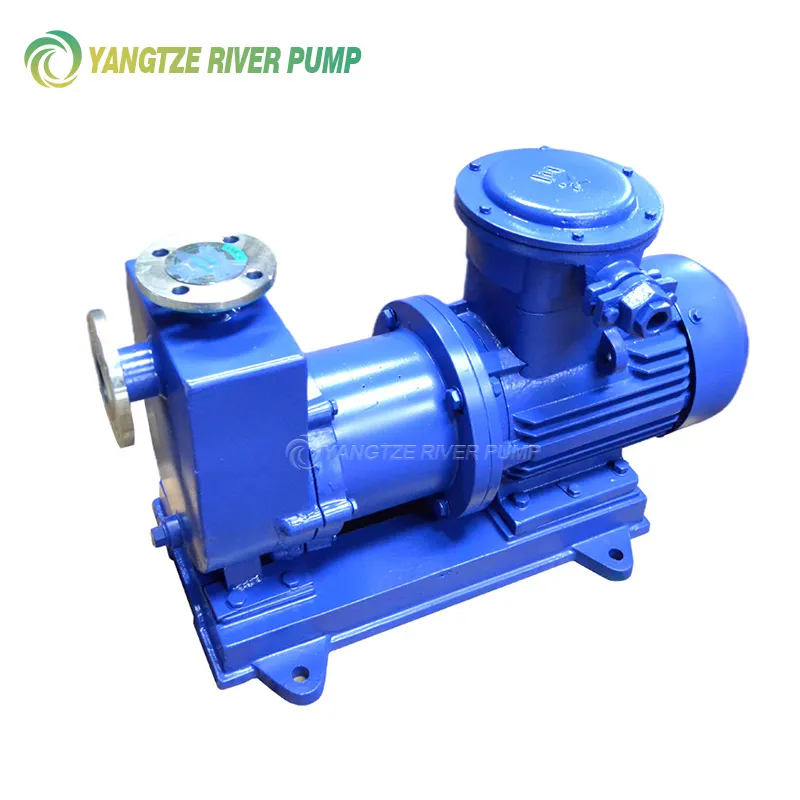 ZCQ Stainless Steel Self-Priming Magnetic Pumps
-
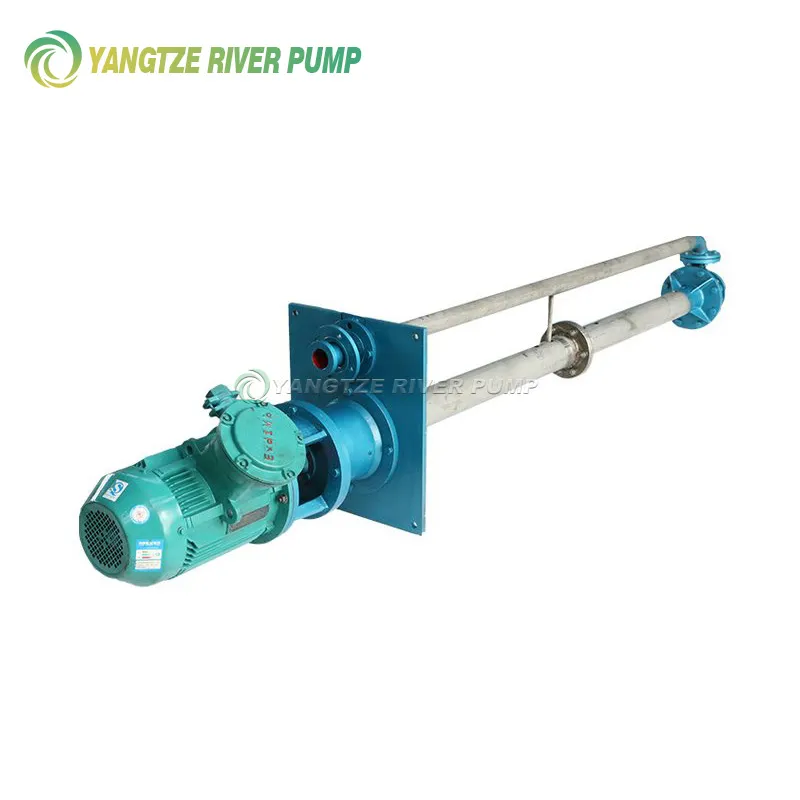 FY Submersible Chemical Pumps
-
 Corrosion-resistant stainless steel centrifugal pumps SFB and SFBX
-
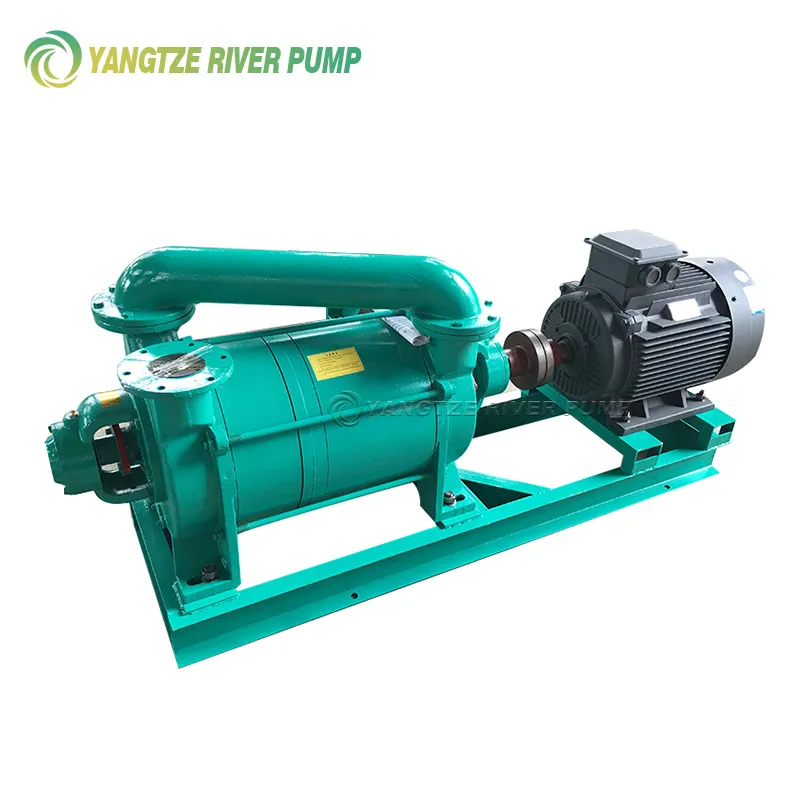 Liquid ring vacuum pumps type 2SK
-
 Horizontal multistage pumps for feeding DG boilers
-
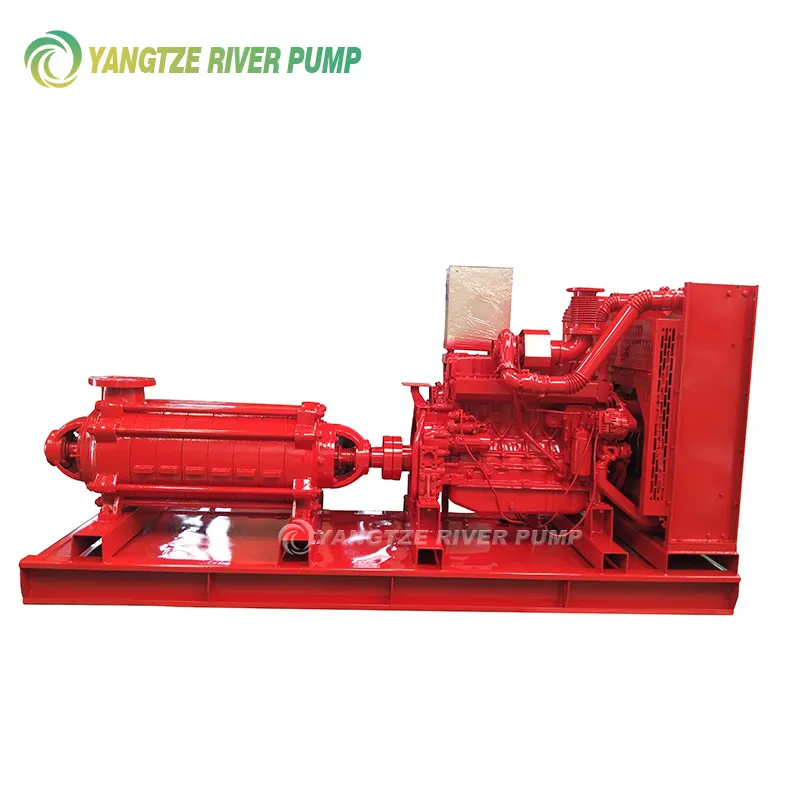 XBC Diesel Intelligent Fire Pumps
-
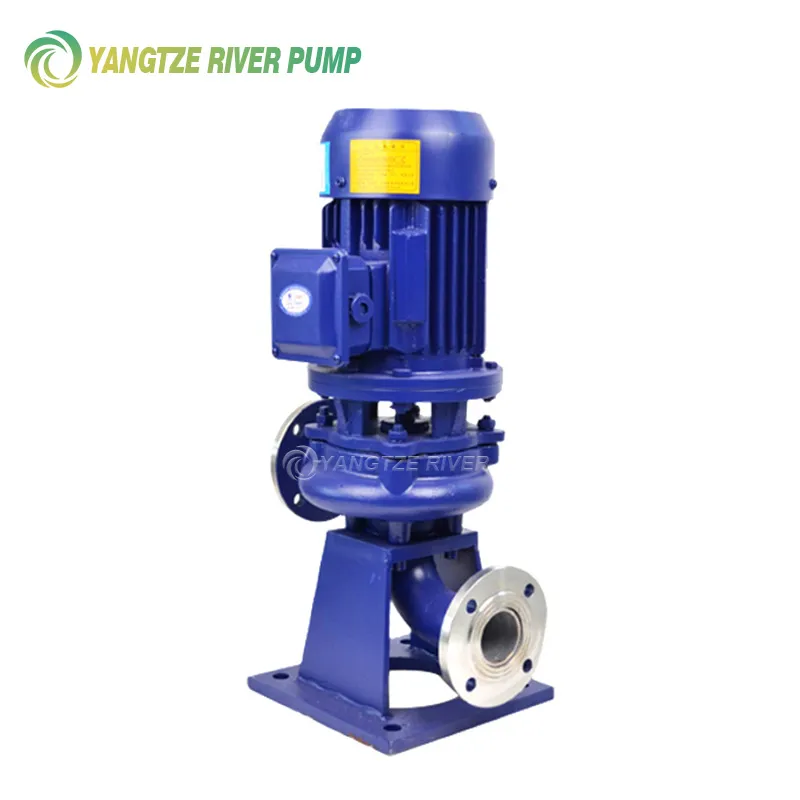 Non-clogging vertical wastewater pumps LW
-
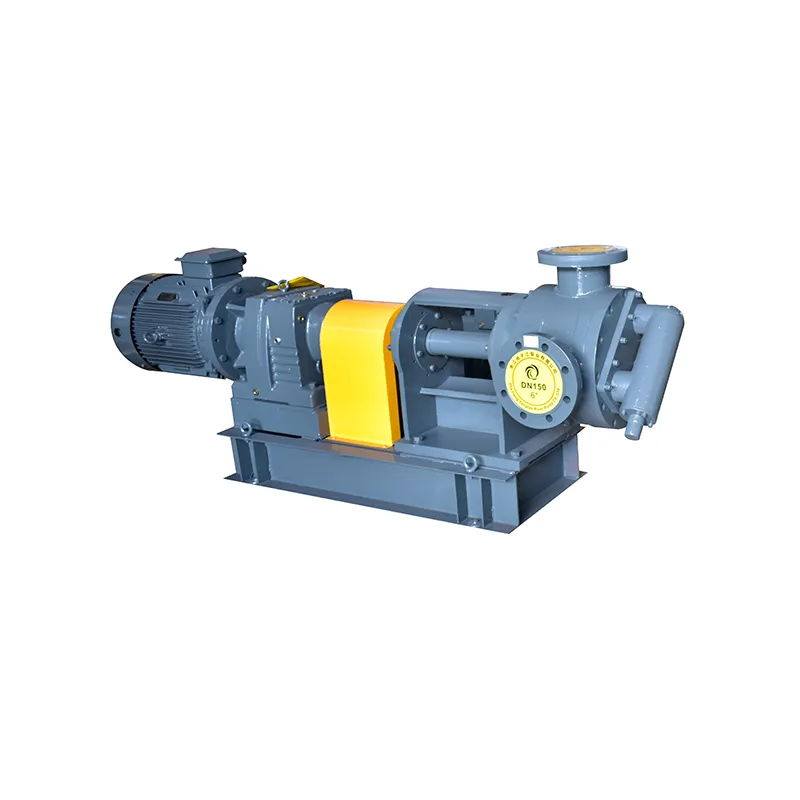 NYP High Viscosity Internal Gear Pumps
-
 QJ type borehole pumps
-
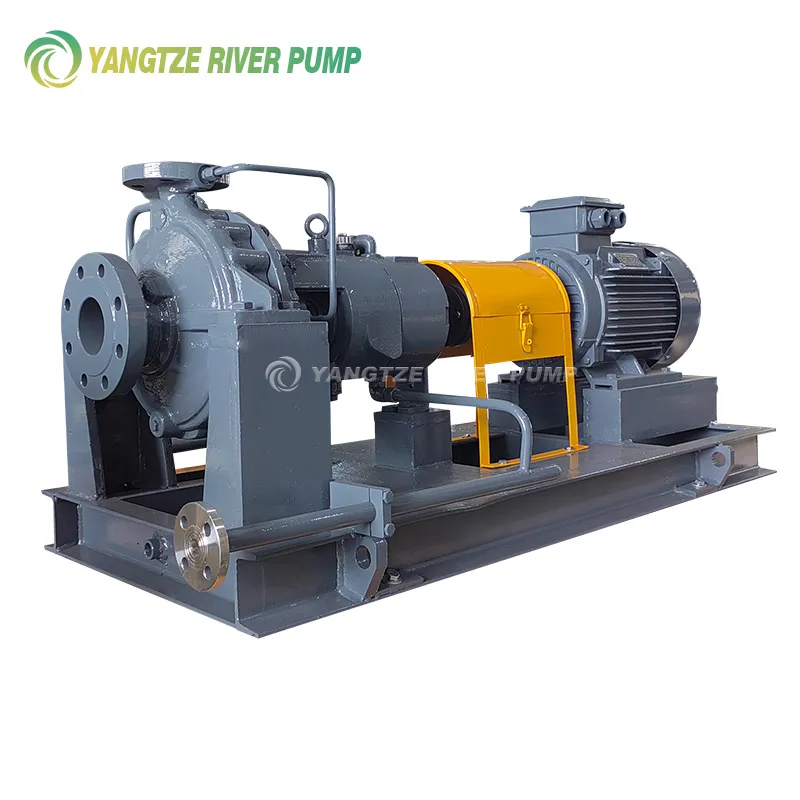 Petrochemical Process Pumps API 610 YZE
-
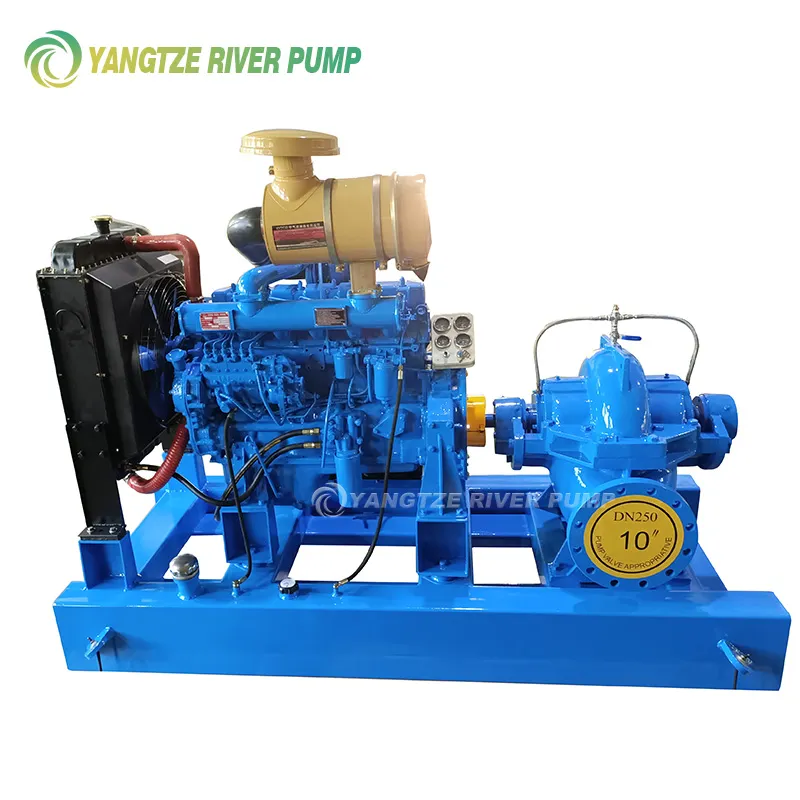 Diesel pumps with horizontal connector YZS and YZSH
-
 Metal electric diaphragm pumps DBY