







water electric centrifugal pumps
When they talk aboutwater electric centrifugal pumps, many people immediately imagine something simple: a motor, an impeller, a housing - and everything works. But in reality, especially in industrial applications, there are a lot of nuances here that become obvious only after several years of working with them. A common mistake is to assume that all centrifugal pumps are approximately the same, and the choice comes down only to pressure and flow. In fact, even within the categorywater electric centrifugal pumpsDifferences in design, flow path materials, and shaft seal design can radically change the behavior of the unit in a particular system. For a long time I myself underestimated the impact of, say, the type of mechanical seal on the service life when working with abrasive suspensions, until I encountered a series of premature failures at one facility. This forced me to delve deeper into the details.
Design: not only the impeller
Let's take multi-stage versions for example. They are often chosen for high pressure, and the logic seems straightforward. But in the practice of our company,Zhejiang Yangzijiang Pumping Industry Co.,Ltd, we see that customers sometimes do not consider the service implications. Disassembling a multistage pump to replace a worn seal or check the impellers does not take five minutes; it requires a special stand and skill. If the facility does not have such a resource, it is better to consider alternatives, perhaps even with a power reserve, but with a simpler design. On our websiteyangtzeriverpump.ruThis is clearly visible in the product section - the range is wide precisely in order to select a solution for real operating conditions, and not just for the numbers in the technical specifications.
The materials of the housing and impeller are a different story. For clean water, cast iron will do, but as soon as even a slightly aggressive environment or elevated temperature appears, problems begin. We have had cases where pumps that worked perfectly for water supply were installed to circulate process water with impurities, and after six months corrosion ate up the impeller. We had to switch to stainless steel or even plastic chemical pumps, which we also produce. This is the point where theory diverges from practice: the durability of a material and its actual use are not always the same thing.
And one more thing about the design: self-priming models. A convenient thing, but their efficiency is usually lower than that of conventional centrifugal pumps. And if you need constant work on suction from depth, then this is justified. What if the pump is below the water level? Then why overpay for a self-priming mechanism? I have seen many installations where this feature was simply not used, and the pump was chosen “just in case?”. Extra costs for both purchase and operation.
Installation and “little things” that break the system
You can talk here for hours. It would seem that the foundation, piping, connection - everything is according to the manual. But reality makes adjustments. One common problem is cavitation. It is not always immediately audible, especially if the pump is located in a noisy room. And it manifests itself by erosion of the impeller and vibration. The reason is often not the pump itself, but an incorrectly installed suction line: a long pipe, many elbows, narrowed diameter. At one of the sites it was necessary to completely redo the suction pipeline to get rid of the hum and extend lifewater electric centrifugal pump. After this, we always focus on suction conditions when selecting.
Aligning pump and motor shafts. It is done using a laser device, everything is clear. But the foundation may shrink, or the technical staff, touching with a hose, will move the engine by half a millimeter. This is already enough for increased wear of seals and bearings. We now recommend that customers periodically check alignment, especially after the first six months of operation and any nearby repair work. This is a simple but effective prevention.
And about the piping. It is impossible to rigidly attach the pressure and suction pipes to pipelines without compensators. Vibration from the pump (even minimal) and thermal expansion of the pipes create stresses that over time can lead to a crack in the cast iron casing. Expensive repairs. Flexible couplings and proper supports are not a luxury, but a necessity.
Selection: why the catalog is not enough
Working inZhejiang Yangzijiang Pumping Industry Co.,Ltd, I have participated in hundreds of equipment selections. And the main conclusion: the terms of reference are only the starting point. It happens that a request comes in: “Pump, 100 cubic meters per hour, pressure 50 meters?”. And then the clarifying questions begin. What environment? Temperature? Are there particulates? What kind of work schedule is it - permanent or cyclical? The answers to these questions can completely change the model. For continuous operation with clean water, a standard single-stage centrifugal pump is suitable. For cyclic mode with frequent starts, it is better to look at models with special motor characteristics or a soft start system so as not to burn the windings.
The need for safety devices is often overlooked. Dry running sensors, pressure switches, frequency converters - these are not just “options”. For submersible pumps, which we also produce, protection against dry running is critical. Overheating without cooling with water occurs quickly. I saw burnt out units that they simply forgot to turn off when the level in the well dropped. Now we always talk about this moment.
And one more practical point: margin in parameters. A small margin of pressure and flow is good. But a huge supply is bad. The pump will operate far from the point of optimal efficiency, which leads to excessive energy consumption, increased wear and cavitation. It is better to choose as close as possible to the operating points, and to change modes use frequency regulation. It's more economical in the long run.
Case studies and failures
I’ll tell you about one not-so-successful experience that taught me a lot. Our standard centrifugal pump for pumping condensate was installed on site. It fit all the parameters. But after three months it starts leaking along the shaft. It turned out that ammonia periodically appeared in the condensate in low concentrations, which was not initially reported. The material of the standard mechanical seal did not hold up. I had to urgently change it to a seal made of ammonia-resistant materials. Since then, we have been asking even more carefully about the chemical composition of the pumped medium, even if it is conditionally “water”. And in assortmentYangzijiang Pumping Industryspecial versions have appeared for such environments.
Another case is working outdoors in cold climates. The pump worked for a season, the water was drained from the system for the winter, but not completely. The remains in the case froze and ruptured it. It would seem elementary - you need to drain it. But in practice this is often forgotten. Now in the instructions and in conversations with customers, we separately emphasize the requirements for winter preservation if the pump is not in a heated room.
There were success stories, of course. For example, replacing outdated units with modern oneswater electric centrifugal pumpswith frequency regulation on the plant water supply system. Energy consumption dropped by 30%, and precise pressure maintenance eliminated water hammer in the network. Here it was important not just to sell the pump, but to analyze the entire system and offer a comprehensive solution.
Maintenance and durability
Not a single pump, even the most reliable one, lasts forever. But its lifespan can be greatly extended with proper maintenance. The basis is periodic monitoring of vibration, bearing temperature and checking for leaks. The sound of work says a lot. An experienced mechanic can determine the onset of cavitation or bearing wear by the nature of the noise. We always insist that the client has at least a basic diagnostic kit and personnel trained to carry out visual and auditory inspections.
Spare parts. It is critical to use original or quality compatible parts. I saw how, after replacing the impeller with a cheap analogue with a different blade profile, the pump lost pressure and began to make a lot of noise. Imbalance, cavitation - problems out of the blue. Our company keeps a wide range of spare parts for its pumps in stock, and this is not just a business, but a way to ensure stable operation of the equipment for the client.
And the last thing is modernization. Sometimes it’s easier and cheaper not to repair the old pump “for the tenth time,” but to replace it with a new, more efficient model. Especially if the requirements for the system have changed over the years of operation. Modernwater electric centrifugal pumpsoften have higher efficiency, built-in protection and ease of maintenance. The investment pays off in energy savings and reduced downtime.
As a result, working withwater electric centrifugal pumpsis a constant balance between theory, catalog data and rigorous practice. There are no universal solutions, there is competent selection for the task and attention to detail at all stages: from choosing a model and materials to installation and daily operation. This is what we focus on inZhejiang Yangzijiang Pumping Industry Co.,Ltd, offering not just equipment, but workable technical solutions tested in real conditions.
Correspondingproducts
Related Products

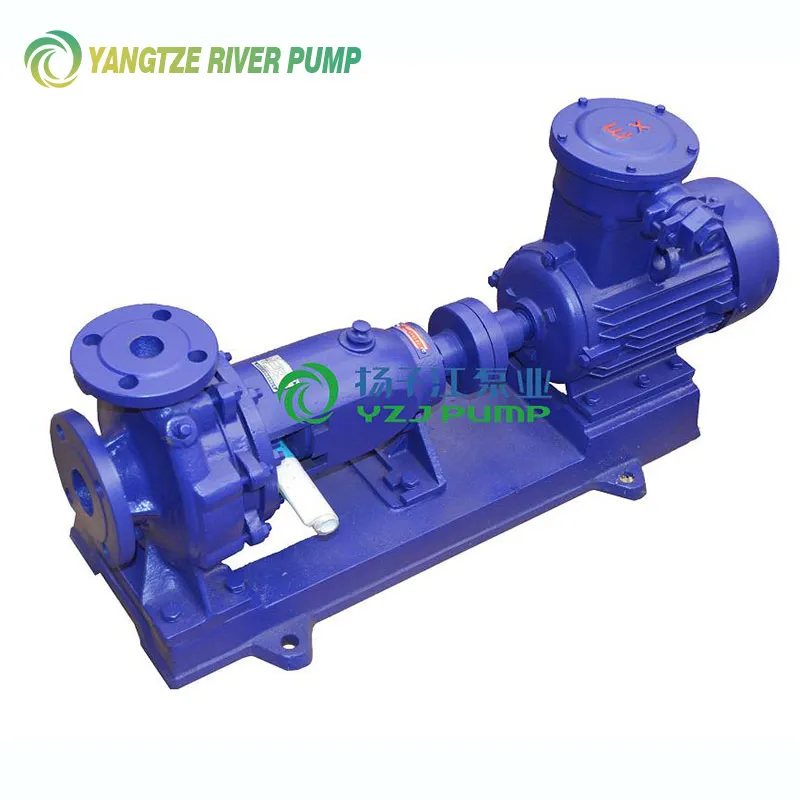

Best Sellingproducts
Best Selling Products-
 YCZ Chemical Process Pumps
-
 Non-clogging self-priming wastewater pumps ZW
-
 Infinitely variable screw pumps type G
-
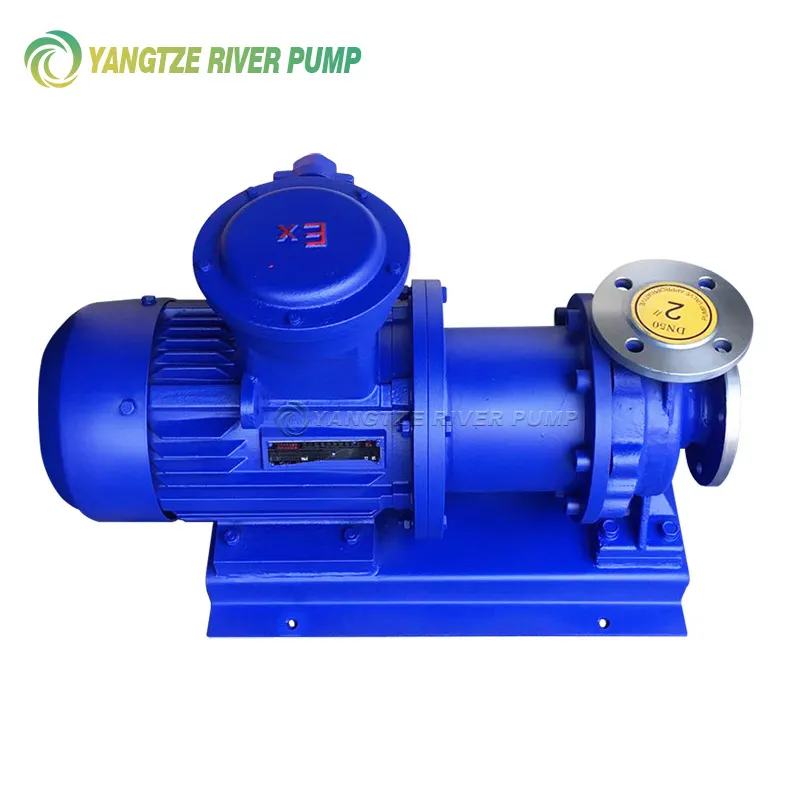 CQB Stainless Steel Magnetic Pumps
-
 YW Vertical Submersible Sewage Pumps
-
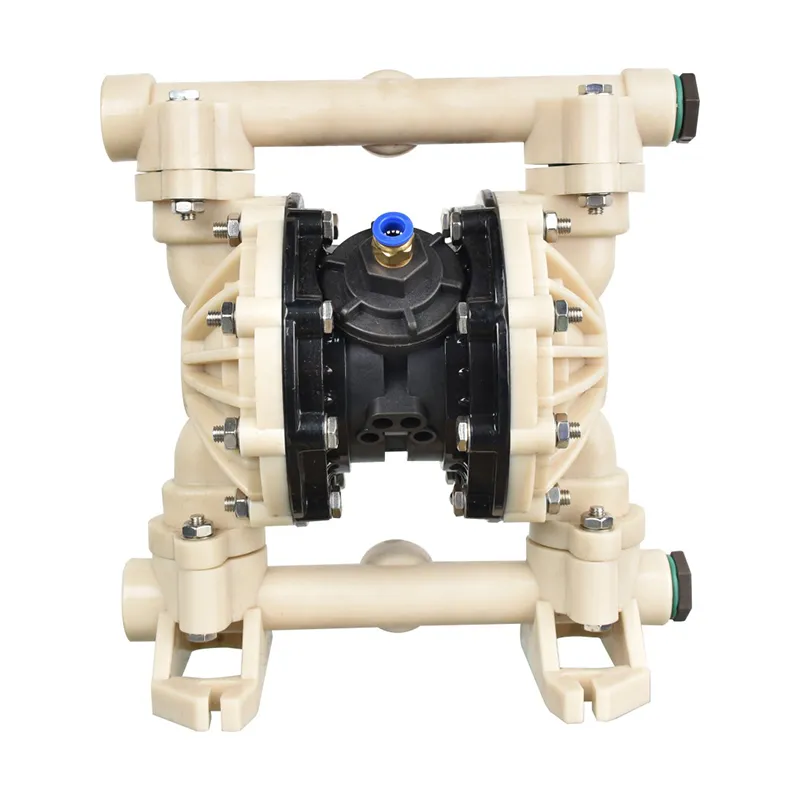 QBK Non-Metallic Air Operated Diaphragm Pumps
-
 QJ type borehole pumps
-
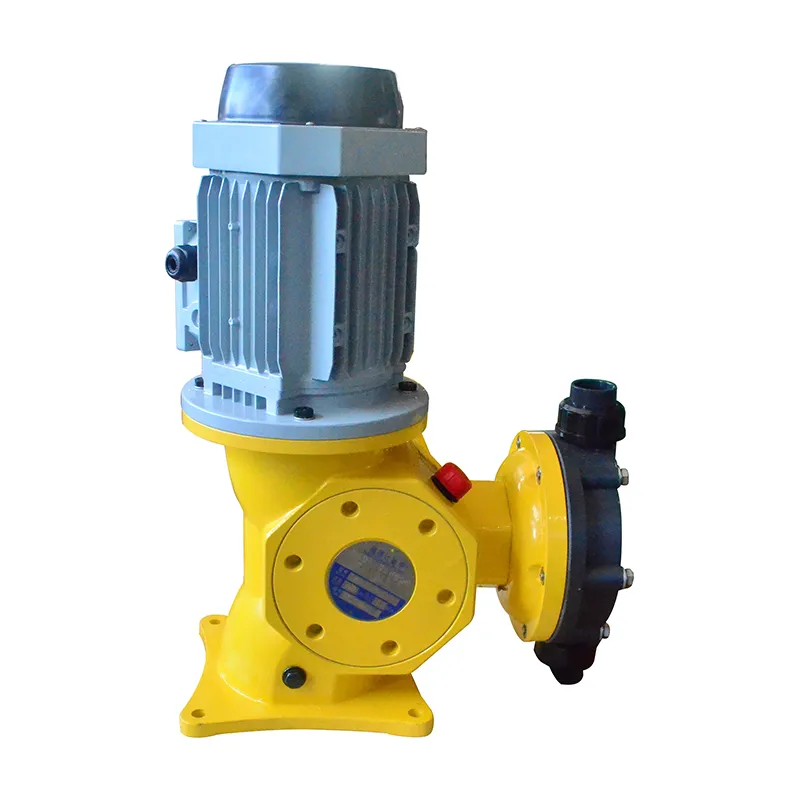 Mechanical diaphragm dosing pumps DJ-Z
-
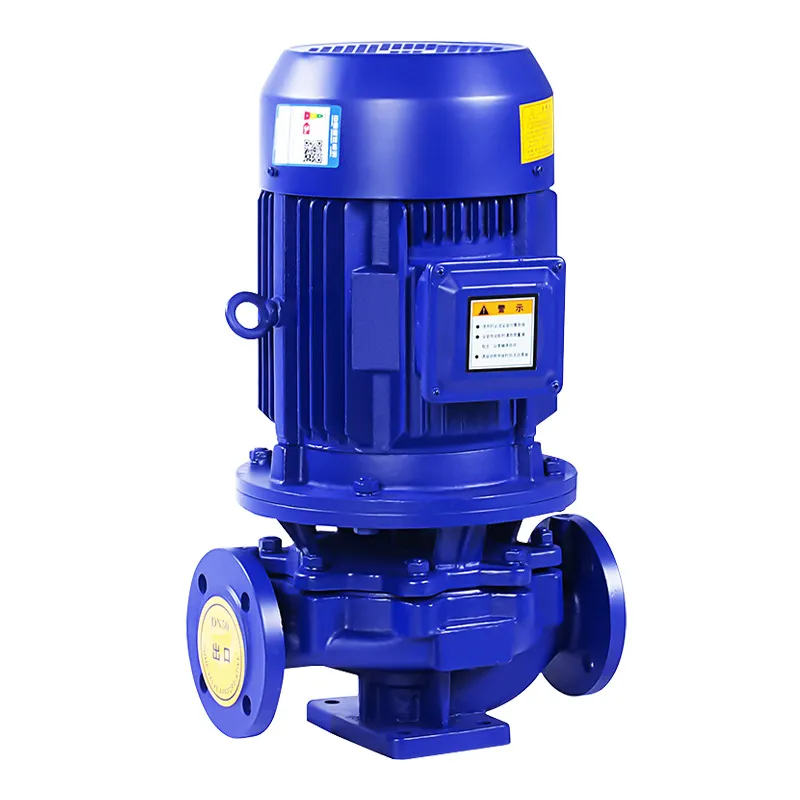 Vertical single-stage pipeline centrifugal pumps ISG and IHG
-
 Corrosion-resistant stainless steel centrifugal pumps SFB and SFBX
-
 Horizontal multistage pumps for feeding DG boilers
-
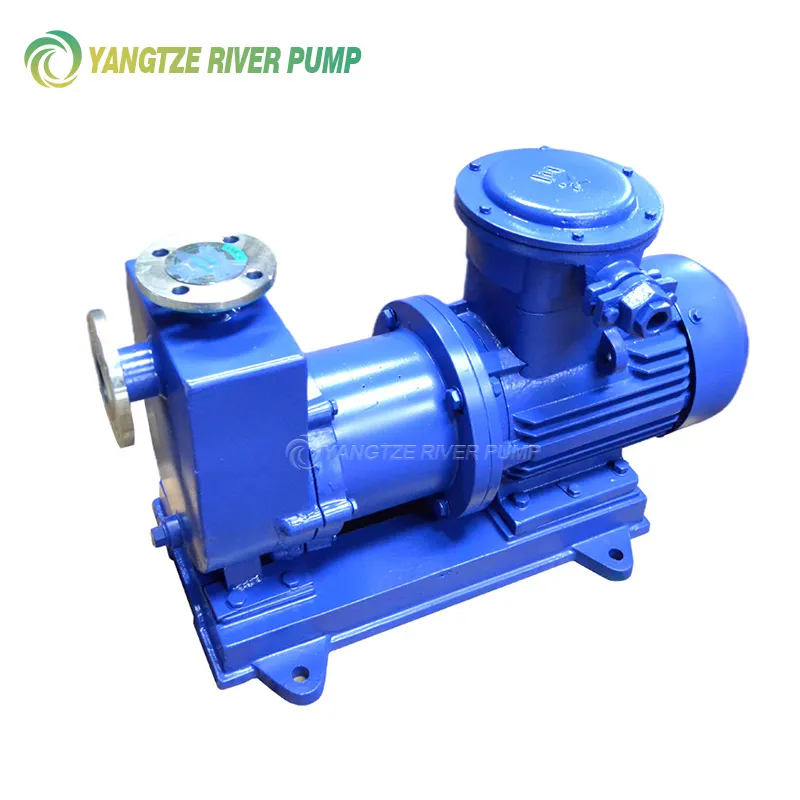 ZCQ Stainless Steel Self-Priming Magnetic Pumps
Relatedsearch
Related Search- semi-submersible pump diagram
- submersible pump for sewage pumping station
- centrifugal well pump vortex
- marine centrifugal pumps
- Complete frequency control units with constant pressure
- oil screw pump
- Electric diaphragm pumps
- best deep water pumps
- positive displacement pump device
- Magnetic pumps with PTFE lining