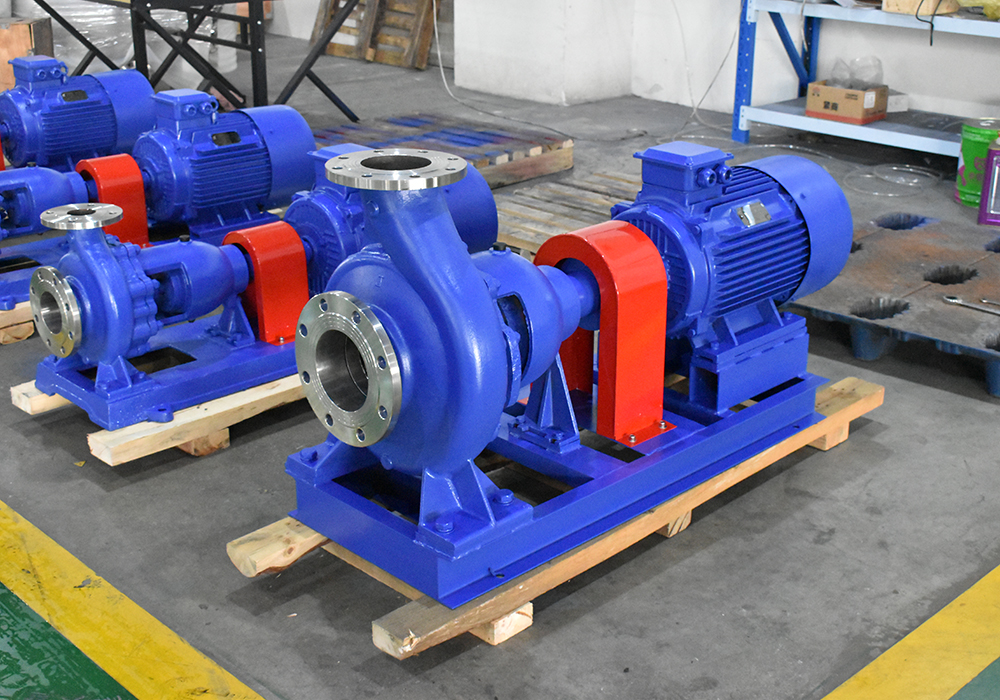
Centrifugal pump plastic factories: durability versus price
2026-05-28
- Why the price of a plastic centrifugal pump does not guarantee its durability
- Housing materials: the hidden battle between polypropylene and fluoroplastic
- Design features affecting the service life of centrifugal pumps
- Comparative analysis: cheap pumps against the premium segment
- Real application scenarios and selection errors
- How to check the quality of a pump before purchasing: an engineer’s checklist
- Economic efficiency: we calculate the total cost of ownership
- Guarantees, certification and supply security
- Frequently Asked Questions
- Final summary: strategy for choosing a reliable partner
Why the price of a plastic centrifugal pump does not guarantee its durability
In our practice of working with industrial enterprises in Russia and the CIS, we regularly encounter the same mistake during procurement: engineers choosecentrifugal pumps, relying solely on the initial cost of a piece of equipment. This is an understandable desire to save money, but in reality it often leads to the fact that after 6-8 months the unit requires major repairs or complete replacement. A plastic pump is not just a “cheap alternative” to cast iron or stainless steel; This is a high-tech solution for working in aggressive environments where the housing material plays a decisive role in chemical resistance. However, the market is oversaturated with offers where the low price hides the use of recycled materials, violation of the impeller geometry or lack of balancing.
When the temperature of the pumped liquid exceeds 60°C and the pressure in the system reaches 0.6 MPa, cheap plastic begins to “float”, losing its rigidity. We have seen cases where the pump shaft bent after just two weeks of use due to uneven expansion of the housing material. In this article, we will look at how to distinguish reliable equipment from disposable equipment, what parameters really affect service life, and why a vertically integrated manufacturing facility like Zhejiang Yangzijiang Pumping Industry Co., Ltd. becomes a critical factor in supplier selection.
Housing materials: the hidden battle between polypropylene and fluoroplastic
The choice of material for the flow part of a centrifugal pump determines 80% of its success in a particular process line. Many buyers believe that “plastic is plastic,” but the difference in the molecular structure of polymers is colossal. The main competitors in the market are reinforced polypropylene (PP) and fluoroplastic (PTFE/F46). Polypropylene is cheaper to produce, easier to process and is excellent for pumping medium concentration acids at temperatures up to 80–90°C. But it has a limit: under shock loads or sudden temperature changes, it becomes brittle.
Fluoroplastic, on the contrary, has almost absolute chemical inertness. It withstands aqua regia, hydrofluoric acid and temperatures up to 150°C without loss of mechanical properties. However, the price of pumps lined with fluoroplastic can be 2–3 times higher than their polypropylene counterparts. Here lies the main trap for the buyer: if your environment is ordinary sulfuric acid with a concentration of up to 30% at room temperature, overpaying for fluoroplastic does not make economic sense. Conversely, trying to save money and put a polypropylene pump in line with hot solvent will lead to disaster.
One of our clients, a manufacturer of galvanic coatings in the Leningrad region, was faced with a situation where a batch of inexpensive pumps began to crack in the area of the suction pipe after three months of operation. The audit revealed that the manufacturer used a mixture of primary and secondary granulate to reduce costs. Recycled plastic has a broken crystal lattice, which dramatically reduces its resistance to stress corrosion cracking. The resulting downtime cost the company ten times more than the initial purchase of certified virgin equipment.
When choosing between these materials, always ask the supplier for a quality certificate for the raw materials and a chemical resistance test report specifically for your environment. Don't be fooled by general phrases like "resistant to all acids." Check the concentration, temperature and presence of abrasive inclusions. If the supplier cannot provide details of the brand of plastic used, this is a red flag. Reliable manufacturers, such as Zhejiang Yangzijiang Pump Industry Co., Ltd., clearly specify materials: for example, CQB-F models use F46 fluoroplastic lining, and CQF series are based on reinforced polypropylene, which allows the client to consciously choose the balance of price and resource.
Design features affecting the service life of centrifugal pumps
The durability of the pump depends not only on the housing material, but also on how its internal components are assembled. In plastic centrifugal pumps, the weak point is often the connection between the shaft and the impeller and the sealing system. Traditional stuffing box seals have become virtually obsolete in the chemical industry due to inevitable leaks. The modern standard is mechanical mechanical seals or, even more reliable for aggressive environments, a magnetic coupling.
Magnetic pumps, such as the popular models CQF and CQB-L, completely eliminate contact of the pumped liquid with the atmosphere. Torque is transmitted through the wall of the separation chamber from external to internal magnets. This eliminates the need for seals and prevents leaks even when the plain bearings wear out. However, the design of the magnetic coupling requires high manufacturing precision. The gap between the magnets should be minimal, but sufficient to avoid contact during water hammer. Cheap copies often have weak magnets that “slip” when starting the pump under load, which leads to overheating and destruction of the separation chamber.
Another critical element is the plain bearings. In plastic pumps they are usually made of silicon carbide (SiC) or sintered graphite. Silicon carbide is harder, more wear-resistant and works better in friction pairs, but it is more expensive. Graphite is cheaper, but is afraid of dry operation even for a few seconds. If your process runs the risk of running dry (e.g. when emptying a container), choosing SiC bearings is a must, despite the increased cost. We've seen cases where saving $50 on a set of bearings led to a seized shaft and a destroyed impeller costing $400.
Impeller geometry also plays a role. Molded plastic wheels must be dynamically balanced. An unbalanced wheel creates vibration that is transmitted to the shaft and housing. In metal pumps this causes noise, and in plastic pumps it accelerates the fatigue failure of the material. Quality factories balance each wheel before assembly. The absence of this operation is a sure sign of handicraft production. When accepting equipment, pay attention to the vibration level at idle: it should not exceed the values specified in the ISO 10816 standard.
Comparative analysis: cheap pumps against the premium segment
To make an informed decision, let's compare two conventional classes of equipment on the market: budget mass-produced pumps and engineering solutions from specialized factories. The price difference can reach 40–60%, but the devil is in the details of operation.
| Comparison parameter | Budget segment (Economy) | Premium/Engineering segment |
|---|---|---|
| Housing material | Often a mixture of virgin and recycled plastic. Risk of structure heterogeneity. | 100% virgin raw materials (PP, PVDF, PTFE) with certificates from the granulate manufacturer. |
| Casting precision | Tolerances up to ±0.5 mm. Flange distortions and installation difficulties are possible. | High precision injection molding. Tolerances within ±0.1 mm. Perfect alignment. |
| Bearing unit | Regular graphite. Rapid wear when exposed to abrasive or working without liquid. | High density silicon carbide (SiC). Resistant to abrasion and dry running. |
| Magnetic system | Ferrite magnets. Low energy, risk of tripping at peak loads. | Neodymium magnets (NdFeB). High torque, stability under overloads. |
| Quality control | Spot check. Testing for water leakage only. | 100% testing of each unit. Checking pressure, flow, tightness and vibration. |
| Service life (average) | 1–2 years before the first major repair. | 5–7 years or more, subject to maintenance regulations. |
The table shows that the main savings in the budget segment are achieved through materials and quality control. For temporary solutions or non-critical processes (for example, pumping process water into a cooling system), this approach may be justified. But for the main process cycle, where stopping the pump means stopping the entire production, the difference in price is offset by the cost of downtime. A total cost of ownership (TCO) calculation shows that a premium pump pays for itself in 18–24 months due to the absence of repairs and maintaining efficiency.
We recommend using budget options only as backup equipment or for applications with low pressure and neutral media. In all other cases, an investment in quality is insurance against production accidents. Zhejiang Yangzijiang Pumping Industry Co., Ltd. occupies a niche between these poles, offering engineering-grade equipment at a competitive price thanks to its own production base in China and the absence of intermediaries. Their line includes both affordable polypropylene models and sophisticated fluoroplastic units that are CE and ISO 9001 certified.
Real application scenarios and selection errors
Let's look at two specific cases from our practice that illustrate the importance of choosing the right pump type for the task.
Case 1: Chemical production of fertilizers.
Task: Pumping a 40% phosphoric acid solution at a temperature of 75°C. Flow rate 20 m³/h, head 25 m.
Initial solution: The customer installed an inexpensive polypropylene pump with graphite bearings. After 4 months, the bearings wore out due to abrasive microimpurities in the acid, the shaft rotated, and the impeller destroyed the housing from the inside.
Correct solution: Replacement with a pump with a fluoroplastic lining F46 and silicon carbide bearings. Additionally, a seal flushing system was installed. Result: Trouble-free operation for more than 3 years. Here the overpayment for the material and type of bearing was 35%, but the service life increased 9 times.
Case 2: Electroplating shop.**
Task: Electrolyte circulation in the bath. Aggressive environment, requirement of complete tightness (exclusion of fumes).
Error: Using a pump with a mechanical seal. Despite the high quality of the seal, micro-leakages led to corrosion of the pump frame and contamination of the workshop floor.
Solution: Installation of a CQB-L series magnetic pump. The complete absence of seals solved the problem of ecology and personnel safety. The magnetic coupling allowed the pump to operate 24/7 without maintenance for 2 years.
These examples show that there is no universal solution. Each process requires a different type of pump. An error in selection can cost more than the equipment itself. Zhejiang Yangzijiang Pumping Industry LLC specialists conduct a preliminary audit of operating conditions, analyzing the chemical composition, temperature and operating mode, to offer a model from ten available categories: from magnetic and membrane to screw and diesel units. This approach allows you to avoid situations where the pump “seems to be suitable”, but cannot withstand real loads.
How to check the quality of a pump before purchasing: an engineer’s checklist
If you are planning to purchase a batch of centrifugal pumps, do not limit yourself to studying the catalog. Request the following information from the supplier and perform a visual inspection of the samples:
- Certificate for raw materials.Ask to see a document from the plastic manufacturer (for example, Sinopec or foreign brands) confirming the brand of granulate. Failure to provide this document means a high probability of using a secondary one.
- Factory test report.Each pump must have a passport with real test data: pressure, flow, power consumption, housing heating temperature. Compare these data with those stated in the catalogue. A discrepancy of more than 5–7% is unacceptable.
- Surface finish quality.Inspect the inner surface of the flow part. It should be smooth, without traces of flash, bubbles or pores. Roughness increases hydraulic resistance and promotes the formation of deposits.
- Shaft play.Take the shaft with your hand (with the pump turned off) and try to rock it up and down. The backlash should be minimal. A large gap indicates poor quality bearings or inaccurate boring of the housing.
- Options and packaging.Reliable manufacturers pack pumps in wooden boxes or reinforced cardboard with foam inserts. Bolts and flanges must be protected from damage. Lack of proper packaging often leads to plastic chipping during transportation.
It is also worth paying attention to the availability of service support. The plant, which values its reputation, provides drawings, disassembly diagrams and recommendations for spare parts. Zhejiang Yangzijiang Pumping Industry Co., Ltd., having experience working with international groups such as APP and HPO, has built an after-sales service system, including the supply of repair kits and technical consultation throughout the entire service life of the equipment. This is especially important for businesses operating in remote regions where quick repairs are critical.
Economic efficiency: we calculate the total cost of ownership
Many purchasing managers look only at the invoice price. But the real cost formula looks different:
Cost of ownership = Purchase price + Installation + Energy consumption + Repairs + Production downtime.
A cheap pump can consume 10–15% more electricity due to the low efficiency of the hydraulic part. Over a year of continuous operation, this difference can exceed the cost of the pump itself. Add here the cost of one unscheduled repair (mechanics’ work, delivery of spare parts, loss of product when draining the system) - and the picture becomes obvious.
For example, a $300 pump with 55% efficiency will consume approximately 0.8 kW more than a $500 pump with 65% efficiency. With an electricity tariff and 8,000 hours of work per year, the overpayment for light will be about $600–700 annually. That is, the “economical” pump will become unprofitable in the first year of operation. In addition, frequent stops to replace bearings or seals disrupt the rhythm of production, which is unacceptable in modern Just-In-Time conditions.
Investing in quality equipment from a trusted manufacturer is a way to keep operating costs at a predictable level. Stability of supplies, guaranteed by a service life of 5+ years, allows you to plan your budget without surprises. Zhejiang Yangzijiang Pumping Industry Co., Ltd. emphasizes this principle in its work, offering not just hardware, but a comprehensive solution that reduces risks and optimizes costs in the long term.
Guarantees, certification and supply security
When importing industrial equipment from China, compliance with safety standards remains a key issue. The presence of CE marking and ISO 9001 certificate is not just a formality, but confirmation that the quality management system at the plant really works. The SGS certification that Zhejiang Yangzijiang Pumping Industry Co.,Ltd. receives for its products provides additional assurance of independent verification of performance.
It is important to understand the difference between the “certificate of conformity” that a seller may buy and the actual test reports. Request the provision of test reports for a specific batch of goods. Also check the terms of the warranty: does it cover only material defects or the consequences of improper use (which is rare, but some honest manufacturers provide extensive advice to avoid mistakes).
Logistics and delivery times are another factor. Full-cycle factories with eight production lines and a spare parts warehouse are typically able to ship orders within 15–20 days. Handicraft workshops can miss deadlines for months. For Russian buyers, it is important to be able to ship under various Incoterms conditions (FOB, CIF, EXW) and have experience in customs clearance of products of this type. Experience working with markets in 40 countries allows companies such as Zhejiang Yangtzejiang Pumping Industry LLC to minimize the risks of delays at the border and ensure transparency of document flow.
Frequently Asked Questions
What is the service life of a plastic centrifugal pump?
With proper operation and selection for the environment, a high-quality plastic pump lasts from 5 to 7 years without major repairs. Sleeve bearings may require replacement every 1-2 years depending on the cleanliness of the fluid. If the pump fails after six months, most likely the manufacturing process was disrupted or the material was chosen incorrectly.
Is it possible to repair plastic pumps yourself?
Yes, the design of most models (especially magnetic ones) allows the replacement of bearings and impellers by company personnel. The main thing is the presence of a repair kit and compliance with the tightening torque of the bolts. Over-tightening can deform the plastic case, and under-tightening will lead to leaks. We recommend that you undergo a brief briefing from the supplier's engineers upon your first purchase.
Do plastic pumps work with viscous liquids?
Centrifugal pumps work effectively with liquids with a viscosity of up to 200–300 cSt. As the viscosity increases, their efficiency drops sharply. For thicker media (oils, syrups, sludge), it is better to use screw or gear pumps. The line of Zhejiang Yangzijiang Pumping Industry LLC has special series for such tasks, for example, GF type sanitary screw pumps.
How dangerous is it to operate a magnetic pump without liquid?
Extremely dangerous. The plain bearings are lubricated and cooled by the pumped liquid. Working “dry” even for 30–60 seconds leads to overheating of the friction pair, sintering of the bearings and destruction of the magnets. Be sure to install dry-running protection sensors or flow switches.
Are there temperature limits for plastic enclosures?
Yes. Polypropylene (PP) is usually limited to 80-90°C, PVDF - up to 100-120°C, fluoroplastic (PTFE) - up to 150°C. Exceeding these temperatures leads to loss of strength and deformation. Always indicate the maximum ambient temperature when ordering so that the factory selects the correct grade of plastic.
Final summary: strategy for choosing a reliable partner
The industrial pump market offers a wide range of solutions, from the cheapest to the elite. The choice between durability and price is not a compromise, but a search for the optimal match between the task and the tool. Buying the cheapest pump for a critical process is a false economy that will cost you dearly in the future. On the other hand, overpaying for redundant characteristics where a simple solution is sufficient is also not rational.
The key to success is partnering with a manufacturer who has expertise, own quality control and is willing to take responsibility for the result. Zhejiang Yangzijiang Pumping Industry Co., Ltd. demonstrates exactly this approach, combining 20 years of experience, modern technology and customer focus. Their ability to supply internationally certified equipment and support throughout the entire life cycle makes them a trusted link in any industrial enterprise's supply chain.
Don't risk the stability of your production for the sake of dubious savings. Inspect materials, require tests, analyze TCO, and choose suppliers who share your values of quality and reliability. If you are looking for a solution for pumping aggressive or complex liquids, start by consulting with specialists who can help you choose the ideal model from a wide range of products - from centrifugal to vacuum and diesel units.
Selection of industrial centrifugal pumpsis the first step towards modernizing your production and reducing operational risks. Contact us today to receive a detailed calculation and technical proposal for your task.