







Vertical centrifugal pumps for pipelines
When people talk about vertical centrifugal pumps for pipelines, many people immediately imagine just a “pump that stands vertically.” In fact, this is a whole class of equipment, where the vertical design is not just orientation, but often a fundamental design solution for saving space, organizing flow, or working in specific conditions. A common mistake is to assume that since the pump is centrifugal, it can be plugged into any system, as long as the pressure and flow parameters match. In practice, especially in pipeline systems, where it is not just the transfer of the medium that is important, but pressure stability, a minimum of water hammer and often working on viscous or suspended liquids, there are no trifles. We at Zhejiang Yangtzejiang Pumping Industry LLC have encountered this more than once: the client sends technical specifications, we seem to select a model, but on the spot it turns out that, for example, cavitation due to the characteristics of the suction section or vibration from resonant frequencies in the pipeline has not been taken into account. It’s these nuances that are often not written about in catalogues, and I would like to speculate based on what I saw during testing and installation.
Construction: what is hidden behind the word “vertical”?
If we take pipeline vertical centrifugal pumps, then the key here is often a monoblock design with an extended shaft. The engine is on top, the impeller (or several) is below, in the flow path. It would seem that everything is simple. But the first practical question is what to do with axial loads and radial unloading of the shaft? Horizontal pumps often use bearing supports with an external frame, but here the entire load falls on the shaft structure and the bearing assembly in the upper part. In production, having eight complete lines from R&D to testing, we have revised the design of these units more than once for different series. For example, to pump hot water in heating systems, the shaft must be able to thermally elongate without losing alignment and without placing excessive stress on the seals. Incorrect calculation - and six months later there are constant leaks along the shaft, although the mechanical seal was chosen, it seems, correctly.
Another point is the material of the flow part. Pipelines often pump not just water, but, say, brines, process solutions, and sea water. 304 stainless steel is the standard, but may not be sufficient for active chlorides. We have to offer the client 316L or even duplex steel, although this is more expensive. There are plastic chemical pumps in our line, but for vertical centrifugal pumps of large diameter and pressure, plastic is not always an option due to strength limitations. Therefore, there is often an individual selection of steel grades based on environmental samples from the customer. This, by the way, is one of the advantages of a full production cycle - at the R&D stage we can make a test casting and conduct corrosion tests without getting tied up with third-party housing suppliers.
Execution of seals is a different story. The stuffing box seal is cheaper, but requires maintenance and allows minor drip leakage. For pipelines with drinking water or aggressive media this is often unacceptable. We install mechanical mechanical seals. But there is a pitfall here: in the vertical design, it is important to ensure lubrication and heat removal from the seal friction pair. If the pump operates with frequent shutdowns or there is potential for vapor at the suction, dry friction can kill the seal in a matter of hours. Therefore, in the passport we always focus attention on the suction conditions and recommend, for example, the installation of additional chambers or flushing systems.
Selection and calculation: where theory diverges from practice
The main selection parameters are flow, pressure, NPSH. All this is in catalogs and selection programs, including on our website yangtzeriverpump.ru. But life makes adjustments. Typical case: the customer provides data on pumping clean water at 20°C, and at the site the liquid has a temperature of 80°C or contains up to 5% of small abrasive particles (sand, scale). For a centrifugal pump, this changes everything: efficiency drops, wear on the impeller and seals increases sharply, and a different material may be required. If the pump has already been purchased and installed, it is expensive to correct the situation. Therefore, our sales and technical support department always tries to find out the details: not just “water”, but the composition, temperature, presence of gases or suspensions. This is not just nitpicking, but an attempt to save the client money and nerves in the future.
Another painful moment -vertical centrifugal pumpsfor systems with variable flow. They are often installed in systems with frequency converters (FCs) to save energy. In theory, this is an excellent solution. In practice, you need to look at the characteristics of the pump. Not every pump, especially multistage ones, tolerates low speed operation well. Overheating, increased vibration, and cavitation in the area of low flows may occur. We have tested our multi-stage vertical CV pumps and have recommended minimum speeds for each model. This is information that is generated not in a design bureau, but on a test bench.
Calculation of NPSH (NPSH) is sacred. But often on-site suction conditions are not ideal: the section in front of the pump is not straight, there are dirt filters that clog over time and increase resistance. In the passport we indicate the required NPSH for water. If the medium is different (lower boiling, for example, some hydrocarbons), the reserve should be larger. There was a story when a pump for a pipeline with LPG (liquefied petroleum gas) failed after a month due to cavitation. During analysis, it turned out that the temperature of the medium at the suction was higher than the calculated one, and the vapor pressure turned out to be critical. I had to redo the circuit and install a pump with a large cavitation reserve. We now take this experience into account when consulting for similar applications.
Installation and piping: little things that make all the difference
It would seem that it would be so complicated: install the pump on the foundation, connect the pipes and cables - and start working. But there are specifics with vertical pumps. The foundation must be rigid and level so that there are no distortions. Even a slight misalignment when tightening anchor bolts creates additional stress in the housing and on the shaft, which leads to increased vibration and wear. We always recommend using adjustable base plates or anti-vibration bases, especially for heavy-duty units.
Pipeline piping. On the suction pipeline, a straight section with a length of at least 5-10 pipe diameters in front of the pump inlet flange is desirable. This is necessary to equalize the flow and reduce uneven load on the impeller. Often this is neglected at sites, they immediately install an elbow or a tee - and then they wonder why the pump is noisy and the bearings fail ahead of schedule. A check valve and gate valve are required on the pressure pipeline. The check valve protects against water hammer when the pump suddenly stops, especially in high-pressure systems. And the valve is needed for adjustment and shutoff during maintenance.
Electrical part. For vertical pumps with “wet” rotor (for example, some submersible models) is a separate issue. But for conventional vertical centrifugal pumps with a dry motor on top, it is important to protect the motor from overloads and “dry running”. Current sensors, flow or pressure switches are not extravagances, but a necessity. Especially if the pump pumps from a container that may become empty. Dry work even a few minutes of mechanical compaction is often fatal.
Maintenance and common problems
Scheduled maintenance for vertical centrifugal pumps is usually simpler than for horizontal ones: it is often not necessary to disassemble the piping to get to the components. The main points of attention are the bearing assembly (vibration control, temperature control, lubricant change), mechanical seal (check for leaks) and impeller condition (clearance between the wheel and the O-rings). In our instructions, we try to provide clear inspection intervals and methods based on failure statistics from our facilities. For example, for pumps operating on water with sand, we recommend checking clearances twice as often as for clean water.
The most common malfunction is increased vibration. The reasons may be different: impeller imbalance (due to wear or cavitation damage), bearing wear, weakening of the foundation or resonance with the rotational speed. The first thing we do during diagnostics is measure vibration at different points and at different frequencies. Simply balancing the wheel in place often helps. But it happens that the reason is in hydraulics - uneven inflow due to incorrect piping, which I mentioned above.
Leak along the shaft. If it is an oil seal, you can tighten it or add packing. If it is a mechanical seal, it usually requires replacement. It is important to understand why it failed: operation without lubrication, contact with abrasive, overheating. Otherwise, the new couple will not live long. For difficult cases, we, as a manufacturer, can offer upgrades to the seal assembly, for example, switching to a double mechanical seal with a barrier liquid.
Cases and directions of development
One of the latest interesting projects involving our pumps is a recirculation system in the process pipeline of a chemical plant. It was necessary to pump a solution with a temperature of under 90°C and a salt content. We installed a vertical multistage centrifugal pump made of duplex steel with a double mechanical seal and an external flushing system. The key was to maintain precise manufacturing tolerances to ensure resistance to thermal expansion. During testing, we ran it on a stand with a real environment for two weeks, measuring parameters. The result is successful commissioning, two years without any complaints.
Another direction that we are developing at Zhejiang Yangzijiang Pumping Industry LLC is the integration of IoT sensors into large pumping units for pipelines. This is not just about protection, but about predictive analytics: tracking vibration trends, bearing temperatures, and current consumption. This allows you to predict the need for maintenance before parameters go beyond critical limits. For critical pipeline systems, where a shutdown means huge losses, this approach becomes not a luxury, but a necessity.
Returning to the topic of vertical pipeline pumps. This is not a universal solution, but in applications where compactness, flooded suction operation or specific installation conditions are important, they are often the optimal choice. The main thing is not to approach them as a “black box” that simply gives pressure and delivery. You need to understand its internal mechanics, weaknesses and limits of application. Then the work will be long and there will be a minimum of problems. And our experience, embedded in the design and recommendations for operation, is precisely aimed at ensuring that these boundaries are clearly defined and respected for the customer.
Correspondingproducts
Related Products




Best Sellingproducts
Best Selling Products-
 Plastic self-priming centrifugal pumps FP and FS
-
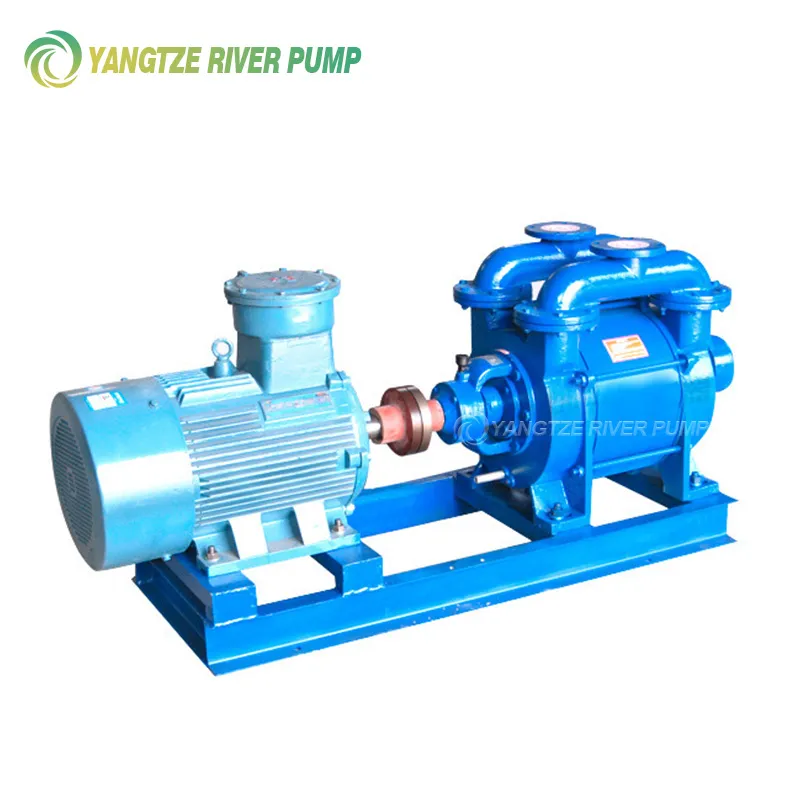 Liquid ring vacuum pumps type SK
-
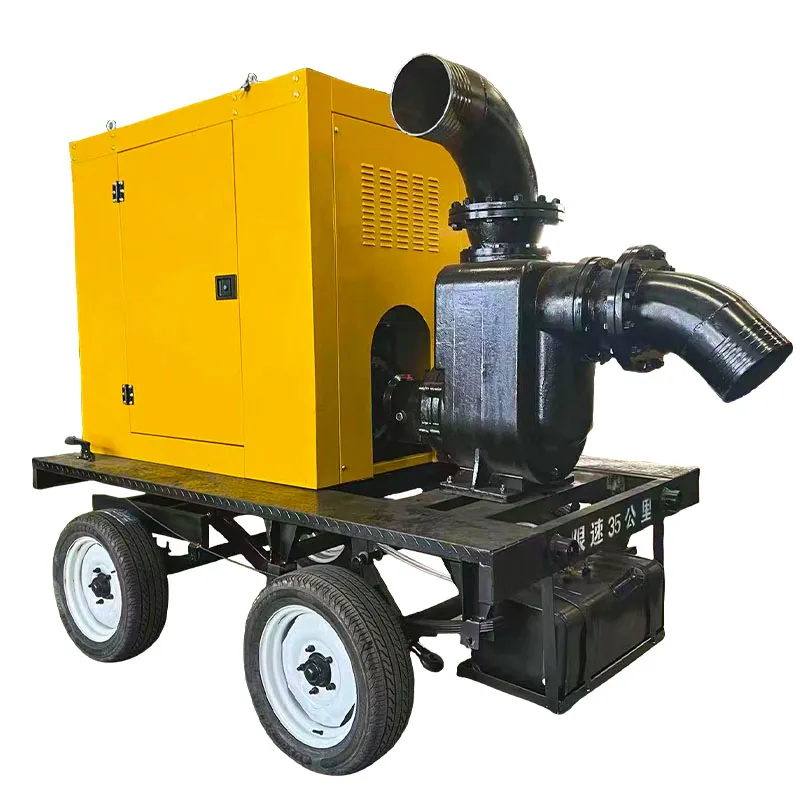 YZZW Diesel self-priming pumps
-
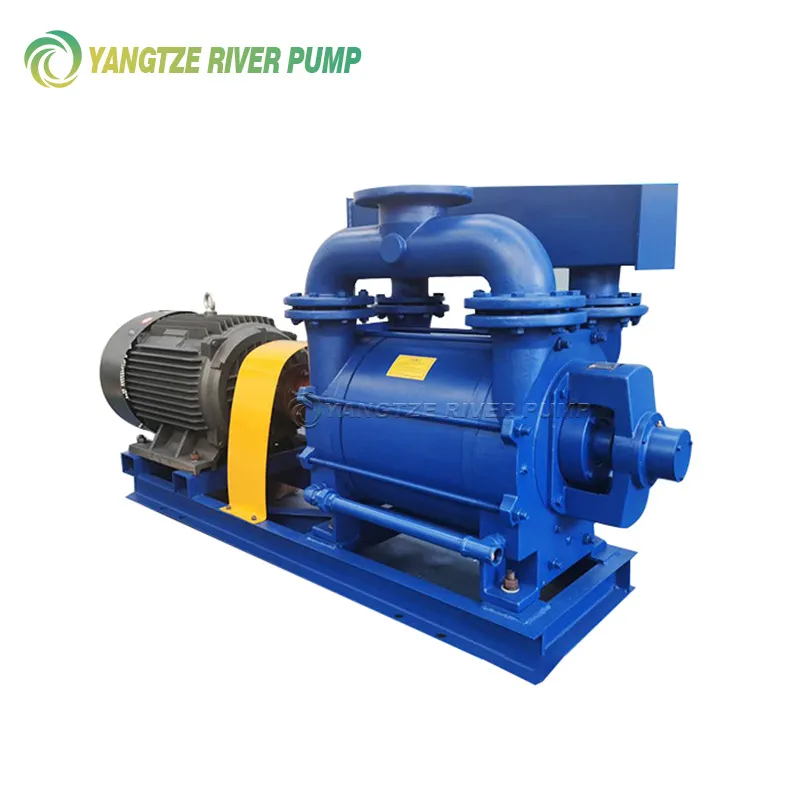 Liquid ring vacuum pumps type 2EB
-
 IHF PTFE Chemical Centrifugal Pumps
-
 Infinitely variable screw pumps type G
-
 Corrosion-resistant stainless steel centrifugal pumps SFB and SFBX
-
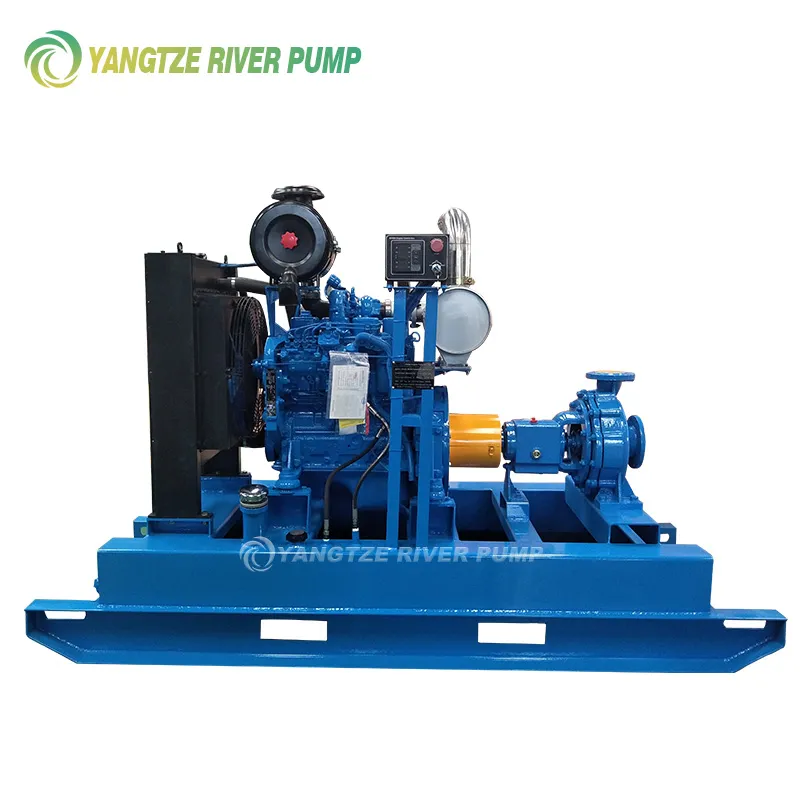 YZIS Diesel Single Stage Centrifugal Pumps
-
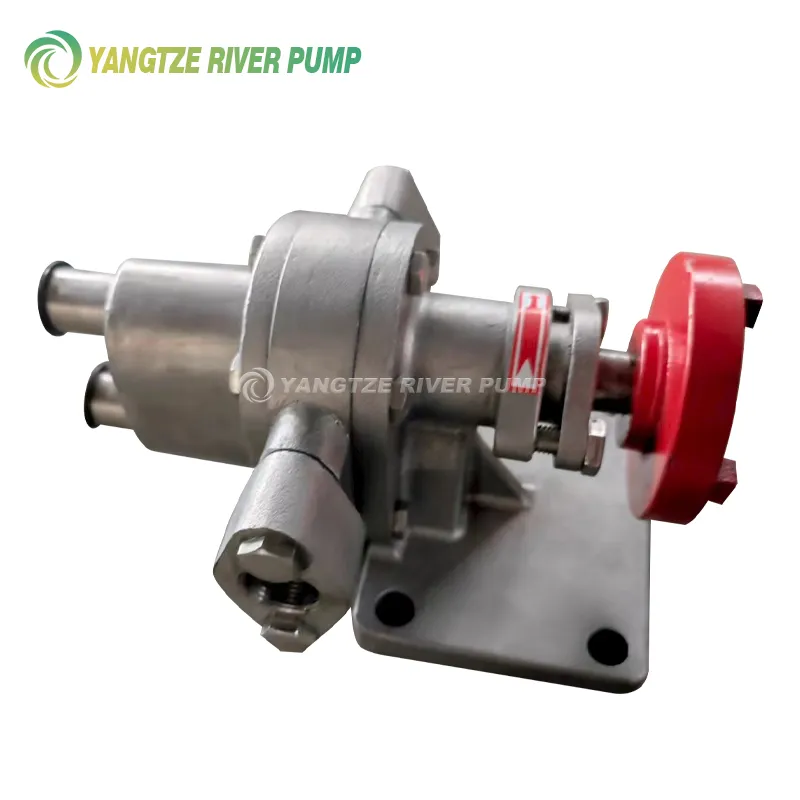 Gear oil pumps type KCB
-
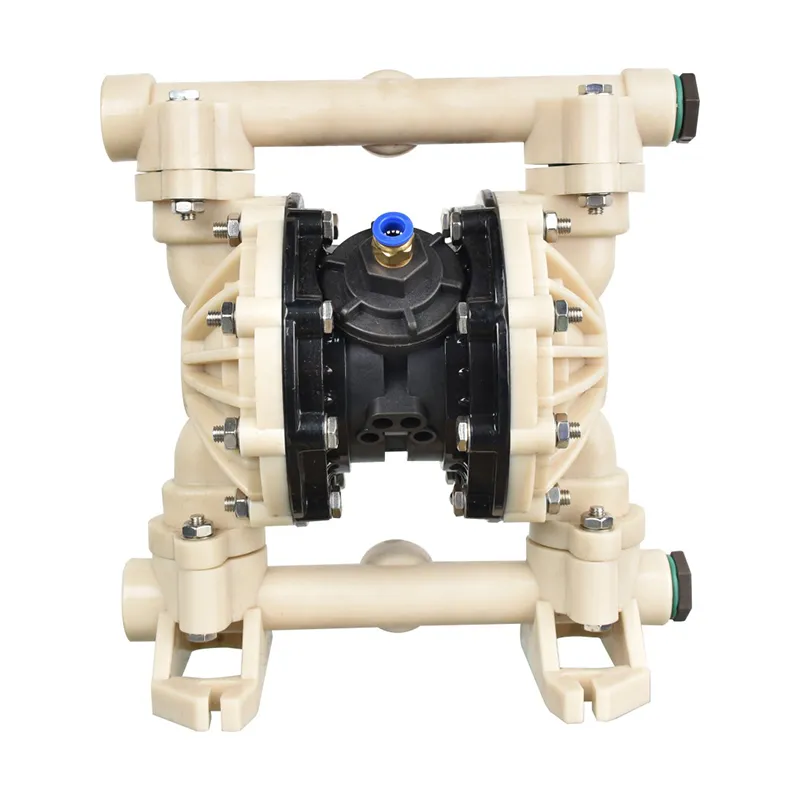 QBK Non-Metallic Air Operated Diaphragm Pumps
-
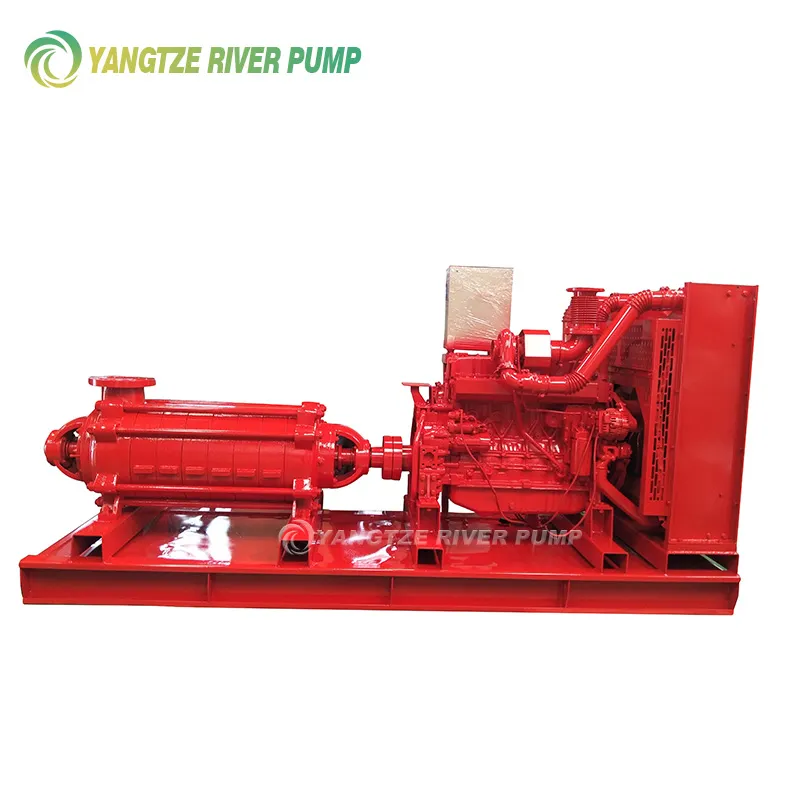 YZD Series Diesel Multistage Centrifugal Pumps
-
 Horizontal multistage pumps for feeding DG boilers