






Market Analysis: Plastic Centrifugal Pump Manufacturer Trends
2026-06-07
- Demand dynamics and technological shift in 2026
- Critical selection parameters: why the material decides everything
- Design features and efficiency of magnetic drives
- Real application scenarios and economic benefits
- Typical operating mistakes and how to avoid them
- Global quality standards and certification
- Frequently Asked Questions
- Conclusion and next step
Demand dynamics and technological shift in 2026
The industrial equipment market is undergoing a fundamental transformation, wherecentrifugal pumpsare no longer simply utilitarian devices for moving liquids. In 2026, we are seeing a clear transition from purchasing hardware to purchasing guaranteed reliability and energy efficiency. If five years ago the main selection criterion was the starting price per unit of equipment, today the total cost of ownership (TCO) dictates the rules of the game. Global supply chains have stabilized after the crises of the early part of the decade, but demands for materials to withstand harsh environments have increased by 40%. Manufacturers who ignore this trend are losing contracts with large chemical and mining holdings.
Analysis of the current situation shows that demand is shifting towards polymer solutions. Metal counterparts, even those made from expensive alloys, often do not withstand prolonged exposure to the complex chemicals used in modern hydrometallurgy and wastewater treatment processes. Plastics, particularly fiberglass-reinforced polypropylene (PP) and fluoroplastic (PTFE), have become the new standard for handling acids and alkalis. This is not just a material change, it is a change in the approach to system design. Engineers are now placing a greater margin of safety in the chemical resistance of the casing and impeller, realizing that a downtime due to corrosion costs tens of times more than the cost of the pump itself.
In our practice of implementing equipment at enterprises in Eastern Europe and Asia, we encountered an interesting paradox: buyers are willing to pay a premium for the brand, but the actual technical characteristics are often inferior to solutions from specialized direct-profile factories. One of our clients in the rare earth mining sector lost two months of production time because they chose a generic metal pump instead of a specialized plastic unit. Corrosion eroded the seals in three weeks, although the passport data promised a year of work. This case became a turning point for many buyers, who now require not just certificates, but reference lists with similar operating conditions.
Trends for 2025-2026 also dictate stricter environmental standards. Leaks of even a minimal amount of toxic liquids are now punishable by fines comparable to the cost of the entire equipment fleet. This is why sealing becomes priority number one. Traditional gland seals are becoming a thing of the past in hazardous applications, giving way to magnetic couplings and double mechanical seals. The market reacts quickly: the share of magnetic drive pumps in the chemical industry segment has increased from 15% to 35% over the past three years. This is a direct response to the requirement for zero emissions and maximum personnel safety.
Critical selection parameters: why the material decides everything
When choosingcentrifugal pumpsFor aggressive media, the material of the flow part is the only factor that cannot be compromised after the fact. An error in the selection of plastic or metal leads to catastrophic consequences in the very first months of operation. We recommend paying primary attention not only to the type of polymer, but also to the technology of its molding. An injection-molded housing has a different structure of molecular bonds compared to an extruded one, which directly affects its resistance to thermal shock and mechanical stress.
Let's take a look at the main materials that will dominate the market in 2026. Polypropylene (PP) remains the most popular solution for pumping acids up to 60% concentration at temperatures up to 80°C. Its main advantage is the optimal ratio of price and chemical resistance. However, it has a yield strength that must be taken into account when designing piping. Excessive loads on the pipes can lead to deformation of the housing, which will disrupt the alignment of the shafts and cause vibration. In our projects, we always insist on the use of strain reliefs at the inlets and outlets of plastic pumps to eliminate this risk.
For more severe conditions, where temperatures exceed 90°C or there are solvents that can destroy polypropylene, fluoroplastic (PTFE/F46) becomes indispensable. Pumps lined with this material are capable of handling almost all known chemicals, including aqua regia. But here lies a hidden problem that open catalogs rarely talk about: the coefficient of thermal expansion of fluoroplastic is much higher than that of metal or reinforced plastic. During sudden temperature changes, the lining may peel off from the outer casing if the application technology has been violated. We have seen cases where cheap analogues failed precisely for this reason, turning into a pile of scrap metal in one thermal cycle.
Polyvinylidene fluoride (PVDF) fills the gap between PP and PTFE, offering excellent UV and oxidation resistance. It is an ideal choice for water treatment plants and semiconductor manufacturing plants where clean flow and the absence of emissions from the pump material are important. However, the cost of PVDF makes it less attractive for mass mining applications where pumping volumes are huge and budgets are limited. The choice of material is always a balance between the chemical map of the environment, temperature conditions and the economic justification of the project.
CompanyZhejiang Yangzijiang Pumping Industry Co.,Ltd, as a Russian-Chinese manufacturing enterprise with more than 20 years of experience, has deeply integrated this knowledge into its production processes. Their approach to the development of plastic magnetic pumps of the CQF and CQB-F series takes into account not only chemical inertness, but also the mechanical stability of structures during long-term operation. The use of their own testing centers allows them to simulate extreme conditions, identifying weak points at the prototyping stage, which is critical for preventing accidents at the end customer.
Comparison table of fluid end materials
| Parameter | Polypropylene (PP) | Fluoroplastic (PTFE/F46) | Polyvinylidene fluoride (PVDF) | Stainless steel (316L) |
|---|---|---|---|---|
| Max. temperature | up to 80-90°C | up to 120°C | up to 100°C | up to 250°C+ |
| Chemical resistance | High (acids, alkalis) | Extreme (almost all environments) | High (oxidizing agents, halogens) | Medium (risk of pitting corrosion) |
| Mechanical strength | Medium (requires caution) | Low (only as lining) | High | Very high |
| Cost | Low | High | Medium-high | Depends on the steel grade |
| Main risk | Deformation due to overheating | Lining peeling | Shock brittleness | Corrosion in chlorides |
Design features and efficiency of magnetic drives
The transition to sealless designs has been one of the main trends of the last decade, and in 2026 it will reach its logical conclusion in most chemical industries.Centrifugal pumpswith magnetic coupling eliminate the need for dynamic seals, which have traditionally been the weakest link in any pumping system. The absence of contact between the engine and the working chamber means complete tightness: leaks are impossible in principle, since there is no through hole for the shaft. This solution radically changes the economics of equipment maintenance.
The principle of operation of a magnetic coupling seems simple: an outer rotor connected to the motor shaft rotates an inner rotor located inside the pump housing through the wall of the separating sleeve. The magnetic field transmits torque without physical contact. However, the devil is in the implementation details. The quality of the magnets (usually neodymium-iron-boron or samarium-cobalt) determines the maximum transmitted torque and resistance to demagnetization at high temperatures. Cheap analogues often use low-grade magnets, which lose their properties already at 60-70°C, leading to slippage and stopping of the pump under load.
Another critical element is the release sleeve. It must be as thin as possible to minimize magnetic play while still withstanding the full pressure of the system. In plastic pumps, this function is often performed by the housing itself or a special carbon fiber insert. A mistake made by many manufacturers is the insufficient thickness of the liner wall in high-pressure areas, which leads to its destruction and instant flooding of the engine compartment with aggressive liquid. In our practice, there was a case when a series of pumps at a fertilizer production plant failed precisely because of microcracks in the liner caused by hydraulic shocks during startup.
Sliding bearings in magnetic pumps operate directly in the pumped medium. This means that lubrication is provided by the liquid itself. If you are pumping clean water or light solvents, there is usually no problem. But if the fluid contains abrasive particles or has low lubricity, the bearing life drops sharply. This is where design solutions come to the rescue, such as increased bearing support area or the use of low-friction composite materials. Models type CQB-L from leading manufacturers, including product lineZhejiang Yangzijiang Pumping Industry Co.,Ltd, are specially optimized for operation in such difficult conditions, ensuring rotation stability even in the presence of fine suspended matter.
It is important to understand that the magnetic drive imposes restrictions on the operation of the pump. Dry starting is strictly prohibited: lack of lubrication leads to instant overheating and destruction of the bearings in a matter of seconds. In addition, there is the concept of “demagnetization point”. If the pump is operating in overload mode (for example, with the outlet valve closed), the torque may exceed the adhesive force of the magnets, uncoupling will occur and the pump will stop, protecting the motor from combustion. This is built-in protection, but it requires the correct selection of engine power with a reserve.
Real application scenarios and economic benefits
Theory is important, but only practice shows the true value of the equipment. Let's look at two specific cases from our database of completed projects that illustrate how to make the right choicecentrifugal pumpsaffects the operational efficiency of the enterprise.
Case 1: Electroplating production.
The task was to organize the circulation of an acidic electrolyte (sulfuric acid 20%, temperature 65°C) in degreasing baths. Previously, metal pumps with AISI 316 stainless steel gland seals were used. The average service life was 4 months. The main problems: shaft corrosion, leaks through the seal (requiring constant tightening and replacement of the packing), contamination of the workshop floor.
Solution:Introduction of plastic magnetic pumps of the CQF series with a flow part made of reinforced polypropylene.
Result:The period of trouble-free operation has increased to 18 months. The complete absence of leaks made it possible to eliminate the system of emergency pallets and reduce the cost of neutralizing spills. Energy consumption is reduced by 12% thanks to optimized impeller hydraulics. The estimated payback period for the new pumps was less than 7 months due to savings on repairs and downtime.
Case 2: Pharmaceutical synthesis.
It was necessary to pump an aggressive organic solvent at a temperature of 95°C. Requirements for product cleanliness were critical: any metal inclusions or seal wear products were unacceptable. Standard pumps were not suitable due to the risk of contamination and the low heat resistance of the seals.
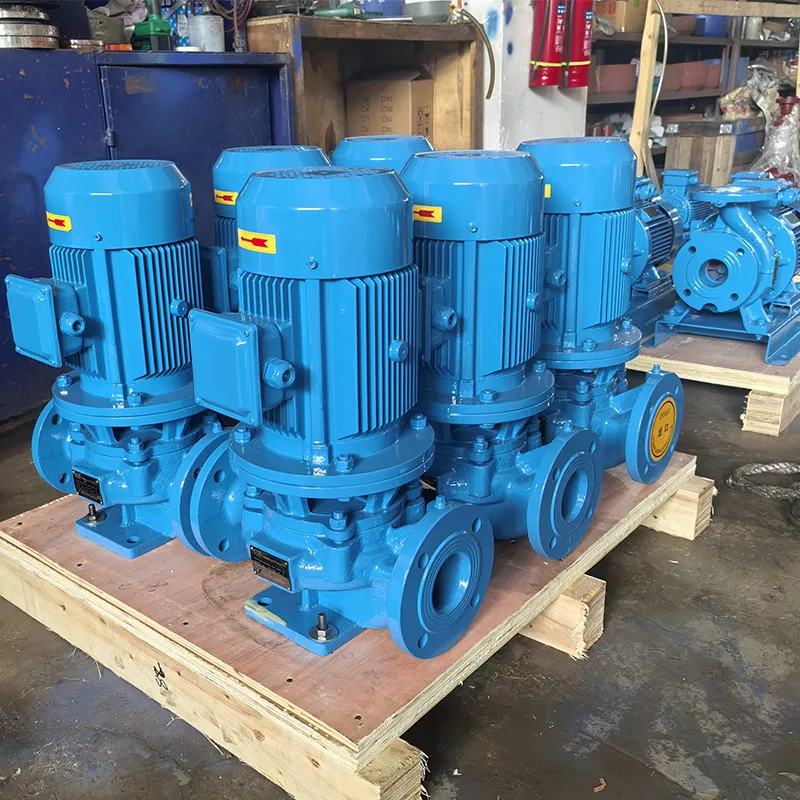
Solution:Installation of vertical magnetic pumps lined with fluoroplastic F46. The design made it possible to completely immerse the working part in the container, minimizing the length of the suction pipeline and the risk of cavitation.
Result:100% tightness and chemical purity of the process are ensured. The pumps operated successfully for more than 2 years without replacing the main components. The ability to work with hot media without loss of characteristics confirmed the correctness of the choice of material. For this project, a key factor was the availability of a manufacturer such asZhejiang Yangzijiang Pumping Industry Co.,Ltd, an in-house testing facility where tests were carried out to determine the compatibility of a specific solvent with pump materials prior to shipment.
These examples show that saving at the initial stage of purchase often leads to repeated losses during operation. The cost of an hour of downtime on a modern automated line can reach thousands of dollars. Pump reliability therefore becomes a strategic asset. When choosing equipment, you should pay attention not only to the price in the price list, but also to the availability of spare parts, quality of service and reputation of the manufacturer.
Typical operating mistakes and how to avoid them
Even the most advanced equipment will fail if operating rules are violated. An analysis of service calls over the past year has revealed several recurring mistakes that engineers and operators make when working with plastic centrifugal pumps.
Mistake #1: Ignoring cavitation.
Plastic absorbs shock loads from the collapse of steam bubbles worse than metal. Cavitation quickly destroys the impeller, causing surface erosion and rotor imbalance. Symptoms: characteristic noise (“as if there were stones in the pump”), drop in pressure, vibration.
How to avoid:Strictly adhere to the required NPSH. Do not increase the suction lift. Make sure that the suction pipe diameter is sufficient and that the filters are clean. If the process is unstable, consider installing a pump with a large NPSH reserve.
Mistake #2: Working “dry”.
For magnetic pumps, this is a death sentence. Sleeve bearings heat up in seconds without fluid lubrication. Thermal expansion causes the shaft to jam and crack the ceramic or graphite liners.
How to avoid:Use flow control relays or tank level sensors. Many modern models, including some pump versionsZhejiang Yangzijiang Pumping Industry Co.,Ltd, can be equipped with dry-running protection systems. Never run a pump without first priming (unless it is self-priming with a guaranteed result).
Mistake #3: Loading the pipes.
The plastic case does not forgive installation errors. Pipe distortions and flange tension create internal stresses in the housing. When heated, these stresses add up to thermal expansion, which leads to deformation of the pump geometry and jamming of the impeller.
How to avoid:Install the pipelines independently of the pump. Use flexible inserts or expansion joints. Tighten the mounting bolts evenly crosswise, observing the tightening torque. The pump must stand on a level surface without distortion.
Mistake #4: Incorrect selection of viscosity.
Centrifugal pumps are designed for low-viscosity liquids (up to 30-50 cSt). Pumping thick products leads to engine overload, loss of efficiency and overheating.
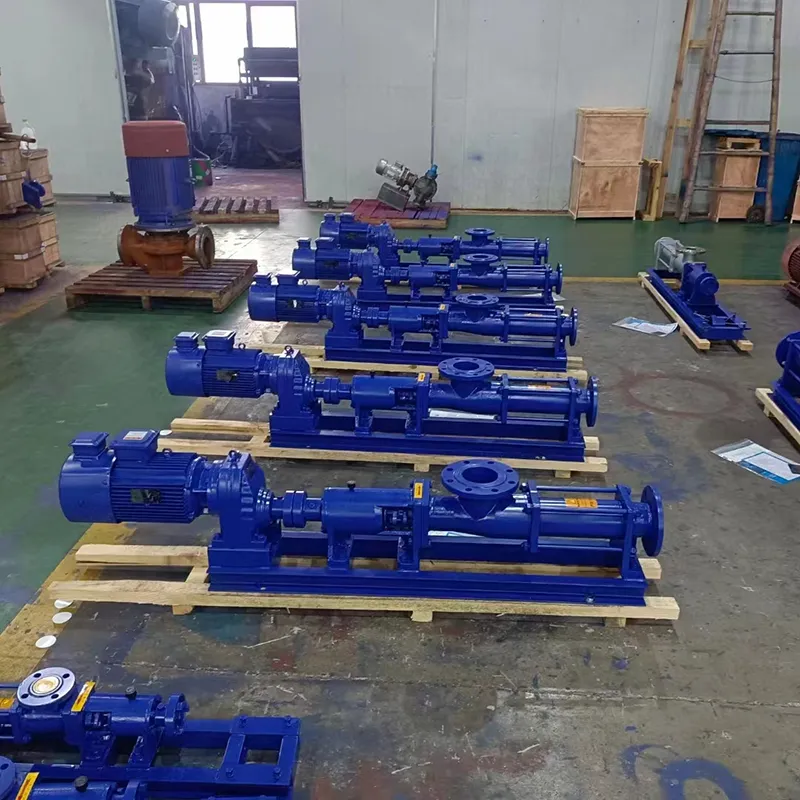
How to avoid:Always check the viscosity of the pumped medium at operating temperature. For viscous liquids, use screw or gear pumps. Product lineZhejiang Yangzijiang Pumping Industry Co.,Ltdincludes GF screw pumps and gear units, which are ideal for such applications, unlike centrifugal models.
Global quality standards and certification
In a global trade environment, the presence of certificates is not just a formality, but a confirmation of safety and quality. European CE certification guarantees compliance with pressure equipment and electromagnetic compatibility directives. The ISO 9001 quality management system indicates that the manufacturer controls every stage: from input raw materials to shipment. For the Russian market and the EAEU countries, the EAC certificate (TR CU 010/2011 “On the safety of machinery and equipment”) becomes mandatory.
However, the piece of paper itself does not mean anything. It is important how control is carried out. CompanyZhejiang Yangzijiang Pumping Industry Co.,Ltdpasses SGS inspections on site, which is the highest measure of confidence on the part of international partners. Each product unit is tested in the company’s own center for performance, pressure and tightness parameters. The presence of national patents for design solutions confirms the status of a high-tech enterprise. This approach allows us to supply equipment to more than 40 countries around the world, collaborating with giants like APP and HPO, where quality requirements are unprecedentedly high.
Frequently Asked Questions
What is the real service life of a plastic centrifugal pump?
With proper operation and compliance of the material with the pumped medium, the service life is from 3 to 5 years before major repairs (replacement of bearings and seals). A housing made of high-quality PP or PVDF can last 10 years or more. It all depends on the absence of abrasive in the liquid and compliance with the temperature regime.
Is it possible to repair plastic pumps yourself?
Yes, the design of most magnetic pumps is modular and allows the replacement of wear parts (bearings, shaft, impeller) by the company's maintenance personnel. However, to replace the magnetic coupling or complex troubleshooting of the case, it is better to contact a service center, such as supportZhejiang Yangzijiang Pumping Industry Co.,Ltdto maintain the warranty.
What is the difference between CQF and CQB pumps?
CQFs are typically horizontal magnetic pumps with a simplified design for less aggressive media and lower pressures. CQB is a more powerful series, often with a stronger magnetic coupling and the ability to handle higher temperatures and pressures. The choice depends on the specific parameters of your production line.
Do these pumps work with slurries?
Conventional centrifugal magnetic pumps are not designed to handle large concentrations of solids. The abrasive will quickly damage the plain bearings. For suspensions, you should use special versions with flushing of bearings or select screw pumps that better cope with viscous and contaminated media.
Conclusion and next step
Marketcentrifugal pumpsin 2026 offers solutions that can solve the most complex problems of the chemical and industrial industry. The key to success is not in finding the cheapest option, but in competent engineering selection, taking into account all the nuances of the environment and operating mode. An integrated approach from industry leaders that combines R&D, manufacturing and service is the only strategy to keep your processes running smoothly. Reliability, proven by time and thousands of hours of testing, is what distinguishes professional equipment from one-off solutions.
If you are faced with the task of modernizing your pumping fleet or launching a new line, do not risk expensive equipment and personnel safety. Entrust the selection and delivery to professionals with proven experience and their own production base.Contact us todayto receive technical advice and calculate the optimal solution for your parameters. We will help you choose a model that will last for years, not months.